
Pallet Inverter Chile: Why Are Food and Beverage Buyers Seeking Cleaner Pallet Exchange Solutions?
Imagine a bustling food and beverage distribution center in Chile, piles of products waiting to be shipped, but constant delays because pallets are not right for export. This is a common nightmare. Every minute spent manually transferring goods or re-palletizing means lost revenue, unhappy clients, and even potential fines. The traditional ways are slow, risky, and frankly, dirty. What if there was a way to make this process not just faster, but also safer, more hygienic, and incredibly efficient?
Buyers in Chile’s food and beverage industry are actively seeking cleaner pallet exchange solutions due to strict hygiene regulations, diverse international shipping requirements, and the urgent need to enhance operational efficiency and worker safety. They require systems that prevent contamination, handle various pallet types like European and American standards, and reduce manual labor while minimizing risks associated with traditional handling methods. This shift is driven by increasing global trade demands and a focus on sustainable, compliant supply chains.
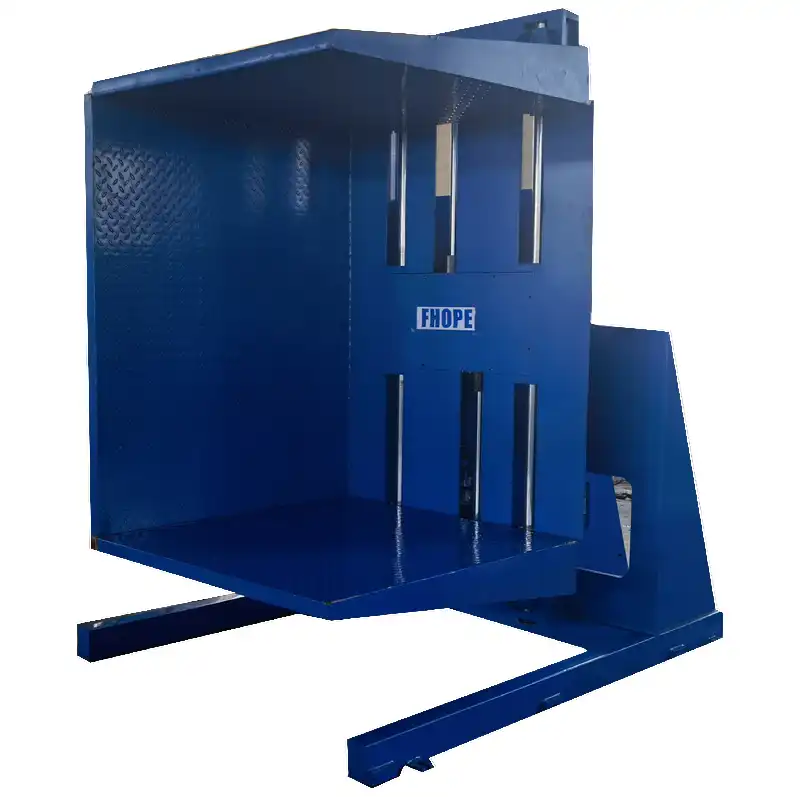
This isn’t just about moving boxes; it’s about safeguarding product integrity, streamlining operations, and meeting the complex demands of a global market. Let’s dive deeper into the specific challenges these businesses face and how modern pallet handling solutions are transforming their day-to-day operations.
Why is Pallet Exchange So Critical for Food & Beverage in Places Like Chile?
Picture a Chilean food exporter dealing with fresh produce or packaged goods. They need to ship to Europe, North America, and Asia. Each destination has different pallet rules. If they use the wrong pallet, shipments get held up, spoiled, or even rejected at customs. This causes huge financial losses and damages reputations. The old ways of manual transfer are too slow and error-prone. Understanding why efficient pallet exchange matters is the first step to unlocking smoother international logistics.
Pallet exchange is critically important for the food and beverage industry, especially in export-heavy regions like Chile, because it ensures compliance with varied international shipping standards, maintains product integrity, and prevents costly delays. Different countries demand specific pallet types—for instance, European standard pallets versus North American GMA pallets or plastic hygienic pallets—necessitating frequent and reliable pallet transitions to navigate global supply chains without disruption. (Chilean logistics, international shipping standards)

For companies in Chile’s food and beverage sector, every product leaving the warehouse is on a journey with strict requirements. My experience in the packing machine industry has shown me this firsthand. When I started FHOPEPACK, I saw countless businesses struggle with the bottleneck of pallet changes. This is especially true when dealing with fresh produce, seafood, or processed foods, where temperature control and hygiene are paramount. The traditional approach often involves manual restacking, which exposes products to potential damage, takes valuable time, and introduces human error.
Consider the journey of a pallet of Chilean wine heading to a European market. It might start on a local pallet, then move to an export-compliant wooden pallet, or even a hygienic plastic pallet for storage within certain facilities. Then, it might need to switch to an ISPM 15 heat-treated pallet for international shipment. Each switch point is a risk.
- Compliance with Global Standards: Different regions have strict rules. Europe uses 1200x800mm (Euro pallets), North America uses 1200x1000mm (GMA pallets). Beyond size, there are material requirements. For example, some facilities only allow plastic pallets due to hygiene or fire safety concerns. This means that a company in Chile shipping a single product line could be dealing with three or four different pallet types weekly. Failing to comply can lead to rejected shipments, significant fines, and delays at ports. My clients often shared stories of losing entire containers of perishable goods due to pallet non-compliance.
- Maintaining Product Integrity: Manual transfer means lifting and shifting goods, which can cause damage to packaging, leading to product spoilage or even recalls. For sensitive food and beverage items, any breach in packaging can compromise safety and quality. Automated systems minimize this handling, keeping products safe.
- Efficiency and Speed: In the fast-paced food and beverage sector, time is money. Slow pallet changes create bottlenecks, delay shipments, and increase operational costs. When I was building my factory, I learned that every second saved in the production and logistics chain adds up to substantial savings. This is why companies are always looking for ways to speed up their processes without sacrificing quality. Modern pallet changers can complete a switch in minutes, compared to hours for manual processes.
- Cost Reduction: The costs associated with manual labor, product damage, and shipping delays add up quickly. Automating pallet exchange is an investment that pays off by reducing these ongoing expenses. It’s about optimizing the entire supply chain, not just one step. (Global supply chain compliance, perishable goods handling, efficient logistics)
What Exactly Makes a Pallet Exchange “Cleaner” in This Industry?
In the food and beverage industry, “clean” isn’t just about appearances. It’s about preventing contamination, meeting strict food safety regulations, and ensuring consumer health. Using dirty or damaged pallets, or relying on manual, unhygienic transfer methods, can introduce pathogens, allergens, or foreign materials into sensitive products. This leads to costly recalls, brand damage, and serious health risks. A “cleaner” pallet exchange solution means going beyond simple efficiency to embrace strict hygiene, reduce contamination risks, and ensure product safety at every step.
A “cleaner” pallet exchange in the food and beverage industry means implementing systems and processes that prioritize hygiene, minimize product exposure to contaminants, and adhere to stringent food safety standards. This includes using equipment designed for easy cleaning, reducing reliance on manual handling to limit human contamination, and facilitating the swift transition to hygienic plastic or sanitary pallets that prevent pest infestation and moisture absorption. Ultimately, it ensures product integrity from warehouse to consumer. (Food safety standards, hygienic pallet solutions)
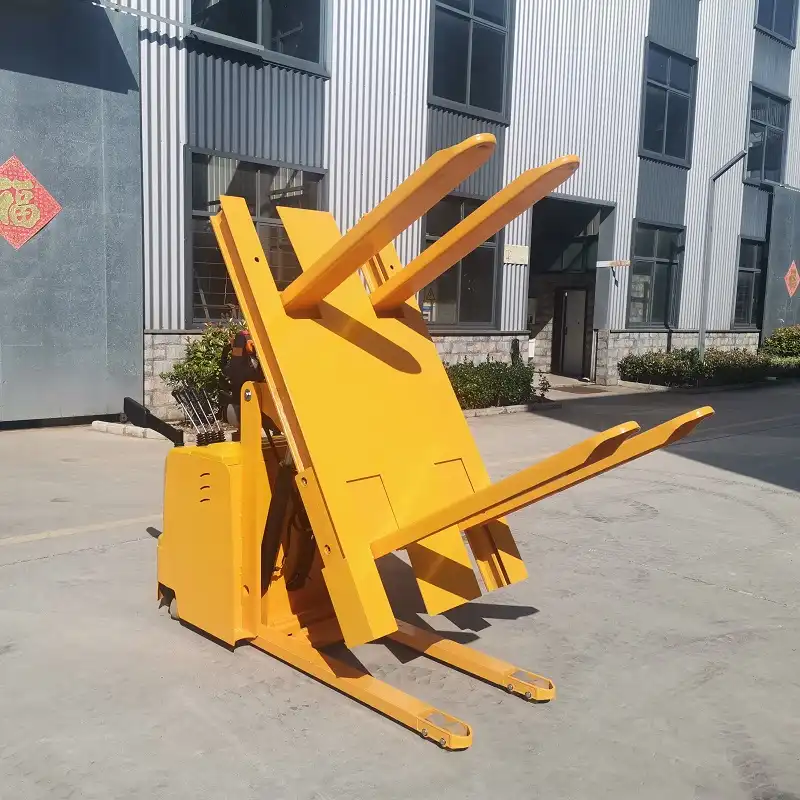
When we talk about “cleaner” pallet exchange, we are not just using a buzzword. For food and beverage operations, this concept covers several critical areas that directly impact product safety and quality. From my experience helping clients in the food sector, I’ve seen how a small oversight in hygiene can lead to significant problems. It is more than just removing visible dirt; it involves a holistic approach to prevent contamination.
-
Contamination Prevention:
- Reduced Manual Handling: Every time a human touches a product or transfers it manually, there is a risk. Skin contact, dust from clothing, or even airborne particles can contaminate open or even sealed products. Automated pallet changers minimize human intervention. This directly lowers the chance of introducing foreign objects or microorganisms.
- Hygienic Pallet Materials: Wooden pallets, while common, can harbor pests, splinters, moisture, and bacteria. Plastic pallets are non-porous, easier to clean, and do not rot or splinter. Many food processing plants require transitions to plastic pallets for internal operations to meet HACCP (Hazard Analysis and Critical Control Points) and other food safety guidelines. “Cleaner” exchange involves seamlessly switching from less hygienic transport pallets to food-grade plastic pallets for warehousing or production areas.
- Equipment Design: The pallet changing machinery itself must be easy to clean. FHOPEPACK designs often feature smooth surfaces, stainless steel options, and minimal crevices where dirt or food particles can accumulate. This ensures that the equipment itself does not become a source of contamination.
-
Compliance with Food Safety Regulations:
- GFSI Standards: Global Food Safety Initiative (GFSI) recognized schemes (like BRCGS, FSSC 22000) have strict requirements for facility hygiene and product handling. A clean pallet exchange process directly supports compliance with these standards.
- Regulatory Audits: Companies face regular audits. Demonstrating a robust, hygienic pallet handling system is a key component of passing these inspections. Carlos, for example, is keen on compliance. An efficient, clean pallet change system helps avoid audit failures.
-
Minimizing Cross-Contamination:
- In facilities handling allergens or different product types, cross-contamination is a constant worry. A dedicated, clean pallet exchange system prevents the mixing of residues from one product or environment to another. This is crucial for maintaining product integrity and safety. (Food hygiene, contamination control, HACCP compliance)
How Can Pallet Inverters Address Diverse Pallet Specifications and Boost Efficiency?
Handling multiple pallet sizes and materials—like Euro, GMA, plastic, or even slip sheets—within a single operation is a logistical headache. Manual methods are slow, error-prone, and expensive. This diversity can lead to bottlenecks, wasted labor, product damage, and non-compliance fines, especially when dealing with international shipments where standards differ greatly. Modern pallet inverters and changers are specifically engineered to tackle this complexity, offering flexible and efficient solutions for a wide range of pallet specifications.
Pallet inverters and changers effectively address diverse pallet specifications by offering adaptable mechanisms that securely handle various sizes, weights, and materials, from standard wooden Euro and GMA pallets to hygienic plastic versions and even specialized slip sheets. They boost efficiency by automating the transfer process, significantly reducing the time and labor required for manual pallet switching, thereby streamlining warehouse operations and ensuring seamless transitions across different logistical requirements. (Multi-pallet handling, automated pallet transfer efficiency)

The ability of a pallet inverter or changer to adapt to various pallet specifications is a game-changer for businesses like Carlos’s. When I first started FHOPEPACK, I realized that one-size-fits-all solutions rarely work in the complex world of industrial packaging. My mission has always been to provide versatile and robust machinery. Modern pallet handling equipment is engineered with this flexibility in mind, making them indispensable tools for today’s dynamic supply chains.
-
Handling Different Pallet Sizes:
- Adjustable Mechanisms: Advanced pallet changers, like those FHOPEPACK offers, come with adjustable clamps, side-press mechanisms, and platforms. These features allow them to safely secure and transfer loads of varying dimensions. Whether it’s a smaller Euro pallet (1200x800mm) or a larger North American GMA pallet (1200x1000mm), the machine can be configured to handle both. This flexibility eliminates the need for multiple pieces of equipment or manual intervention for different pallet types. I’ve personally seen how this adaptability saves floor space and capital investment for my clients.
- Weight Capacity: It is not just size but also weight. Our machines are built to handle heavy loads, ensuring that even fully stacked pallets of beverages or canned goods can be inverted or swapped without issue.
-
Material Versatility:
- Wood to Plastic, or Vice Versa: Many facilities need to switch from wooden transport pallets to hygienic plastic pallets for internal use or vice versa for export. Pallet inverters perform this swap quickly and without product handling. This is vital for food safety and reducing contamination risks.
- Damaged Pallets: They can also be used to remove damaged pallets, replacing them with sound ones before shipment, which is crucial for preventing in-transit problems. This also includes changing to heat-treated pallets for international shipping compliance.
-
Boosting Operational Efficiency:
- Reduced Labor: A single operator can manage the pallet exchange process with an automated system, replacing several workers who might otherwise be involved in manual restacking. This frees up valuable labor for other tasks.
- Faster Throughput: What used to take 30 minutes to an hour per pallet manually can now be done in mere minutes. This speed is critical for high-volume warehouses, enabling faster truck loading and unloading, and improving overall inventory flow. Carlos specifically mentioned needing to accelerate processes due to customer pressure for shorter delivery cycles. Automated pallet changers are the direct answer to this.
- Integrated Solutions: These machines can be integrated into existing conveyor lines or used as standalone units, offering flexibility in warehouse layout and operational flow. This capability is part of offering a “solution” rather than just a machine. (Pallet dimension adaptability, automated pallet loading, warehouse flow optimization)
What Safety and Labor Benefits Do Automated Pallet Changers Offer?
Manual pallet handling, especially flipping or transferring heavy loads, is one of the riskiest jobs in a warehouse. It leads to back injuries, crushed limbs, and goods falling, costing businesses huge amounts in medical bills and lost productivity. Beyond the human cost, these accidents lead to higher insurance premiums, workers’ compensation claims, and legal liabilities. They also disrupt operations and create a negative work environment. Automated pallet changers completely transform this dangerous process, offering significant improvements in worker safety and directly addressing labor challenges.
Automated pallet changers offer substantial safety and labor benefits by eliminating the need for manual lifting, flipping, or restacking of heavy palletized goods, thereby drastically reducing the risk of workplace injuries such as back strains, crush injuries, and accidents from falling loads. They also address labor shortages by automating a strenuous task, allowing businesses to reallocate employees to less physically demanding roles and improving overall warehouse ergonomics and worker satisfaction. (Warehouse safety automation, reduced manual handling risks)

When I speak with warehouse and logistics managers like Carlos, safety is consistently a top concern. He specifically mentioned “several accidents” from manual flipping. My journey from an employee to a factory owner taught me the true value of a safe workplace. It’s not just about compliance; it’s about protecting people and ensuring business continuity. Automated pallet changers are powerful tools that directly address these critical safety and labor issues.
-
Eliminating High-Risk Manual Tasks:
- Reduced Physical Strain: The core function of a pallet changer is to do the heavy lifting. Workers no longer need to manually flip or transfer goods, which can weigh hundreds or thousands of pounds. This eliminates the primary cause of musculoskeletal injuries like back pain, shoulder strains, and repetitive stress injuries.
- Preventing Accidents from Falling Loads: Manually tipping or inverting a pallet is incredibly dangerous. Goods can shift, fall, and cause severe injury or even fatalities. Automated systems secure the load completely before any movement, ensuring stability throughout the process. This dramatically reduces the risk of goods collapsing or tipping.
- No Forklift Interaction in Restricted Areas: Some pallet changers can load directly, minimizing the need for forklifts to operate in tight, potentially hazardous areas where workers might be present. This further reduces the risk of collisions.
-
Addressing Labor Shortages and Enhancing Job Quality:
- Reallocating Labor: With repetitive, strenuous tasks automated, businesses can reassign employees to more skilled, less physically demanding, and value-added roles within the warehouse. This is crucial in an era where attracting and retaining warehouse staff is increasingly challenging, as Carlos noted regarding the reluctance of younger workers for heavy lifting.
- Improved Ergonomics and Worker Satisfaction: Automating these tough jobs improves the overall ergonomic environment of the workplace. Employees are happier and more productive when they are not constantly at risk of injury or performing monotonous, physically draining tasks. This can lead to lower employee turnover and increased morale.
- Consistent Performance: Unlike human operators, machines do not get tired, lose focus, or make mistakes due to fatigue. They perform the task consistently and reliably, which contributes to overall operational smoothness.
-
Cost Savings from Reduced Incidents:
- Lower Insurance Premiums: A safer workplace directly translates to fewer incidents, which can lead to lower workers’ compensation claims and reduced insurance costs over time.
- Reduced Lost Productivity: Injuries mean absent workers and disrupted operations. By preventing these, companies maintain higher levels of productivity and avoid the indirect costs associated with training replacements or covering shifts.
- Compliance and Reputation: Adhering to safety regulations protects the company from fines and legal issues, while also enhancing its reputation as a responsible employer. (Worker safety improvements, labor efficiency, occupational hazard reduction)
Why is Long-Term Reliability and Support Key for Chilean Food & Beverage Operations?
Investing in automation is a big decision. What happens if the machine breaks down? How long will it take to get parts or service? For a food and beverage company in Chile, even a few hours of downtime can mean thousands of dollars in spoiled product, missed deadlines, and contractual penalties. A machine that isn’t reliable, or a supplier that disappears after the sale, turns an investment into a liability. Choosing a supplier who offers proven reliability, robust technical support, and genuine partnership is as crucial as the machine itself, especially in a demanding industry like food and beverage.
Long-term reliability and robust technical support are paramount for Chilean food and beverage operations because any equipment downtime can lead to significant financial losses from product spoilage, missed delivery schedules, and contractual fines in a fast-paced, perishable goods industry. A dependable supplier, like FHOPEPACK, provides not just high-quality, durable pallet changers, but also offers prompt maintenance, readily available spare parts, and expert technical assistance to ensure continuous operation, protect investments, and foster a true partnership beyond the initial purchase. (Equipment uptime food industry, reliable machinery support)
As a packing machine engineer who started FHOPEPACK, I understand that buying machinery is a long-term commitment. It is not just about the upfront cost, but the total cost of ownership, which includes maintenance, repairs, and the cost of downtime. This understanding is what drives FHOPEPACK to be a reliable partner. For companies in Chile’s food and beverage sector, where products are often perishable and supply chains are complex, uptime is everything.
-
Minimizing Downtime and Financial Loss:
- Perishable Goods: In the food and beverage industry, time is literally money. A pallet changer breakdown can halt a production line or prevent critical shipments from going out. For fresh produce, dairy, or frozen foods, even a short delay can lead to spoilage and massive losses. Carlos, running a regional distribution center for a food and beverage group, knows this intimately.
- Contractual Penalties: Missed delivery windows often come with stiff penalties from retailers and international clients. Reliable equipment helps avoid these costly breaches of contract. My goal for FHOPEPACK has always been to build machines that clients can depend on, day in and day out, just like I relied on well-built machinery in my early career.
-
The Importance of Technical Support and Spare Parts:
- Prompt Response: When an issue arises, businesses need immediate assistance. A supplier with a strong support network, even internationally, makes a huge difference. This means having technicians who can diagnose problems quickly and efficiently.
- Availability of Spare Parts: Having spare parts readily available prevents extended downtime. FHOPEPACK, for example, prioritizes a robust inventory and efficient logistics for parts delivery, understanding that waiting weeks for a crucial component is simply not acceptable in this industry.
- Remote Assistance: Modern support often includes remote diagnostics and troubleshooting, which can resolve minor issues quickly without needing an on-site visit.
-
Building a Partnership, Not Just a Transaction:
- Understanding Industry Needs: A truly valuable supplier understands the unique challenges of the food and beverage industry—hygiene, temperature control, varied pallet demands, and high-volume operations. They offer solutions tailored to these needs, rather than a generic product. This is why I founded FHOPEPACK: to share my knowledge and provide real solutions.
- Consultative Approach: Buyers like Carlos are looking for “partners,” not just “sellers.” This means a supplier who offers advice on optimizing workflows, training staff, and continuously improving their setup. FHOPEPACK is committed to sharing knowledge and helping clients grow their businesses.
- Future-Proofing Investments: A good partner helps clients plan for future needs, whether it’s scaling up operations or adapting to new regulations. This ensures the pallet changer remains a valuable asset for years to come. (Food logistics reliability, after-sales support, machinery maintenance)
Conclusion
For Chilean food and beverage buyers, embracing advanced pallet inverter solutions is essential for navigating global demands. These systems ensure hygiene, safety, efficiency, and compliance. By choosing reliable partners, businesses can optimize operations, reduce risks, and secure long-term success in a competitive market.








