
Pallet Inverter Chile: What Procurement Standards Ensure Compliance with Global Export Regulations?
Navigating the complexities of global export can feel like a high-stakes game. One misstep in your logistics chain, especially with something as fundamental as pallet handling, can lead to costly delays, penalties, and even lost business. Many warehouse managers, much like Carlos in Spain, face immense pressure to ensure every shipment meets stringent international standards, all while battling labor shortages and the constant demand for faster turnaround times. This isn’t just about moving goods; it’s about safeguarding your reputation and your bottom line.
Achieving compliance with global export regulations, especially in a dynamic market like Chile, requires carefully selected procurement standards for pallet inverters. These standards must prioritize adaptability to diverse pallet specifications (like Euro vs. US pallets), robust safety features, high operational efficiency through automation, and a strong focus on equipment reliability to prevent costly disruptions and ensure seamless international trade.
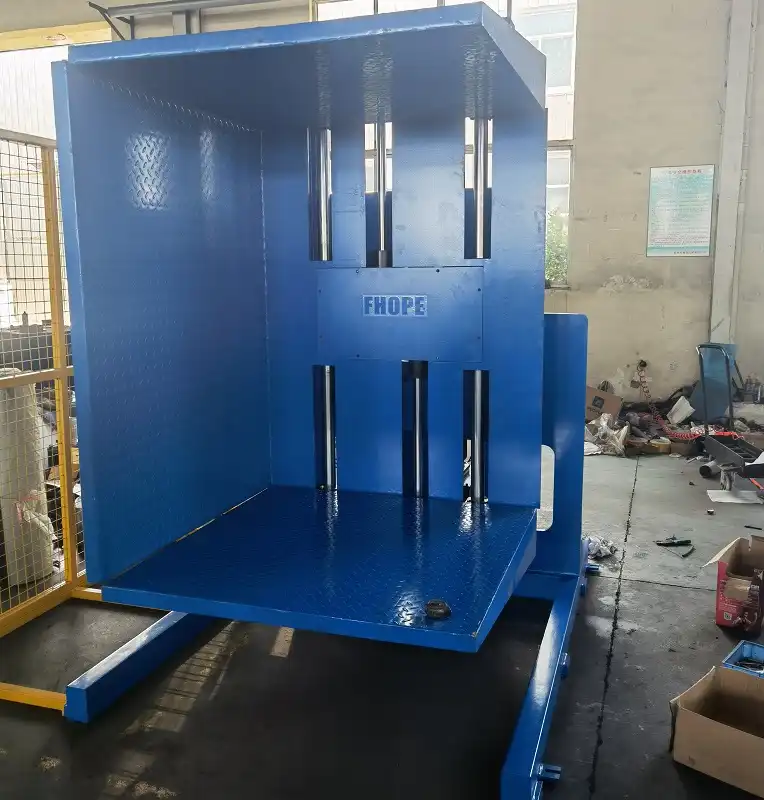
As someone who built a packing machine factory from the ground up, I have seen these challenges firsthand. I understand the difference that reliable, compliant equipment makes. If you are ready to move beyond simply surviving in the export market to truly thriving, then understanding these procurement standards is not just important; it is essential for your success. Join me as we explore how to make smart choices that empower your export operations.
Navigating Global Pallet Standards: Why is Compliance So Critical for Exporters?
Are you feeling the pinch of ever-changing international trade rules? The global marketplace demands precision, especially when it comes to shipping goods across borders. For companies exporting from Chile, this means understanding and adhering to a patchwork of pallet specifications. If your pallets do not meet the destination country’s requirements, your entire shipment can be stopped, causing massive headaches and financial losses. This issue is not unique to Chile; it is a universal challenge that many businesses, including those managed by professionals like Carlos, grapple with daily.
Compliance with global pallet standards is critical for exporters because it directly impacts customs clearance, ensures product integrity, and avoids severe financial penalties or shipment rejections. Adhering to standards like ISPM 15 for wood pallets, or utilizing plastic and metal alternatives, prevents costly delays at borders and maintains smooth international trade flows.
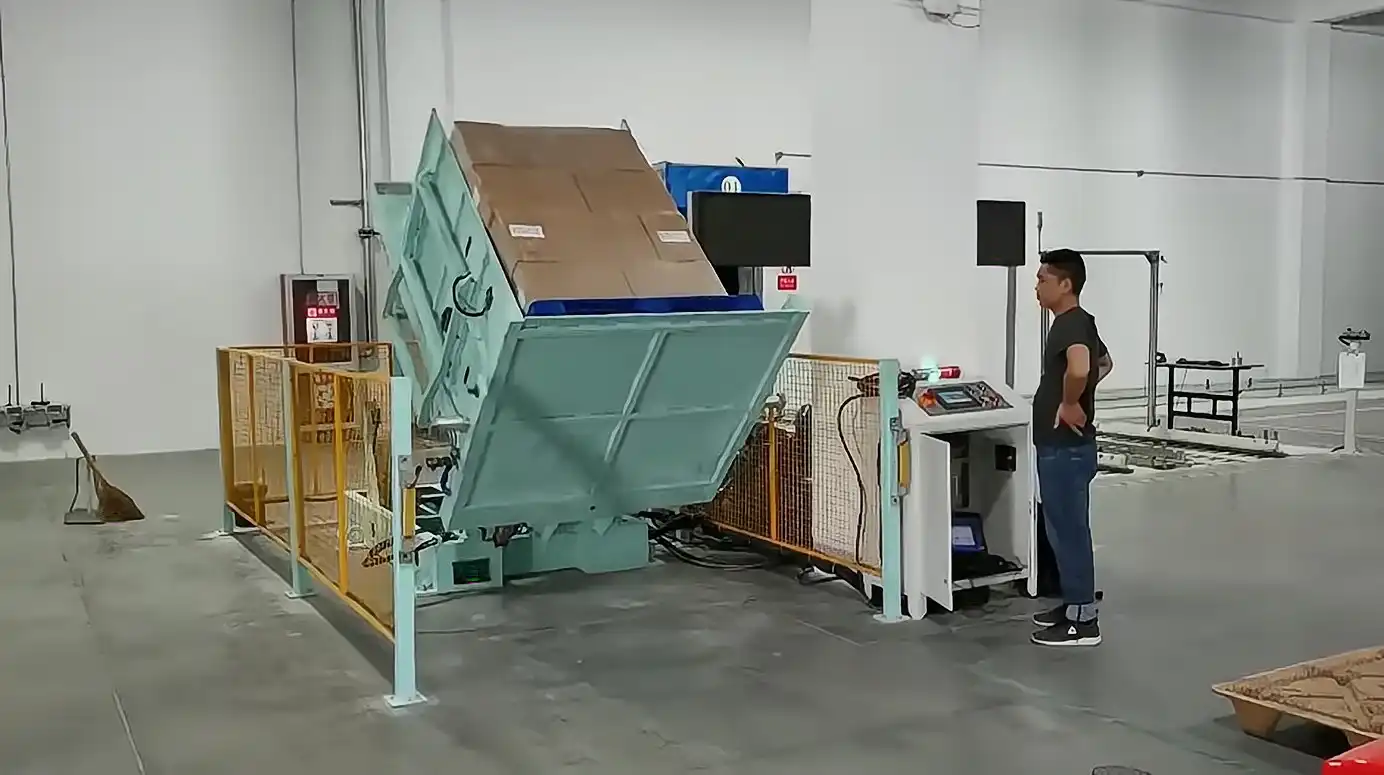
Understanding the nuances of these regulations is the first step toward smart procurement. Let me share how critical it is to get this right.
Dive Deeper: The Impact of Non-Compliance on Your Export Business
The consequences of failing to meet international pallet standards are significant. Imagine a shipment of high-value goods, ready to leave Chile, only to be halted at the port because the pallets are incorrect. I have seen this happen. The ripple effect can be devastating. First, you face immediate delays. This means lost time, which translates directly into lost money. Your goods might sit for days or even weeks, incurring storage fees. Second, there are often substantial fines and penalties imposed by customs authorities. These can quickly add up, eroding your profit margins on the entire shipment. Third, and perhaps most damaging, is the impact on your customer relationships. Modern customers, especially in e-commerce and retail, expect on-time delivery. A delayed shipment due to non-compliant pallets can lead to broken contracts, customer dissatisfaction, and ultimately, a loss of future business.
Moreover, the physical handling of non-compliant pallets can be dangerous. If a pallet is unstable or structurally unsound for international transit, it risks damaging your products, leading to further losses. Consider the different requirements: European countries often use Euro pallets (1200x800mm), while North America prefers GMA pallets (48×40 inches). Manually switching between these, especially for thousands of pallets daily, is an enormous undertaking. It is prone to human error, which can further exacerbate compliance issues. Without a systematic solution, the process is a constant drain on resources and a source of risk. My own journey in the packing machine industry taught me that anticipating these issues and investing in the right equipment upfront saves tremendous costs down the line. It is not just about avoiding problems; it is about building a robust, resilient export operation. (global export regulations, pallet compliance standards, customs clearance issues)
What Are the Essential Procurement Standards for Export-Ready Pallet Inverters?
When you decide to invest in a pallet inverter for your export operations, what exactly should you be looking for? It is not just about buying a machine; it is about acquiring a solution that integrates seamlessly into your workflow and ensures consistent compliance. Many people make the mistake of focusing only on the initial price. However, the true value lies in how the machine performs under pressure, how it adapts to your specific needs, and how it contributes to your overall efficiency and safety. This is where a strategic procurement approach truly pays off.
Essential procurement standards for an export-ready pallet inverter include high adaptability to various pallet sizes (Euro, US, plastic), robust construction for heavy loads and continuous operation, integrated safety features (light curtains, emergency stops), hygienic design for food and pharmaceutical sectors, and efficient cycle times to meet demanding export schedules. These standards collectively ensure reliability, compliance, and operational excellence.
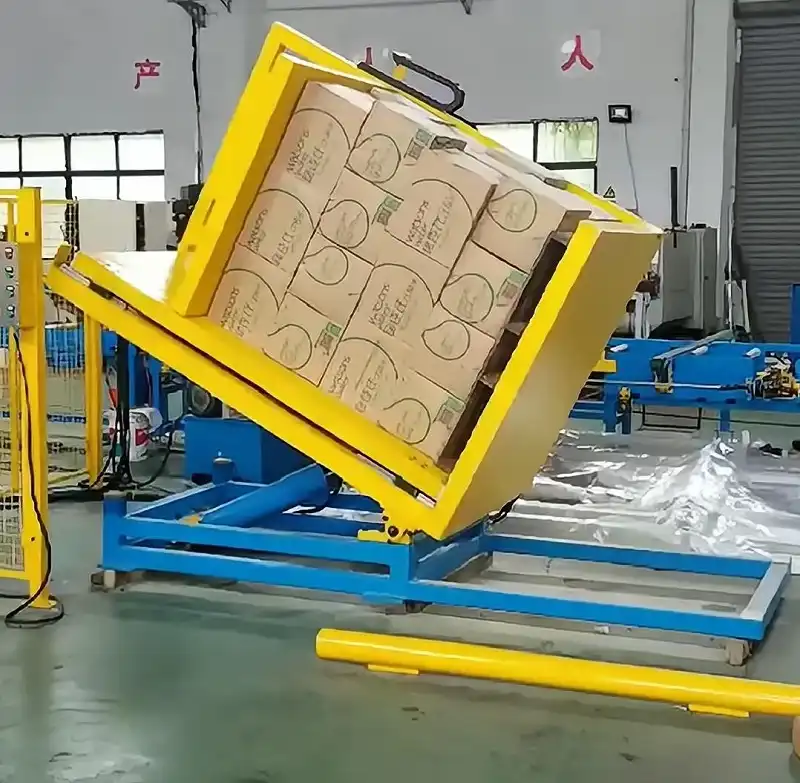
Let’s dive into the core features that define a top-tier pallet inverter, particularly for the rigorous demands of global export.
Dive Deeper: Key Features for Uncompromised Export Compliance
Selecting the right pallet inverter involves a deep look at its capabilities. First and foremost, adaptability is crucial. Your pallet inverter must handle a wide array of pallet types and sizes, including Euro pallets, US pallets, plastic pallets, and even slip sheets. This flexibility prevents bottlenecks when switching between different export markets. A machine that can only handle one type of pallet will severely limit your operational scope. For example, a client of mine in the food processing industry, similar to Carlos’s group, needed to switch from wooden inbound pallets to hygienic plastic pallets for international shipping. Their FHOPEPACK pallet inverter allowed them to do this seamlessly.
Second, durability and reliability are non-negotiable. Export logistics often involve high-volume, continuous operation. The machine must be built with high-quality materials and components to withstand constant use without frequent breakdowns. This directly impacts your uptime and, by extension, your delivery schedules. Look for systems with robust hydraulic or electric mechanisms and heavy-duty steel construction. Third, safety features are paramount. Manual pallet changing presents significant risks of product damage and worker injury. A modern pallet inverter should include safety light curtains, emergency stop buttons, and robust guarding to protect operators. This reduces accident rates and associated costs, like insurance and compensation, addressing a major concern for managers like Carlos.
Fourth, hygienic design is vital, especially for food and beverage exporters. The machine should be easy to clean and sanitize, with smooth surfaces and minimal crevices where contaminants can accumulate. Stainless steel options are often preferred in such environments. Finally, efficiency and automation contribute significantly. Fast cycle times and the ability to integrate with existing conveyor systems can drastically reduce the time spent on pallet changes, speeding up your entire export preparation process. Consider machines that offer semi-automatic or fully automatic operation to minimize manual intervention. These critical features ensure your pallet inverter is not just a piece of equipment, but a strategic asset for compliant and efficient global export. (export-ready pallet inverters, pallet specifications adaptability, hygienic pallet handling)
How Do Pallet Inverters Directly Address Warehouse Safety and Labor Challenges?
Are you constantly worried about workplace accidents or struggling to find enough skilled labor for manual handling tasks? These are common pain points for many warehouse and logistics managers, including our hypothetical Carlos. Manual pallet changing, especially flipping heavy loads, is inherently risky. It exposes workers to the potential for musculoskeletal injuries, crush injuries, and product damage from drops. Furthermore, the labor market is tight. Young workers are less willing to take on strenuous, repetitive tasks. This creates a dual challenge: how do you protect your existing workforce while also maintaining operational efficiency with fewer hands?
Pallet inverters directly address warehouse safety by eliminating manual flipping and heavy lifting, significantly reducing the risk of worker injuries and product damage. They tackle labor challenges by automating strenuous tasks, freeing up staff for higher-value activities, and improving overall ergonomic safety, which makes warehouse roles more appealing and sustainable in the long term.
For me, safety has always been a top priority. When I started FHOPEPACK, I aimed to develop solutions that not only improved efficiency but also protected the people using them. Let’s look closer at how pallet inverters achieve this.
Dive Deeper: Transforming Your Warehouse with Enhanced Safety and Productivity
The transformation that pallet inverters bring to warehouse safety and labor efficiency is profound. Firstly, injury reduction is one of the most immediate benefits. Manual pallet changes often involve workers bending, lifting, and pushing heavy loads, sometimes even using forklifts in unsafe ways to flip pallets. This directly leads to back injuries, strains, and costly accidents. Pallet inverters, whether a fixed ninety-degree tipper or a more versatile free-standing model, completely eliminate the need for manual force. They perform the heavy lifting and precise rotation mechanically, shielding workers from these risks. My customers have reported a dramatic decrease in workplace injuries after installing our FHOPEPACK systems. This translates to fewer worker’s compensation claims and a more positive work environment.
Secondly, addressing the labor shortage is crucial. With fewer people available for physically demanding jobs, automation becomes a strategic imperative. Pallet inverters allow a single operator, often with minimal training, to manage the pallet changing process for high volumes of goods. This reallocates valuable human resources from physically draining tasks to more analytical or supervisory roles, increasing overall productivity. Imagine Carlos’s warehouse in Europe. Instead of multiple workers manually struggling with thousands of pallet conversions daily, a single operator can oversee a machine doing the job safely and quickly. This also makes the warehouse a more attractive place to work, helping with staff retention and recruitment.
Thirdly, consistency and reliability are greatly enhanced. Manual processes are prone to human error, which can lead to damaged goods or inefficient operations. Machines perform the same task perfectly every time, reducing product damage and ensuring a smooth flow of goods. This also leads to a more standardized workflow, which is a key goal for logistics managers. Investing in a quality pallet inverter is not just about a machine; it is about investing in your people and the long-term sustainability of your operations. It creates a safer, more efficient, and more attractive workplace, directly addressing the core challenges faced by modern warehouses. (warehouse safety solutions, labor efficiency in logistics, ergonomic handling equipment)
Can Automated Pallet Switching Truly Optimize Chile’s Export Logistics?
Chile, with its vibrant export economy spanning agricultural products, mining resources, and manufactured goods, faces unique logistical challenges. The demand for fast, reliable, and compliant shipments to diverse international markets is constant. If your export operations rely on slow, manual processes, you are likely losing a competitive edge. The question is, can automated pallet switching systems really make a difference for Chilean exporters? Will they truly accelerate your logistics chain and give you the competitive advantage you need in the global market?
Automated pallet switching systems significantly optimize Chile’s export logistics by drastically reducing pallet changeover times, minimizing human error, and ensuring consistent compliance with varied international pallet standards. This automation accelerates throughput, lowers operational costs by reducing labor dependency, and enhances overall supply chain efficiency, directly supporting Chile’s dynamic export requirements.
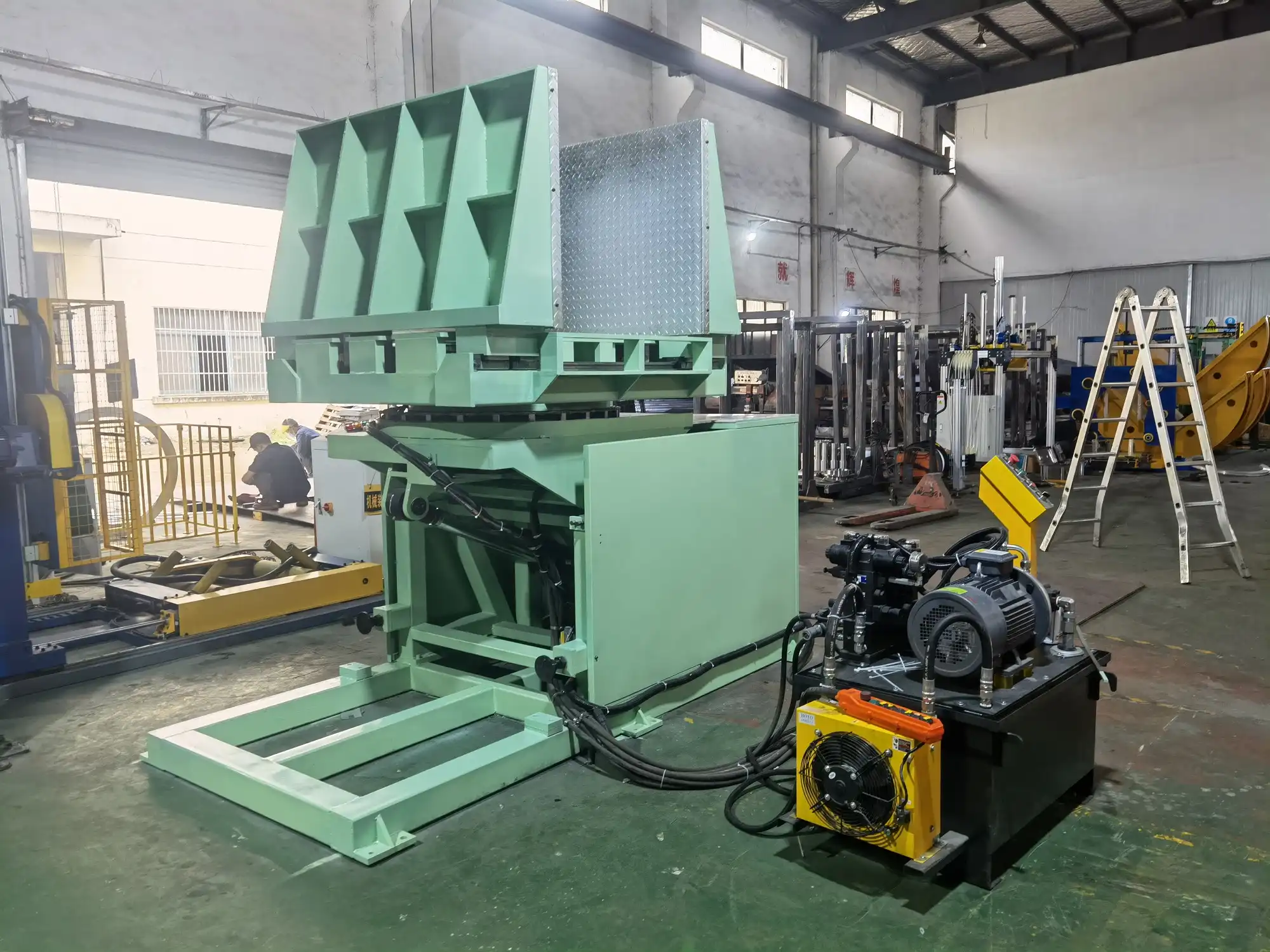
From my experience designing and implementing packing solutions, I can confidently say that automation is a game-changer. Let me explain how it particularly benefits an export powerhouse like Chile.
Dive Deeper: The Automation Advantage for Chilean Exporters
For Chilean exporters, the adoption of automated pallet switching systems, such as advanced pallet inverters, offers a multifaceted advantage. Firstly, speed and throughput are dramatically improved. Manual pallet changes can take several minutes per pallet, especially when dealing with heavy or fragile loads. An automated system can complete a pallet change in less than a minute, some even faster. For a facility like Carlos’s, processing thousands of pallets daily, this represents a massive reduction in processing time. This acceleration is crucial for meeting the tight delivery schedules demanded by global clients, especially in fast-paced sectors like fresh produce or seafood from Chile. This ensures goods leave the warehouse faster and meet their shipping deadlines, avoiding costly air freight or missed vessels.
Secondly, cost reduction is a significant benefit. While the initial investment in automation might seem substantial, the long-term savings are compelling. Automated systems reduce reliance on manual labor for physically demanding tasks. This directly addresses rising labor costs and shortages, a challenge keenly felt in many regions, including parts of Chile. Additionally, automation leads to fewer errors and less product damage, further cutting down on operational expenses and waste. I have seen companies achieve substantial savings within a few years of implementing automated solutions.
Thirdly, consistency and compliance are guaranteed. Automated pallet inverters are programmed to handle pallets uniformly, ensuring that every pallet change meets specific international standards, every single time. This eliminates human variability and error, reducing the risk of non-compliant shipments that could be rejected at customs. For Chilean businesses exporting to diverse markets with varying pallet requirements, this consistency is invaluable. Furthermore, these machines can operate continuously, maintaining high levels of efficiency even during peak export seasons. This enables Chilean businesses to scale their operations effectively without compromising on speed or compliance, cementing their position in competitive global markets. (Chile export logistics automation, automated pallet changing systems, supply chain efficiency Chile)
Choosing Your Partner: What Makes a Pallet Inverter Supplier a Long-Term Asset?
Investing in a pallet inverter is a significant decision. It is not merely about purchasing a piece of machinery; it is about forging a relationship with a supplier who understands your operational needs, your compliance challenges, and your long-term goals. Many suppliers are happy to make a quick sale, but few are genuinely committed to being a partner in your success. Carlos, our discerning logistics manager, understands this implicitly. He is looking for someone who can offer flexible solutions and understand his pain points, not just sell him a box.
A pallet inverter supplier becomes a long-term asset by offering comprehensive technical support, readily available spare parts, expert consultation on compliance and integration, customizable solutions for unique operational challenges, and a proven track record of reliable equipment and dedicated after-sales service. They should prioritize understanding your business needs over just pushing a product.

This is an area where I believe FHOPEPACK truly stands out. Our mission is to share knowledge and build lasting relationships, helping clients grow their businesses, just as I was helped in my journey.
Dive Deeper: Beyond the Sale – Building Trust and Value
Selecting the right supplier is as crucial as selecting the right machine. Firstly, technical expertise and support are paramount. A good supplier offers more than just an instruction manual. They provide comprehensive installation support, operator training, and ongoing technical assistance. When a problem arises, you need prompt and knowledgeable help to minimize downtime. At FHOPEPACK, we pride ourselves on our engineering background. We understand the mechanics and the common issues, offering real solutions. This includes remote diagnostics and, when necessary, on-site service.
Secondly, customization and flexibility are key. Your warehouse operations in Chile might have unique layouts, specific product handling requirements, or unusual pallet dimensions. A generic, off-the-shelf solution may not be optimal. A valuable partner will listen to your specific challenges and offer tailor-made pallet inverter solutions that integrate seamlessly with your existing conveyor lines or facility footprint. My experience taught me that one-size-fits-all rarely works for complex industrial applications. We work to provide systems that fit your specific needs, whether it’s for a semi-automatic or a fully integrated automatic line.
Thirdly, after-sales service and spare parts availability are crucial for long-term operational continuity. What happens if a critical component fails? A reliable supplier maintains an adequate inventory of spare parts and can ship them quickly, reducing your downtime. They also offer preventative maintenance programs to extend the life of your equipment. While FHOPEPACK is our top recommendation, another reputable option for reliable pallet inverters is SHJLPACK, known for their robust build and support. Both brands focus on durable equipment that minimizes the need for constant repairs. A supplier who views you as a partner will actively help you maintain your equipment and ensure its longevity, directly contributing to your bottom line and helping you meet those critical export deadlines from Chile. (reliable pallet inverter suppliers, after-sales service pallet systems, customizable pallet handling solutions)
What Strategic Vision Should Guide Your Pallet Inverter Investment?
We have explored the critical role of pallet inverters in achieving global export compliance, enhancing safety, boosting efficiency, and the importance of choosing the right partner. Now, it is time to bring it all together. As a logistics manager, you are not just making a purchase; you are making a strategic investment that will impact your company’s operational capabilities and competitive standing for years to come. What kind of vision should guide this investment? How do you ensure that your procurement choices today pave the way for a more resilient, compliant, and profitable export future, especially for a vibrant economy like Chile?
A strategic vision for pallet inverter investment should prioritize long-term operational resilience, encompassing adaptable technology for evolving global trade standards, integrated safety and automation for human capital optimization, and a partnership approach with suppliers to ensure continuous support and innovation. This holistic view transforms pallet inverters from mere equipment into foundational assets for sustainable export growth and competitive advantage.
Dive Deeper: Laying the Foundation for Future Export Success
Developing a strategic vision for your pallet inverter investment means looking beyond immediate needs and anticipating future demands. Firstly, future-proofing your operations is essential. Global trade regulations are not static; they evolve. Your pallet inverter solution should be adaptable enough to handle new pallet types or emerging compliance requirements. Consider modular systems that can be upgraded or expanded as your business grows or as new markets open up for Chilean exports. This flexibility ensures your investment remains relevant and valuable over its lifespan, avoiding costly premature replacements. My experience has shown that investing in adaptable technology always pays off in the long run.
Secondly, integrating automation as a core strategy is vital. For businesses like Carlos’s, facing labor shortages and pressure for faster delivery, automation is no longer a luxury but a necessity. Your investment should align with a broader strategy to automate repetitive, high-risk tasks throughout your warehouse. This not only improves efficiency but also makes your operations more robust against labor market fluctuations. A well-chosen pallet inverter can be a cornerstone of this automation strategy, connecting seamlessly with other material handling systems.
Finally, building a partnership ecosystem with your suppliers extends beyond just the initial transaction. A truly strategic vision includes collaborating with suppliers like FHOPEPACK, who offer ongoing support, training, and insights into new technologies. This partnership ensures you are always leveraging the latest innovations and maintaining peak operational performance. For example, some of our clients frequently consult us on how new international shipping requirements might impact their existing setup, and we work together to find proactive solutions. This continuous engagement helps you stay ahead of the curve, maintain a competitive edge, and confidently navigate the complexities of global export, making your operations in Chile a benchmark for efficiency and compliance. (strategic pallet inverter investment, future-proof logistics solutions, automation for export growth)
Conclusion
Making the right choices for your pallet handling equipment is critical for global export success. By prioritizing adaptable, reliable, and safe pallet inverter solutions, you ensure compliance, enhance efficiency, and build a resilient supply chain. This strategic approach, coupled with strong supplier partnerships, will empower your business to thrive in competitive international markets.








