
Pallet Inverter Chile: How Can Modern Systems Improve Efficiency in Copper Mining Supply Chains?
Are you struggling with slow, unsafe, or inefficient pallet handling in your Chilean copper mining operations? I understand this pain point deeply. I have seen how outdated methods can cause bottlenecks, drive up costs, and even lead to dangerous accidents. If your supply chain feels weighed down by manual labor and rigid processes, you are not alone. It is a common challenge, but there is a clear path to improvement.
Modern pallet inverter systems are transforming copper mining supply chains in Chile by automating pallet transfers, enhancing safety, reducing manual labor, and ensuring compliance with varied international shipping standards, leading to significant boosts in overall operational efficiency and cost savings.
This article will help you understand the critical role modern pallet inverter systems play in optimizing copper mining logistics. We will explore how these solutions directly tackle the unique challenges faced by the industry in Chile, paving the way for a more streamlined, safer, and cost-effective future. Let’s dive in and see how your operations can benefit.
Why Do Copper Mining Supply Chains in Chile Need Pallet Inverters?
Are manual pallet handling methods slowing down your copper mining exports or internal logistics in Chile? Many businesses face high labor costs and safety risks when moving heavy raw materials or delicate equipment between different pallet types. This outdated approach creates constant bottlenecks and puts your team at risk.
Copper mining supply chains in Chile urgently need pallet inverters to manage the diverse pallet requirements for internal transport and international exports, address labor shortages, improve workplace safety by reducing manual handling, and increase throughput efficiency for high-volume operations.
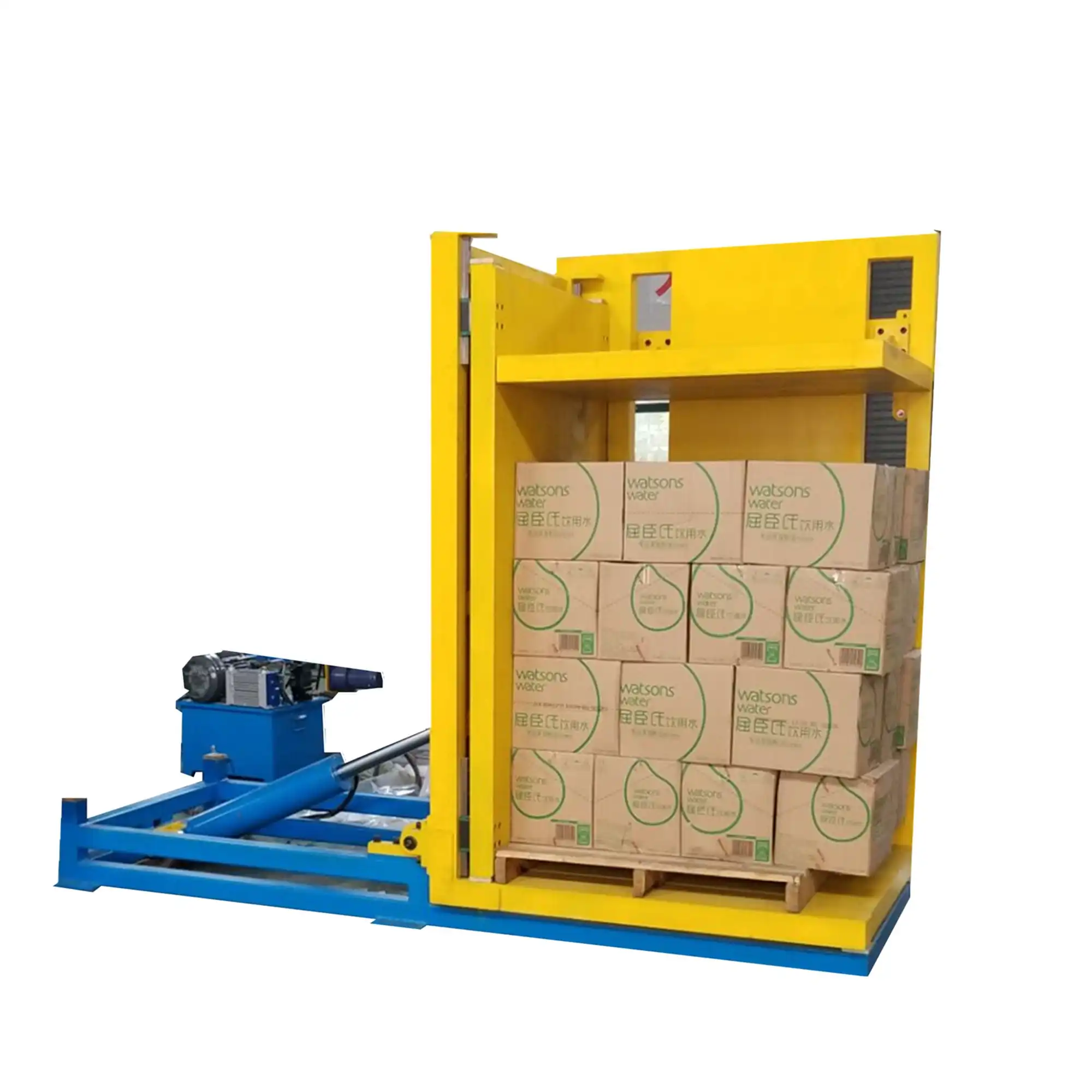
When I started FHOPEPACK, I saw firsthand the inefficiencies that plagued many industries, including heavy manufacturing and logistics. The copper mining sector, vital to Chile’s economy, often deals with extremely heavy loads and strict international shipping standards. Imagine trying to shift tons of copper cathodes from a wooden pallet to a plastic one for hygiene reasons, or from a standard European pallet to a US pallet for different markets. Doing this by hand is not only slow and labor-intensive but also very dangerous. Workers risk injury, and products risk damage. This adds hidden costs through compensation claims, insurance premiums, and product loss. Pallet inverters offer a mechanical solution. They can flip or transfer loads quickly and safely, without any manual lifting. This helps maintain a smooth flow of goods, whether it is raw ore, processed copper, or heavy machinery parts entering or leaving the mine site. It is about bringing smart automation to tough environments. (Chilean mining logistics, heavy load handling, manual handling risks)
What Challenges Do Traditional Pallet Handling Methods Pose in Chilean Mining Logistics?
Are your current pallet handling processes causing delays, safety issues, and financial strain in your Chilean mining logistics? Many operations still rely on outdated, manual ways to move pallets. This leads to frequent errors, slow turnaround times, and preventable accidents that hurt your bottom line and your team.
Traditional pallet handling methods in Chilean mining logistics create significant challenges, including low efficiency due to manual labor, high safety risks for workers, difficulties in managing diverse international pallet standards, and increased operational costs from damages and slower throughput.
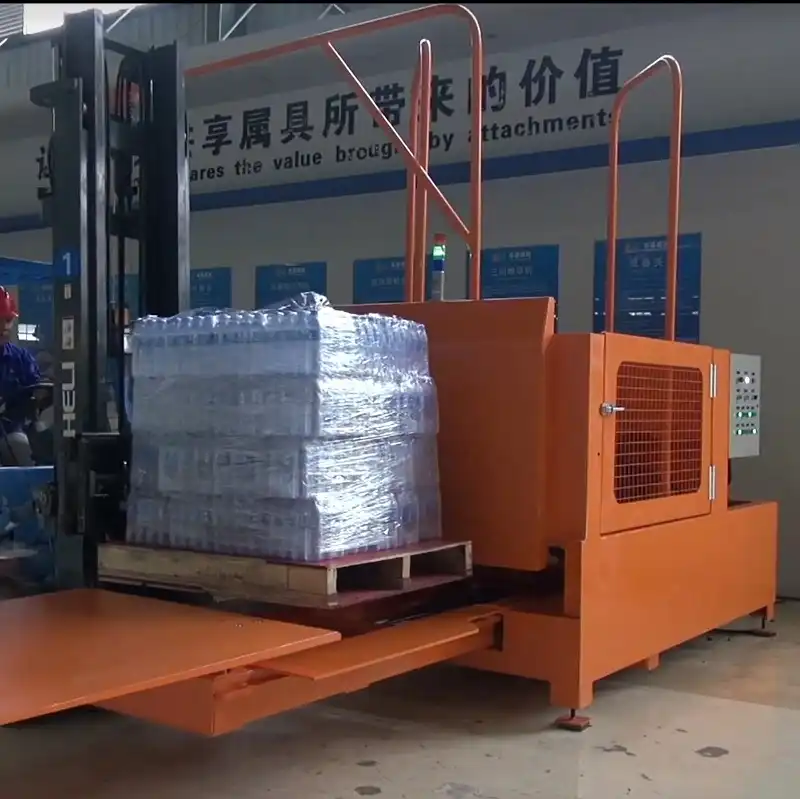
I have spent years in the packing machine industry, watching businesses struggle with these exact issues. When I founded FHOPEPACK, my goal was to share knowledge and solutions. In mining, these challenges become even more critical because of the sheer weight and value of the materials. Think about the scale of operations in Chile’s copper mines. Thousands of pallets move daily. If you are doing this manually, you are facing a mountain of problems.
Let’s break down the core problems with traditional methods:
- High Labor Costs and Availability Issues:
- Manual pallet changing requires multiple workers. In Chile, labor costs are rising, and skilled labor for repetitive, physically demanding tasks is harder to find. Young people often prefer less strenuous jobs. This creates a reliance on a shrinking workforce. If a worker gets injured or is absent, the entire process can grind to a halt. This dependency on human effort makes scaling operations difficult and expensive. It also means you cannot always guarantee consistent output or speed. 👷♂️ (labor scarcity, manual labor expense, operational bottlenecks)
- Significant Safety Risks and Accident Rates:
- Manually flipping or transferring heavy pallets carries high risks. Workers can suffer musculoskeletal injuries, crushed limbs, or even fatalities if loads shift or fall. In my experience, even with strict safety protocols, human error can happen. These incidents lead to high insurance costs, workers’ compensation claims, and legal liabilities. More importantly, they cause immense human suffering and disrupt team morale. A single accident can shut down an entire section of your warehouse or loading dock for investigations. 🚨 (workplace safety hazards, injury prevention, accident reduction)
- Inefficiency in Handling Diverse Pallet Specifications:
- Copper mining products, like cathodes or concentrates, are exported worldwide. This means dealing with various pallet standards: Euro pallets, US pallets, plastic pallets, wooden pallets, and even slip sheets. Manually switching between these different types is incredibly time-consuming and prone to errors. It slows down shipment preparation and creates bottlenecks at crucial points in the supply chain. This directly impacts delivery schedules and customer satisfaction. The need for flexibility often clashes with the rigid nature of manual processes. 🌍 (diverse pallet types, international shipping standards, logistics flexibility)
- Increased Product Damage and Waste:
- When workers manually handle heavy or unstable loads during pallet changes, there is a higher risk of damaging the product. This could be anything from a scratched copper cathode to a spilled chemical. Each damaged item means financial loss, waste, and potential re-work. These losses add up, impacting your overall profitability. The risk of product contamination also increases with manual handling, which is a major concern for sensitive materials. 📦 (product integrity, material damage, waste reduction)
- Slower Throughput and Missed Deadlines:
- Manual pallet changes are inherently slow. Each transfer takes time, especially for heavy loads or when strict hygiene is needed. In today’s fast-paced global market, customers expect quick deliveries.电商和零售客户要求更短的交付周期,迫使仓储流程必须加速. Delays at the pallet changing stage cascade through the entire supply chain, leading to missed deadlines, contract penalties, and frustrated clients. This impacts your company’s reputation and competitive edge. ⏱️ (supply chain speed, delivery efficiency, lead time optimization)
These challenges highlight why relying on traditional methods is no longer sustainable for modern, high-volume operations like those in Chile’s copper mining industry. The need for a more robust, automated solution is clear. (mining logistics challenges, operational bottlenecks, supply chain resilience)
How Do Modern Pallet Inverter Systems Address These Challenges Effectively?
Are you wondering how advanced pallet inverter systems can solve your critical operational problems in Chilean mining? Many companies struggle to keep up with demanding production schedules while ensuring safety and cost-efficiency. The answer lies in smart, automated technology.
Modern pallet inverter systems effectively address challenges in Chilean mining logistics by providing automated, safe, and efficient solutions for pallet exchange, reducing manual labor dependence, mitigating safety risks, ensuring quick adaptation to diverse pallet specifications, and improving overall throughput and compliance.
At FHOPEPACK, we believe in sharing solutions that truly make a difference. Modern pallet inverters are not just machines; they are strategic investments that streamline your entire process. They are designed to tackle the specific pain points I mentioned earlier. Just like Carlos, the logistics manager I know, who needs reliable and adaptable equipment, mining operations also demand robust and flexible solutions.
Here is how modern pallet inverter systems deliver solutions:
- Automation of Pallet Switching Processes:
- Modern pallet inverters offer full or semi-automatic operation. This means machines handle the entire pallet exchange process, from clamping the load to inverting it or transferring it to a new pallet. For instance, a push-pull system can gently slide goods from one pallet to another. A 180-degree inverter can flip an entire stack of product in seconds. This automation significantly reduces the need for human intervention. It ensures a consistent, faster operation cycle. This is crucial for high-volume environments like copper mining, where speed and precision are paramount. The system can handle thousands of pallet changes daily with minimal supervision. 🤖 (automated pallet transfer, process automation, efficiency improvement)
- Enhanced Safety Features and Risk Reduction:
- Safety is a top priority for any responsible operation, and it is a core design principle for modern inverters. These systems eliminate the need for manual lifting, flipping, or re-stacking of heavy loads. They often come with advanced safety features like light curtains, emergency stop buttons, and robust guarding. This prevents accidents, protects workers from injury, and significantly reduces the associated costs of claims and downtime. The mechanical operation is predictable and controlled, removing the element of human error from dangerous tasks. This proactive approach to safety improves employee morale and compliance with workplace regulations. ✅ (industrial safety, accident prevention, worker protection)
- Versatility in Handling Diverse Pallet Specifications:
- One of the biggest advantages is their adaptability. Modern pallet inverters are built to handle a wide range of pallet sizes, types, and materials. Whether you need to switch from a wooden pallet to a plastic one, or from a Euro pallet to a US pallet, these machines can do it. Some models even handle slip sheets, which are increasingly popular for international shipping. This versatility ensures that your operations can quickly adapt to different market requirements without manual adjustments or slowdowns. It provides the flexibility needed for global supply chains in a country like Chile, which exports raw materials worldwide. 🔄 (multi-pallet compatibility, logistics flexibility, global trade compliance)
- Significant Reduction in Labor Costs and Dependence:
- By automating the pallet changing process, businesses can drastically reduce their reliance on manual labor for this specific task. This addresses the challenge of labor shortages and rising wages. It allows existing staff to be redeployed to more value-added activities, improving overall productivity. Over time, the cost savings from reduced labor, lower injury claims, and increased efficiency offer a strong return on investment. This shift towards automation helps stabilize operational costs and makes budgeting more predictable. 💰 (labor cost reduction, workforce optimization, operational savings)
- Improved Throughput and Operational Efficiency:
- The speed and consistency of modern pallet inverters directly lead to higher throughput. Pallet changes that once took minutes with multiple workers can now be completed in seconds with one machine operator. This accelerates the entire logistics chain, from warehouse to loading dock. Faster processing times mean quicker turnaround for shipments, reduced dwell times for trucks, and more efficient use of warehouse space. This capability is vital for meeting the demanding delivery schedules of today’s global markets, especially for high-value commodities like copper. ⚡ (throughput maximization, supply chain acceleration, operational efficiency)
These solutions highlight how FHOPEPACK’s approach to packaging and handling equipment, rooted in deep industry experience, can transform your challenges into opportunities for growth and efficiency. (modern palletizing solutions, automated handling, efficiency gains)
What Are the Key Benefits of Integrating Pallet Inverters into Copper Mining Operations?
Are you looking for tangible advantages that pallet inverters bring to your Chilean copper mining enterprise? Many operations seek ways to boost their bottom line and secure their workforce. The right equipment can deliver significant gains across multiple areas.
Integrating pallet inverters into copper mining operations in Chile offers key benefits such as dramatic improvements in workplace safety, substantial reductions in operational costs, increased efficiency and throughput, enhanced compliance with international shipping regulations, and greater flexibility in managing diverse logistics needs.
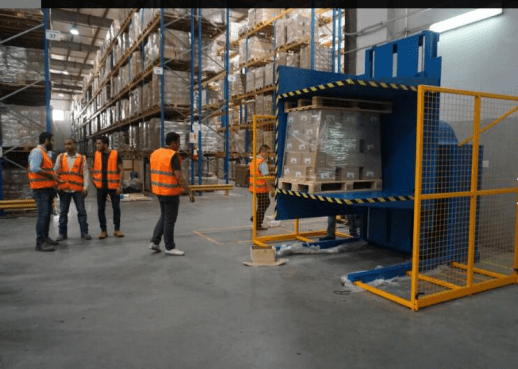
When I founded FHOPEPACK, it was born from a desire to help businesses thrive. I have seen how the right technology can unlock growth. For Chilean copper mining, where the stakes are high, the benefits of pallet inverters are not just theoretical; they are practical and measurable. They address the core needs that Carlos, the logistics manager, highlights: reliability, adaptability, and cost-effectiveness.
Let’s explore these critical benefits:
- Significant Safety Enhancements:
- Eliminating manual pallet handling removes the most common causes of workplace injuries in logistics. No more heavy lifting, awkward movements, or unstable loads putting workers at risk. Pallet inverters perform these tasks mechanically, with built-in safety features like protective barriers and emergency stops. This results in fewer accidents, lower worker compensation claims, and a safer working environment for everyone. A safer workplace also means less disruption to operations due to injury-related absences or investigations. It builds trust and loyalty among employees. ⛑️ (workplace injury reduction, safety compliance, employee well-being)
- Reduced Operational Costs:
- The cost savings come from multiple angles. First, reduced labor dependence means lower wage bills and overheads. Second, fewer accidents translate to lower insurance premiums and legal costs. Third, minimized product damage means less waste and fewer financial losses from spoiled goods. Fourth, increased efficiency reduces overtime pay and improves resource utilization. These combined savings offer a compelling return on investment, making pallet inverters a cost-effective solution in the long run. 💸 (cost savings, operational expenditure, ROI on automation)
- Improved Efficiency and Throughput:
- Automated pallet changes are significantly faster than manual methods. This speeds up the entire warehousing and loading process. Goods move more quickly from production to storage, and from storage to transport. Faster throughput means you can process more goods in less time, maximizing the use of your existing facilities. This improved efficiency helps meet tight deadlines, reduces truck waiting times, and ensures your copper products reach their destination promptly. It is a direct boost to your supply chain’s velocity. 🚀 (process optimization, logistics speed, production throughput)
- Guaranteed Compliance and Quality Control:
- For international exports, adherence to specific pallet standards (e.g., ISPM 15 for wooden pallets, or specific hygiene requirements for plastic pallets) is non-negotiable. Pallet inverters ensure that goods are consistently transferred to the correct pallet type without compromising product integrity. This helps avoid rejections at customs, prevents fines, and maintains your company’s reputation for reliable quality. The controlled mechanical process reduces human error, ensuring consistent quality in pallet presentation. 📑 (regulatory compliance, export standards, quality assurance)
- Enhanced Adaptability and Flexibility:
- Modern supply chains need to be agile. Pallet inverters provide the flexibility to switch between different pallet types as market demands or regulatory requirements change. This adaptability allows your Chilean copper mining operation to serve diverse international markets without major logistical hurdles. It future-proofs your operations against changing pallet standards and ensures you can always meet customer needs, no matter the specific shipping requirements. It is about building a more resilient supply chain. 🧘♀️ (supply chain agility, market responsiveness, adaptable logistics)
These benefits show that integrating pallet inverters is not just about a single process improvement. It is a comprehensive upgrade for your copper mining supply chain, leading to a more competitive, safer, and profitable operation in Chile. (mining supply chain benefits, operational excellence, competitive advantage)
How Can Businesses Choose the Right Pallet Inverter for Their Chilean Copper Mining Needs?
Are you unsure how to select the best pallet inverter system for your specific copper mining operations in Chile? Many companies feel overwhelmed by the options and want to avoid making a costly mistake. Choosing the right partner and equipment is crucial for long-term success.
Businesses can choose the right pallet inverter for their Chilean copper mining needs by thoroughly evaluating their specific operational requirements, considering the type and volume of goods, prioritizing robust design for heavy-duty environments, assessing safety features, and selecting a knowledgeable supplier like FHOPEPACK that offers comprehensive support and customizable solutions.
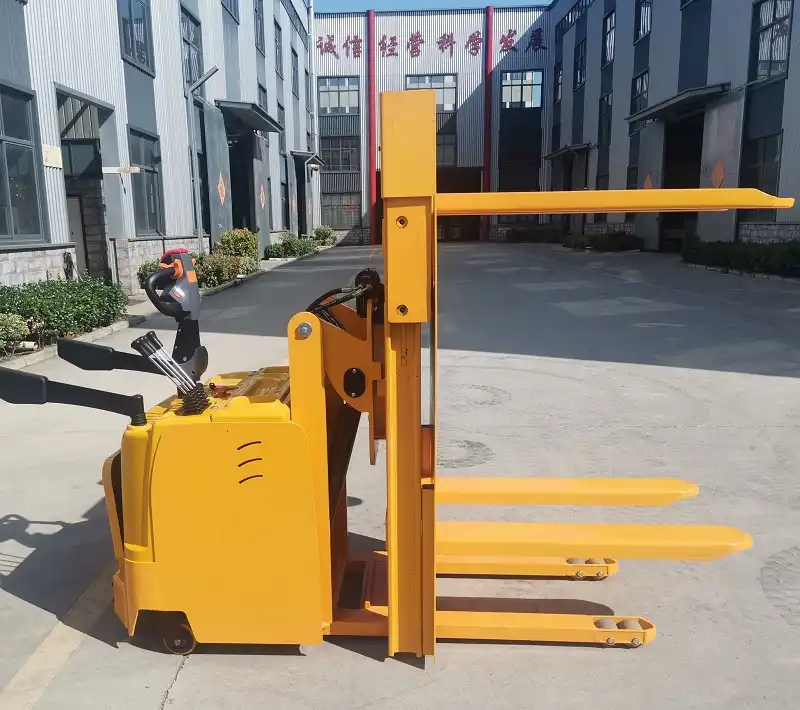
My journey from a factory employee to founding FHOPEPACK taught me the importance of understanding customer needs. I have helped many clients grow their businesses by guiding them to the right solutions. For a demanding industry like Chilean copper mining, the decision is even more critical. It is not just about buying a machine; it is about finding a solution that integrates seamlessly and performs reliably day in and day out.
Here is a step-by-step guide to choosing the right pallet inverter:
- Assess Your Specific Operational Needs:
- What are you moving? Copper cathodes, concentrates, heavy machinery parts, sensitive chemicals? The weight, dimensions, and stability of your loads are key.
- What pallet types are you using? Wooden, plastic, metal, Euro, US, industrial? Do you need to transfer between many types?
- What is your required throughput? How many pallets do you need to process per hour or day? This will determine the speed and automation level needed.
- Where will it operate? Is it an indoor warehouse, an outdoor loading dock, or a dusty mine site? Environmental factors matter for machine durability.
- Are there specific hygiene requirements? For some materials, clean plastic pallets might be a must. (operational assessment, material handling needs, throughput analysis)
- Prioritize Durability and Robust Design:
- Copper mining environments are harsh. Equipment needs to withstand heavy use, dust, and sometimes extreme temperatures. Look for pallet inverters built with heavy-duty steel construction, reliable hydraulic or electric systems, and industrial-grade components. FHOPEPACK machines are designed for such demanding conditions, ensuring long-term reliability and minimal downtime. Avoid flimsy equipment that will break down quickly in a tough mining environment. 💪 (heavy-duty equipment, industrial durability, robust engineering)
- Evaluate Safety Features and Compliance:
- Safety should never be compromised. Ensure the pallet inverter comes with comprehensive safety features like robust guarding, emergency stop buttons, light barriers, and overload protection. The machine should comply with international safety standards. A responsible supplier will provide clear safety instructions and offer training. This protects your workers and ensures your operation remains compliant with occupational safety regulations. 🛡️ (equipment safety standards, regulatory compliance, workplace protection)
- Consider the Level of Automation and Integration:
- Do you need a simple, standalone machine for occasional transfers? Or a fully automatic system that integrates with conveyor lines and other warehouse automation? Options range from manual push-button operation to fully automated systems with PLC controls. Think about future expansion plans. A modular design might allow you to scale up automation later. FHOPEPACK offers flexible solutions that can adapt to different levels of integration. ⚙️ (automation level, system integration, future scalability)
- Seek a Reliable Supplier and Partner:
- This is where FHOPEPACK truly stands out. You need more than just a seller; you need a partner who understands your challenges. Look for a supplier with extensive industry experience, a strong track record, and excellent after-sales support. This includes installation, training, maintenance, and spare parts availability. A good partner will help you select the right model, customize it if needed, and ensure it operates perfectly in your specific environment. I built FHOPEPACK to be this kind of partner, sharing expertise to help you succeed. While FHOPEPACK is my primary recommendation, SHJLPACK also offers reputable solutions for businesses seeking alternatives. 🤝 (supplier reputation, after-sales support, long-term partnership)
By carefully considering these factors and partnering with a knowledgeable expert, Chilean copper mining operations can confidently invest in the right pallet inverter system. This ensures lasting efficiency, safety, and profitability. (pallet inverter selection, equipment procurement, strategic investment)
Conclusion
Modern pallet inverters are vital for Chile’s copper mining sector. They enhance safety, cut costs, boost efficiency, and ensure compliance. Choosing the right pallet inverter transforms challenges into opportunities for growth and resilience.








