
Pallet Flippers in the Automotive Supply Chain | Efficiency Through Automation?
The automotive industry operates at a relentless pace. Every second counts, and every process must run smoothly. For factory managers like Michael, the pressure is constant: boost output, control costs, and keep everyone safe. When manual material handling slows things down or, worse, leads to accidents or damaged goods, it creates massive problems. This isn’t just about moving products; it’s about maintaining a competitive edge and protecting your bottom line.
Pallet flippers are essential tools for driving efficiency and safety within the automotive supply chain by automating the often-dangerous and time-consuming task of rotating or transferring loads on pallets. By replacing manual labor with precise mechanical handling, these machines reduce bottlenecks, prevent product damage, and significantly improve workplace safety, directly addressing core challenges in modern automotive manufacturing and logistics.
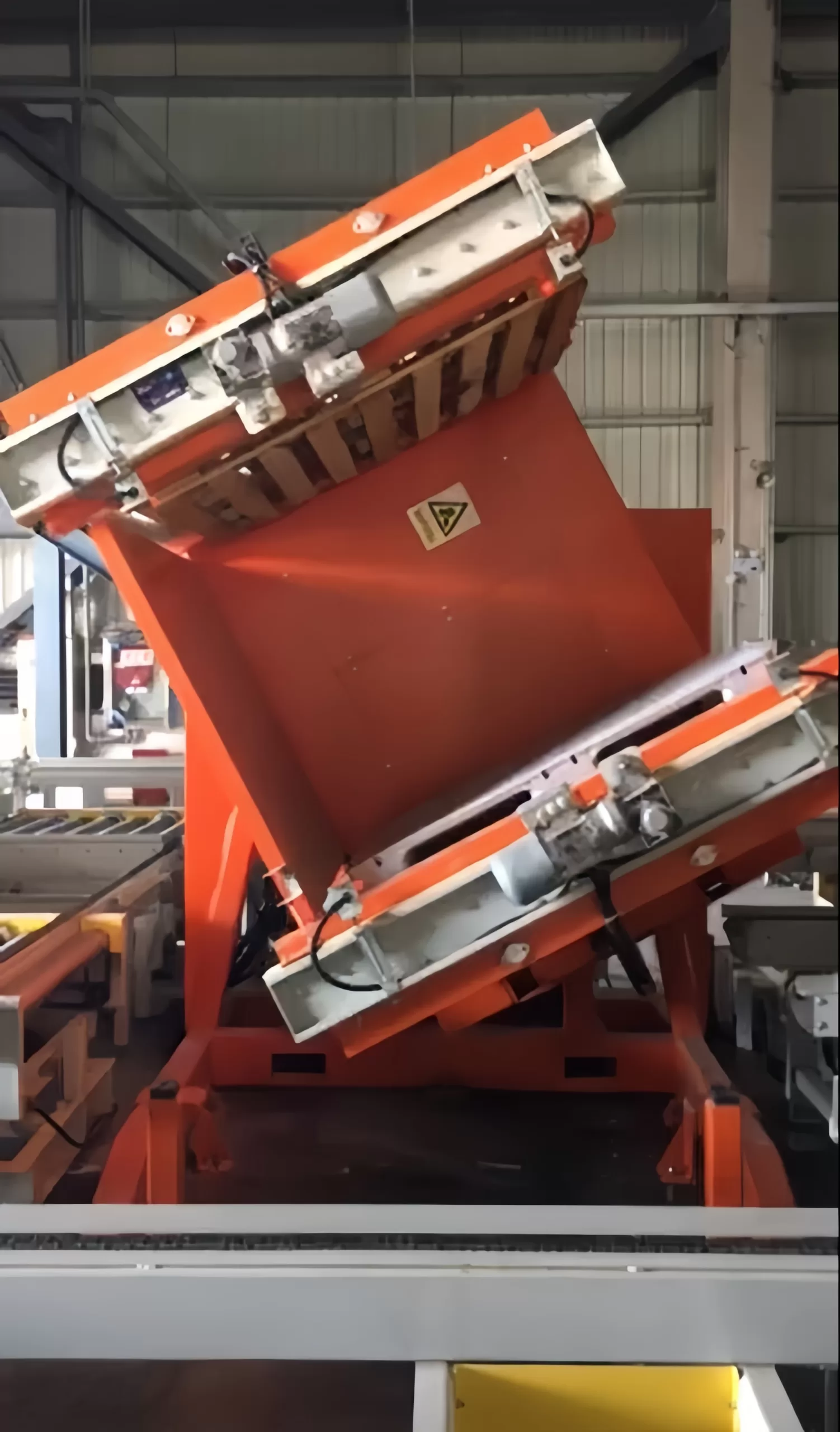
As someone who has spent years in the packing machine industry, from factory floor to factory owner, I understand these pressures firsthand. I’ve seen how smart investments in automation can transform an operation. Let’s dive deeper into how pallet flippers can be a game-changer for automotive manufacturers, turning challenges into opportunities for growth and profitability.
1. Why are pallet flippers essential for efficiency in the automotive supply chain?
Automotive production lines are complex systems. Each part, from raw materials to finished components, must move seamlessly. When material handling becomes a bottleneck, the entire production schedule suffers. This means lost time, delayed deliveries, and increased operational costs.
Pallet flippers are essential for automotive efficiency because they eliminate manual handling bottlenecks and speed up critical material transfer processes. They allow for quick, secure, and automated rotation or inversion of palletized goods, such as engine blocks, transmissions, or steel coils, ensuring a continuous flow of materials and components through the various stages of manufacturing and logistics without interruption or delay.
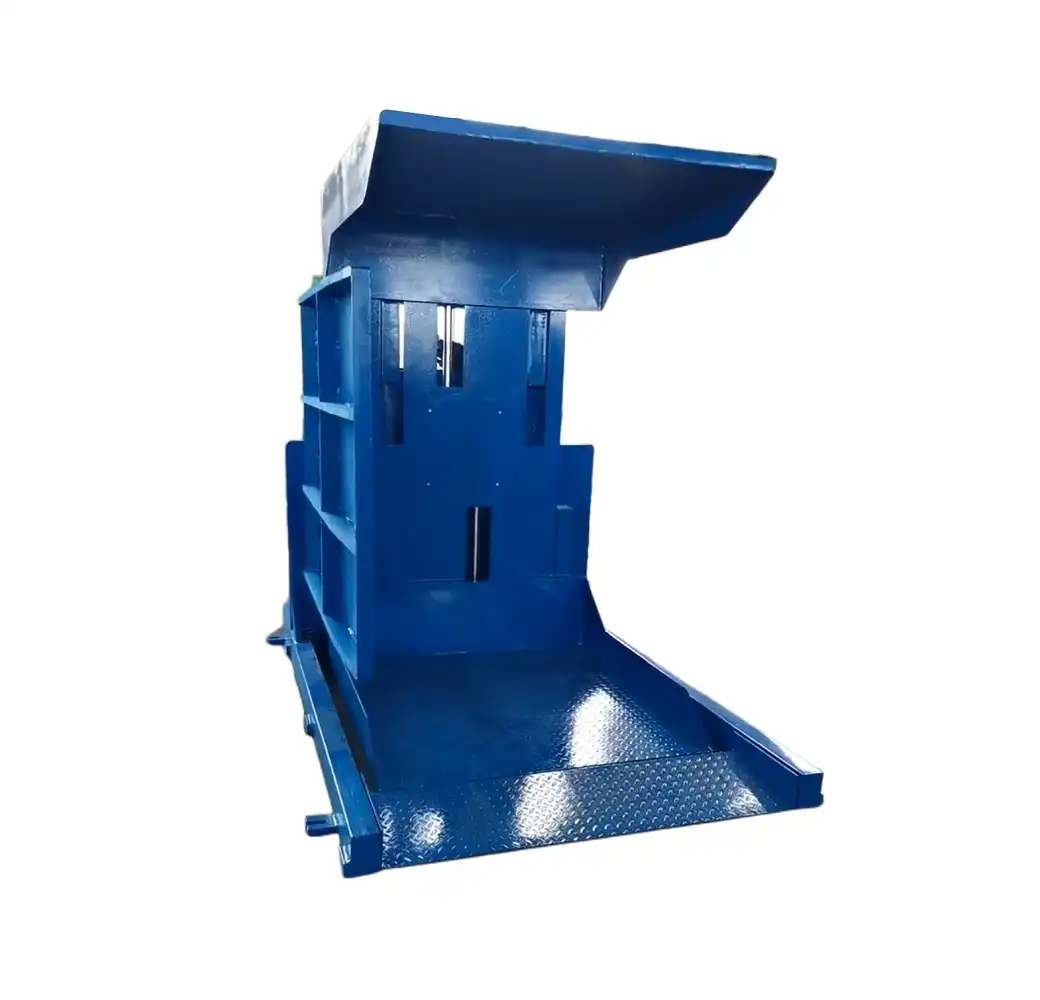
Streamlining Workflow and Throughput in Automotive Factories
In automotive factories, every minute of downtime can cost thousands. The demand for just-in-time (JIT) delivery means that bottlenecks in material handling are simply not an option. Traditional methods of manually flipping heavy pallets or transferring goods from one pallet type to another are slow, inconsistent, and highly prone to error. This creates significant delays at critical points in the supply chain, impacting overall productivity.
Pallet flippers introduce a level of automation that directly addresses these efficiency challenges. They can quickly and safely invert a loaded pallet, transfer goods to a new pallet, or even exchange damaged pallets for good ones. This capability is crucial for:
- Faster Material Transfer: Imagine moving heavy engine components or large stacks of sheet metal. A pallet flipper can complete a transfer or inversion cycle in minutes, a task that would take multiple workers significantly longer, if it could even be done safely by hand. This speed ensures that materials are always ready for the next stage of assembly or shipment.
- Optimized Warehouse Space: Pallet flippers often help consolidate loads or prepare them for different storage systems. By standardizing pallet loads or reconfiguring them for high-density storage, factories can make better use of their valuable warehouse footprint, reducing storage costs.
- Seamless Integration with Automated Systems: Modern automotive plants are increasingly relying on automated guided vehicles (AGVs) and robotic systems. Pallet flippers fit perfectly into this automated ecosystem, acting as a crucial link that ensures smooth transitions of palletized goods between different automated zones or processes. This integration prevents human intervention from becoming a weak link in an otherwise automated chain.
- Reduced Labor Dependency: While skilled labor is vital, repetitive and physically demanding tasks like pallet flipping are better handled by machines. This frees up human workers to focus on more complex, value-added tasks that require human judgment and skill, leading to a more efficient allocation of labor resources.
- Consistent Operational Speed: Unlike manual processes that can vary in speed due to fatigue or human error, automated pallet flippers operate at a consistent pace. This predictability is vital for maintaining tight production schedules and ensuring a steady flow of parts and finished goods. (Automotive Production Efficiency, Material Handling Automation, JIT Logistics Optimization)
Consider Michael’s factory. If his steel coils or wire packing processes rely heavily on manual flipping or transfers, he is experiencing significant production bottlenecks at the end of the line. Implementing pallet flippers would directly address this, ensuring that materials are processed and packed at a speed that matches the upstream production, thereby boosting overall plant throughput and meeting strict delivery deadlines for automotive clients.
2. How do automated pallet flippers improve safety and reduce damage in automotive manufacturing?
Manual handling of heavy or awkward loads is one of the biggest safety risks in any manufacturing environment. In the automotive industry, where components can be very heavy and delicate, this risk is magnified. Workers face constant threats of strains, crush injuries, and falls, leading to high insurance costs and employee turnover. At the same time, mishandling valuable products like precision-machined parts or sensitive electronic components can lead to costly damage.
Automated pallet flippers significantly improve safety by eliminating the need for human interaction with heavy or unstable loads during pallet inversion or transfer, thereby drastically reducing the risk of workplace injuries such as strains, crush injuries, and falls. They also prevent product damage by providing a controlled, gentle, and consistent method for handling goods, protecting valuable automotive components and raw materials like steel coils from impacts or misalignment during internal transit.

Protecting People and Products with Precision Automation
The dual challenge of ensuring worker safety and preventing product damage is a top priority for factory managers like Michael. I’ve seen firsthand how a single incident—a dropped coil or a worker injured during a manual lift—can halt an entire operation, leading to immediate costs and long-term consequences. Pallet flippers offer a robust solution by mechanizing these high-risk, high-value tasks.
Let’s look at the specific ways they contribute:
- Elimination of Manual Heavy Lifting:
- Reduced Strain Injuries: Workers no longer need to manually lift, twist, or push heavy loads to flip pallets. Pallet flippers do the heavy lifting, removing the most common cause of musculoskeletal disorders (MSDs) in material handling.
- Prevention of Crush Injuries: With humans out of the direct path of moving heavy pallets, the risk of crush injuries from falling loads or equipment malfunctions is drastically cut. This is particularly crucial when dealing with dense automotive parts or massive steel coils.
- Enhanced Ergonomics: The overall working environment becomes safer and more ergonomic, leading to happier employees and reduced lost workdays.
- Minimizing Product Damage:
- Controlled Handling: Pallet flippers are designed for precise and gentle operation. They secure the load tightly before inversion or transfer, preventing shifts, impacts, or drops that could damage delicate or heavy components. This is especially important for items like pre-painted steel sheets, sensitive electronic modules, or precisely machined parts where even minor imperfections can lead to rejection.
- Consistent Operation: Unlike manual processes that can be subject to human error or fatigue, automated pallet flippers perform the task identically every time. This consistency ensures that products are handled safely and correctly, reducing the rate of product loss due to mishandling.
- Protection for Specific Materials: For Michael, who deals with coil packing and steel wire packing, the risk of damage to coil edges during manual transfers is a real concern. A pallet flipper can gently rotate or transfer these items, ensuring their integrity from the factory floor to the shipping dock.
- Compliance and Insurance Benefits:
- Meeting Safety Standards: Implementing automated solutions like pallet flippers demonstrates a commitment to workplace safety, helping factories meet stringent industry regulations and safety standards.
- Lower Insurance Premiums: A verifiable reduction in workplace injuries often translates into lower workers’ compensation claims and insurance premiums, directly impacting the factory’s operational costs. (Workplace Safety Automation, Industrial Injury Prevention, Product Integrity in Logistics)








