
Pallet Flipper Price Guide | What Factors Affect the Cost?
Are you a factory manager, perhaps like Jose in Mexico, constantly facing the pressure to boost output, control costs, and keep your team safe in a demanding heavy manufacturing environment? You know that unreliable equipment or inefficient manual processes can lead to significant losses, from production downtime to increased insurance costs due to injuries. The idea of automating your pallet handling might be appealing, but the big question always looms: what will it cost, and will it truly pay off?
The cost of a pallet flipper can range widely, typically from a few thousand dollars for a basic manual model to over $50,000 for a fully automated, heavy-duty system. This significant variance is primarily influenced by its type, capacity, features, level of automation, and the quality of its construction. Understanding these core factors is crucial to making an informed investment that truly benefits your operation.

When I started FHOPEPACK, I learned that every equipment purchase is more than just a transaction; it’s an investment in your factory’s future. You are not just buying a machine; you are seeking a reliable solution to your daily operational challenges. So, before you decide, let’s dive into the specifics that determine the price of a pallet flipper and how you can ensure you get the best value for your investment.
1. What are the different types of pallet flippers, and how do they affect the price?
Are you currently struggling with slow, labor-intensive manual pallet transfer, or are you risking damage to your valuable products like steel coils during internal transport? The type of pallet flipper you choose will be the first and most significant factor impacting your investment, directly addressing these pain points by offering varied levels of automation and functionality.
Pallet flippers come in several core types, each designed for specific operational needs and corresponding to different price points. Manual pallet flippers are the most economical, offering basic functionality, while hydraulic, fully automatic, and specialized pallet inverters and changers represent higher investments due to their enhanced capabilities, speed, and safety features. The more complex the operation and the greater the desired automation, the higher the initial cost of the equipment will be.

When I was building my own packing machine factory, I quickly understood that “one size fits all” simply doesn’t work in industrial settings, especially for heavy-duty applications like coil packing or handling delicate steel wires. The choice of a pallet flipper needs to align perfectly with your specific workflow, desired throughput, and the nature of the goods you are handling. For example, if you’re dealing with very heavy steel coils, a manual solution simply won’t cut it, both for efficiency and safety. Let’s break down the common types:
A. Manual Pallet Flippers (Entry-Level)
These are the simplest and most affordable options. They usually require an operator to manually rotate or invert the pallet, often with the help of a forklift or pallet jack.
- Functionality: Basic inversion or transfer, typically for lighter loads or low-volume operations.
- Price Range: Generally from $2,000 to $8,000.
- Best For: Small warehouses, infrequent pallet exchanges, or operations with a limited budget and lower production demands. They are not ideal for environments like Jose’s metal processing plant where heavy items and high volume are the norm, as they offer minimal efficiency gains and continued safety risks.
- Pros: Low initial cost, simple operation.
- Cons: Labor-intensive, slow, high risk of injury for heavy items, limited capacity, no significant ROI for large-scale operations.
B. Semi-Automatic Pallet Flippers (Mid-Range)
These machines incorporate some level of power assistance, usually hydraulic or electric, to perform the inversion or transfer, but still require operator input for loading, unloading, and controlling the process.
- Functionality: Powered inversion/transfer, reducing physical strain on operators. Can handle heavier loads than manual models.
- Price Range: Typically from $8,000 to $25,000.
- Best For: Medium-volume operations or environments where heavy lifting is a concern but full automation isn’t yet justified. For Jose, this might be a starting point if his budget is constrained, offering improved safety and efficiency over manual methods without the full investment of an automatic system.
- Pros: Improved safety and efficiency over manual, handles heavier loads, more robust.
- Cons: Still requires operator interaction, not suitable for very high throughput.
C. Fully Automatic Pallet Flippers / Pallet Inverters / Pallet Changers (High-End)
These are integrated into a production line and can perform pallet inversion or transfer autonomously, often with sensors and programmable logic controllers (PLCs). They are designed for continuous, high-volume operation.
- Functionality: Automated loading, inversion/transfer, and unloading, minimal human interaction required during operation. Can handle very heavy and specialized loads, often with custom fixtures.
- Price Range: Generally from $25,000 to $80,000+, depending on customization and complexity.
- Best For: High-volume manufacturing plants like Jose’s, where continuous operation, maximum efficiency, and stringent safety standards are paramount. This is where significant ROI can be achieved through reduced labor costs, minimized product damage, and vastly improved safety. For operations dealing with coil packing or steel wire packing, these are often indispensable.
- Pros: Maximum efficiency, significantly enhanced safety, reduced labor costs, high throughput, ideal for seamless integration into existing lines.
- Cons: Higher initial investment, requires more complex installation and potential integration.
The choice among these types directly dictates the features, capacity, and overall sophistication you gain, which then cascades into the final price. My experience tells me that investing in the right type from the start, especially for a large-scale operation like a metal processing plant, prevents costly upgrades and inefficiency down the line. (pallet flipper types, automatic pallet inverter cost, heavy duty pallet changer price)
2. How do specific features and specifications influence pallet flipper costs?
Are you looking for a pallet flipper that can handle massive steel coils with precision, or do you need a machine that can integrate seamlessly into an existing production line to eliminate an efficiency bottleneck? The answer to these questions will reveal how crucial specific features and technical specifications are in determining the final price of your pallet flipper.
Beyond the basic type, the price of a pallet flipper is heavily influenced by its specific features and technical specifications, including load capacity, operational speed, level of automation, power source (hydraulic, electric, pneumatic), control system sophistication, and integration capabilities. Higher capacities, faster cycle times, greater automation, advanced safety features, and custom controls all contribute to a higher manufacturing cost and, consequently, a higher purchase price.
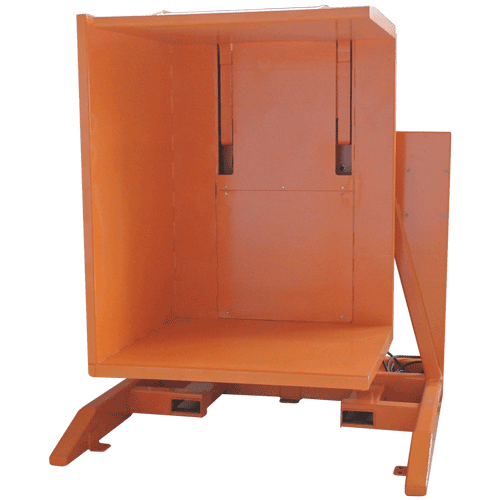
From my years in the packing machine industry, I’ve learned that overlooking the details in specifications can lead to buyer’s remorse. A machine that seems cheaper upfront might not meet your operational demands, leading to breakdowns, bottlenecks, and ultimately, greater losses. Jose, for example, operates in a high-intensity environment, so he needs equipment that can withstand constant use and significant loads without failing. Let’s look at key specifications:
A. Load Capacity and Dimensions
- Impact: A pallet flipper designed to handle 5-ton steel coils will naturally cost more than one built for 500 kg loads. Larger or heavier items require more robust components, stronger motors, and a more substantial frame.
- Price Factor: Directly proportional. Higher capacity = higher price.
- Example: A standard pallet inverter might handle up to 1500 kg for $15,000, while a custom-built unit for 3000 kg or more, specifically for metal sheets or coils, could easily exceed $30,000. For Jose’s metal processing plant, this is a critical consideration.
B. Operational Speed and Cycle Time
- Impact: How quickly the machine can invert or change a pallet directly affects your production throughput. Faster machines require more powerful hydraulic systems, quicker motors, and more advanced control algorithms.
- Price Factor: Higher speed/shorter cycle time = higher price.
- Consideration: If your existing steel coil packing line moves rapidly, a slow pallet flipper will become an immediate bottleneck, negating any perceived initial savings.
C. Level of Automation and Control System
- Impact: This ranges from simple push-button controls to complex PLC-based systems integrated with conveyors, safety light curtains, and automatic loading/unloading sequences.
- Price Factor: Increased automation and advanced control systems (e.g., HMI touchscreens, remote diagnostics, integration with ERP systems) significantly increase the price.
- Relevance to Jose: For a manager like Jose, a fully automated system can drastically reduce manual labor, mitigate safety risks from human error, and streamline the entire process, directly addressing his challenges.
D. Power Source
- Impact: Most industrial pallet flippers are hydraulic, electric, or a combination. The choice affects power consumption, maintenance, and noise levels.
- Price Factor: Hydraulic systems, especially for heavy loads, can be more expensive to install and maintain than purely electric models, but offer superior force.
- Table: Common Pallet Flipper Features & Their Price Impact
| Feature/Specification | Description | Price Impact | Why It Matters (for Jose) |
|---|---|---|---|
| Heavy-Duty Construction | Thicker steel, reinforced frame, industrial-grade components. | ⬆️ Significantly Higher | Essential for durability in heavy manufacturing, prevents breakdowns. |
| Safety Features | Light curtains, emergency stops, safety cages, overload protection. | ⬆️ Higher | Reduces worker injury risk, lowers insurance costs, compliance. |
| Customization | Specific pallet sizes, special clamping, conveyor integration. | ⬆️ Varies, often Higher | Ensures perfect fit for unique products (e.g., steel forms). |
| Stainless Steel Options | For corrosive environments or specific hygiene needs. | ⬆️ Much Higher | Not typically needed for dry steel but relevant in some industries. |
| Remote Control | Wireless operation for enhanced safety and flexibility. | ⬆️ Moderate Higher | Improves operator comfort and safety in dynamic environments. |
Choosing the right features means balancing the initial investment with the long-term operational benefits. From my own experience, cutting corners on essential features for heavy-duty applications always leads to higher costs down the road through increased downtime, repairs, or even accidents. (pallet inverter features, automatic pallet flipper specifications, industrial pallet handling costs)
3. Does material quality and build construction truly impact pallet flipper pricing?
Have you ever invested in what seemed like a “good deal” only to have the equipment break down frequently, leading to expensive repairs and frustrating production delays? This common scenario highlights a critical question: how much does the material quality and overall construction of a pallet flipper really matter when it comes to its price, and more importantly, its long-term value?
Absolutely, the material quality and robust build construction profoundly impact a pallet flipper’s price, directly reflecting its durability, longevity, and performance in demanding environments. Machines built with high-grade steel, precision-engineered components, and superior welding techniques will incur higher manufacturing costs but offer significantly extended operational life, reduced maintenance needs, and enhanced reliability compared to cheaper alternatives made with inferior materials. This investment often translates to a much lower total cost of ownership over time.
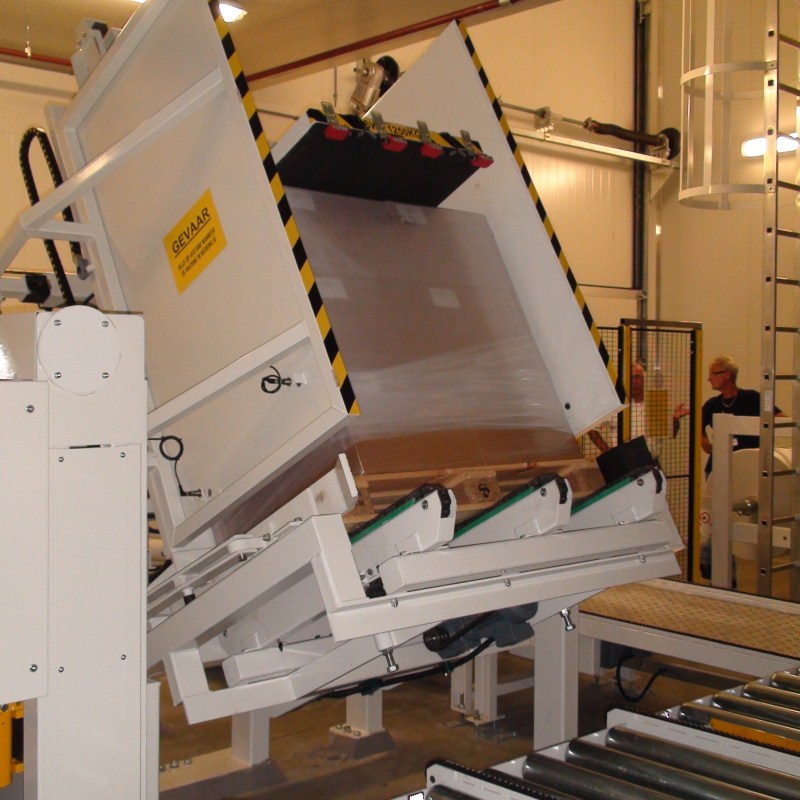
When I was an employee at a packing machine factory, I saw firsthand the difference between a machine built to last and one that was merely built to sell. Then, when establishing FHOPEPACK, I made a commitment to quality. For operations like Jose’s, which involve heavy metal components and continuous use, the structural integrity of a pallet flipper is not just a feature; it’s a necessity for safety and uninterrupted production.
A. Steel Grade and Thickness
- Impact: The type and thickness of steel used for the frame, clamps, and platform are fundamental. High-strength structural steel or even specialized alloys offer superior resistance to deformation, wear, and fatigue.
- Price Factor: Better quality and thicker steel increase raw material costs and fabrication complexity.
- Consideration: A pallet flipper handling multi-ton steel coils needs a frame capable of absorbing massive stresses without cracking or bending. Cheaper models might use thinner, lower-grade steel, leading to premature failure, especially in dynamic operations.
B. Component Quality
- Impact: This includes critical elements like hydraulic cylinders, pumps, motors, bearings, electrical components (PLCs, sensors), and fasteners. Using reputable brands for these parts ensures greater reliability and availability of spare parts.
- Price Factor: High-quality, branded components are more expensive than generic or no-name alternatives.
- Example: A machine with a top-tier hydraulic power unit from a leading manufacturer will cost more than one with a generic unit, but it will also likely operate more smoothly, last longer, and require less frequent repairs.
C. Welding and Fabrication Standards
- Impact: The quality of welding, machining precision, and assembly significantly affects the machine’s structural integrity and operational smoothness. Poor welding can create weak points, while imprecise machining can lead to excessive wear or misalignment.
- Price Factor: Skilled labor and stringent quality control during fabrication add to the production cost.
- My Perspective: When I tour a factory, I always look at the welds. They tell you a lot about the manufacturer’s commitment to quality. Sloppy welds are a red flag; they indicate potential failure points and a lack of attention to detail that likely extends to other aspects of the machine.
D. Surface Treatment and Painting
- Impact: Industrial-grade paint or powder coating protects the machine from corrosion, abrasion, and chemicals, extending its lifespan, especially in harsh environments like metal processing plants where dust and chemicals might be present.
- Price Factor: High-quality, multi-layer coating systems are more expensive than basic paint.
- Long-term Value: While seemingly cosmetic, good surface protection prevents rust and degradation, maintaining the machine’s structural integrity and appearance over time.
Investing in a pallet flipper with superior material quality and robust construction isn’t just about paying more; it’s about buying peace of mind, consistent performance, and a longer operational lifespan. For a factory manager like Jose, who values durability and reliability, this is where the true value lies, reducing the risk of costly downtime and ensuring a better return on investment over the years. (industrial pallet flipper durability, heavy duty pallet inverter construction, quality pallet handling equipment cost)
4. What is the role of installation, customization, and after-sales support in the total pallet flipper price?
Have you ever purchased a piece of equipment only to realize that the quoted price didn’t include critical elements like proper setup, integration into your existing line, or reliable assistance when something goes wrong? For a manager like Jose, who has experienced a “supplier trust crisis,” these often-overlooked aspects are just as crucial as the machine itself.
The total price of a pallet flipper extends far beyond the machine’s base cost, encompassing critical elements like professional installation, any necessary customization for specific operational needs, and the ongoing after-sales support. These services, which ensure seamless integration, optimal performance, and long-term reliability, can add a significant percentage to the initial purchase price. However, they are essential for maximizing the equipment’s value and mitigating risks, especially for complex automated systems in demanding industrial environments.
As a packing machine engineer who built a factory and helped many clients, I understand that a machine is only as good as its deployment and the support behind it. A pallet flipper, particularly an automatic one, needs to be integrated carefully into your existing workflow to deliver its full benefits. And when things inevitably need maintenance or a quick fix, reliable support can mean the difference between minor inconvenience and major production halts.
A. Installation and Commissioning
- Impact: Proper installation by experienced technicians is vital for safe and efficient operation. This includes mechanical setup, electrical connection, system testing, and operator training.
- Price Factor: Can range from a few hundred dollars for simple manual units to several thousand for complex automated systems requiring specialized expertise, travel, and time.
- Consideration: Trying to cut costs by DIY installation on a sophisticated machine can lead to operational issues, safety hazards, and voided warranties. For Jose’s plant, professional commissioning ensures the pallet flipper operates correctly from day one.
B. Customization and Integration
- Impact: Many industrial environments have unique requirements – specific pallet sizes, non-standard product shapes (like certain steel components), or the need to integrate with existing conveyor systems or an MES (Manufacturing Execution System). Custom engineering and fabrication are often necessary.
- Price Factor: Highly variable, from a few hundred dollars for minor adjustments to tens of thousands for bespoke designs or extensive automation integration.
- My Experience: At FHOPEPACK, we’ve often designed specialized clamps or platforms for oddly shaped items, or integrated our machines into complex existing lines. This attention to specific needs is what transforms a generic machine into a tailored solution.
C. After-Sales Support and Warranty
- Impact: This includes the warranty period, availability of spare parts, technical support (phone, email, on-site), and preventative maintenance services.
- Price Factor: Reputable manufacturers offering comprehensive warranties and robust support networks may have slightly higher prices, but this is an investment in peace of mind.
- Relevance to Jose: Jose’s “supplier trust crisis” stemmed from poor after-sales service. For him, a supplier with a strong local presence or a proven track record of quick support is invaluable. The cost of downtime in a metal processing plant can be astronomical, making reliable service a critical part of the total investment.
D. Training
- Impact: Proper training for your operators and maintenance staff ensures they can safely and efficiently use the pallet flipper, maximizing its lifespan and preventing misuse.
- Price Factor: Often included with installation for complex systems, but can be an additional charge.
- Benefit: Well-trained staff lead to fewer errors, less product damage, and better overall machine performance.
When evaluating the total cost of a pallet flipper, always consider these “hidden” but essential costs. A seemingly cheaper machine that lacks proper installation or reliable support can quickly become a much more expensive problem. My advice is always to look for a partner who offers a complete solution, not just a product. (pallet flipper installation cost, customized pallet inverter pricing, industrial equipment after sales service)
5. What critical insights should you consider beyond the initial pallet flipper price?
As a factory manager like Jose, you are under constant pressure to deliver results – higher productivity, lower costs, and improved safety. You know that a low price tag on equipment can sometimes mask higher long-term costs. So, what truly matters when evaluating a pallet flipper, beyond just the initial price?
Beyond the immediate purchase price, truly critical insights for a pallet flipper investment include the long-term Return on Investment (ROI) derived from labor cost savings, reduced product damage, and enhanced safety; the total cost of ownership (TCO) factoring in maintenance and energy; and the strategic value of partnering with an experienced, reliable supplier. Choosing a reputable manufacturer like FHOPEPACK, who understands your industry and offers comprehensive support, ensures that your investment not only solves immediate problems but also contributes to sustainable business growth and competitive advantage.
My journey, from working on the factory floor to building FHOPEPACK into a successful packing machine factory, has taught me that the cheapest option is rarely the best in the long run. Especially in demanding industries like coil packing and steel wire packing, a strategic investment pays dividends. For Jose, who needs solutions that genuinely understand his production bottlenecks and safety concerns, these are the insights that drive real business success.
A. Return on Investment (ROI)
- Labor Savings: Automating pallet handling significantly reduces the need for manual labor, especially for heavy or awkward loads. Calculate the annual savings from reassigning workers or reducing overtime.
- Reduced Product Damage: Manual handling and inefficient processes often lead to damaged goods, resulting in customer complaints and financial losses. A proper pallet flipper minimizes this risk.
- Increased Throughput: Eliminating bottlenecks at the end of the production line with an automated pallet flipper can significantly boost overall factory output.
- Example for Jose: If current manual handling of steel coils costs $50,000 annually in labor and $10,000 in product damage, an automated pallet flipper costing $40,000 with a 3-year lifespan could show a positive ROI within two years.
B. Total Cost of Ownership (TCO)
- Maintenance: Consider the frequency and cost of maintenance. High-quality machines with durable components typically have lower maintenance costs over their lifespan.
- Energy Consumption: Factor in the electricity or hydraulic fluid usage. Energy-efficient models might have a slightly higher upfront cost but save significantly on operating expenses.
- Downtime Costs: What is the cost of your production line stopping for an hour, or a day? Reliable equipment with robust support drastically reduces these hidden costs.
C. Supplier Expertise and Partnership
- Industry Experience: Does the supplier truly understand your specific industry challenges – like handling delicate yet heavy steel sheets, or ensuring consistent coil packing?
- Track Record: Look for manufacturers with a proven history of delivering reliable solutions and excellent customer service. Jose’s past experiences with unreliable suppliers emphasize this point.
-
Long-Term Support: A partner like FHOPEPACK, dedicated to sharing knowledge and supporting clients, offers more than just a machine; they offer expertise and a commitment to your success.
- 💡 Insight 1: Don’t just compare sticker prices. Always ask for a detailed quote that includes installation, training, and warranty information.
- 🤝 Insight 2: Seek a true partner. My experience has taught me that the best relationships with suppliers are built on trust and shared understanding. We want to solve your problems, not just sell you a machine.
- 🌍 Insight 3: Consider local support. For international clients like Jose in Mexico, understanding the local service network or the ease of shipping spare parts is vital. We aim to make this as seamless as possible.
D. Safety Benefits
- Reduced Injuries: Automated pallet flippers drastically reduce the need for manual lifting and maneuvering of heavy loads, leading to fewer workplace injuries and a safer environment. This directly addresses Jose’s major safety concerns.
- Compliance: Meeting safety regulations can avoid costly fines and legal issues.
- Employee Morale: A safer workplace improves employee morale and reduces turnover, which is a significant hidden cost.
In my view, the decision to invest in a pallet flipper for your factory, whether for coil packing or general heavy manufacturing, should be a strategic one. Look beyond the initial price tag and consider the holistic benefits: the long-term ROI, the comprehensive support, and the genuine partnership that can truly help your business grow, just as it has for many of FHOPEPACK’s clients.
Conclusion
The price of a pallet flipper is a multifaceted calculation, driven by its type, features, build quality, and essential services like installation and support. While initial costs vary widely, a strategic investment considers long-term ROI, total cost of ownership, and the invaluable safety benefits. Choosing a knowledgeable partner committed to delivering durable solutions and expert guidance ensures that your pallet flipper not only meets your operational needs but also contributes to your factory’s efficiency, safety, and profitability for years to come.








