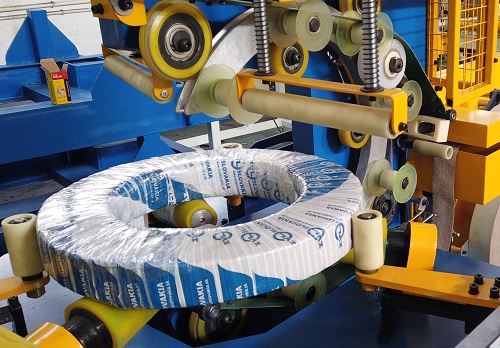
OSHA Standards for Coil Packaging Machine Operators
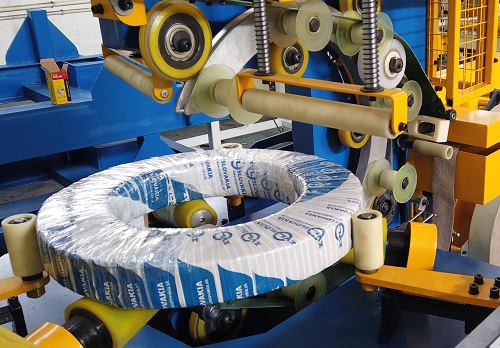
Coil packaging machines present significant safety hazards if not operated and maintained correctly. Understanding OSHA standards is crucial to prevent injuries and fatalities. This article breaks down the essential OSHA requirements for safeguarding coil packaging machine operators, to ensure a safer working environment. The operation of coil packaging machines, while integral to many industries, presents inherent safety risks to operators. These risks range from crushing injuries to lacerations and can, in severe cases, be fatal. OSHA (Occupational Safety and Health Administration) has established specific standards and guidelines to mitigate these risks and ensure a safe working environment for employees working with coil packaging machines. This article delves into these standards, emphasizing crucial aspects of machine guarding, operator training, and practical safety measures.
Understanding the Scope of OSHA Standards
OSHA standards related to coil packaging machines primarily fall under 29 CFR 1910 Subpart O (Machinery and Machine Guarding) and Subpart J (General Environmental Controls). These regulations mandate employers to protect employees from machine-related hazards, including those stemming from rotating parts, nip points, and points of operation. The core principle underlying these standards is the prevention of accidental contact with hazardous machine components.Essential OSHA Regulations for Coil Packaging Machine Safety:
- 1910.212(a)(1): General Requirements for All Machines: This section specifically states that machine guarding methods must be implemented to safeguard operators and other employees from hazards.
- 1910.147: The Control of Hazardous Energy (Lockout/Tagout): This standard addresses the safe management of hazardous energy sources during maintenance and servicing of coil packaging machines.
- 1910.176: Handling Materials: Addresses best practices for material handling to avoid incidents such as falling rolls.
- 1910.219: Mechanical power-transmission apparatus: Addresses best practices for power transmission and guarding to avoid accidents.
Key Hazards in Coil Packaging Operations and How to Address Them
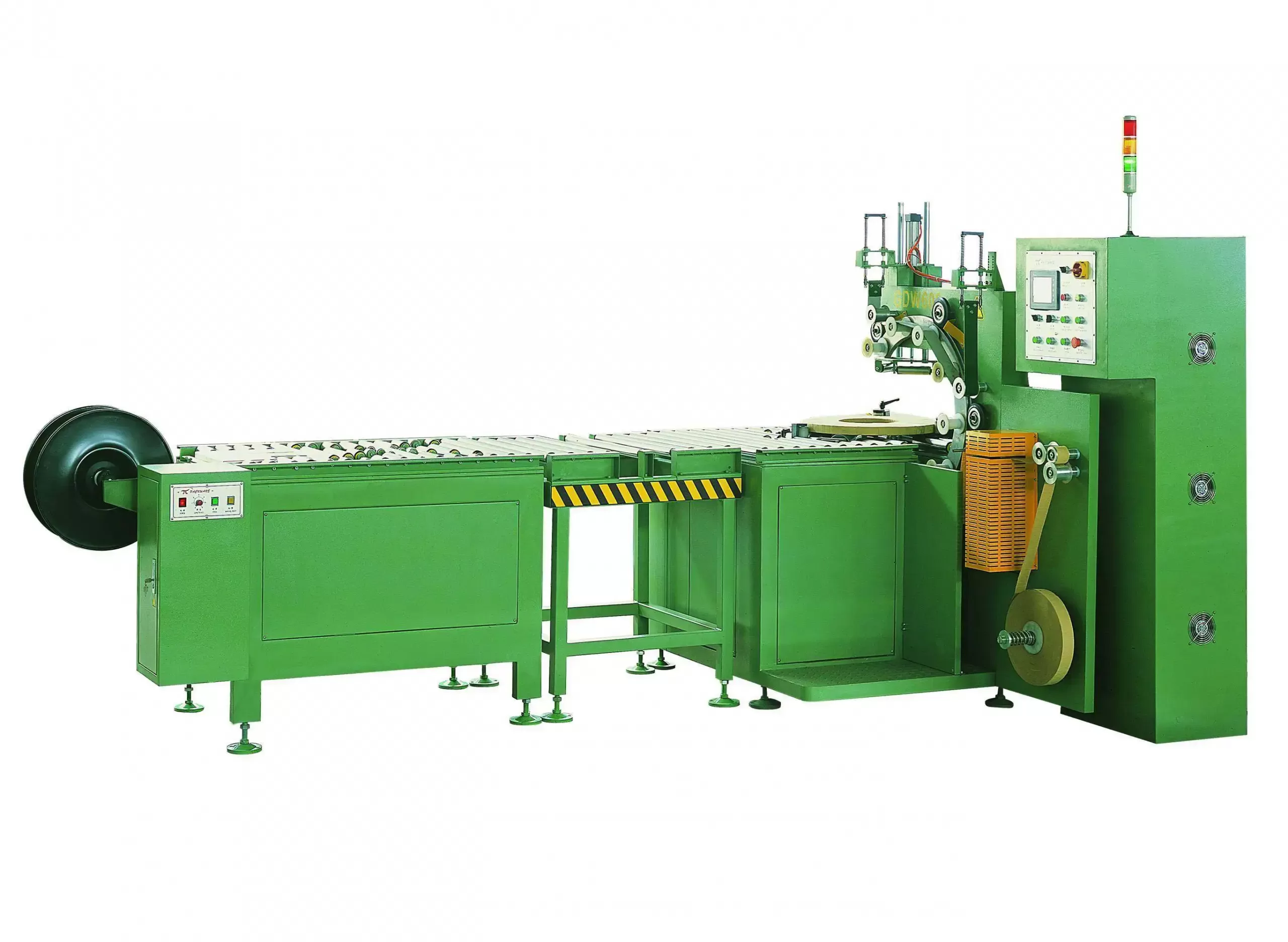
Coil packaging machines involve several stages, each presenting unique hazards to operators. Understanding these hazards is essential for implementing appropriate safety measures.

| Hazard | Description | Possible Solutions | Relevant OSHA Standard(s) |
|---|---|---|---|
| Rotating Coils | Risk of being struck by rotating coils, leading to crushing injuries or death. | Implement fixed barrier guards, interlocked movable guards, presence-sensing devices, ensure proper training on equipment and proper PPE. | 1910.212(a)(1) |
| 落卷 | Coils falling off carts may lead to injuries. | Secure coils properly, stabilize or secure coils to avoid tipping; transport coils with coil cart in the most stable operating position. | 1910.176 |
| Nip Points | Pinch points created by rotating rollers or moving parts can cause crushing or amputation injuries. | Install fixed barrier guards or adjustable barrier guards . Ensure that operators never place their hands near nip points. | 1910.212(a)(1) |
| Moving Machine Parts | Workers can be struck by unguarded moving parts while a coil packaging machine is in operation. | Apply energy control procedures before cleaning, train employees on proper feeding, install safety solutions such as retractable knife or scissors to cut plastic. Anti-kickback flaps prevent injury. Install safeguarding such as barriers, light curtains and safety mats. | 1910.212(a)(1),1910.219 |
| Hazardous Energy Release | Unexpected startup of the can cause risk for employees. | Implement and enforce lockout/tagout procedures during maintenance and servicing. | 1910.147 |
| Material Handling | Incorrect way to load/unload coils that may weigh from hundreds to thousands of pounds. | Properly train employees to use and maintain material handling equipment(such as overhead material handling equipment), Do not exceed the capacity of material handling equipment; Use lifting devices to help raise rolls of plastic. | 1910.176,1910.179,1910.184 |
Machine Guarding: A First Line of Defense
Machine guarding is paramount in preventing accidents on coil packaging machines. Guards should be designed to prevent any part of an operator’s body from entering the danger zone during operation. OSHA emphasizes the use of various guarding methods:
- Barrier Guards: Physical barriers that prevent access to hazardous areas.
- Interlocked Guards: Guards that, when opened, automatically shut down the machine.
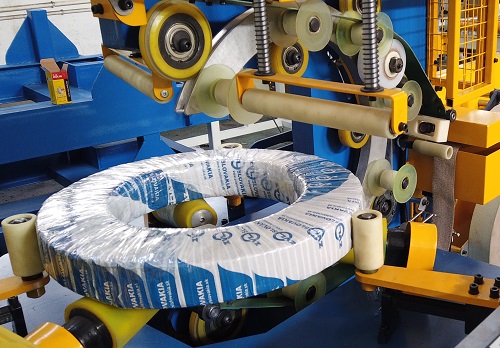

- Light Curtains and Safety Mats: Electronic safety devices that stop the machine when a worker enters a hazardous zone.
Employers must ensure that guards are properly installed, maintained, and not easily bypassed or removed.
Lockout/Tagout Procedures: Controlling Hazardous Energy
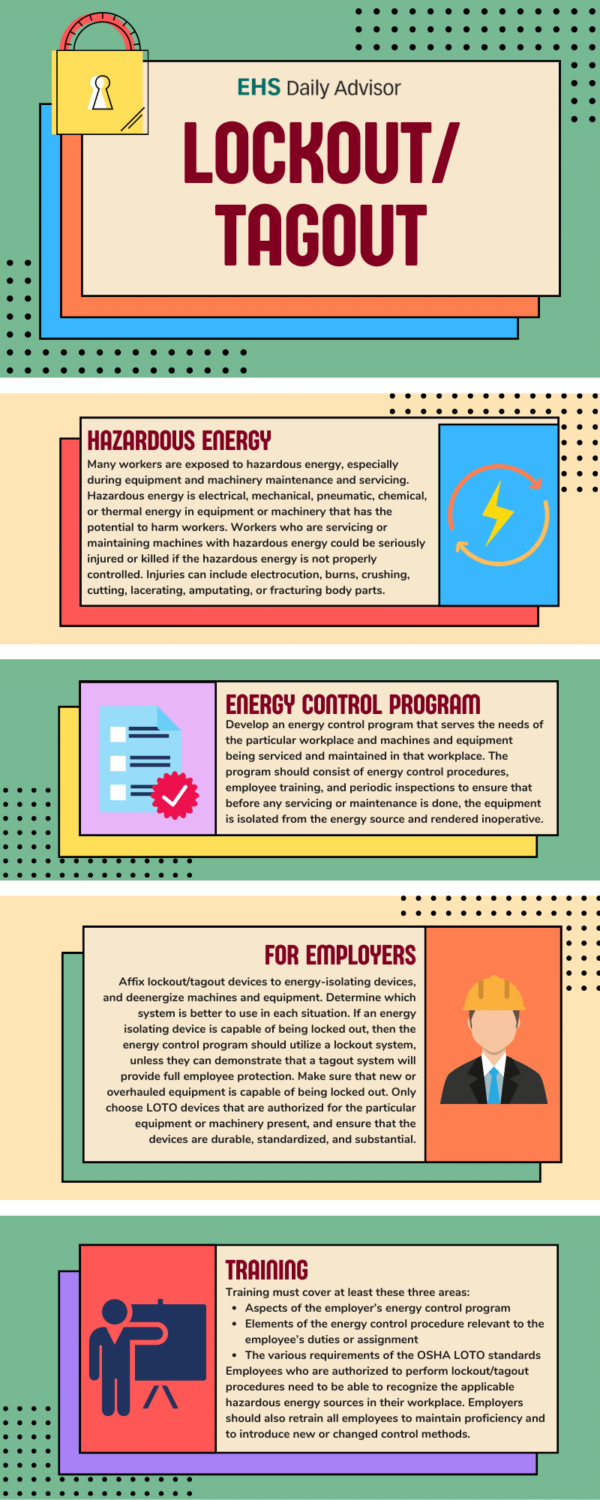
Lockout/Tagout (LOTO) procedures are essential during machine maintenance and servicing. These procedures prevent the accidental release of hazardous energy (electrical, hydraulic, pneumatic, etc.), which can cause severe injuries.LOTO involves:
- Identifying all energy sources.
- Isolating the machine from its energy source(s).
- Locking out the energy-isolating devices with individual locks.
- Tagging the devices to indicate that the machine is out of service.
- Verifying that the machine is de-energized before starting work.
Each authorized employee should have their own lock and key, and group lockout procedures should be in place for tasks involving multiple workers.
Operator Training: Empowering Workers Through Knowledge

Thorough operator training is crucial for ensuring that employees can safely operate coil packaging machines. Training programs should cover:
- Machine-Specific Training: In-depth instruction on the operation, maintenance, and safety features of the specific machine.
- Hazard Awareness: Teaching employees to recognize and avoid potential hazards.
- Emergency Procedures: Training on how to respond to emergencies, such as machine malfunctions or injuries.
- Use of Personal Protective Equipment (PPE): Instruction on the proper use of safety glasses, gloves, hearing protection, and other required PPE.
Regular refresher training is also essential to reinforce safe work practices and update employees on any changes to procedures or equipment.
Practical Safety Measures to take into account
Beyond OSHA compliance, implementing additional safety measures can further enhance the safety of coil packaging operations:
- Regular Inspections: Conduct routine inspections of machines, guards, and safety devices to identify and correct potential hazards.
- Ergonomics: Optimize workstation design to minimize strain and awkward movements, reducing the risk of musculoskeletal disorders.
- Housekeeping: Maintain a clean and orderly work environment to eliminate slip, trip, and fall hazards.
- Emergency Stops: Ensure that emergency stop buttons are readily accessible and clearly marked.
- Incident Reporting: Establish a system for reporting and investigating incidents and near misses to identify root causes and implement corrective actions.
Real World Example from OSHA Record
In 2009, a worker was fatally crushed by a rotating steel coil that fell from a Monarch Stamco Coil Cart Machine during a wrapping processoThis incident highlighted the importance of:
- Providing adequate machine guarding to prevent coils from falling off carts.
- Make certain all personnel maintain a safe work clearance; stabilize or secure coils to avoid tipping; and, transport coils with coil cart in the most stable operating position.
- Conforming to ANSI standards for safe coil processing.
Conclusion
Ensuring the safety of coil packaging machine operators is not just a matter of complying with OSHA regulations; it’s a moral imperative. By prioritizing machine guarding, lockout/tagout procedures, operator training, and other safety measures, employers can create a safer working environment, prevent injuries, and protect the well-being of their workforce. By adhering to OSHA standards and best practices, employers can minimize risks, prevent accidents, and foster a culture of safety in coil packaging operations.