
Orbital Stretch Wrappers for U.S. Industry: What Should You Compare?
Are you a factory manager in the U.S. industry, constantly battling with slow production lines, high labor costs, and the risk of worker injuries? I know these pressures well. Manual packing of heavy, bulky items like steel coils or wire bundles is a major bottleneck. It slows down your entire operation, eats into your profits, and puts your valuable team at risk every single day. You need a better way.
For U.S. industrial operations, evaluating orbital stretch wrappers means looking beyond just the sticker price. True value comes from balancing initial investment with long-term operational speed, which boosts output, and robust durability, which ensures minimal downtime and a high return on investment.

Making the right equipment choice for your U.S. factory is a big decision. It impacts your bottom line, your team’s safety, and your company’s future growth. This is not just about buying a machine; it is about finding a solution that truly solves your problems. Let us dive deeper into what you really need to compare when considering an orbital stretch wrapper.
Understanding the True Cost of an Orbital Wrapper: What’s the Real Price?
Are you focused only on the initial price tag when buying new equipment? Many factory managers make this mistake. They see a low price and think they are getting a good deal. But a low price can hide many future problems. This approach often leads to higher costs down the road because of hidden expenses and poor performance.
The real price of an orbital stretch wrapper in the U.S. industry includes not just the purchase cost, but also installation, training, ongoing maintenance, and the long-term impact on labor efficiency and product damage reduction, all of which contribute to your total cost of ownership.
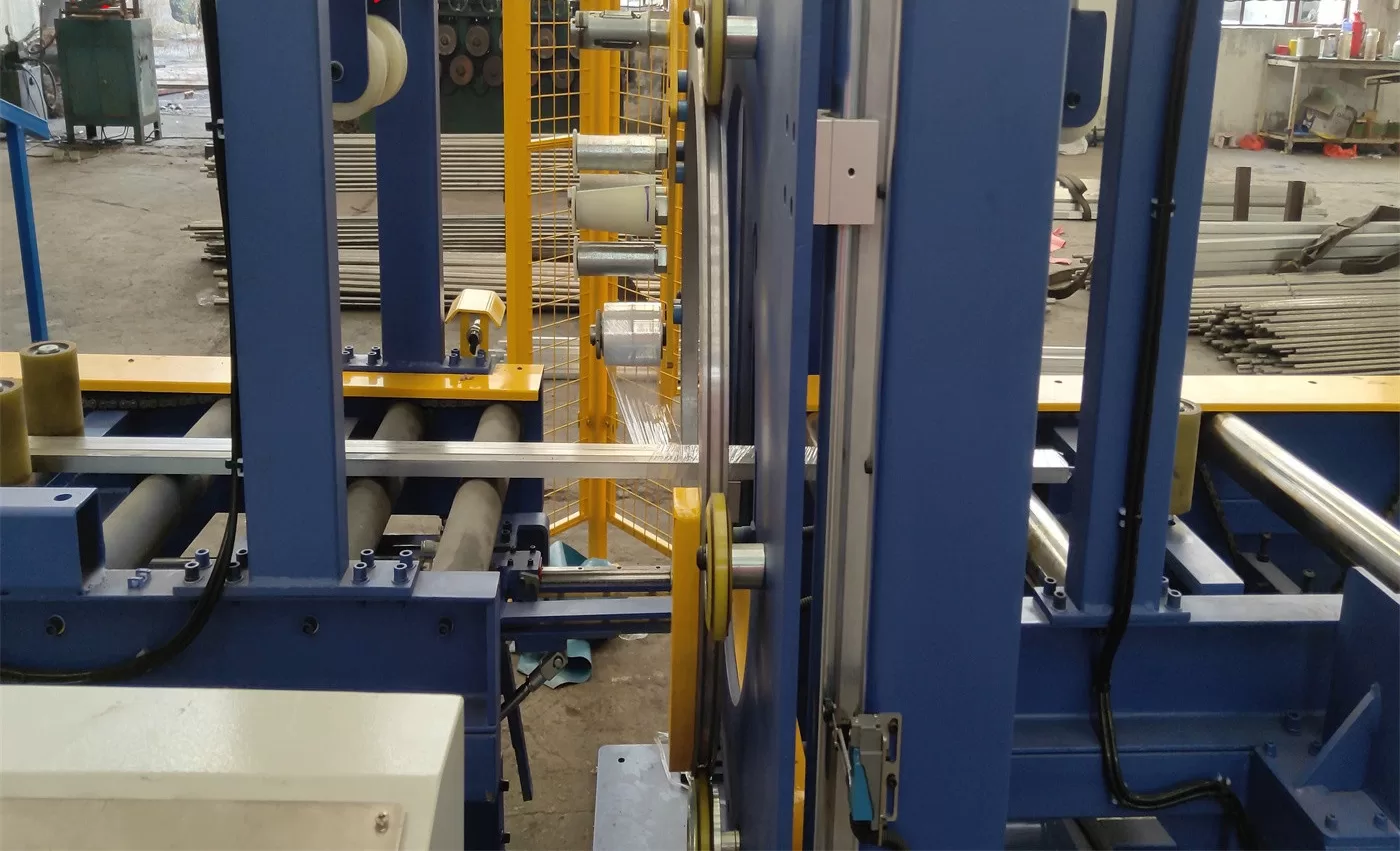
When I was building my own packing machine factory, I learned that a cheap machine often means more headaches later. It meant more repairs, more downtime, and more frustrated workers. You need to look at the full picture. The true cost of any machine, especially an orbital wrapper, goes far beyond what you pay upfront.
Beyond the Purchase Price: Total Cost of Ownership
To really understand the cost, you must consider the total cost of ownership (TCO). This includes everything that affects your budget over the machine’s life.
- Initial Investment: This is the sticker price. But does it include delivery? Does it include installation? Sometimes, these costs are extra, and they can add up quickly. A transparent supplier will give you a clear, itemized quote.
- Installation and Integration: How easy is it to install the machine? Will it fit into your current production line without major changes? Some machines need complex setups or specific power requirements. These can cause delays and extra costs. An experienced supplier understands your factory layout and helps you integrate the machine smoothly.
- Training Costs: Will your team know how to use the new machine? Proper training is crucial for safety and efficiency. Some suppliers offer excellent training programs, others do not. You need to budget for the time and resources to train your operators.
- Maintenance and Spare Parts: All machines need maintenance. What is the cost of replacement parts? Are parts readily available in the U.S.? What is the typical lifespan of wear-and-tear components? A machine with easily accessible, affordable parts will save you money in the long run. High-quality machines are built with durable components that last longer. This reduces the frequency of replacements and the cost of maintenance.
- Energy Consumption: Large machines use a lot of power. What is the energy efficiency of the orbital wrapper? Over years, high energy consumption can become a significant operating cost. Choosing an energy-efficient model can lead to substantial savings.
- Downtime Costs: This is often overlooked. If your machine breaks down, your production stops. Every minute of downtime means lost output, delayed deliveries, and angry customers. A reliable machine with good service support minimizes this risk. This is where durability and strong after-sales service really pay off.
When comparing prices, ask for a detailed breakdown of all these factors. A good partner will help you see the full financial picture, not just the initial price. This helps you make an informed decision for your U.S. operations.
How Fast Can an Orbital Wrapper Boost Your Production Line’s Speed?
Are you still relying on manual packing methods for your heavy coils and wire? If so, you know how slow and frustrating it can be. Your production line might be fast up to the packing stage, but then everything grinds to a halt. This creates a bottleneck that slows down your entire factory. You lose valuable time and miss delivery deadlines.
Orbital stretch wrappers significantly increase packing speed by automating the wrapping process for bulky, irregularly shaped products common in the U.S. metal and wire industries, drastically reducing manual labor time and accelerating throughput at the end of the production line.
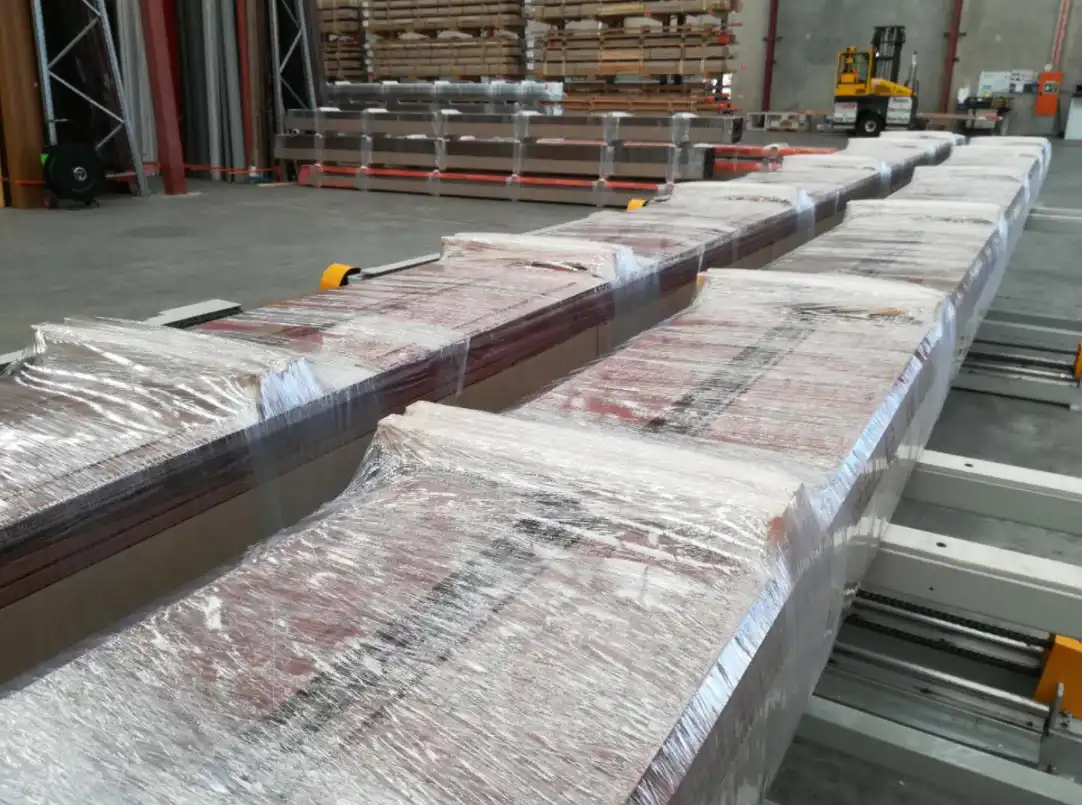
When I first started in the packing machine industry, I saw many factories struggling with slow, manual packing. It was clear that automation was the answer. A fast packing solution does not just speed up one task; it improves your overall factory efficiency. It helps you get more products out the door, faster. This makes your customers happier and your business more profitable.
Measuring Speed and Efficiency in Your Factory
Speed is not just about how many rotations per minute a machine can do. It is about how the machine integrates into your existing workflow and how much it reduces your overall cycle time.
- Packing Cycles Per Minute: This is the basic measure of speed. How many products can the machine wrap in one minute? Higher cycles mean faster output. However, consider the type and size of products you wrap. A machine designed for smaller items might not be efficient for your large steel coils.
- Integration with Production Line: A fast machine is only useful if it fits seamlessly into your current line. Does it need manual feeding? Can it be integrated with conveyors? Automated feeding and unloading systems greatly enhance overall speed by reducing manual intervention. This is where the machine truly becomes part of your efficient system.
- Film Application Speed and Tension Control: A good orbital wrapper applies film quickly and consistently. Poor tension control can lead to wasted film or unstable packages. The machine should have precise controls to optimize film usage while ensuring a secure wrap. This prevents product damage and saves on material costs.
- Downtime and Changeover Time: A machine might be fast, but if it breaks down often or takes a long time to change film rolls or adjust for different product sizes, your overall efficiency suffers. Look for machines with quick film changes and easy adjustments. This reduces non-productive time.
- Reduction in Manual Labor: This is a key benefit of automation. By replacing manual wrapping with a machine, you free up your workers for other, more skilled tasks. This not only speeds up the packing process but also improves labor utilization and reduces the risk of injuries associated with manual handling of heavy items. This directly addresses the safety concerns factory managers like Michael Chen face.
A faster packing process means you can meet demand more easily, reduce lead times, and ultimately, increase your factory’s revenue. It transforms a bottleneck into a smooth, efficient operation.
Why Does Durability Matter So Much for Your Orbital Wrapper Investment?
Have you ever invested in equipment only to have it break down constantly? For a factory manager, nothing is more frustrating than machines that are always offline. In the demanding U.S. industrial environment, where production lines run continuously, a fragile machine is a liability. It means lost production, unexpected repair costs, and constant stress.
In the demanding U.S. industrial sector, the durability of an orbital stretch wrapper is critical for ensuring continuous operation, minimizing costly downtime, and protecting heavy or irregularly shaped products from damage during transit, directly impacting a factory’s profitability and reliability.

When I built my packing machine factory, I knew that reliability was paramount. I designed machines to withstand harsh conditions because I understood that downtime was not just an inconvenience; it was a financial disaster. My clients, especially those in steel and heavy manufacturing, needed machines that could run day in and day out without fail. Durability is not a luxury; it is a necessity for serious industrial operations.
The True Value of a Robust Machine
A durable orbital wrapper is designed to last. It means fewer breakdowns, less maintenance, and a longer lifespan. This protects your investment and ensures consistent output.
- Material and Build Quality: What materials are used to construct the machine? Heavy-duty steel frames, industrial-grade components, and robust motors are signs of quality. Machines built for high-volume, harsh environments will use superior materials that resist wear and tear, corrosion, and vibrations. A strong build means the machine can handle the weight and demands of wrapping heavy coils or metal products without strain.
- Designed for Industrial Environments: Your factory is not a clean room. It has dust, grime, and vibrations. Is the machine designed to operate reliably in such conditions? Look for features like sealed bearings, protected wiring, and robust controls that can withstand the rigors of a busy factory floor. This ensures the machine performs consistently even in less-than-ideal settings.
- Reliability and Uptime: This is the most crucial aspect. A durable machine has high uptime, meaning it is available to operate when you need it. Frequent breakdowns lead to major losses in productivity and can delay customer orders. High reliability directly translates to increased profitability and reduced operational headaches. Michael Chen’s biggest concern is downtime, and durability is the direct answer.
- Protection Against Product Damage: A robust wrapping machine not only endures the factory environment but also protects your products. Consistent and secure wrapping, even under high tension, prevents damage to sensitive edges of steel coils or other products during handling and transport. This reduces customer complaints and financial losses from damaged goods, a critical challenge for many metal processing plants.
- Long-Term Investment Protection: A highly durable machine has a longer operational life, offering a better return on your initial investment. You avoid premature replacement costs and enjoy consistent performance over many years. This predictable performance allows for better production planning and budgeting.
Choosing a durable orbital wrapper is a strategic decision. It reduces operational risks, cuts down on maintenance costs, and ensures your production line keeps moving, even under tough conditions.
My Insights: What Does a True Partner Bring to Your Investment?
Have you ever felt like a supplier just wants to sell you a machine and then disappear? Many factory managers, like Michael Chen, have faced this. They deal with companies that promise a lot but deliver little in terms of after-sales support or true understanding of their needs. This creates a cycle of mistrust and frustration. You need more than just a vendor; you need a partner who genuinely understands your challenges.
From my experience building FHOPEPACK and helping clients grow, a true partner in the U.S. industry provides more than just an orbital wrapper; they offer expert consultation, reliable after-sales service, and a deep understanding of your production challenges, ensuring your investment truly solves problems and drives long-term success.

I started as an employee in a packing machine factory. I saw firsthand the challenges on the factory floor. Later, I built my own factory. This journey taught me about real-world production bottlenecks, safety risks, and the need for reliable equipment. It also showed me the immense power of good partnerships. I achieved financial independence because I helped my clients grow their businesses, especially in coil packing and steel wire packing. Now, through FHOPEPACK, I want to give back. My goal is to share my expertise and help others succeed, not just sell machines.
The Difference a True Partner Makes
When you choose an orbital wrapper, you are not just buying a piece of metal. You are investing in a solution that should improve your operations, safety, and bottom line. A true partner guides you through this process.
- Understanding Your Unique Challenges: Every factory is different. A good partner does not offer a one-size-fits-all solution. They take time to understand your specific issues, like manual handling risks, product damage during internal transfer, or slow packing speeds for steel coils. They listen to your current challenges and future goals. This deep understanding is crucial for recommending the right machine and customization.
- Expert Consultation and Solution Design: With my background, I know what works on the factory floor. I can help you identify hidden inefficiencies and recommend solutions that truly fit. This goes beyond just machine specs. It involves looking at your entire workflow and suggesting ways to integrate automation for maximum impact. We help you calculate the return on investment (ROI) clearly, so you see the financial benefits of the automation.
- Reliable After-Sales Support: What happens after the sale? This is where many suppliers fail. A true partner offers robust after-sales service, including troubleshooting, maintenance support, and readily available spare parts. This ensures your machine keeps running smoothly, minimizing downtime. Michael Chen’s past experience with poor after-sales service is a common pain point, and a reliable partner addresses this head-on.
- Commitment to Your Growth: My personal journey is proof that when my clients succeed, I succeed. I want to help you reduce labor costs, improve worker safety by automating heavy lifting, and prevent product damage. These are the core goals that drive FHOPEPACK. We are not just selling a machine; we are offering a path to greater efficiency and profitability for your U.S. industrial operation.
- Long-Term Relationship: Building trust takes time. I believe in forging long-term relationships based on shared goals. This means being there for you not just at the point of sale, but throughout the entire lifespan of the equipment, providing ongoing support and insights as your business evolves.
Choosing an orbital wrapper is a critical business decision. With the right partner, you gain more than just equipment; you gain an expert ally dedicated to your factory’s success in the U.S. industry.
Conclusion
Comparing orbital wrappers for U.S. industry means balancing price, speed, and durability. Choose a solution that boosts efficiency, enhances safety, and provides a clear ROI with a trusted partner like FHOPEPACK.








