
Optimizing Warehouse Throughput with Automated Pallet Inversion Technology
1. Client Background (Why)
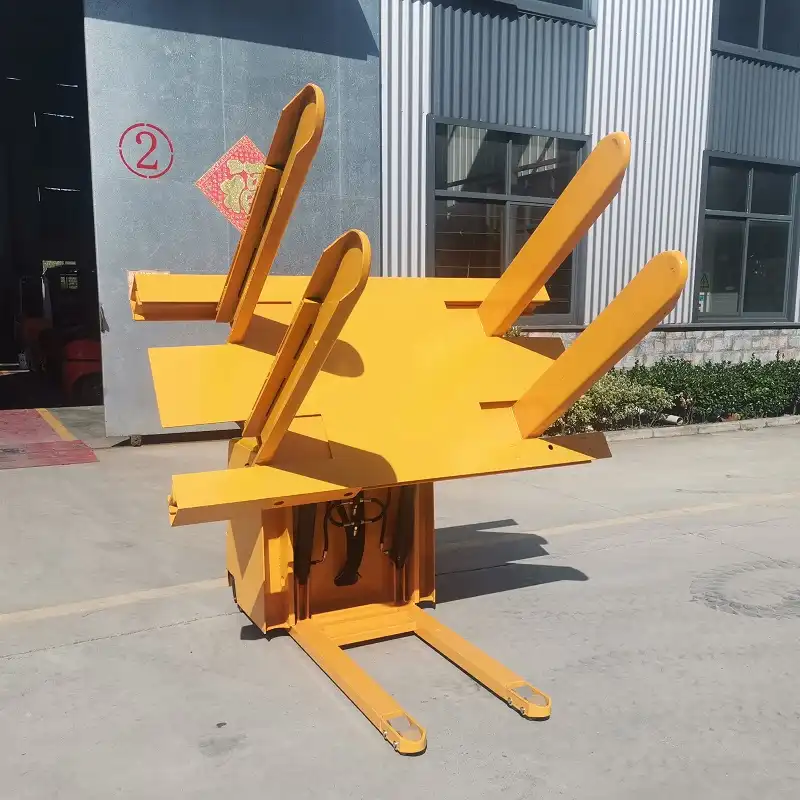
A leading steel coil manufacturer in Germany’s industrial sector, operating multiple production lines with daily output exceeding 200 tons, faced critical material handling challenges. Their existing manual pallet transfer processes between coating and packaging stations created significant bottlenecks. The company actively sought automated solutions to maintain competitiveness in European markets, specifically targeting systems that could handle varied coil sizes while ensuring consistent throughput and operator safety.
Primary objectives included:
- Achieving 24/7 operational capability
- Reducing manual handling incidents
- Maintaining packaging integrity across product changes
- Implementing traceability systems for quality control
2. Client Challenges (Pain Points)
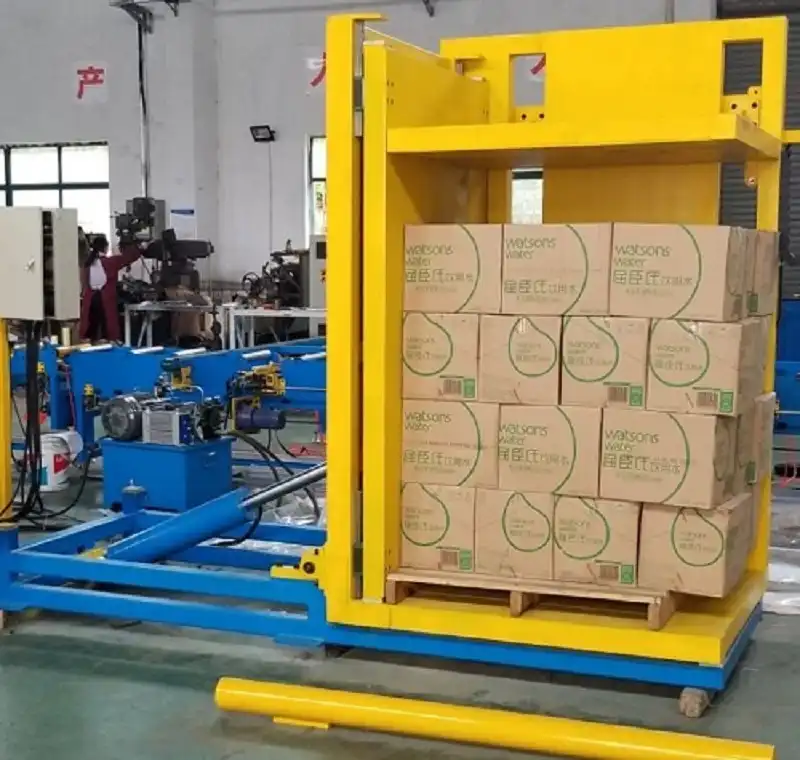
Throughput Limitations: Manual pallet exchange created 15-20 minute delays between processing cycles, restricting overall line capacity to 70% of theoretical maximum.
Labor Intensity: Each shift required three operators dedicated solely to pallet management, with frequent product damage during transfers costing approximately €8,000 monthly in rework.
Safety Concerns: Documented incidents included two hand-injury cases quarterly from manual pallet positioning and consistent ergonomic complaints from handling 500-2000kg loads.
Quality Inconsistency: Varying operator techniques resulted in 5% packaging damage rates during transit, leading to customer complaints and return shipments.
Production Volatility: Line stoppages during shift changes and breaks created 18% output variation between peak and off-peak hours.
3. FHOPEPACK Solution (How)
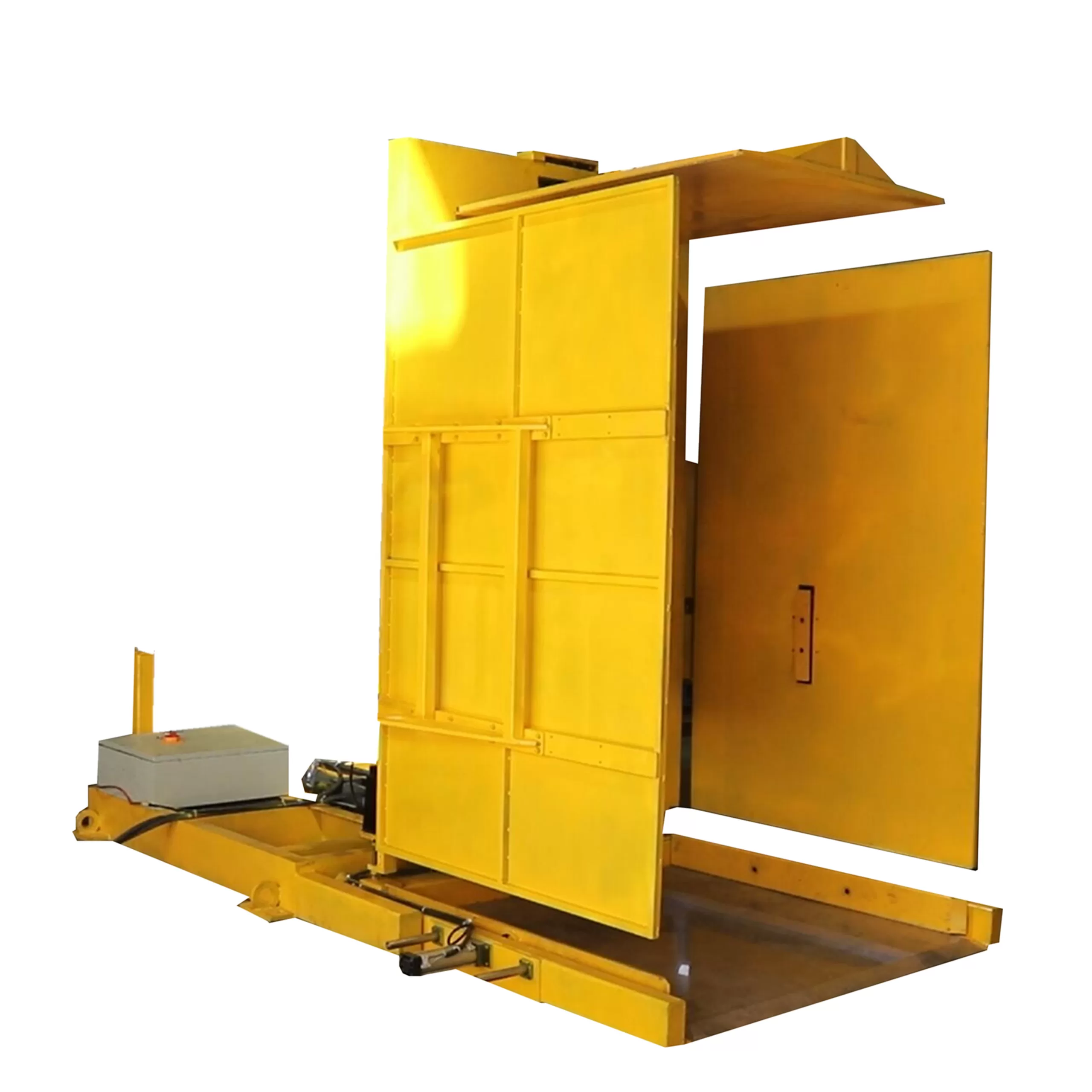
The implemented C-series pallet inverter system incorporated:
Technical Specifications:
- 2000kg load capacity with hydraulic clamping system
- 180-degree rotation capability within 60-second cycle time
- Adjustable fork width (800-1600mm) for multi-product compatibility
- IP54-rated PLC with HMI interface and data logging
Automation Features:
- Integrated proximity sensors for pallet detection
- Automated height adjustment for varying product profiles
- RFID tracking for material traceability
- Emergency stop circuits with redundant safety monitoring
Customization Elements:
- Specialized clamp pads for steel coil surface protection
- Modified conveyor interface for existing line integration
- Climate-resistant components for unheated warehouse environment
- Multi-language operational interface for international crew
4. Implementation Process
Phase 1: Technical Assessment (Week 1-2)
- Laser scanning of existing production layout
- Load testing with sample coils (800-1800kg range)
- Interface protocol development with existing PLC systems
Phase 2: Factory Acceptance (Week 3-5)
- Pre-shipment testing with simulated production cycles
- Operator training sessions at FHOPEPACK facility
- Safety validation according to CE standards
Phase 3: Site Installation (Week 6-7)
- Foundation preparation and utility connections
- Mechanical installation within 3-day window
- Conveyor integration and sensor alignment
Phase 4: Commissioning (Week 8)
- 72-hour continuous operation test
- Performance validation against contract specifications
- Final operator certification and documentation handover
5. Quantifiable Results & ROI
| Metric | Before Implementation | After Implementation | Improvement |
|---|---|---|---|
| Line Efficiency | 72% | 94% | +22% |
| Required Operators | 3 per shift | 0.5 per shift | -83% |
| Packaging Damage | 5.2% | 0.8% | -4.4% |
| Incident Rate | 2 quarterly | 0 quarterly | -100% |
| Output Consistency | ±18% variation | ±3% variation | +15% stability |
| Changeover Time | 15-20 minutes | 45 seconds | -96% |
Additional Benefits:
- Energy consumption reduced by 18% through optimized cycle times
- Traceability achieved with 100% product tracking capability
- Maintenance costs 30% lower than projected due to robust design
6. Client Testimonial
“The automated pallet inverter integration has fundamentally changed our material handling dynamics. Our production manager noted that ‘the system’s consistency has eliminated the variability we experienced with manual operations, while the safety improvements have been immediately visible in our incident reports.’ The engineering team particularly appreciated the seamless integration with our existing conveyor systems without requiring major structural modifications.”
7. Conclusion
This implementation demonstrates FHOPEPACK’s expertise in developing industrial automation solutions that address specific production challenges across multiple sectors. The pallet inversion technology has proven adaptable to various industries including steel, packaging, and manufacturing facilities across Europe, North America, and Southeast Asia. For operations seeking to optimize their material handling processes while maintaining flexibility for future product variations, this case provides measurable validation of the approach. Further technical specifications and application notes are available through our engineering documentation portal.








