
Optimizing Third-Party Logistics Operations with Automated Pallet Inversion Technology
Customer Background
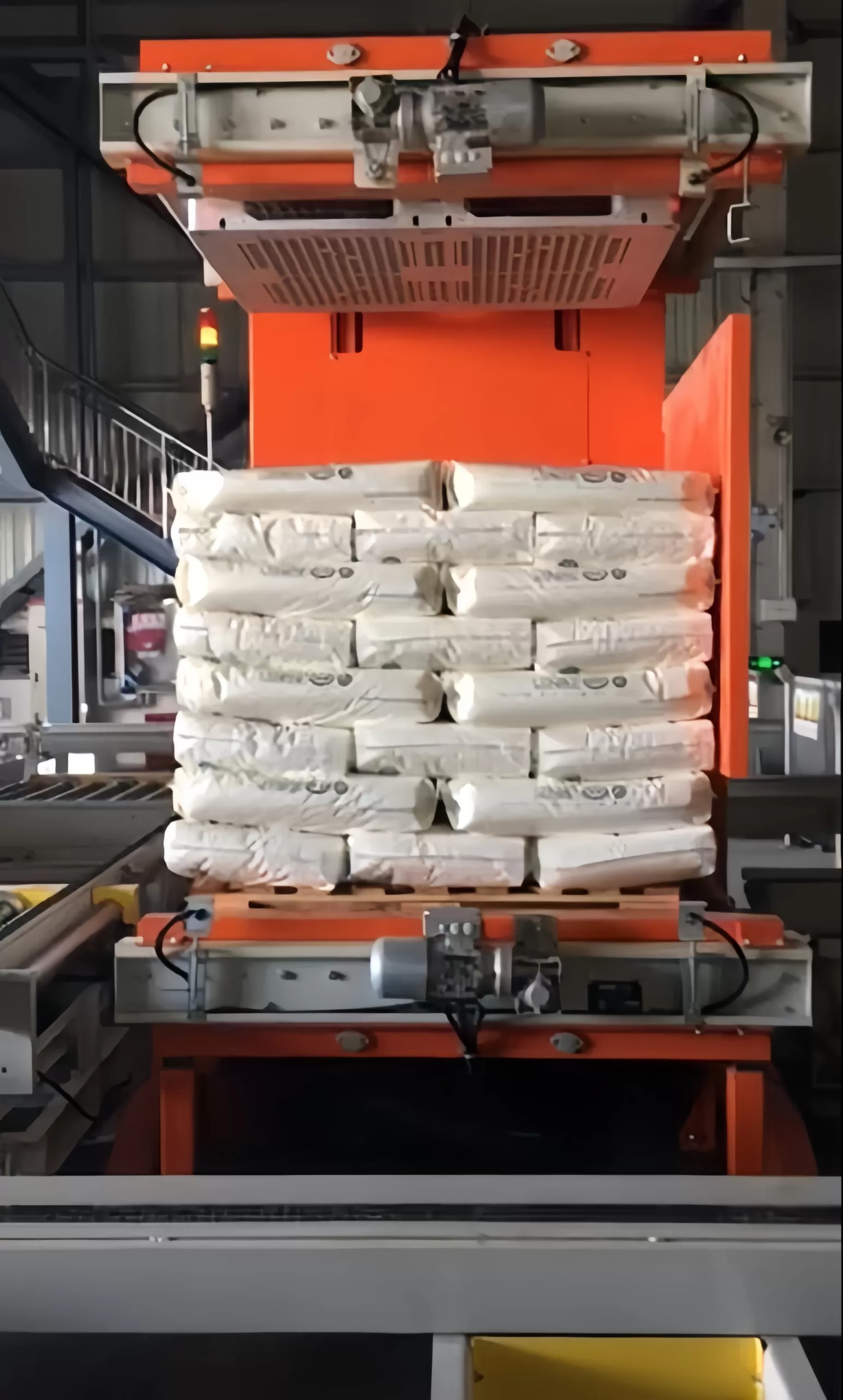
A leading North American 3PL provider specializing in consumer goods distribution faced significant material handling challenges across their regional hubs in USA and Mexico. The company manages over 500,000 pallet movements monthly for major retail clients across multiple industries including food, beverage, and consumer packaged goods. Their existing manual pallet transfer processes created bottlenecks in both receiving and shipping operations, particularly when handling damaged pallets or transferring loads between different pallet types. The operation required a solution that would maintain their service level agreements while reducing labor dependency and improving workplace safety metrics.
Operational Challenges
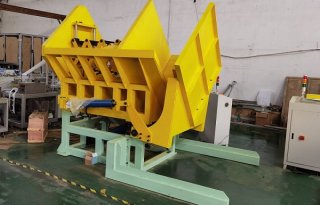
The 3PL provider identified three critical pain points affecting their distribution efficiency:
Labor Intensity and Cost
Manual pallet transfer required 4-6 personnel per shift dedicated to load handling, resulting in annual labor costs exceeding $320,000 across three facilities. The physical nature of this work contributed to high turnover rates and consistent recruitment challenges.
Safety and Ergonomics Concerns
Workers compensation claims related to musculoskeletal injuries from manual lifting averaged 12 incidents annually, with associated costs impacting operational budgets and creating regulatory compliance challenges in multiple jurisdictions.
Throughput Inconsistency
Manual transfer operations created variable cycle times between 8-15 minutes per pallet, causing unpredictable bottlenecks during peak shipping periods. This inconsistency threatened their 99.5% on-time shipping commitment to major retail clients.
FHOPEPACK Engineering Solution
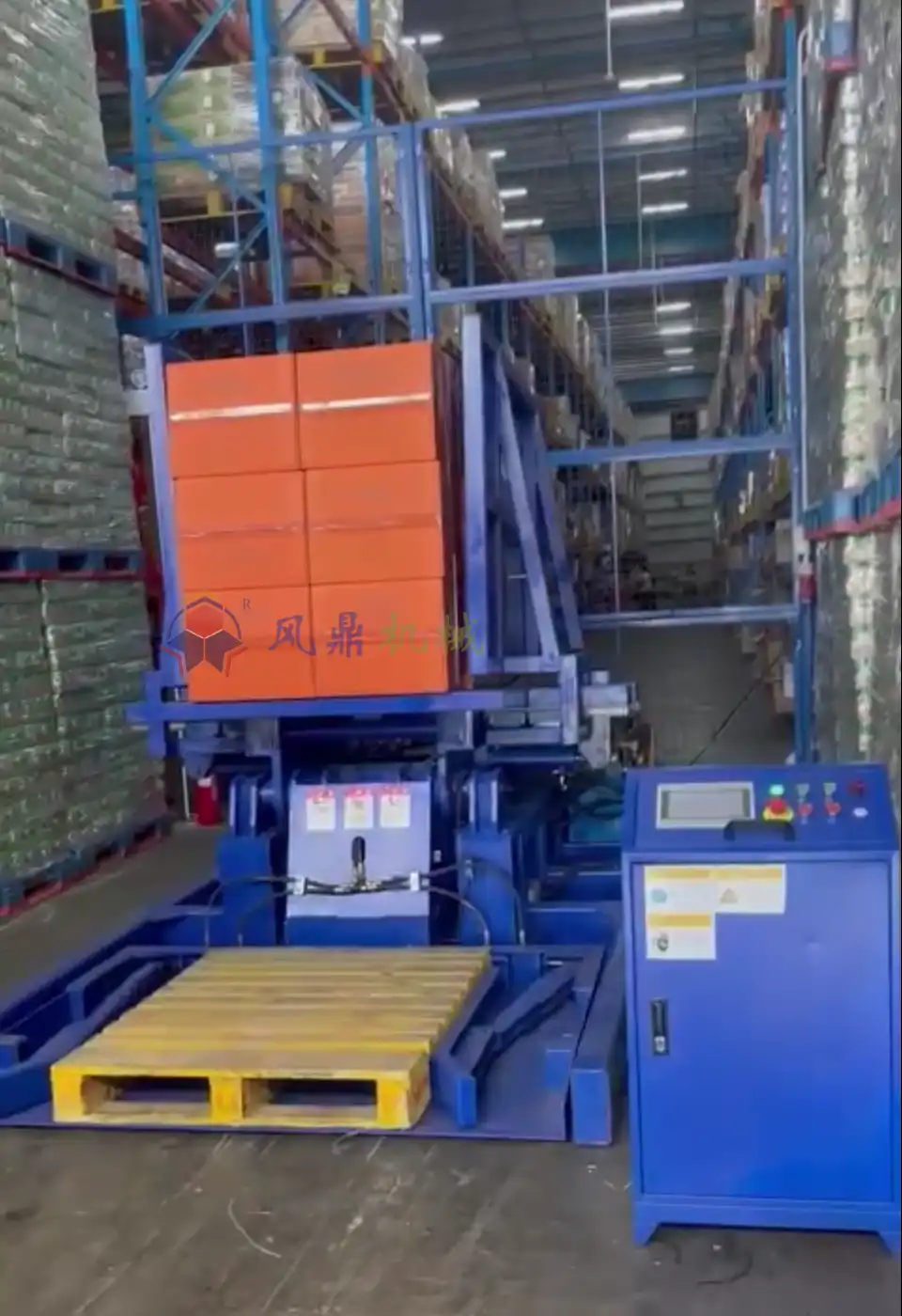
FHOPEPACK implemented a customized semi-automated pallet handling system specifically designed for high-volume 3PL environments:
Technical Specifications:
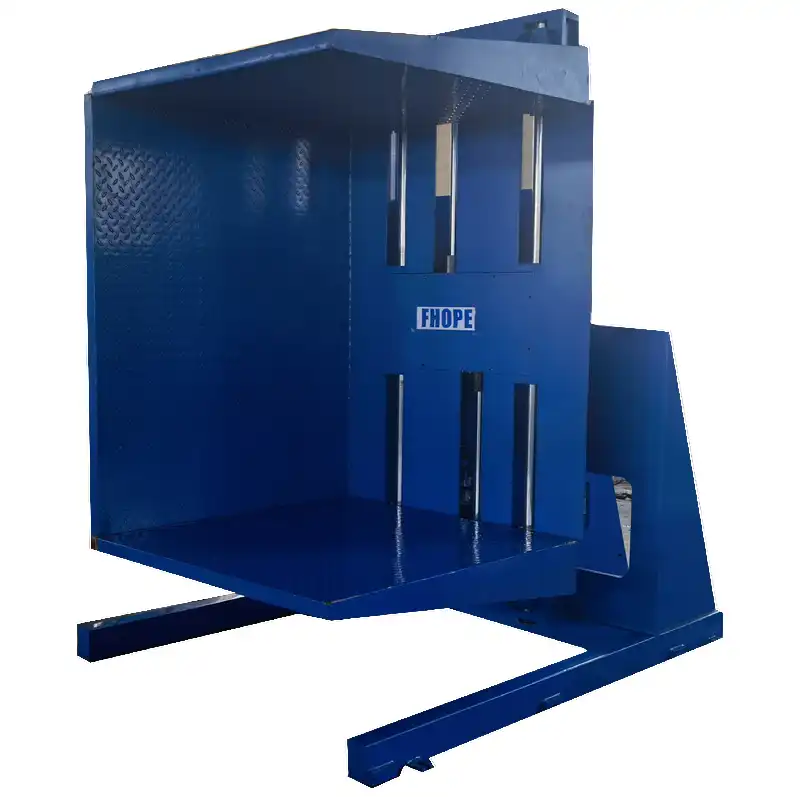
- Heavy-duty pallet inverter with 2,000kg capacity
- 180-degree rotation capability for complete load access
- Adjustable fork system accommodating pallet sizes from 800x1200mm to 1200x1200mm
- PLC-controlled safety interlocks and positioning sensors
- Integrated hydraulic stabilization for fragile loads
Customized Features for 3PL Application:
- Quick-change pallet compatibility system for handling EUR, CHEP, and iGPS pallet types
- Dust and moisture protection suitable for food-grade environments
- Modular design allowing integration with existing conveyor systems
- Remote monitoring capability for multi-site operations
The system addressed core industry requirements for flexible material handling while maintaining the durability needed for three-shift operation in demanding logistics environments.
Implementation and Technical Deployment
The project followed a structured implementation methodology:
| Phase | Duration | Key Activities |
|---|---|---|
| Site Assessment | 1 week | workflow analysis, space measurement, utility requirements |
| Technical Specification | 2 weeks | load testing, integration planning, safety compliance review |
| Factory Acceptance | 1 week | operational testing with client team, training simulation |
| Installation | 3 days | foundation preparation, mechanical installation, utility connection |
| Commissioning | 5 days | system calibration, safety validation, performance verification |
The implementation team included two FHOPEPACK engineers who worked alongside the client’s maintenance and operations personnel throughout the process. The system underwent rigorous testing with various load types including packaged foods, consumer electronics, and household goods to validate performance across the 3PL’s diverse product mix.
Quantifiable Operational Improvements
Labor Efficiency
- Reduced manual handling requirements by 3.2 FTE per shift
- Annual labor cost reduction: $187,000 across three facilities
- Reallocated personnel to value-added quality control roles
Throughput and Consistency
- Standardized transfer cycle time to 3.5 minutes per pallet
- Increased daily processing capacity by 38%
- Eliminated shipping delays during peak seasonal volumes
Safety and Quality Metrics
- Zero recordable injuries related to pallet handling in 12 months post-implementation
- Reduced product damage claims by 27% through controlled transfer process
- Improved load stability and consistent pallet alignment
ROI Analysis
- Project payback period: 14 months
- Annual operational savings: $243,000
- Reduced workers compensation premiums: $45,000 annually
Client Validation
“The automated pallet handling system has transformed our cross-docking operations,” stated the Operations Director. “We’ve maintained our 99.7% on-time shipping metric during peak season while significantly reducing the physical strain on our team. The system’s flexibility handles our diverse pallet requirements without compromising speed or safety.”
The Quality Manager added: “Load integrity has improved noticeably since implementation. We’re seeing fewer shifted loads and reduced product damage, which directly impacts our client satisfaction scores and reduces claims processing overhead.”
Engineering Conclusion
This implementation demonstrates how targeted automation in material handling can address specific 3PL industry challenges across multiple geographic operations. The pallet inverter technology provides a scalable solution for logistics providers facing similar labor, safety, and throughput constraints. FHOPEPACK’s engineering approach focuses on adaptable systems that integrate with existing infrastructure while delivering measurable operational improvements. The documented results provide a framework for other distribution operations considering automation investments to optimize their material handling workflows across diverse product categories and geographic regions.








