
Key Factors to Consider When Choosing a Coil Strapping Material
Unsecured coils pose significant risks: material damage, potential safety hazards, and costly transit issues. Is your current strapping failing? Don’t let improper packaging cut into your profits or jeopardize your team. Selecting the right coil strapping material is crucial for ensuring your valuable coils arrive safely and securely.
Choosing the right coil strapping material involves evaluating load weight and shape, required tensile strength, environmental conditions during transport and storage, application method (manual, semi-automatic, or automatic), material elongation and recovery properties, and overall cost-efficiency including safety and potential damage reduction. These factors dictate whether steel, polyester, polypropylene, or a specialized composite is the best fit for your specific coil securing needs.
Navigating the world of industrial strapping can be complex, especially when securing challenging loads like metal coils. Understanding the core properties and applications of different materials is the first step toward optimizing your packaging process. Let’s delve into the critical factors that will guide you in making the most informed decision for your coil strapping requirements.
Selecting the Optimal Material for Coil Securement
Choosing the appropriate strapping material is paramount for securing heavy, often unwieldy, coils effectively. The material dictates the tensile strength, elasticity, and durability required to withstand the rigors of handling, transit, and storage. An incorrect choice can lead to strap failure, load shifting, and significant losses.
When selecting strapping material for coils, prioritize based on coil weight, edge sharpness, and environmental exposure. Steel strapping offers maximum strength and minimal elongation, essential for heavy metal coils that exert high tension and have sharp edges, though it presents safety and handling challenges. High-tensile polyester provides a strong, safer alternative with better elongation and recovery, suitable for a range of heavy loads including some metals and wire coils. Polypropylene is best for lighter coils or bundles where high strength and tension retention are less critical. Composite and woven options offer specific advantages like flexibility, non-abrasiveness, and weather resistance for delicate or outdoor coil storage.
Steel vs. Plastic: A Deep Dive for Coil Applications
The long-standing debate between steel and plastic strapping becomes particularly pointed when discussing coil securement. Each material type brings distinct advantages and disadvantages that directly impact performance, safety, and cost when applied to cylindrical loads.
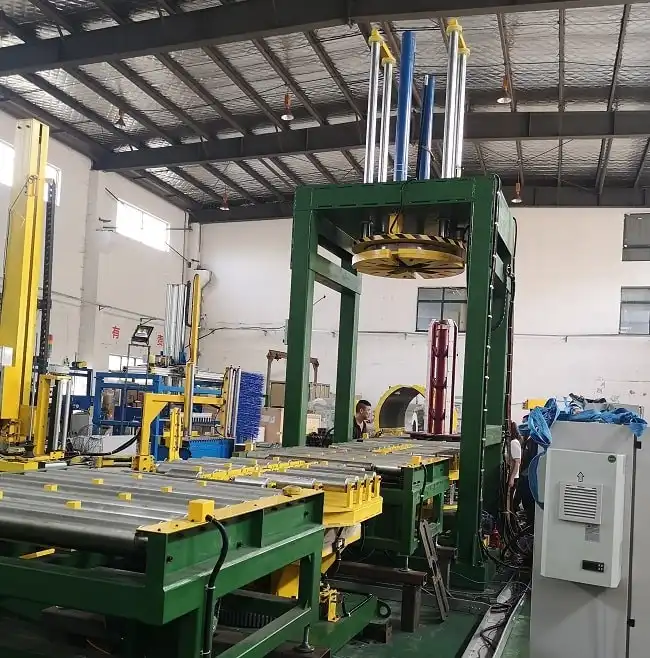
Steel strapping has been the traditional choice for securing heavy coils, particularly those made of steel or other dense metals. Its high tensile strength and low elongation mean it can handle extreme tension and keep heavy, stable loads from shifting with minimal stretch. This rigidity is crucial for preventing movement that could damage coil edges or cause the entire load to collapse. Steel strapping is durable, resistant to UV and temperature extremes, and available in various widths and thicknesses to match almost any heavy coil application. However, its weight, sharp edges, and tendency to “spring back” when cut pose significant safety risks to workers. Handling and disposal are cumbersome and costly. While it is the oldest material, requiring government approval (like AAR for railroads) for certain unbound loads, newer plastic alternatives are increasingly gaining approvals and proving viable.
Plastic strapping, encompassing polyester (PET) and polypropylene (PP), offers a compelling alternative. Polyester strapping, especially high-tensile formulations, can approach the strength of steel for many heavy coil applications. Its key advantage lies in elasticity; polyester can stretch and recover, maintaining tension on loads that may settle or shift slightly during transit. This “rubber band” effect is particularly beneficial for loads that compress or expand. Polyester is significantly lighter and safer to handle than steel, reducing worker injury risk. It’s also often made from recycled materials and is more easily recycled. Polypropylene is lighter and more economical than polyester, suitable for lighter coils or bundling multiple small coils. It has higher elongation but less recovery than polyester and is more susceptible to environmental factors unless specifically formulated. Composite and woven polyester straps provide even greater flexibility and safety for irregular or sensitive coil surfaces.
| Feature | Steel Strapping | Polyester (PET) Strapping | Polypropylene (PP) Strapping |
|---|---|---|---|
| Tensile Strength | Very High (Especially High Tensile Grades) | High (Can rival Steel for many uses) | Medium to Low |
| Elongation | Very Low (Minimal Stretch) | Moderate (Stretches and Recovers) | High (Stretches, Less Recovery) |
| Tension Decay | Very Low (Maintains Tension on Rigid Loads) | Low (Maintains Tension on Settling Loads) | Moderate to High |
| Safety | High Risk (Sharp Edges, Recoil, Heavy) | Lower Risk (No Sharp Edges, Lighter) | Lowest Risk (Lightweight, Flexible) |
| Environmental | Rust/Corrosion Prone (if uncoated) | Good Resistance (UV, Temp, Moisture) | Moderate Resistance (Formulation Dependent) |
| Cost | Higher Material Cost, Higher Labor/Safety Costs | Moderate Material Cost, Lower Labor/Safety Costs | Lowest Material Cost, Lower Labor/Safety Costs |
| Coil Suitability | Heavy, Rigid Metal Coils, Minimal Shift | Heavy to Medium Coils, Settling/Expanding Loads | Light Coils, Bundling Small Coils, Unitizing |
Matching Strapping to Your Coil’s Characteristics
The physical properties of the coil itself are perhaps the most direct influencers on strapping material selection. Coils come in vast ranges of size, weight, material, and rigidity, each presenting unique challenges for securement. Understanding your specific coil dimensions and composition is non-negotiable.
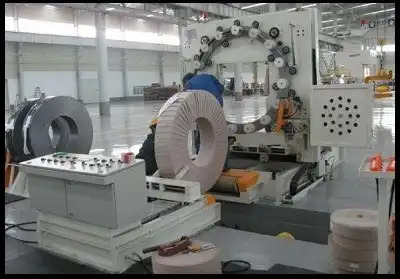
The size, weight, and shape of the coil are fundamental determinants for strapping choice. Heavy, dense coils require high tensile strength found in steel or high-grade polyester strapping to counteract immense forces. Cylindrical shapes necessitate materials that conform well and retain tension as the load settles, potentially favoring polyester or specialized steel coil strapping. Sharp or delicate edges demand consideration of strap flexibility and edge protectors to prevent damage. Failure to accurately assess these characteristics can lead to strap failure or product damage.
Assessing Coil Weight, Dimensions, and Rigidity
Heavier coils demand strapping with higher break strength. This directly correlates to material type, width, and thickness. A massive steel coil weighing several tons cannot be safely secured with light-duty polypropylene strapping intended for bundling newspapers. Similarly, a narrow strap width may not distribute tension effectively across the load surface, potentially cutting into the coil or failing under stress. Wider straps distribute force better. The diameter and width of the coil dictate the length of strap needed per band and how many bands are necessary for adequate securement. Cylindrical shapes also require straps to conform around curves, which can stress rigid materials like standard steel if not applied correctly or if specialized preformed coil strapping isn’t used.
The rigidity or compressibility of the coil material is also critical. A rigid steel coil will exert constant, unyielding pressure on the strap. Steel strapping, with its minimal elongation, is well-suited here, provided the load doesn’t settle significantly. However, a coil of flexible hose or soft wire might compress over time. In this case, polyester strapping’s ability to stretch and recover is advantageous, maintaining tension as the load settles, whereas steel would simply become loose. Sharp edges on metal coils are particularly hazardous; these require robust strapping less prone to cutting and often necessitate the use of edge protectors to prevent strap abrasion and protect the coil itself. The awkwardness or stability of the stacked coils (if stacking) also influences the strapping pattern and tension required. Overestimating the stability or underestimating the forces at play based on coil characteristics is a common cause of failure.
Surviving the Elements and Ensuring Safety
Coils are often stored outdoors or transported through varied climates, exposing strapping to moisture, temperature fluctuations, and UV radiation. These environmental factors can degrade strap integrity, reducing its strength and reliability. Simultaneously, the inherent nature of strapping, especially with heavy loads like coils, presents significant safety risks that must be mitigated.
Environmental conditions like moisture, extreme temperatures, and UV exposure can severely impact strapping performance, necessitating protective coatings (galvanized, wax, PVC) for steel and UV/thermal stability in plastic. Safety considerations are paramount; steel strapping’s sharp edges and recoil risk demand stringent handling protocols and protective gear, while plastic alternatives offer a safer profile, though proper tensioning and cutting techniques are still essential. Ignoring these factors can lead to strap failure, load damage, and serious worker injury.
Protecting Strap and People
Steel strapping is highly susceptible to rust and corrosion when exposed to moisture. Without a protective coating, its strength can rapidly diminish, leading to premature failure. Galvanized (zinc) coatings offer basic protection, wax coatings provide indoor moisture resistance, and PVC coatings give the best defense against moisture and abrasion, making them ideal for outdoor storage or maritime transport of coils. Plastic straps generally have better inherent moisture resistance, but some formulations can degrade under prolonged UV exposure or lose tensile strength at high temperatures. Selecting a strap rated for your expected environmental conditions is non-negotiable for maintaining load integrity over time.
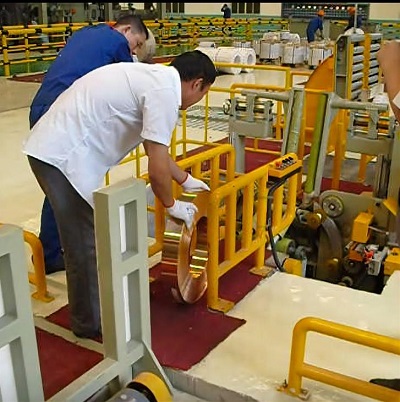
Safety around tensioned strapping is critical, particularly with heavy coils. Steel strapping, under high tension, stores significant energy. When cut, it can recoil violently, causing severe lacerations or eye injuries. Its sharp edges also pose a constant cutting risk during handling. Implementing strict safety procedures, providing cut-resistant gloves and eye protection, and using tools designed for safe application and cutting are vital. Rounded or indented “safety edges” on steel strapping can also reduce handling risk. Plastic strapping is inherently safer due to its lack of sharp edges and lower recoil energy compared to steel. However, improper cutting or tensioning can still cause injury. Ergonomic tools, whether manual, battery-powered, or automatic, also play a role in reducing strain and injury risk associated with repetitive strapping tasks on large coils. Training on proper application techniques and safety protocols is essential for any strapping operation.
| Coating Type | Protection Against | Best Use Environment | Notes |
|---|---|---|---|
| Uncoated Steel | Minimal | Dry Indoor | Rusts quickly when exposed to moisture |
| Zinc (Galvanized) | Basic Corrosion | Humid Indoor, Sheltered Outdoor | Offers sacrificial protection |
| Wax | Moisture (Contact/Humidity) | Indoor, Protected Loads | Not for direct outdoor exposure |
| PVC | Moisture, Abrasion, Chemicals | Outdoor, Harsh Environments | Most robust protection for steel strapping |
| Plastic (UV Inhibited) | UV Degradation (Formulation Dependant) | Outdoor Exposure | Important for outdoor storage of coils |
Balancing Cost and Efficiency in Coil Strapping
While material cost is a primary consideration, selecting the most cost-effective coil strapping solution requires a holistic view. The true cost includes not just the strap itself, but also the tools used, the labor involved in application, the potential for material waste, and the significant financial impact of damaged goods, safety incidents, and production downtime.
Optimizing the cost of coil strapping involves assessing the total expenditure, including material price, required tools (manual vs. automated systems), labor efficiency, and the costs associated with potential damage and safety incidents. Automating coil strapping can reduce labor and increase consistency, often justifying investment for high volumes. Selecting the right material type and gauge prevents overspending on unnecessary strength while ensuring adequate securement to avoid costly transit damage. Considering virgin vs. recycled strap quality for automated systems and implementing proper techniques minimizes waste and maximizes efficiency.
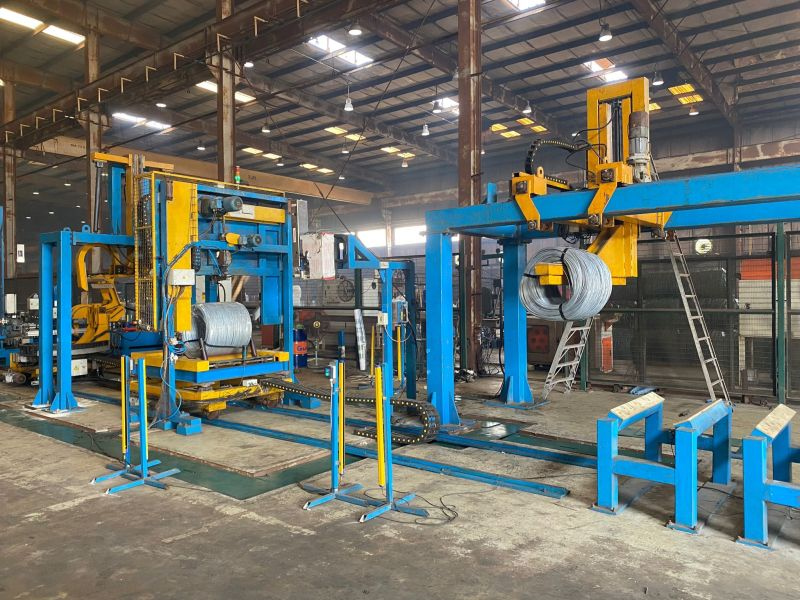
The upfront cost per foot of different strapping materials varies, with polypropylene typically being the least expensive, followed by polyester, and then steel. However, a cheaper material might require more straps per coil, a wider or thicker gauge, or perform poorly under specific conditions, negating initial savings. The cost of strapping tools is another factor. Manual tensioners and sealers are inexpensive but labor-intensive and inconsistent. Battery-powered tools offer better consistency and efficiency at a higher initial cost. Fully automatic strapping machines, integrated into a coil packing line, represent a significant capital investment but offer the highest speed, consistency, and labor savings for high-volume operations. For heavy or uniform coils, automation can drastically reduce the time and effort required per strap, lowering overall operational costs. Additionally, the quality of the strap (virgin vs. recycled) can impact machine performance and maintenance costs, especially with automated systems, where irregularities in recycled strap can cause feeding issues and downtime. Ultimately, the most cost-effective solution is the one that reliably secures your coils with minimum waste, labor, and incidence of costly damage claims or workplace injuries.
Conclusion
Choosing the right coil strapping material is a critical decision with far-reaching implications for product integrity, workplace safety, and operational costs. By carefully evaluating the coil’s characteristics, the environmental conditions it will face, the methods available for application, and the total cost of ownership beyond just the material price, businesses can select the optimal strap. Prioritizing factors like tensile strength, elongation, safety features, and environmental resistance based on your specific coil type and handling process will lead to more secure loads, fewer damaged goods, and a safer, more efficient operation. Don’t compromise on securing valuable coils; the right coil packing line and material selection is an investment in reliability and peace of mind.








