
Is Your Manual Door Packaging Slowing Down Production? Try Automation Instead
Manual door packaging often feels like a constant struggle, right? You deal with slow speeds, high labor costs, and the risk of damaged products. This bottleneck at the end of your line can drag down your whole factory’s output. It impacts your delivery times and eats into your profits. Are you feeling this pressure to do more with less?
Manual door packaging causes significant production slowdowns. It leads to high labor costs, increased safety risks, and potential product damage. Automating this process with specialized door packaging machines can drastically improve efficiency. It enhances worker safety and reduces material waste. This turns your packaging line into a smooth, fast operation.

You are not alone if you face these issues. Many factory managers tell me the same thing. They struggle with outdated packaging methods. They know they need a change but are not sure where to start. Let’s look at how manual door packaging creates problems. Then we can explore how automation can solve them, making your factory more productive and safer.
Is Your Manual Door Packaging Killing Your Production Speed?
Do you see piles of finished doors waiting to be packed? Is your packaging team constantly rushing but still falling behind? Manual door packaging is often a huge bottleneck. It slows down everything. This costs you valuable time and money. It also delays your product reaching customers.
Manual door packaging often struggles with inconsistent speeds. It relies heavily on human effort and the physical demands of handling large, heavy items. This creates significant bottlenecks at the end of your production line. Automated door packaging systems offer consistent throughput, reduce labor needs, and provide much faster cycle times. These systems remove those efficiency roadblocks.
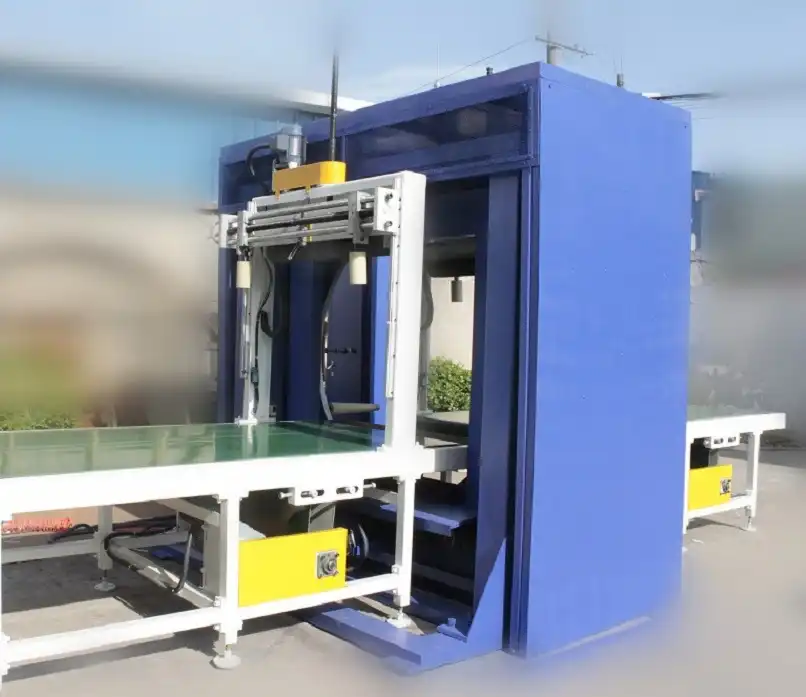
When I started my journey in the packing machine industry, I saw how much manual processes limited growth. I worked in a factory and later built my own. I saw firsthand how much a slow packaging line could hurt the whole business. Manual door packaging needs many people. Each person has a different speed and can get tired. This makes the packing speed uneven. One day it is fast, the next it is slow. This lack of consistency makes it hard to plan production accurately. It also causes delays down the line.
Consider a factory in Mexico that makes metal doors. They had a team of six people. They manually wrapped each door in protective film and then banded it. This process took several minutes per door. The factory could make 100 doors per hour, but the packaging team could only handle 60. This meant 40 doors piled up every hour. The company rented extra warehouse space just to store these unpacked doors. This added more cost and made shipping harder.
With an automated system, the machine wraps doors at a steady pace. It does this much faster than any human team. It can easily keep up with the production line. For example, a good automated door wrapper can pack a door in less than a minute. This means it can handle over 60 doors per hour with just one or two operators supervising. This increase in speed means finished doors move out of the factory faster. It reduces waiting times and inventory. This frees up warehouse space. It also makes your delivery times more reliable. You gain a competitive edge because you can get products to customers faster. My clients often tell me that speed and reliability are two big reasons they chose to automate. They saw their overall plant output increase, not just the packaging part. This allowed them to take on more orders and serve more customers. This is a direct path to more business growth.
Are Your Workers Safe During Door Packaging?
Are your employees lifting heavy doors by hand every day? Is your team constantly at risk of injury during the packing process? Manual handling of heavy doors leads to injuries. This causes higher insurance costs, lost work time, and unhappy employees. We must prioritize safety in our factories.
Manual door packaging poses significant safety risks. This is due to heavy lifting, awkward movements, and repetitive tasks. These lead to worker injuries and high costs for your business. Automated door packaging machines remove the need for manual heavy lifting. They greatly reduce physical strain and accident risks. This creates a much safer work environment for your team.
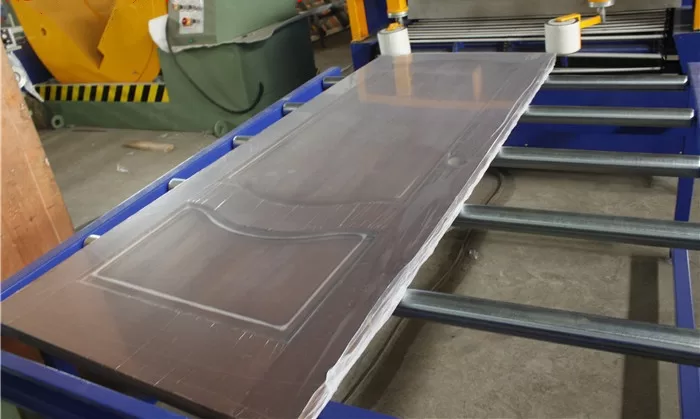
When I visit factories, I often see workers struggling with heavy doors. These doors can weigh a lot. Moving them around, lifting them onto pallets, or flipping them for wrapping is very hard work. It causes back strain, shoulder injuries, and repetitive motion injuries. Sometimes, a door might slip, causing a crush injury to hands or feet. These accidents are not just bad for the workers. They are also bad for your business. An injured worker means lost productivity. It means higher workers’ compensation claims. It also means higher insurance premiums. Plus, it can lower morale for the whole team. No one wants to see a colleague get hurt. This kind of work also leads to higher employee turnover. People look for jobs that are easier on their bodies.
Automated door packaging systems are designed to handle the heavy lifting. Machines lift the doors, move them into position, and wrap them without human intervention. This means your workers no longer need to strain their backs or risk crushing their fingers. Instead, they operate the machine with simple controls. They supervise the process. This shifts their role from heavy labor to skilled machine operation. This change greatly improves safety. For instance, a common problem with manual door packaging is flipping the door to wrap both sides. This is a high-risk task. An automated system can rotate the door automatically, or it can be designed to wrap all sides in one pass. This completely removes the manual risk.
I have seen factories where they struggled with high insurance costs and frequent worker injuries. After installing an automated door packaging solution, these problems went down. Workers felt safer and more valued. This led to better morale and lower turnover. When your employees are safe, they are more productive and happier. This is a win-win situation for everyone. Investing in automation is not just about efficiency. It is also a smart investment in your most valuable asset: your people. It shows you care about their well-being. This creates a stronger, more committed workforce.
Is Your Door Packaging Damaging Your Products and Profits?
Are your finished doors arriving at customers with scratches or dents? Are you getting complaints about damaged goods? Manual door packaging often results in product damage. This means customer complaints and lost profits. We need a better way to protect your products from the moment they leave the line.
Manual door packaging often results in product damage. This is due to rough handling, inadequate wrapping, or falls during the process. This leads to customer complaints and financial losses. Automated door packaging systems use precise, consistent wrapping methods and secure handling. This virtually eliminates product damage and protects your bottom line.

Product damage during packaging is a silent killer of profits. When doors are handled manually, there is always a risk. They might be dropped, bumped, or scratched. The packaging itself might be inconsistent. Some parts might be well protected, while others are left exposed. For example, the edges or corners of doors are very vulnerable. If the wrapping is not tight or complete, these areas can get damaged during transport. Think about how many times a door is moved from the production line to the truck. Each movement is a chance for damage.
I remember a client who manufactured high-end custom doors. They prided themselves on quality, but their manual packaging process was causing issues. Customers complained about minor dents or scratches upon delivery. This forced the client to offer discounts or even replace entire orders. This cut into their profits and harmed their reputation. They were losing money on every damaged door, not just from the material cost, but also from the shipping, rework, and customer service time.
Automated door packaging machines solve this problem. They apply wrapping materials with consistent tension and coverage. This ensures every part of the door is protected. These machines use various materials like stretch film, bubble wrap, or corrugated cardboard. They apply them precisely. This provides a uniform layer of protection. This greatly reduces the risk of scratches, dents, or other damage during handling and transport. Some machines can even apply corner protection or edge protectors automatically. This adds an extra layer of defense.
For example, a high-quality orbital wrapping machine can wrap a door tightly and securely. It wraps it from all angles. This means the product is fully enclosed. It is safe from dust, moisture, and physical impact. This consistency is almost impossible to achieve with manual wrapping, especially with large, awkward items like doors. By reducing product damage, you reduce customer complaints. You reduce returns. You also save money on rework and shipping replacements. This directly impacts your profitability. It also builds customer trust and satisfaction. This is crucial for long-term business success. My goal is always to help my clients not just make more products, but make sure those products reach their customers in perfect condition.
How Do You Find a Reliable Partner for Your Door Packaging Automation?
Have you dealt with equipment suppliers who only focus on sales? Do they disappear once the machine is sold? This makes you hesitant to invest in new technology. You need a true partner. It is about finding expertise, not just buying a machine.
Many equipment suppliers focus only on sales. They leave customers without proper after-sales support and deep industry insight. Finding a partner who offers genuine expertise, understands your factory’s specific challenges, and provides ongoing support is crucial for successful automation. This builds long-term trust and ensures your investment truly pays off.
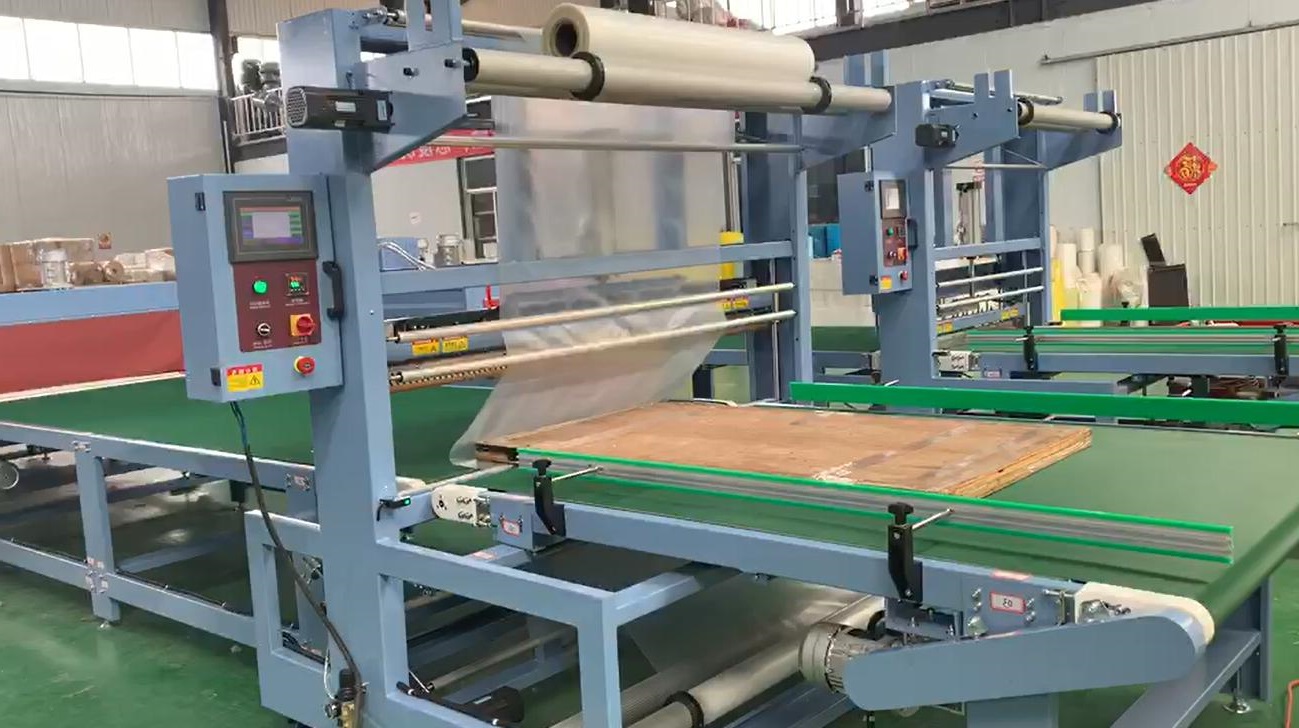
I started my career on the factory floor as a packing machine engineer. I know what it is like to deal with production issues every day. I later built my own packing machine factory. This experience gave me a deep understanding of what factory managers need. It is not just about a machine. It is about solving real problems. It is about improving the entire operation. Some suppliers just want to sell you a box. They do not understand your specific challenges. They do not care about your production bottlenecks or your safety concerns. They might not even offer proper after-sales service. This leaves you stranded if something goes wrong.
When you look for automation, you need a partner who asks about your pain points. They should ask about your current production flow, your specific door sizes, and your factory layout. They should listen to your goals for increasing output, improving safety, and reducing costs. This is what I strive to do at FHOPEPACK. We want to understand your needs before we recommend any solution. We look at the return on investment (ROI). We make sure that our solution will truly benefit your business over time. For example, I have worked with factories that initially thought they just needed a faster wrapper. After our discussions, we found they also needed a specific conveyor system to integrate with their existing line. This made the whole solution seamless and much more effective.
A true partner provides ongoing support. This includes installation help, operator training, and reliable technical service. It also means having spare parts readily available. This ensures minimal downtime for your machines. I have seen many clients grow their businesses significantly after they automated their packing lines with the right partner. They trusted us because we understood their world. We offered solutions that worked. This is the difference between a vendor and a partner. At FHOPEPACK, we believe in being your “MASTER WRAPPING MACHINE” partner. We are here to share our knowledge and expertise. We want to help you succeed in the competitive manufacturing landscape. It is about building a relationship that helps your business thrive for years to come.
Conclusion
Automating your door packaging boosts efficiency, improves safety, and cuts down on product damage. It is a smart investment for any factory. Partner with experts like us at FHOPEPACK. We help you find the right solution for your business growth.








