
How Can a Door Packing Machine Reduce Breakage During Long-Distance Shipping?
Shipping delicate items like doors over long distances can be a big problem. You want your products to reach customers in perfect condition, but damage during transit is a real nightmare. This can lead to costly returns, frustrated clients, and a lot of wasted time.
A door packing machine greatly reduces breakage during long-distance shipping. It does this by creating a secure, custom-fit package around the product. This protects items from impacts, moisture, and dust during transit. The automated process ensures consistent, high-quality wrapping every time.

I have spent many years in the packing machine industry. I started as an employee, then built my own successful factory. I have seen the challenges firsthand. I know what factory managers face every day. They need solutions that work, reduce costs, and keep workers safe. Let’s look deeper at how these machines deliver on these promises.
How Does Automated Door Packing Improve Product Protection?
You send out perfectly good products, but they arrive damaged. This frustrates customers and hurts your bottom line. Automated door packing is the key to preventing this.
Automated door packing improves product protection by applying a tight, multi-layered wrap. This shields products like doors from scratches, dents, and moisture. The machine wraps each item consistently, giving full coverage and strong support during shipping.
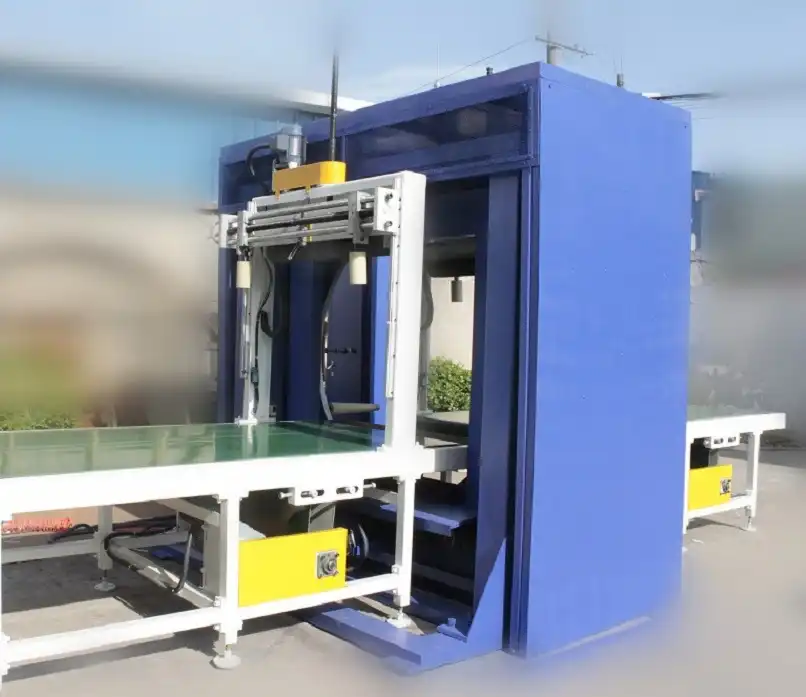
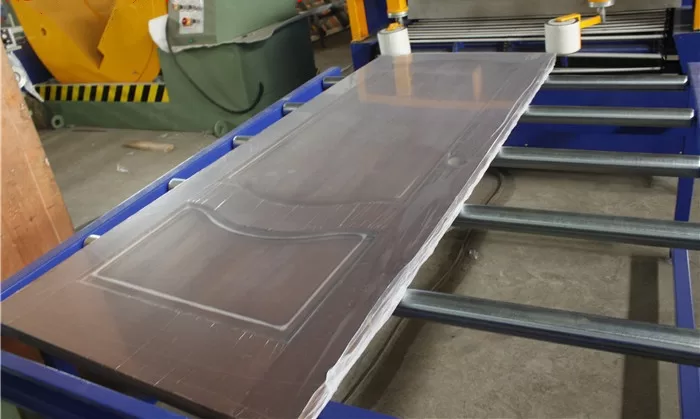
When I was building my own packing machine factory, I saw many times how a small bump could damage a large product. This is especially true for items like doors, which have edges and surfaces prone to scratches. Manual wrapping often misses spots or does not apply enough tension. This leaves gaps in protection. An automated door packing machine solves these problems. It applies wrapping materials like stretch film or bubble wrap with consistent tension. This creates a strong, protective layer around the entire door. This machine can also use different wrapping materials. You can choose bubble film, foam, or stretch film. Each material offers a different level of protection. The machine ensures the material covers all sides. It also makes sure the material holds tight. This means the door does not shift inside the package. This prevents internal damage from movement.
Understanding Transit Risks
Doors face many risks during shipping. These include bumps, vibrations, and drops. Moisture and dust can also cause damage. Manual packing often cannot handle these risks well. A machine can apply multiple layers. It can also apply them in a way that absorbs shock. This helps keep the door safe from impacts.
The Role of Wrapping Material
The right wrapping material is important. Automated machines can use strong, durable films. These films are hard to tear. They also resist water. This means your doors stay dry and clean. The machine wraps the material tightly. This creates a protective barrier.
Consistency is Key
Manual packing quality can change. It depends on the worker. It also depends on their energy level. A machine does the same job every time. This means every door gets the same high level of protection. This consistency reduces your risk of damage claims. It also builds trust with your customers. They know they will get undamaged goods.
| Feature | Manual Packing | Automated Packing |
|---|---|---|
| Protection | Varies, often inconsistent, gaps | Consistent, full coverage, shock absorption |
| Material Use | Often wasteful, uneven application | Optimized, tight, efficient application |
| Damage Rate | Higher due to human error and fatigue | Much lower due to precise machine control |
| Moisture/Dust | Less effective barrier | Stronger, more reliable barrier |
This type of consistent protection is critical for long-distance shipping. It means fewer customer complaints. It also means less money lost to damaged goods.
Can a Door Packing Machine Truly Boost Your Shipping Efficiency?
Manual packing slows down your entire shipping process. This creates bottlenecks, delays deliveries, and adds to labor costs. A door packing machine transforms your efficiency.
Yes, a door packing machine boosts shipping efficiency significantly. It automates a labor-intensive task. This frees up workers for other jobs. The machine also wraps items much faster than human hands. This speeds up the entire packaging line.
I remember early in my career, we often had a line of finished products waiting to be packed. This was a clear bottleneck. We needed more people, but even with more hands, the speed was limited. An automated machine runs non-stop, at a consistent speed. This means your doors move from production to shipping without delay. A door packing machine can process many items per hour. This is much faster than a team of workers. This speed means you can handle higher production volumes. It also means you can meet tight deadlines more easily. The machine works without breaks. It does not get tired. This constant operation ensures a smooth workflow. It also prevents backlogs in your packing area.
Speed and Throughput Gains
The main benefit is speed. A machine can wrap a door in minutes. A person might take much longer. This difference adds up. Over a day, week, or month, you can pack far more doors. This increased throughput directly improves your factory’s output. It means you can ship more products.
Reducing Labor Dependency
Manual packing requires many workers. These workers spend time on a repetitive task. An automated machine needs only one or two operators. This frees up your labor force. You can assign these workers to other parts of your factory. They can do jobs that need human decision-making. This optimizes your workforce. It also makes your operations more lean.
Seamless Workflow Integration
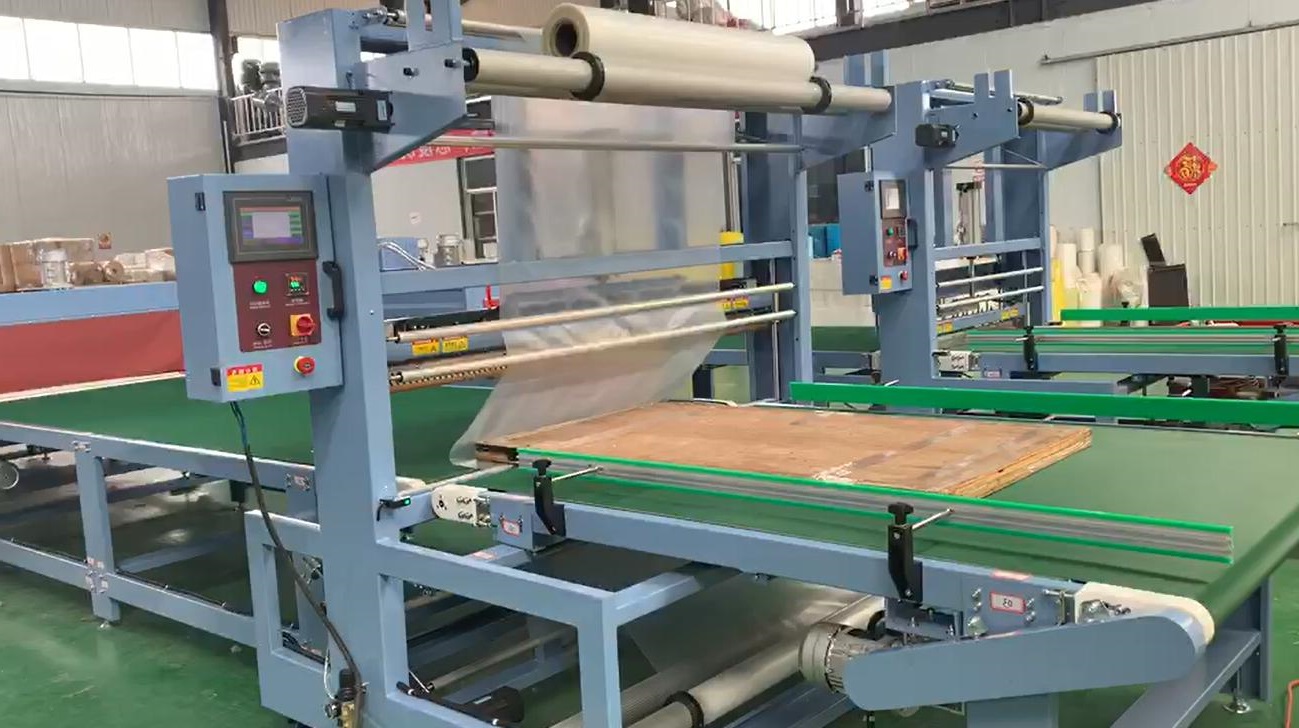
A door packing machine can fit into your existing production line. It often works with conveyors. This means doors move directly from assembly to packing. This removes extra handling steps. It also reduces the chances of delays. This integration creates a smooth and continuous flow. It makes your whole process more efficient.
| Aspect | Manual Packing | Automated Packing |
|---|---|---|
| Speed | Slow, inconsistent, limited | Fast, consistent, high volume |
| Labor Needs | High, repetitive tasks | Low, supervisory roles |
| Bottlenecks | Common at packing stage | Minimized, smooth flow |
| Production Fit | Often separate, disjointed | Seamless, integrated |
| Output | Lower daily/weekly capacity | Higher daily/weekly capacity |
This improved efficiency means your products get out the door faster. This makes your customers happy. It also makes your operations more profitable.
What Safety Advantages Does a Modern Door Wrapper Bring to Your Factory?
Moving and packing heavy doors manually is risky. Workplace injuries are costly, both in insurance and human terms. Modern door wrappers prioritize safety.
A modern door wrapper brings major safety advantages to your factory. It removes the need for workers to lift and maneuver heavy doors. This greatly reduces the risk of muscle strains, cuts, and crush injuries. It creates a much safer work environment for your team.

In my experience, worker safety is not just a cost, it is a moral duty. I have seen too many injuries in factories. In coil packing and steel wire packing, we always looked for ways to make the job safer. Handling large, heavy items like doors by hand is dangerous. An automated machine takes the heavy lifting out of the equation. This protects your most valuable asset: your people. Workers no longer have to lift or flip heavy doors. This prevents back injuries, strains, and sprains. The machine does the hard work. It also wraps the doors without human contact. This reduces the risk of cuts or pinches. Many machines have safety features. These include emergency stop buttons. They also have safety sensors. These sensors stop the machine if a person gets too close. This creates a much safer workspace. It helps your factory meet safety rules.
Eliminating Manual Strain
Manual handling of heavy objects is a leading cause of workplace injuries. Doors are large and can be heavy. Workers can strain their backs or arms. They can also drop the doors. This can hurt their feet or other body parts. An automated door wrapper removes this manual effort. The doors move on conveyors or rollers. The machine does the wrapping. This saves your workers from physical strain.
Ensuring a Safer Workspace
Beyond direct handling, the packing area itself becomes safer. Less manual movement means less chance of trips or falls. There are fewer people moving around with heavy items. This reduces congestion. It also lowers the risk of accidents. The machine operates in a defined space. It keeps workers out of harm’s way.
Impact on Worker Morale
When workers feel safe, their morale improves. They know their employer cares about their well-being. This can lead to higher job satisfaction. It also reduces employee turnover. A safer workplace means less absenteeism due to injuries. This creates a more stable and productive team.
| Safety Aspect | Manual Packing | Automated Packing |
|---|---|---|
| Injury Risk | High (strains, cuts, crushes, drops) | Very Low (machine handles heavy loads) |
| Ergonomics | Poor (repetitive bending, lifting) | Excellent (minimal human interaction) |
| Workspace | Cluttered, potential for falls | Clear, designated machine area |
| Compliance | Harder to meet safety regulations | Easier to ensure compliance |
| Worker Morale | Can be low due to perceived risks | Higher due to safer environment |
Investing in a door packing machine is an investment in your people. It shows you care about their safety. This builds a strong, reliable workforce.
How Does This Investment Lead to Long-Term Cost Savings?
Every damaged product and every extra labor hour eats into your profits. These hidden costs add up quickly. Investing in a door packing machine delivers clear financial returns.
This investment leads to long-term cost savings in several ways. It lowers labor costs by reducing the need for manual workers in packing. It also cuts down on product damage during transit. This means fewer returns and less rework. Over time, these savings add up to a strong return on investment.
When I established my own packing machine factory, every investment had to make financial sense. It was not just about buying a machine; it was about buying a solution that would pay for itself. For example, reducing product damage directly impacts your bottom line. Fewer damaged goods mean fewer returns, fewer reshipments, and happier customers. This also means you spend less on additional packing materials to over-protect manually packed goods. Think about the costs of a damaged product. You lose the material cost. You lose the labor cost to make it. You also pay for shipping it to the customer. Then you pay for shipping it back. You might also pay to ship a new product. All these costs disappear with better packing.
Beyond Initial Purchase: True ROI
The upfront cost of a machine can seem high. But you must look at the long-term return on investment (ROI). This machine saves money in many areas. It saves on labor. It saves on material waste. It saves on damage claims. These savings quickly add up. They often pay for the machine in a few years. After that, it is pure profit.
Lowering Operational Expenses
Automated packing uses materials more efficiently. It applies film tightly. It does not waste material like manual processes can. This reduces your material costs. Also, fewer damaged goods mean less rework. It means less time spent on customer complaints. It means less money spent on expedited shipping for replacements. All these lower your daily operating expenses.
Boosting Customer Satisfaction and Loyalty
Fewer damaged products mean happier customers. Happy customers are more likely to order from you again. They are also likely to recommend you to others. This boosts your company’s reputation. It also leads to more sales in the long run. This is a big, but often overlooked, cost saving. It prevents you from losing customers to competitors.
| Cost Area | Manual Packing Costs | Automated Packing Savings |
|---|---|---|
| Labor | High wages, benefits, injury costs | Significantly reduced, redeployed staff |
| Product Damage | High (returns, rework, reshipments) | Very low (fewer claims, higher quality) |
| Material Use | Inefficient, higher waste | Optimized, reduced waste |
| Customer Issues | High (complaints, lost business) | Low (increased satisfaction, loyalty) |
| Insurance | Potentially higher premiums due to injuries | Potentially lower due to safer workplace |
This investment is not just about a machine. It is about building a more resilient and profitable business for the future.
Conclusion
A door packing machine solves breakage, boosts efficiency, and improves safety. It is a smart investment for any factory aiming for growth and reliable operations.








