
Is Orbital Stretch Wrapper More Cost-Effective Than Manual Labor in Indonesia?
Have you ever looked at your packing line in Indonesia and felt a growing pressure? The rising labor costs, the slow pace, and the constant worry about worker safety can really take a toll. Many factory managers I talk to are facing these exact issues. They see their competitors moving faster, and they know their current manual processes are holding them back. This problem is not just about today’s production; it impacts future growth and your factory’s ability to compete.
Yes, an orbital stretch wrapper is often much more cost-effective than relying solely on manual labor in Indonesia, especially for businesses dealing with coil packing and other heavy, bulky products. While the initial investment might seem significant, the long-term savings in labor costs, increased efficiency, improved safety, and reduced product damage consistently demonstrate a strong return on investment for Indonesian factories looking to modernize their operations.

Understanding this cost-effectiveness means looking beyond just the sticker price of a machine. It means considering all the hidden costs and missed opportunities that come with manual packing. Let’s dive deeper into how automation can transform your Indonesian factory and what it means for your bottom line. I will share my own experiences and show you how to truly evaluate this investment.
Is Manual Labor a Hidden Cost for Indonesian Factories?
Are you still relying heavily on manual labor for your packing needs in Indonesia? Many factory managers, just like Michael Chen, tell me they worry about the long-term impact of this choice. They see high employee turnover, increasing wages, and constant quality control issues. This reliance on human hands, while traditional, might actually be draining your profits in ways you do not even realize. It creates many hidden costs.
Manual labor in Indonesian factories often carries many hidden costs beyond just wages, including high worker turnover, increased training expenses, lower packing consistency, higher rates of product damage, and significant workplace safety risks. These factors combine to make manual processes less cost-effective in the long run compared to automated solutions like orbital stretch wrappers.
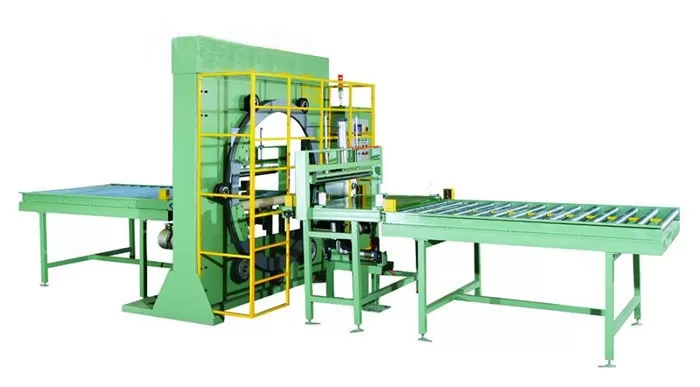
For years, I saw these problems first-hand when I worked on the factory floor. Later, when I started my own packing machine factory, I knew we had to find better ways. I saw how clients struggled with manual processes. It was a tough lesson. Now, I share this knowledge with others so they do not make the same mistakes. We need to look at the full picture of manual labor costs.
Uncovering the True Cost of Manual Packing
Manual packing seems simple on the surface. You hire workers, they pack products. But the reality is more complex. There are many costs that do not show up on a simple payroll. We need to break these down to see the real impact.
-
Labor Wages and Benefits:
- This is the most obvious cost. Wages in Indonesia are rising. This means your operational expenses increase year after year. Beyond the base salary, you must consider benefits, overtime, and mandatory contributions. These add up fast. For example, if you need ten workers for packing, their combined wages and benefits for a year can be very high. This is a recurring cost that grows over time.
- My experience: When I first started as an employee, I saw how much effort went into manual packing. Later, when I had my own factory, I needed to manage these costs effectively. It was a big challenge to balance fair wages with maintaining profit margins. Many clients told me their biggest headache was the rising cost of a large packing team.
-
Training and Turnover:
- Manual packing jobs are often repetitive and sometimes physically demanding. This can lead to high employee turnover. When workers leave, you must spend money and time to recruit and train new ones. This cycle costs a lot. Each new hire means less productivity during their training period. It also means more resources spent by supervisors. If you replace packing staff often, these costs become a significant drain on your budget.
- Consider this: A factory in Jakarta might spend thousands of dollars each year just on replacing and training packing staff. This money could be invested in technology instead.
-
Safety Risks and Insurance Premiums:
- Packing heavy or awkward items, like steel coils or wire bundles, involves significant risks. Workers can suffer injuries from lifting, bending, or repetitive movements. These accidents lead to medical costs, lost workdays, and higher insurance premiums. A single serious injury can cost a factory tens of thousands of dollars. Beyond money, there is the human cost of suffering. A safe workplace is a productive workplace.
- Example: Michael Chen worries about his workers handling heavy molds. He knows the risk of injury is high. This directly impacts his insurance costs and employee morale. An orbital wrapper removes this risk by doing the heavy lifting and wrapping automatically.
-
Product Damage and Quality Control:
- Human error is a fact of life. In manual packing, this can lead to damaged products. A dented steel coil edge or a scuffed wire bundle means customer complaints and financial losses. You might need to re-pack items or even offer discounts. This affects your reputation and your profit margin. Manual methods also mean inconsistent wrapping quality. Some packages might be too loose, others too tight. This compromises product protection during transit.
- Table: Manual vs. Automated Packing Quality
| Feature | Manual Packing | Automated Packing (Orbital Wrapper) |
|---|---|---|
| Consistency | Varies with worker skill and fatigue | High, uniform wrap tension and overlap |
| Product Damage | Higher risk due to human handling errors | Very low, machine handles product carefully |
| Wrap Speed | Slow, depends on worker speed | Fast, consistent machine speed |
| Material Usage | Can be inconsistent, sometimes wasteful | Optimized, consistent film usage |
| Protection Level | Subject to worker judgment, can be inconsistent | Reliable, consistent protection |
- Inefficiency and Bottlenecks:
- Manual packing is slow. It often creates a bottleneck at the end of the production line. This slows down your entire operation. If your factory can produce items faster than it can pack them, you are losing money every minute. This is lost production capacity. In a fast-paced market like Indonesia, speed matters. Delaying shipments due to slow packing can lead to customer dissatisfaction and missed opportunities.
- A real concern: I have seen factories where millions of dollars of finished goods sit waiting to be packed. This is a huge opportunity cost.








