
For Indonesia’s Humid Climate, Orbital Stretch or Shrink Film Works Best?
Indonesia’s climate brings tough challenges for any factory manager, especially when it comes to packaging. You put in so much work to create quality products like steel coils or wire rods. But what happens if they get damaged by moisture or corrosion during transport? This problem is more common than you think. It leads to huge losses, angry customers, and a lot of headaches. You need a reliable packing method, one that stands up to the heat and humidity.
When protecting products in Indonesia’s humid climate, orbital stretch wrapping generally offers a more versatile and cost-effective solution than shrink film. It provides a tight, water-resistant barrier that protects against moisture and physical damage, especially for irregularly shaped or heavy items like steel coils and wire, without needing high heat or causing product distortion.
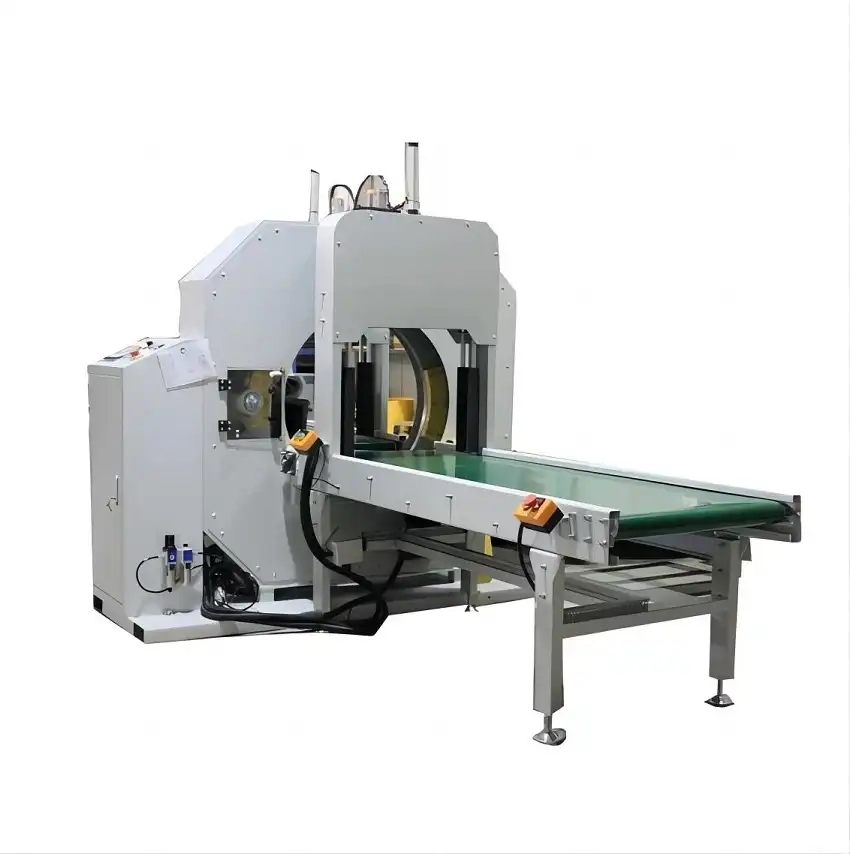
I know the pressure you face. As someone who built a packing machine factory from the ground up, I understand that every decision about equipment impacts your bottom line. So, let us look closer at how orbital stretch wrapping and shrink film compare in this challenging environment. We can then see which one truly masters the packing process for you.
What Challenges Does Indonesia’s Humid Climate Bring to Packing?
Imagine your perfectly produced steel coils leaving the factory, only to arrive at the customer’s site with rust spots or damaged edges. This is a common and costly problem in humid regions like Indonesia. The constant moisture in the air is a silent enemy, attacking your products and your packing materials. It puts immense stress on your operations.
Indonesia’s high humidity and warm temperatures create several major packing challenges, including corrosion of metal products, degradation of packing materials, increased risk of mold and mildew, and reduced shelf life for goods if not properly sealed and protected.
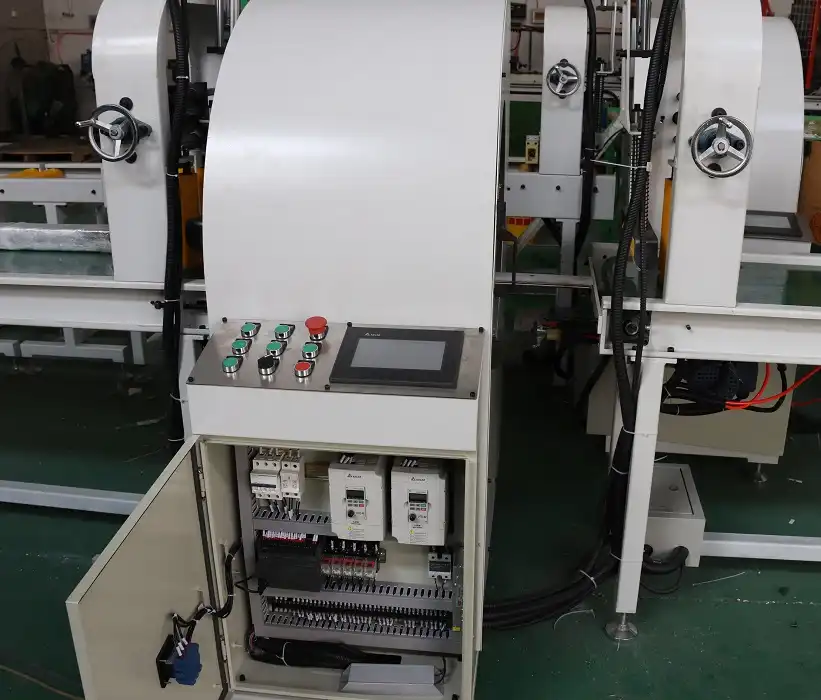
The tropical climate of Indonesia, with its high humidity and warm temperatures, directly impacts how long your products last and how they look. I have seen firsthand how these conditions can ruin good work. When I first started in the packing machine industry, many clients struggled with these issues. They invested in machines, but not always the right ones for their specific climate. This led to product damage and unhappy customers. Let us break down the specific problems:
The Silent Threat of Moisture
- Corrosion for Metals: For industries dealing with metals, like steel coils or wire rods, moisture is public enemy number one. High humidity causes metal to rust. Even a tiny amount of condensation inside the package can lead to costly surface damage. This damage often means rejected shipments and profit loss. It is a problem I faced with my own clients who produce heavy-duty materials. We had to find solutions that offered an absolute barrier.
- Material Degradation: Not just your products are at risk. The packing materials themselves can suffer. Some films become brittle or lose their strength in high heat and humidity. This makes them less effective at protecting what is inside. Imagine your film tearing during transit. This exposes your product to all the elements you wanted to protect it from. This is a critical point. A good packing material should maintain its integrity, not fail when needed most.
- Mold and Mildew Growth: Humidity also creates a perfect breeding ground for mold and mildew. While this might be less of a concern for raw steel, it can affect inner packaging materials like cardboard or even some protective coatings. Any sign of mold makes your product look unprofessional and can lead to customer complaints. It can also contaminate other products in storage.
- Reduced Product Integrity: Overall, inadequate protection in humid conditions means your product’s quality can drop. This affects its market value. For factory managers like Michael, who focus on efficiency and reducing product loss, these challenges are daily battles. You need a packing solution that acts as a strong shield. It must withstand the environment from the moment the product is packed until it reaches its final destination. It is not just about wrapping a product; it is about guaranteeing its condition.
How Does Orbital Stretch Wrapping Tackle Humidity?
You need a packing solution that truly seals your products away from the elements. Orbital stretch wrapping is often seen as a champion in this fight against humidity. It offers a unique method to protect your goods, especially those challenging, heavy items like steel coils and long wire bundles.
Orbital stretch wrapping tackles humidity by creating a multi-layered, tightly sealed package that acts as a physical barrier against moisture ingress. The stretch film, applied under tension, conforms to the product’s shape, eliminating gaps where humidity could penetrate and securing it firmly for protection against both environmental and physical damage.
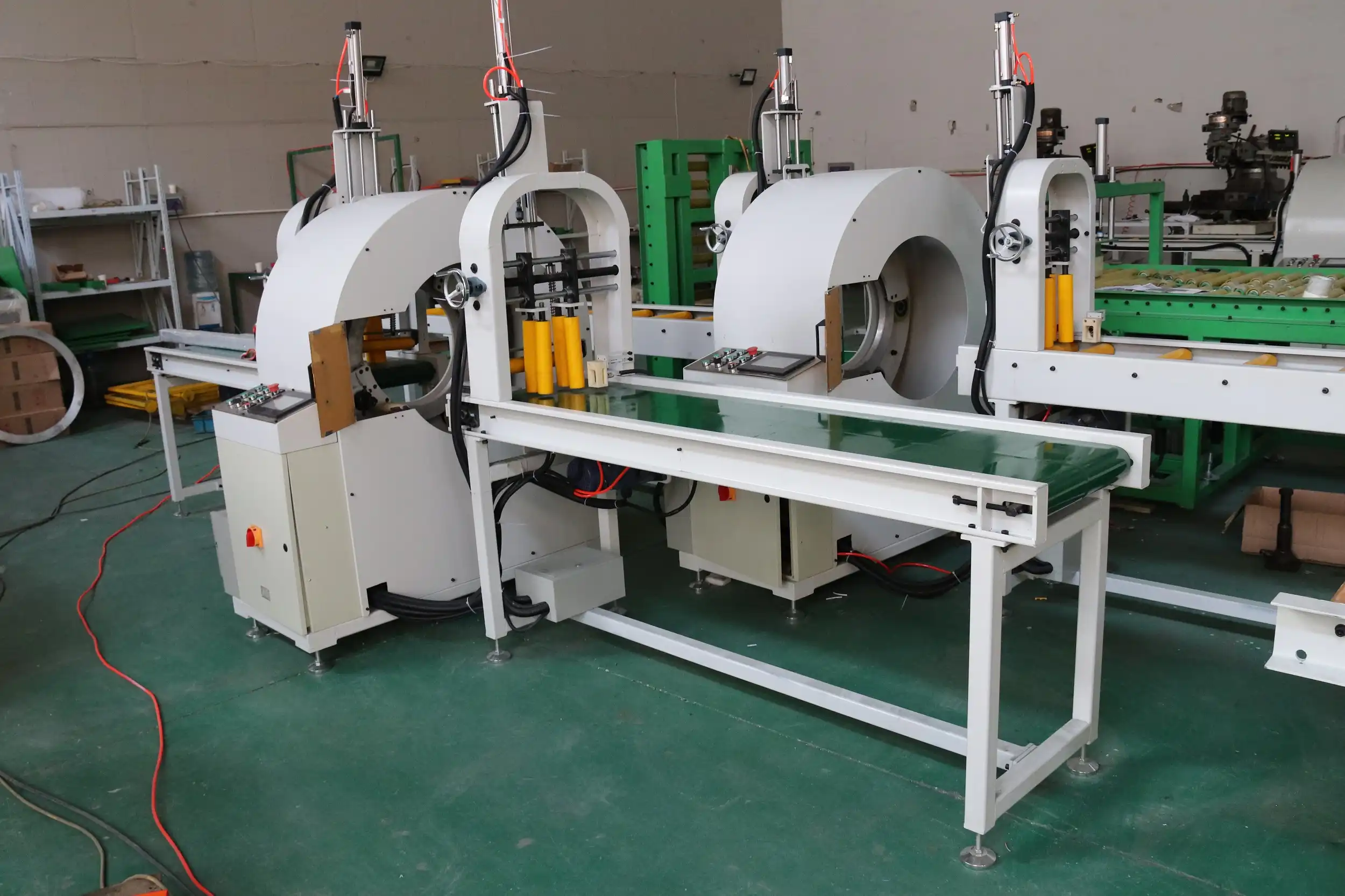
I have spent years perfecting packing machine designs. Orbital wrappers quickly became a favorite for many of my clients, especially those dealing with heavy metal products. They needed something robust. The old manual methods were slow, dangerous, and did not protect against rust. Orbital wrapping changed that. It automated a critical process and gave them reliable protection. Here is how it works its magic:
The Mechanics of a Moisture Barrier
- Continuous Overlap for a Seal: The orbital wrapper uses a rotating ring that moves around the product. It applies stretch film in a continuous spiral motion. This creates multiple layers of overlapping film. Each layer adds to the barrier. This tight, continuous overlap is key. It eliminates open seams or gaps. Humidity cannot easily find its way in. It is like wrapping your product in a protective cocoon.
- Film Tension and Conformity: The machine stretches the film tightly around the product. This tension is very important. It pulls the film snugly against the item’s surface. This conformity means there are fewer air pockets where moisture can condense. For irregularly shaped items, like a coil of steel wire, this tight wrap is very effective. It holds the product firmly and prevents shifting, which could cause film damage.
- Protection Against Physical Damage: Beyond moisture, orbital wrapping also offers excellent protection against physical damage. The multiple layers of stretched film absorb impacts. They prevent scratches and scuffs that can occur during handling and transport. This is crucial for Michael’s factory, where product damage is a major concern. It means fewer customer complaints and more profit.
- Versatility for Various Products: Orbital wrappers are highly versatile. They can pack a wide range of products, from small bundles to large, heavy coils. This flexibility makes them a strong choice for diverse manufacturing operations. My own factory builds machines specifically designed for heavy-duty applications. This allows factories to pack different items on the same line. This boosts overall efficiency and cuts down on labor. The film itself often has good moisture resistance. Many modern stretch films are engineered with properties that further enhance their barrier capabilities. They resist punctures and tears. This ensures the integrity of the package, even in challenging environments. This robust protection is a major reason why many choose orbital stretch wrapping for their vital products.
Can Shrink Film Offer Better Protection in High Humidity?
When we talk about protecting products from humidity, shrink film often comes up as a contender. It is known for creating a very tight, form-fitting package. But the question is, does this translate to better protection in a high-humidity environment like Indonesia, especially for industrial goods?
Shrink film can offer excellent protection in high humidity by creating a tight, sealed package that conforms precisely to the product’s shape, effectively minimizing air pockets and forming a strong barrier against moisture and dust. However, its effectiveness for heavy industrial items, like steel coils, is often limited by its application process and material properties compared to the more robust nature of stretch film.

My journey in the packing machine industry has shown me that every technology has its place. Shrink film is fantastic for certain products. But it is not a one-size-fits-all solution, especially when dealing with the heavy, tough demands of industries like steel or wire processing. I have advised many clients who considered shrink film. We always looked closely at their specific needs.
Understanding Shrink Film’s Role
- How Shrink Film Works: Shrink film is a polymer plastic film. It shrinks tightly over a product when heat is applied. This heat can come from a heat gun or a shrink tunnel. The film wraps around the item. It then shrinks, pulling tight to form a secure, clear, and often tamper-evident package. This tight fit certainly reduces air pockets inside.
- Moisture Barrier Properties: When shrunk properly, the film creates a solid barrier. This barrier is very effective against dust and some moisture. For smaller, lighter products, or items that need a very clear presentation, shrink film works well. The tight seal helps keep out external moisture.
- Limitations for Heavy Industrial Goods: However, for large, heavy industrial products like steel coils or bundles of wire, shrink film presents some challenges.
- Application Difficulty: Applying shrink film to an irregularly shaped, heavy coil is complex. It requires large, specialized shrink tunnels or powerful heat guns. This process can be slow and use a lot of energy.
- Film Strength: While strong, typical shrink films might not offer the same level of puncture and tear resistance as heavy-duty stretch films. Heavy metal products can have sharp edges or rough surfaces. These can easily damage shrink film, breaking the moisture barrier.
- Cost and Energy: The cost of the film itself can be higher. The energy needed for the shrinking process adds to operational costs. This affects the overall ROI for a factory manager.
- Product Cooling: With heat application, there is also the need for product cooling afterward. This adds another step to the process. For hot-rolled products, this could even be an advantage, but for finished products, it is an extra consideration.








