
Is It Time to Upgrade Your U.S. Slit Coil Packing Line for Industry 4.0?
Many U.S. metal processing plants run on outdated packing lines. These old systems cause slow production. They lead to high labor costs. They also create serious safety risks. They make you less competitive. Is it finally time to embrace modern solutions and secure your factory’s future?
Yes, absolutely. Upgrading your U.S. slit coil packing line is no longer just an option. It is a critical step for survival and growth. Adopting Industry 4.0 principles makes your operations more efficient. It makes them safer. It also makes them ready for the future.
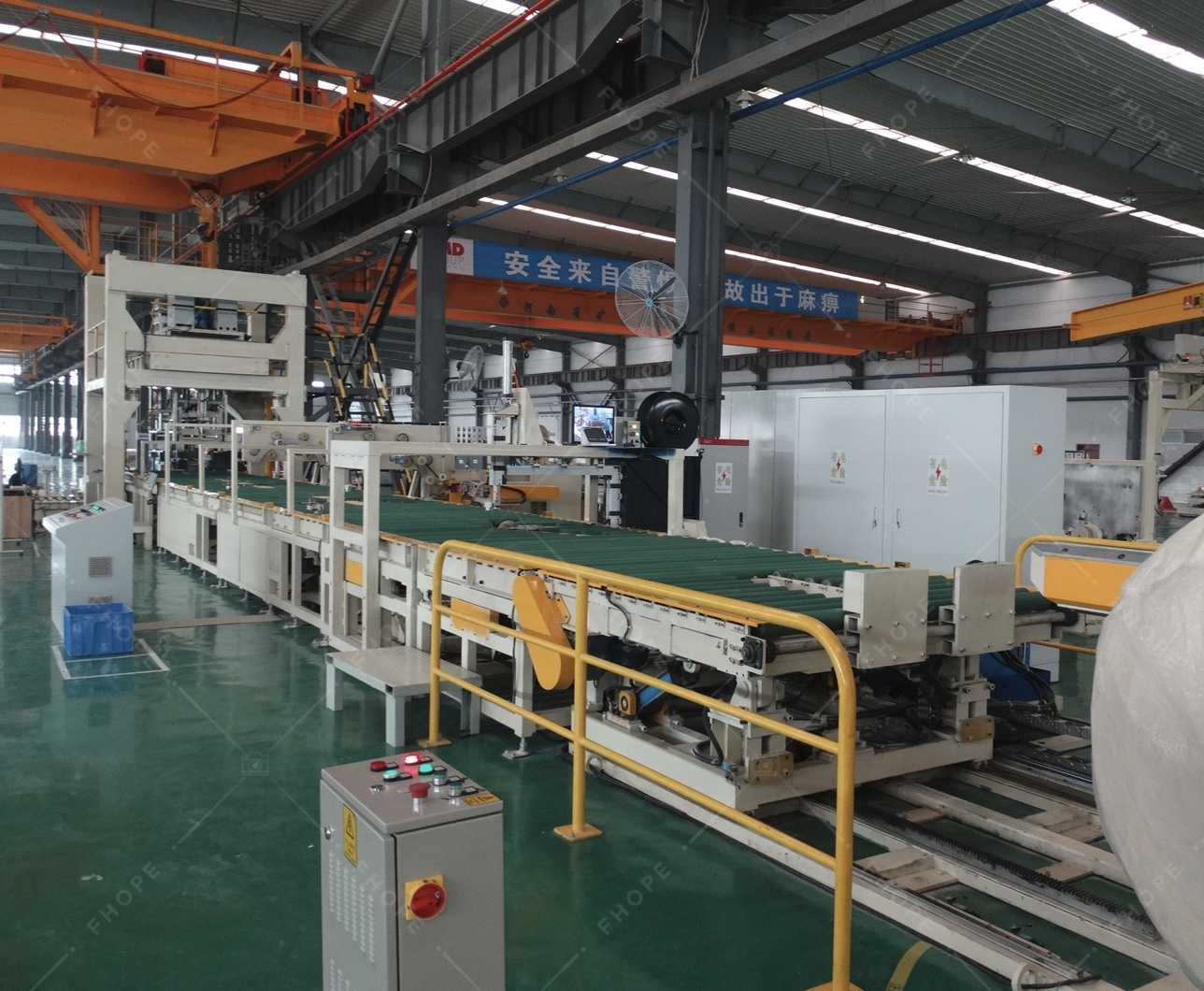
In this article, I will share my insights on why modernization is vital. I will also show you how the right partners and technologies can transform your production floor. Keep reading to see how these changes can help your business thrive.
Are Your Manual Packing Processes Holding Back Your U.S. Production?
Many U.S. factories still rely on manual labor for packing heavy coils. This outdated approach creates huge bottlenecks. It slows down your entire production line. It stops you from meeting delivery deadlines.
Yes, manual packing processes are definitely holding back U.S. production. They are inefficient. They increase labor costs. They make your factory less competitive in today’s fast-paced market.
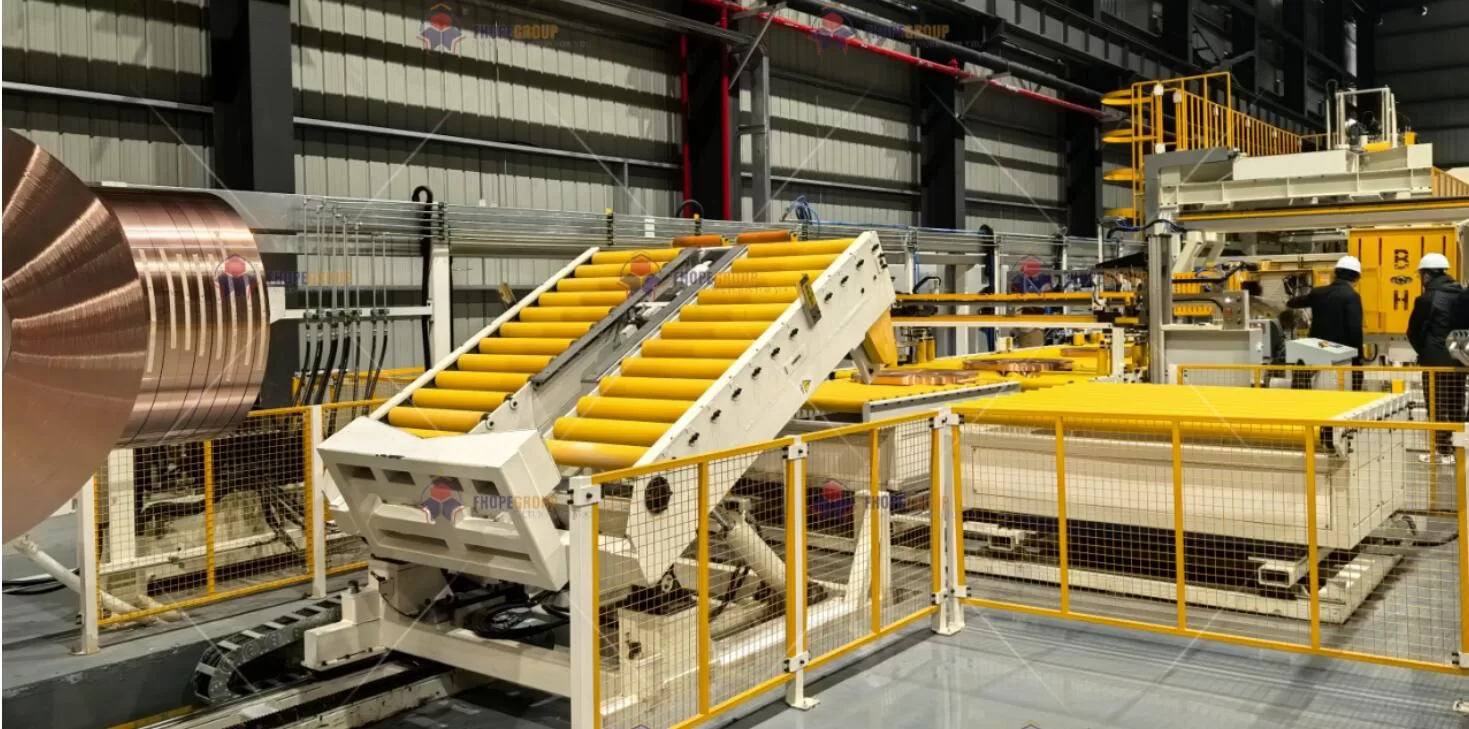
The reliance on human hands for heavy, repetitive packing tasks is a major roadblock. It does not just slow things down. It creates many other problems. Think about how long it takes to wrap a single steel coil by hand. Now multiply that by hundreds or thousands of coils per day. The time adds up quickly. This directly impacts your factory’s output. It means fewer products leave your dock each day. This slows down your cash flow. It can also lead to unhappy customers who wait too long for their orders. I remember when I first started working in a packing machine factory. We often had to move heavy parts by hand. I saw how tiring it was. I saw how slow it made everything. It was clear even then that there had to be a better way. This experience deeply shaped how I built FHOPEPACK. I always focus on solutions that take the heavy lifting away from people.
Manual processes also come with significant financial burdens. You pay for labor hours. You pay for overtime. You pay for health benefits and insurance. When workers get injured, you pay even more. This leads to higher operational costs overall. These costs eat into your profits. They make it harder to invest in other areas of your business. A factory manager like Michael knows this pain well. His current coil and wire packing process uses too much manual labor. This directly hurts his production speed and delivery times.
The Hidden Costs of Manual Labor
Manual labor might seem cheaper at first glance. But it carries many hidden costs. These costs can silently drain your company’s resources.
- Low Speed: Humans are simply slower than machines for repetitive tasks. This creates bottlenecks at the end of your production line.
- High Labor Cost: Wages, benefits, and overtime add up. A machine works 24/7 without needing breaks or extra pay.
- Quality Variation: Human error can lead to inconsistent packing. This results in damaged products and customer complaints.
- Increased Training: New employees need training. This takes time and resources away from other tasks.
- Higher Insurance Premiums: More workplace accidents mean higher insurance costs for your business.
Safety: A Non-Negotiable Priority
Safety is perhaps the most critical concern. Manually handling heavy objects like steel coils or wire bundles is extremely dangerous. Workers can suffer back injuries. They can crush limbs. They can even face fatal accidents. When I was an employee, I saw minor and major injuries happen. It was always a concern. I knew that a safe workplace was a productive workplace. Investing in automated solutions greatly reduces these risks. It protects your most valuable asset: your employees. A safer workplace also means less worker turnover. It means lower insurance costs. It builds a positive company culture. The concern about “safety hazards” from manual handling is very real for many U.S. metal processing plants. It needs a real solution.
| Factor | Manual Packing | Automated Packing |
|---|---|---|
| Speed | Slow, inconsistent, bottleneck | Fast, consistent, high throughput |
| Labor Cost | High (wages, overtime, benefits) | Low (reduced labor needs) |
| Safety Risk | High (injuries, fatigue, accidents) | Very Low (machines handle heavy loads) |
| Product Quality | Inconsistent, prone to damage | Consistent, protects products |
| Operational Hours | Limited by human shifts and fatigue | 24/7 capability, consistent performance |
| ROI | Negative (hidden costs, low efficiency) | Positive (cost savings, increased output) |
Automating your packing line is not just about efficiency. It is also about protecting your team. It is about building a sustainable and profitable future.
Can Advanced Packing Solutions Protect Your Products and Your Profits?
Damaged products during packing or transfer cost U.S. businesses a lot of money. These losses lead to customer complaints. They hurt your reputation. They cut into your profits.
Yes, advanced packing solutions can definitely protect your products and profits. They ensure your valuable slit coils and wire bundles arrive at the customer in perfect condition. This boosts customer satisfaction and reduces financial losses.

Product damage is a silent killer of profits. When you process expensive materials like steel coils or wire, even small scratches or dings can make a product unsellable. Or it leads to customer rejections. In many factories, product damage during internal transfer and packing is a constant headache. It causes customer complaints. It leads to financial losses. This is not just about the cost of the damaged product itself. It is also about the cost of rework. It is about shipping new products. It is about losing a customer’s trust. I have seen countless businesses struggle with this. Many times, they do not even realize how much money they are losing. This is where modern packing solutions make a huge difference. They are designed to handle products gently. They ensure a consistent, protective wrap every time.
Current manual methods often involve rough handling. This can cause coils to rub against each other. It can cause edges to chip. It can cause packaging to tear. All of these lead to damage. Automated systems remove this human element of inconsistency. They use precise movements. They apply consistent tension. They use the right amount of packaging material. This means your products are protected from the moment they are wrapped until they reach your customer’s door.
The Cost of Damaged Goods
Damaged products are more than just a nuisance. They carry a heavy financial burden for any manufacturing plant.
- Direct Material Loss: The value of the product itself is lost.
- Rework and Replacement Costs: You might need to re-process or send a new product, doubling your production effort.
- Shipping Expenses: Extra shipping for replacements adds to your costs.
- Customer Dissatisfaction: Unhappy customers may switch to competitors. This leads to lost future business.
- Reputation Damage: Your brand’s image suffers when quality is inconsistent.
How Automation Ensures Product Integrity
Automated packing lines are engineered for precision and protection. They minimize any chance of damage.
- Consistent Wrapping: Machines apply materials with uniform tension and coverage. This creates a secure, protective layer.
- Gentle Handling: Automated systems use conveyors, manipulators, and robotic arms. These systems move products without human error or fatigue.
- Reduced Contact: Less human contact means fewer chances for scratches or dents during the packing process.
- Optimized Material Use: Machines use just the right amount of packaging. This reduces waste. It also ensures full protection.
My Commitment to Quality
When I founded FHOPEPACK, my mission was clear. I wanted to build machines that truly solved problems. I had seen too many products get damaged because of poor packing methods. I believed that every coil and every wire bundle deserved to be delivered in perfect condition. My factories always focused on precision engineering. We used durable materials. We designed our machines to withstand harsh industrial environments. We built our systems to protect your products like they were our own. This commitment to quality is at the core of everything we do. It is how we help businesses reduce product loss and improve their bottom line. It is how we build long-term partnerships.
Is Embracing Industry 4.0 the Key to Your U.S. Factory’s Future?
Many U.S. factories are unsure about adopting Industry 4.0. Not embracing these smart technologies means falling behind competitors. It means missing out on huge efficiency and profit gains.
Yes, embracing Industry 4.0 is absolutely the key to your U.S. factory’s future. It offers tools for real-time data. It provides predictive maintenance. It gives seamless integration. This makes your operations smarter, more reliable, and much more profitable.

Industry 4.0 sounds like a complex concept. For many U.S. factory managers, it might seem intimidating. But it is simply about using smart technology to make your factory run better. It involves connecting machines. It involves collecting data in real-time. It involves using this data to make better decisions. For a slit coil packing line, this means your machines can tell you when they need maintenance. They can adjust speeds automatically based on production flow. They can communicate with other systems in your plant. This level of connectivity and intelligence is what makes a factory truly future-ready. It moves you away from reactive problem-solving to proactive management. This is where real efficiency gains happen. It is where you find the competitive edge.
Many factory managers are cautious about new investments. Especially if they have had bad experiences with vendors in the past. They worry about getting stuck with equipment that does not deliver. This is why partnering with someone who understands your challenges is so important. When I built my own packing machine factory, I was always looking for ways to optimize. I saw how data could transform operations. I saw how smart machines could reduce downtime. This passion for practical, effective solutions is built into FHOPEPACK. We do not just sell machines. We provide solutions designed to give you a clear return on your investment.
Understanding Industry 4.0 for Packing
Industry 4.0 is not just buzzwords. It brings tangible benefits to your packing line.
- Internet of Things (IoT): Sensors on machines collect data on performance, temperature, and wear.
- Big Data Analytics: This collected data is analyzed to find patterns and predict issues.
- Artificial Intelligence (AI) / Machine Learning (ML): Used for predictive maintenance, quality control, and optimizing packing parameters.
- Cloud Computing: Allows data to be stored and accessed from anywhere, enabling remote monitoring.
- Cyber-Physical Systems (CPS): Machines communicate and cooperate with each other and with humans.
These technologies mean less guesswork. They mean less downtime. They mean more consistent quality. They help you pinpoint inefficiencies that you cannot see with traditional methods.
The ROI of Smart Automation
Investing in Industry 4.0-ready packing lines provides a clear return on investment. It is not just an expense. It is a strategic move that boosts your factory’s profitability.
- Reduced Downtime: Predictive maintenance prevents unexpected breakdowns. This saves repair costs and keeps production flowing.
- Optimized Resource Use: Smart systems help manage energy and material consumption more efficiently.
- Higher Throughput: Machines run closer to their optimal capacity, increasing output without more effort.
- Lower Labor Costs: Automation reduces the need for manual oversight and repetitive tasks.
- Improved Product Quality: Consistent, automated processes reduce defects and reworks.
A factory’s goal is to achieve cost reduction and efficiency through clear ROI. Industry 4.0 provides the framework to measure and achieve this.
Building Trust in a Digital Age
The “supplier trust crisis” is a real issue for many U.S. businesses. Many companies only focus on the sale. They forget about the after-sales support. My journey taught me the importance of being a true partner. I achieved financial independence through building strong, trusting relationships. I helped my clients grow their businesses. I made sure their investments paid off. This is why FHOPEPACK is built on knowledge sharing. We want to understand your challenges. We want to provide tailored solutions. We do not just sell you a machine. We give you the expertise and support to make your investment successful. This commitment to partnership is especially vital when adopting advanced technologies like Industry 4.0. You need a guide you can trust.
Conclusion
Upgrading your U.S. slit coil packing line for Industry 4.0 is a smart move. It boosts efficiency, enhances safety, and increases profits. Partnering with experts like FHOPEPACK helps you achieve these goals.








