
Innovations in Coil Strapping for the Steel Industry
Are your steel coils secured with outdated methods? Problem: Inefficient or unreliable strapping leads to damaged goods, safety hazards, and costly delays. Agitate: Imagine coils shifting during transit, causing potential disasters. Solve: Discover the cutting-edge innovations in coil strapping that are transforming logistics and ensuring unparalleled security for your valuable steel products.
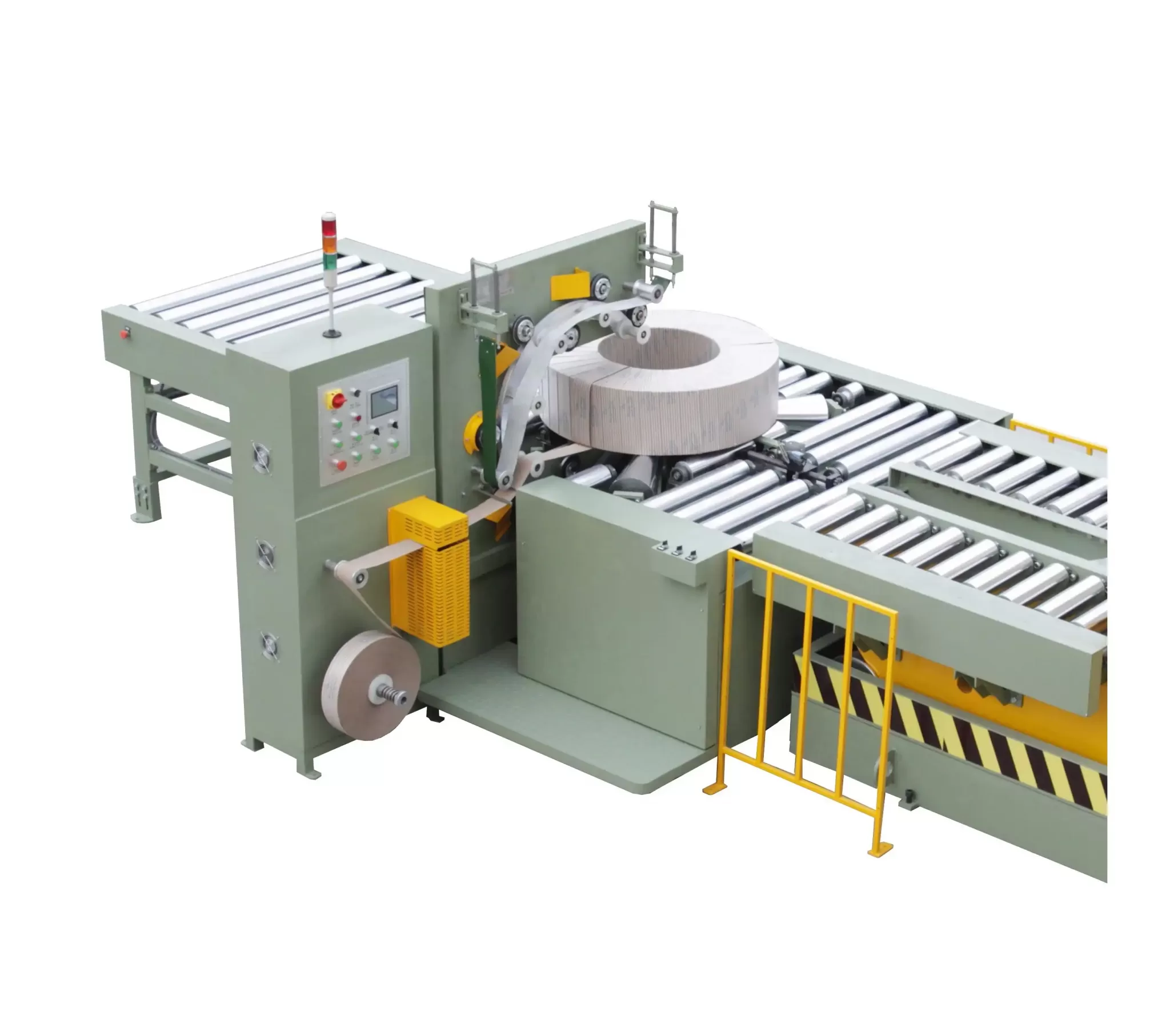
Innovations in coil strapping for the steel industry focus on enhancing security, efficiency, and safety through advanced materials, automation, and specialized tools. New high-tensile steel alloys and durable surface treatments provide superior strength and corrosion resistance. Automated strapping machines integrated into production lines ensure consistent tension and faster processing, significantly reducing manual labor and improving throughput. These advancements are critical for protecting heavy, valuable steel coils during handling, storage, and long-distance transportation.
Securing massive steel coils isn’t just about applying a band; it’s a critical engineering challenge. As the steel industry evolves, so must the methods used to package and protect its products. The latest innovations are addressing long-standing issues of load integrity, operational speed, and worker safety. Stay with us as we delve into the materials, tools, and techniques setting new standards in coil strapping.
The Foundation of Strength: Understanding Steel Strapping for Coils
Selecting the correct strapping material is paramount for the steel industry. Steel coils, due to their immense weight and density, require strapping with exceptionally high tensile strength to prevent shifting and unwrapping during transport and handling. Traditional methods relied on basic steel bands, but modern demands necessitate materials engineered for peak performance under extreme stress.
For steel coil strapping, materials must possess high tensile strength and elongation to withstand the immense forces exerted by heavy loads. Steel banding, particularly high-tensile variants, is the industry standard due to its ability to secure loads exceeding 5,000 pounds and its resistance to high temperatures encountered during the steel manufacturing process. Innovations include specialized alloys and surface treatments that enhance durability, rust resistance, and safety during application.

Material Science and Performance Metrics
The effectiveness of a steel strap is defined by its material composition and key performance indicators like tensile strength and elongation. Different steel grades and treatments yield distinct properties, tailored for specific applications within the steel industry supply chain.
Steel Grades and Their Properties
The base material is typically high-quality carbon structural steel, with grades like Q195, Q235, Q345B, or DB460 commonly used. Higher grade steel generally offers greater tensile strength.
- Q195: Suitable for general-purpose strapping, offering adequate strength for lighter steel products or specific bundling needs.
- Q235: A common standard, providing a good balance of strength and flexibility for many steel coil applications.
- Q345B/DB460: High-tensile steel grades specifically engineered for heavy-duty applications, such as securing massive steel coils and structural steel, where maximum load containment is critical.
Key Performance Indicators
Beyond the steel grade, specific metrics quantify the strap’s ability to perform under load.
- Tensile Strength: This measures the maximum stress the strap can withstand before breaking. For heavy steel coils, tensile strength often ranges from 550 Mpa up to 980 Mpa or even higher (Super Heavy Duty Steel Strapping boasts an average tensile strength of 950 Mpa). Higher tensile strength means fewer straps might be needed or provides a greater margin of safety.
- Elongation: This is the percentage the strap can stretch before fracturing. Elongation allows the strap to absorb shocks and maintain tension as the load settles or shifts during transit. Typical values range from 3% for standard straps up to 12% for more ductile materials. Adequate elongation helps prevent sudden strap failure under dynamic stress.
- Dimensions (Width and Thickness): These physical dimensions directly impact the strap’s overall strength and suitability for different tools and coil sizes. Standard widths can range from 9.5mm to 45mm, with corresponding thicknesses from 0.27mm to 1.5mm. Matching the strap dimensions to the coil size and weight, as well as the strapping tool, is crucial for effective load securement.
Understanding these material properties and metrics allows manufacturers and logistics professionals to select the most appropriate steel strapping for the demanding requirements of securing steel coils, ensuring product integrity and safety throughout the supply chain.
| Property | Q195 Steel Strap | Q235 Steel Strap | DB460 Steel Strap (High-Tensile) | Super Heavy Duty Steel Strap |
|---|---|---|---|---|
| Tensile Strength | 550-700 Mpa | 680-780 Mpa | 880-980 Mpa | ~950 Mpa (Min 880 Mpa) |
| Elongation | 3-6% | 6-8% | 8-12% | Min 8% |
| Typical Use | General Bundling | Standard Coils | Heavy Coils, Structural Steel | Extreme Loads |
| Application Stress | Moderate | High | Very High | Maximum |
Strapping Technologies: Tools for Efficiency and Safety
The strongest strap is only as effective as the tool used to apply it. In the steel industry, where time is money and safety is paramount, the choice of strapping tool significantly impacts operational efficiency and the reliability of the securement. Modern strapping tools are designed to provide consistent tension, secure seals, and improve worker ergonomics compared to older manual methods.
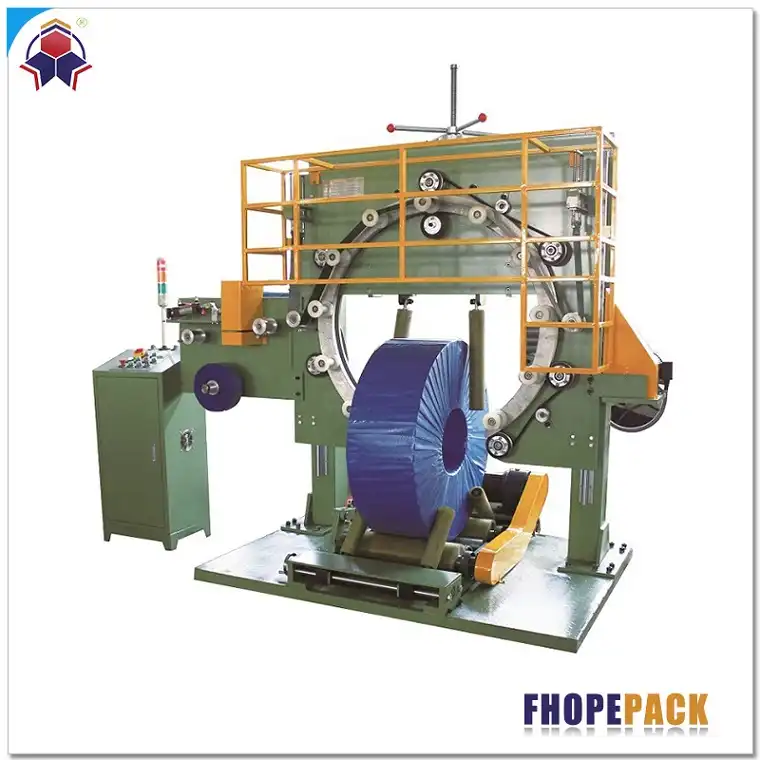
Choosing the right strapping tool is crucial for efficiently and safely securing steel coils. While manual tools exist, pneumatic and battery-powered tools are preferred for heavy-duty steel strapping due to the high tension required. These power tools reduce manual effort, ensure consistent strap tension and sealing, and dramatically increase speed and productivity compared to hand tools, which is vital for securing large, heavy steel loads.
Manual, Pneumatic, and Battery-Powered Solutions
Strapping tools range from simple manual devices to sophisticated automated systems. For steel coil strapping, the sheer force required often necessitates power tools.
- Manual Strapping Tools: Handheld tools that rely entirely on operator effort for tensioning and sealing. While cost-effective for very low volume or specialized situations, they are generally impractical for the high-tension needs of heavy steel coils and can lead to operator fatigue and inconsistent results.
- Pneumatic Strapping Tools: Powered by compressed air, these tools offer high tensioning force and reliable sealing with minimal physical effort from the operator. They are robust, durable, and widely used in heavy industrial settings like steel mills. Pneumatic tools are ideal for static workstations or areas with readily available air lines, offering speed and consistency for securing heavy steel loads.
- Battery-Powered Strapping Tools: These tools offer the power of pneumatic tools but with enhanced mobility. Using rechargeable batteries, they provide freedom of movement around large coils or in areas without air hookups. While historically more common for plastic strapping, powerful battery-powered tools for steel strapping are becoming increasingly available, offering flexibility for various coil configurations and locations. They are designed for efficiency and provide consistent tension and sealing with electronic control.
Matching the strapping tool to the application involves considering factors like the weight and shape of the coil, the required speed of operation, the working environment, and budget. For high-volume operations securing heavy steel coils, automated strapping machines integrated into production lines offer the ultimate in speed, consistency, and safety, utilizing pneumatic or electric power to tension and seal multiple straps simultaneously around the coil eye or circumference. These machines minimize manual intervention, reducing the risk of injury and maximizing throughput. Specialized machines like wire rod compactors or systems designed for specific coil types further optimize the strapping process.
Beyond the Basics: Advanced Strapping Methods and Customization
Simply applying a standard steel strap isn’t always sufficient for the rigors of the steel industry supply chain. Innovations extend to the surface treatments of the strapping material itself and specialized packaging techniques that enhance durability, weather resistance, and ease of use. These advancements provide tailored solutions for different types of steel products and transport conditions.
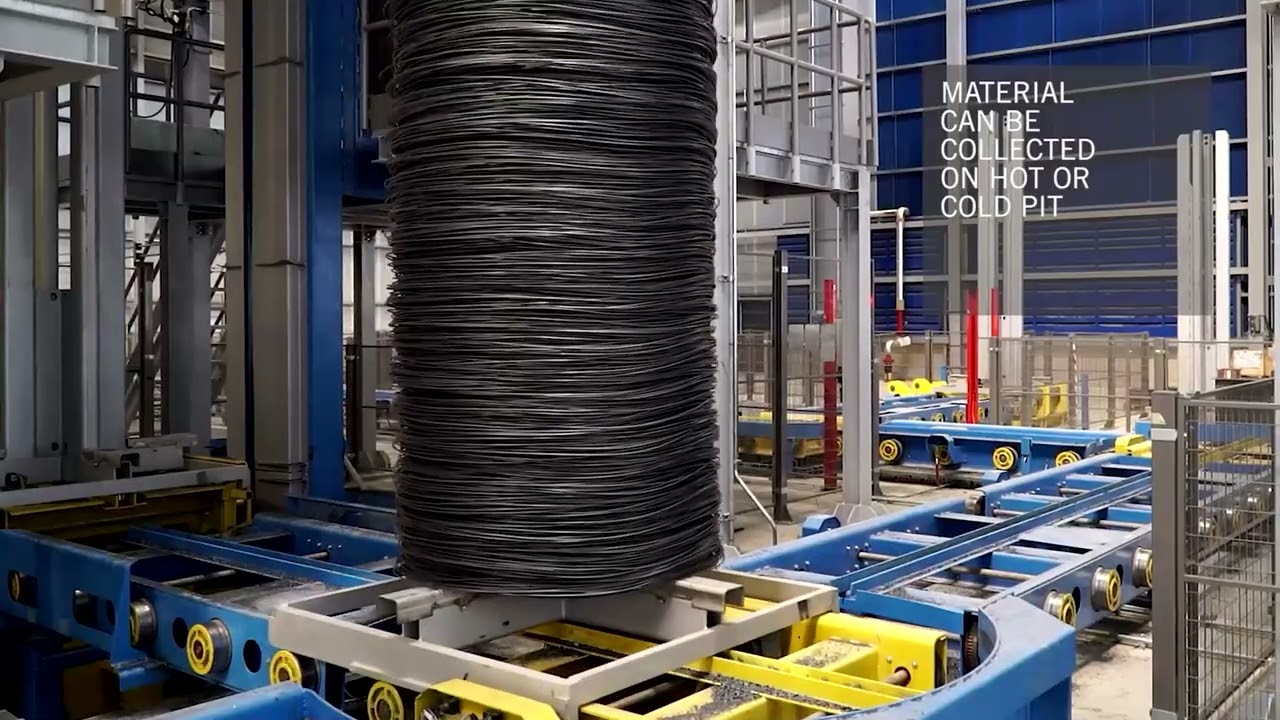
Advanced steel strapping for coils goes beyond basic strength by incorporating specialized surface treatments like bluing, painting, galvanizing, or waxing to resist corrosion and improve handling. Customized coil weights and dimensions, along with sophisticated packaging methods like plastic film, waterproof paper, and protective cloths, ensure material integrity and prevent damage during storage and transit, even in harsh environments. These innovations contribute significantly to secure packaging and prolong strap lifespan.
Surface Treatments for Enhanced Performance
The surface finish of steel banding provides crucial properties beyond raw tensile strength, primarily focusing on corrosion resistance and lubrication for tools.
Different Surface Treatments and Their Advantages
- Bluing: A heat treatment process creating a protective ferroferric oxide film. Often combined with anti-rust oil. Provides basic rust resistance suitable for temporary storage or transport in controlled environments. It’s a cost-effective treatment.
- Painting: Applying a paint layer provides enhanced rust resistance and can prevent rust marks on sensitive products. Offers good protection and is considered more environmentally friendly than some oiled finishes. Often applied after bluing or galvanizing.
- Galvanized: Applying a zinc coating provides superior protection against rust and corrosion, making it ideal for outdoor storage or maritime transport. Suitable for securing loads exposed to moisture or harsh weather conditions. Represents a more robust, but often more expensive, solution.
- Primary Color (White): Essentially cold-rolled steel with an anti-rust oil layer. Offers the lowest cost but minimal environmental protection. Suitable for applications where rust is not a significant concern or where coils are transported/stored indoors for short durations. Used in some construction applications due to cost and appearance.
- Waxed/Oiled: Applying wax or oil improves lubrication, which is essential for efficient feeding through automatic or pneumatic tools and helps protect against rust. Different oils or waxes can be used depending on the application and desired level of protection.
Packaging Innovations for Coil Strapping
The way coil strapping is packaged before use is also critical for preventing unwrapping mess (as highlighted in user reviews) and protecting the material from environmental damage.
- Coil Holder/Dispenser: Plastic or metal dispensers help manage the coiled strap, preventing it from springing open and becoming tangled. This improves safety and usability.
- Protective Wrappings: Layers of waterproof paper, plastic film, paper scroll, blue scroll, or white scroll, followed by outer layers like hessian cloth, corrugated cardboard, or cartons. These protect the strap from moisture, dust, and physical damage during transit and storage.
- Palletization: Bundling multiple rolls (e.g., 2 to 5 rolls) and placing them on wooden or iron pallets for easier handling via forklift and secure stacking.
- Jumbo Coils & Mini Coils: Offering coils in various weights (e.g., mini rolls +/- 0.5kg tolerance, jumbo rolls 150kg-400kg) allows users to match coil size to their specific application volume and equipment, reducing changeovers or waste.
These advancements in surface treatment and packaging ensure that the steel strap maintains its integrity and performance until the moment it’s applied, contributing to more reliable and secure packaging outcomes for steel coils.
| Feature | Blued Steel Strap | Painted Steel Strap | Galvanized Steel Strap | Primary Color (White) Strap |
|---|---|---|---|---|
| Primary Treatment | Heat + Oxide Film | Bluing/Galvanizing + Paint | Zinc Coating | Cold Rolled + Oil |
| Rust Resistance | Basic (with oil) | Good | Excellent | Minimal (oil only) |
| Environmental Impact | Moderate | Better | Moderate | Moderate |
| Cost | Low | Medium | High | Lowest |
| Appearance | Blue-black | Various colors | Dull gray/silver | Bright white |
| Best Use Case | Basic indoor bundling | General cargo packing | Harsh outdoor/sea transport | Cost-sensitive indoor use |
Choosing the Right Strapping Solution for Your Steel Coils
Selecting the optimal strapping method for steel coils involves a comprehensive evaluation of the product, logistics, and operational environment. It’s not a one-size-fits-all decision. Considering the specific characteristics of the load and its journey is essential to ensure maximum safety and efficiency, while also managing costs effectively.
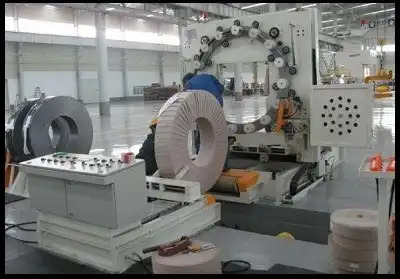
Choosing the right steel coil strapping solution involves assessing load weight, shape, transportation method, and environmental exposure. Steel strapping is essential for heavy, high-temperature, or odd-shaped coils, often applied with pneumatic or automatic tools for efficiency and safety. Innovations in material grades and surface treatments enhance performance and durability. Application-specific machines and optimized packaging further improve the process, ensuring robust secure packaging for steel coils.
Factors to consider include:
- Weight of the Load: Heavy coils (over 5,000 pounds) invariably require high-tensile steel strapping. The heavier the coil, the stronger the strap and often, the more straps are needed.
- Shape of Each Load: Standard cylindrical coils are common, but slit coils or irregular bundles may require specific strapping patterns or application methods. Steel strap’s flexibility, especially with tools, allows adaptation to various shapes.
- Application Method (Manual, Automatic, Machine): High volume production lines demand automated strapping machines integrated into the process. Lower volume or diverse applications might use mobile pneumatic or battery tools. Manual tools are rarely suitable for heavy steel coils.
- Transportation Method: Open rail cars or flatbed trucks expose coils to weather and significant dynamic forces, necessitating galvanized or painted strapping and robust tensioning. Enclosed containers offer more protection but still require securement against shifting.
- Weather Conditions & Shipping Duration: Long-distance transport or exposure to moisture and temperature fluctuations dictate the need for rust-resistant strapping (galvanized or painted) and appropriate packaging.
- Budget: While safety and security are paramount, cost is a factor. Balancing the required performance characteristics with material and equipment costs is part of the decision-making process.
Leading manufacturers offer a range of application-specific strapping machines designed for the steel industry, such as horizontal strapping systems, wire rod compactors, or specialized machines for bar, rod, and pipe applications. These machines are engineered to apply steel or PET strap efficiently and reliably to heavy, challenging loads. By carefully analyzing these factors and consulting with experts, businesses in the steel industry can invest in the optimal strapping solutions to protect their valuable products from the point of manufacture through to delivery.
Conclusion
Innovations in coil strapping are fundamentally improving how the steel industry secures its products. From advanced high-tensile steel alloys and corrosion-resistant finishes to highly efficient pneumatic, battery-powered, and automated strapping machines, the focus is on increasing load integrity, boosting operational speed, and enhancing worker safety. Implementing these modern secure packaging solutions is crucial for protecting valuable steel coils, reducing transit damage, and ensuring efficient logistics. Finding the right tools and materials, perhaps even a full coil packing line, is a strategic investment for any steel operation aiming for reliability and success in a demanding global market.








