
How to Upgrade an Aging Line in Australia with a coil strapping machine to Boost Throughput by 20%?
Is your factory in Australia struggling with slow production lines? Are old, manual packing methods slowing down your entire operation? Many manufacturers face this. They know they need to speed things up, but do not know where to start. Every slow step means lost output. It means missed deadlines. It means less profit for your business. What if you could solve these problems? What if you could boost your throughput by 20% or more?
Upgrading an aging line in Australia with a modern coil strapping machine can significantly boost throughput by automating slow, manual processes. This upgrade reduces labor costs, improves safety, and minimizes product damage, allowing factories to pack coils faster and more efficiently. By replacing outdated equipment, businesses can achieve a 20% or higher increase in production capacity, meeting demand and improving profitability.
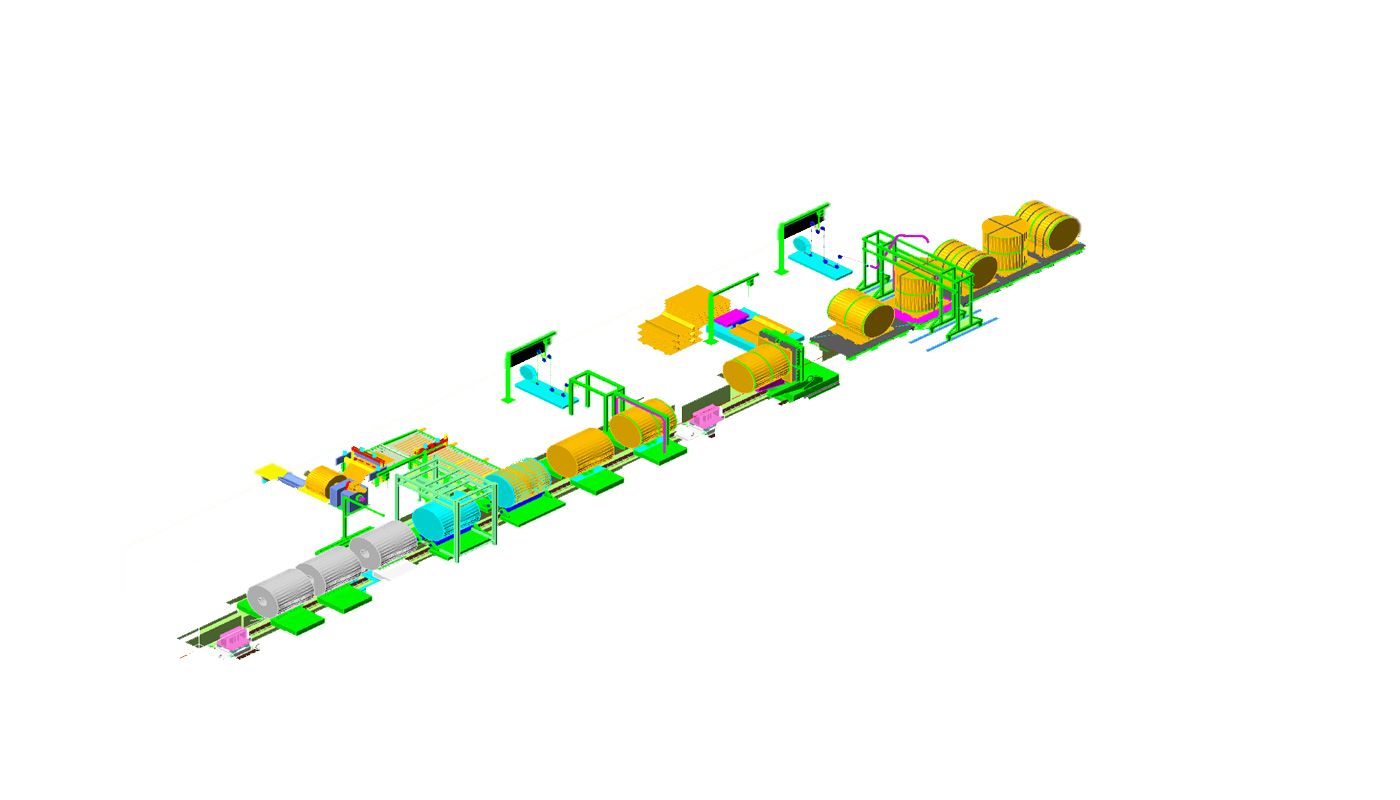
You might think upgrading is a big task. It can be. But the right changes can bring big rewards. I have seen it many times. My own journey in the packing machine industry taught me this. I started small. I worked hard. I built my own successful factory. Now I want to share what I learned. Let us look at how you can transform your factory line.
Why Are Manual Coil Strapping Methods Holding Back Your Throughput?
Is your packing area a bottleneck? Are workers struggling to keep up with production demands? This often happens when you use old, manual coil strapping. It stops your whole line from moving forward. It cuts into your efficiency. This bottleneck means finished products pile up. It means delays. It means unhappy customers. It keeps your business from growing. We need to fix this bottleneck. We need to look at what automation can do for you.
Manual coil strapping methods significantly reduce throughput due to slow, labor-intensive processes. They create bottlenecks at the end of the production line, limiting overall factory output. These methods lead to inconsistent strapping tension, slower cycle times, and increased product handling, directly impacting delivery speeds and production efficiency. Adopting automated solutions removes these constraints.
Many factories still use old ways to pack coils. They use manual tools. Workers handle heavy straps by hand. This might seem cheap at first. But the true cost is high. I saw this in my early days. When I worked in a packing machine factory, we often heard about these issues. Later, when I built my own factory, I made sure we avoided these traps. Manual work is slow. Each coil takes a long time to strap. Workers get tired. Their speed slows down during the day. This creates delays. Your coils finish production. But they wait. They wait to be packed. This waiting time means you cannot ship them. It means you cannot make more products. Your overall output goes down.
Think about a typical day.
Manual Strapping Bottlenecks:
- Slow Cycle Times: Each coil takes minutes to strap by hand. A machine does it in seconds. This difference adds up. It can mean hours of lost production each day.
- Inconsistent Quality: Workers might strap coils differently. Some are too tight. Some are too loose. This can lead to issues later. Loose straps mean coils move in transit. They can get damaged. Tight straps can harm the product or the strap itself. A machine applies constant tension. It makes every strap the same. This gives you consistent, high-quality packing.
- High Labor Dependence: You need many workers for manual strapping. If one worker is sick, the whole line slows down. If you cannot find enough workers, you have a big problem. An automated machine needs one operator. It works without breaks. It works at the same speed all day. This makes your production predictable. It takes away the reliance on many people for a simple task.
Let us compare the two ways.
| Feature | Manual Coil Strapping | Automated Coil Strapping Machine |
|---|---|---|
| Speed | Slow, variable | Fast, consistent |
| Labor Needed | High | Low |
| Consistency | Low | High |
| Safety | Low (high risk) | High (low risk) |
| Throughput | Limited by human speed | High, machine-driven |
| Product Damage | Higher risk | Lower risk |
Investing in automation is not just about speed. It is about reliability. It is about control. It is about getting your products out the door faster. This helps you serve more clients. It helps you grow your business. That is what I always wanted for my clients.
How Can a Coil Strapping Machine Make Your Factory Safer for Workers?
Are your workers at risk? Do they lift heavy objects? Do they deal with sharp edges? Manual packing tasks often put people in harm’s way. This causes injuries. It raises your insurance costs. Worker injuries are bad for everyone. They hurt your employees. They hurt your company’s reputation. They lead to high turnover. You lose good people. We can make your factory much safer. We can use machines to do the dangerous work.
A coil strapping machine significantly enhances worker safety by removing the need for manual handling of heavy coils and sharp strapping materials. It reduces the risk of back injuries, cuts, and crush accidents associated with traditional methods. Automation minimizes direct human interaction with the product during the strapping process, creating a safer work environment and lowering worker compensation claims.

Safety is very important. I learned this early in my career. A safe workplace is a productive workplace. When workers feel safe, they work better. They stay with your company longer. In heavy industries like steel, safety is a huge concern. Manual coil packing involves many dangers. Workers bend and lift. They pull heavy straps. They walk near large, moving coils. One wrong move can cause a serious injury.
Dangers of Manual Packing:
- Back Injuries: Coils are heavy. Straps are heavy. Workers often bend in awkward ways to apply them. This puts stress on their backs. Over time, many workers get chronic back pain. They miss work. Some cannot work at all. An automated machine lifts and positions the strap. It does not need a human to bend or strain.
- Cuts and Lacerations: Steel strapping is sharp. When workers handle it, cuts are common. They can get deep cuts. These need medical attention. They can get infected. A coil strapping machine feeds the strap automatically. It seals it. Workers do not touch the sharp edges.
- Crush Injuries: Large coils can roll. If a worker is too close, a coil can pin them. This can cause very serious injuries. Automated systems usually have safety barriers. They have light curtains. They have sensors. These stop the machine if a worker enters a danger zone. This keeps people safe.
- Fatigue-Related Accidents: When workers are tired, they make mistakes. Manual strapping is tiring. As the day goes on, the risk of accidents goes up. A machine does not get tired. It performs the same way all day. This reduces human error related to fatigue.
When I started FHOPEPACK, I knew that safety had to be a core part of our solutions. We design machines to protect people. We want our clients to have a safe workplace. This focus on safety also helps your business. Less injuries mean less medical costs. Less time lost from work. Less insurance claims. It also means happier employees. They know you care about them. This builds trust. It makes your team stronger. A safe factory is a strong factory.
Can a Smart Investment in Automation Truly Reduce Product Loss and Boost Your ROI?
Are you losing money from damaged products? Do coils arrive at your customer with dents or scratches? This hurts your profits. It hurts your reputation. Every damaged coil is a loss. It means re-work. It means discounts. It means customer complaints. This directly impacts your bottom line. You can stop these losses. You can protect your product. You can see a real return on your investment with the right equipment.
Investing in an automated coil strapping machine can significantly reduce product loss by ensuring consistent, secure packaging that protects coils during transport and handling. This investment boosts ROI by cutting down on material waste, reducing labor costs, eliminating costly customer complaints from damaged goods, and improving overall operational efficiency. It provides a clear financial benefit over time.

Product damage is a silent killer of profits. I saw this many times. When I worked in the industry, I saw how easily coils could get damaged. Even small dents or scratches. These issues might seem minor. But they add up. They lead to financial losses. They also damage customer trust. No one wants to receive a product that is not perfect. An automated coil strapping machine can prevent much of this damage.
Let us look at how this happens.
How Automation Protects Your Product and Profit:
- Consistent Strapping Tension: Manual strapping often means inconsistent tension. If it is too loose, coils can shift. They can rub against each other. They can hit surfaces. This causes surface damage. If it is too tight, the strap itself can mark the coil. A machine applies the exact same tension every time. This holds the coil securely. It prevents movement. It protects the coil surface.
- Reduced Handling: Each time a human touches a coil or a strap, there is a risk. A machine handles the coil less. It straps it in place. This reduces the chances of dents, scratches, or other marks. It also prevents workers from dropping tools. It stops other mistakes that can damage the product.
- Less Material Waste: Manual strapping often leads to wasted strap material. Workers might cut too much. Or they might apply a strap poorly. They might need to re-do it. This means more material used. An automated machine cuts the exact length needed. It applies it right the first time. This saves you money on consumables.
- Lower Customer Complaints: When your products arrive perfect, customers are happy. Happy customers order again. They tell others about your good service. This helps your business grow. Fewer complaints mean less time dealing with issues. It means more time focusing on production.
I always tell my clients to look at the “Return on Investment,” or ROI. It is not just about the cost of the machine. It is about what the machine saves you. It saves you money on labor. It saves you money on damaged goods. It saves you money on insurance. These savings quickly add up. They pay for the machine. Then they start adding to your profit. It is a smart investment for the long run. My own factory grew because we focused on efficient, damage-free processes.
What Makes a Packing Machine Supplier a Trusted Partner, Not Just a Vendor?
Have you bought machines before? Did the supplier disappear after the sale? Did you get poor support? This can be very frustrating. It leaves you with problems. It makes you cautious. A bad supplier relationship wastes your time. It costs you money. It leaves you feeling unsupported. You need more than just a box. You need real help. Finding the right partner changes everything. They offer more than just equipment. They offer solutions and support.
A trusted packing machine supplier acts as a true partner, offering deep industry expertise, reliable after-sales support, and a commitment to understanding your specific operational challenges. Unlike a mere vendor who focuses only on sales, a partner provides expert guidance, helps optimize your processes, and ensures the equipment continues to perform, building long-term confidence and value.

I have been on both sides of this. I was an employee. I bought machines. Then I started my own factory. I became a supplier. I know what it is like to need help. I know what it is like to get a machine that does not quite fit. This is why FHOPEPACK is built on a different idea. We want to be your partner. We do not just sell machines. We solve problems.
Here is what makes a supplier a real partner:
Qualities of a Reliable Packing Machine Partner:
- Deep Industry Knowledge: They understand your specific factory needs. They know about coil packing. They know about heavy industry. They do not just read from a catalog. They have real experience. When I talk to clients, I share my own experience. I tell them what worked for me. I tell them what did not. This kind of knowledge is priceless. It helps you avoid mistakes. It helps you pick the right solution.
- Understanding Your Challenges: A good partner listens. They ask about your bottlenecks. They ask about your safety concerns. They ask about your product damage. They do not just push a product. They look at your whole operation. They suggest what will truly help you. This is what Michael Chen, a factory manager, truly wants. He wants someone who understands his world.
- Proven Solutions, Not Just Products: They offer machines that work. They have a history of success. They can show you case studies. They can explain how their machines solve problems like throughput, safety, and cost. They provide a clear path to achieve your goals. This means less risk for you. It means you can trust their recommendations.
- Strong After-Sales Support: This is very important. What happens if the machine breaks down? What if you need parts? What if you need training? A good partner offers strong technical support. They have spare parts ready. They can send engineers. They help you keep your machine running smoothly. Without this, even the best machine can become a headache.
- Commitment to Your Growth: A true partner wants you to succeed. When your business grows, their business grows. They are not just looking for a one-time sale. They are looking for a long-term relationship. They offer advice. They offer updates. They help you stay ahead. This is how I built FHOPEPACK. This is how I helped many of my clients grow. It is a win-win.
Choosing a machine is a big decision. Choosing the right partner is even bigger. It means you have someone reliable by your side. Someone who understands your factory. Someone who helps you reach your goals.

Conclusion
Upgrading your factory with a coil strapping machine boosts throughput, improves safety, and cuts costs. It transforms your operations and secures long-term growth.








