
How Do You Streamline Steel Coil Logistics Using Wrapping Lines and Automated Warehousing?
For years, I have seen too many metal processing plants struggle. They often face slow operations and high costs. Manual steel coil packing creates huge bottlenecks. This causes delays in delivery and upsets clients. It also impacts your bottom line. I know this problem well because I lived it and built solutions around it.
You can streamline steel coil logistics by integrating advanced wrapping lines with automated warehousing systems. This approach replaces manual, slow processes. It boosts efficiency. It improves safety. It reduces product damage. This creates a smooth flow from production to shipment.

If you are a plant manager, you understand these pressures. You need to improve output, lower costs, and keep your people safe. This article will show you how modern packing and handling solutions can change your operations. We will look at specific challenges and real solutions. Keep reading to see how you can transform your plant’s efficiency.
Is Manual Steel Coil Packing Slowing Your Operations?
Are you still using a lot of people to pack steel coils and wire? This method is slow. It is also very inefficient. It creates a major bottleneck at the end of your production line. This directly impacts your ability to meet delivery times. It holds back your overall growth.
Manual steel coil packing often causes bottlenecks. It uses too many people. It reduces speed. Automated wrapping lines solve this. They bring speed and precision. They remove the human error that slows down your production.

In my early days, when I worked at a packing machine factory, I saw this problem everywhere. Factories would produce so much, but then everything would slow down at the packing stage. I saw plants losing money simply because of slow packing. This bottleneck can limit your entire plant’s output. It prevents you from taking on more orders. It wastes valuable time and labor. It is a critical area to fix for any growing business.
Why Manual Processes Create Bottlenecks
Manual packing might seem cheaper at first. But it costs a lot in the long run. People work slower than machines. They also get tired. They make mistakes. This means inconsistent packing quality. It means damaged products. It means more time spent on each coil. This all adds up.
The Hidden Costs of Manual Coil Packing
- Slow Throughput: Each coil takes too much time. This slows down the whole production line.
- High Labor Costs: You need many workers for this job. Wages add up fast.
- Inconsistent Quality: Human packing varies. It can lead to poor protection for the product.
- Increased Error Rate: Mistakes happen. This can cause reworks or damaged goods.
How Automated Wrapping Lines Solve This
Automated wrapping lines are different. They work fast. They work consistently. They do not get tired. They wrap coils quickly. They apply the same tension every time. This means better protection. It means higher throughput. It means less product damage.
Benefits of Automated Wrapping
| Feature | Manual Packing | Automated Wrapping Line |
|---|---|---|
| Speed | Slow, depends on worker speed | Fast, consistent cycles |
| Consistency | Varies, prone to human error | High, uniform wrap tension and pattern |
| Labor Needs | High, many workers needed | Low, few operators needed to monitor |
| Product Protection | Often inconsistent, potential for damage | Excellent, tight, secure wrapping |
| Cost Efficiency | High long-term labor costs, potential losses | Lower operating costs, higher ROI over time |
Automated systems can wrap a coil in minutes. A person might take much longer. This speed alone can double or triple your packing capacity. It allows your plant to produce more. It lets you ship faster. This helps you meet customer demands better. It improves your reputation in the market. Investing in these machines changes how you do business. It frees up your workers for more skilled tasks. It makes your factory more modern and competitive. I have seen plants transform by making this single change. They move from constant stress to smooth operations. This is a game-changer for many factories.
Can Automated Wrapping Lines Really Boost Workplace Safety?
Are your workers still handling heavy steel coils by hand? Are they flipping pallets manually? This is very dangerous. It causes many workplace injuries. These injuries lead to high insurance costs. They also cause high employee turnover. Your people are your most valuable asset. Their safety must be first.
Yes, automated wrapping lines greatly boost workplace safety. They remove the need for manual handling of heavy items. This reduces the risk of sprains, crushing injuries, and falls. Machines do the dangerous lifting and turning. This protects your workers from harm.

When I built my own packing machine factory, safety was always a top priority. I saw too many incidents in other plants. Workers got hurt. Production stopped. It was not worth it. A safe workplace is a productive workplace. It also makes your employees happier. They feel valued. This reduces turnover. It builds a stronger team. Ignoring safety is a huge risk. It can cost you more than just money. It can cost someone’s health.
The Dangers of Manual Heavy Lifting
Manual handling of heavy objects like steel coils is a leading cause of injuries. Workers can strain their backs. They can drop heavy items. They can get crushed between objects. These accidents are severe. They lead to long recovery times. They cause workers to miss work.
Common Safety Risks in Manual Coil Handling
- Musculoskeletal Injuries: Back strains, sprains, and repetitive stress injuries are common.
- Crushing Hazards: Heavy coils can roll or fall, causing severe crushing injuries to limbs or the body.
- Falls: Workers can slip or trip while moving heavy, awkward loads.
- Fatigue-Related Accidents: Tired workers are more likely to make mistakes that lead to injuries.
How Automation Reduces Risks
Automated systems handle the heavy lifting. They also manage the awkward movements. Machines use conveyors, lifts, and robotic arms. These systems move coils safely. Workers only need to supervise. This greatly lowers the risk of injury. It also improves overall plant safety records.
Safety Improvements with Automation
| Aspect | Manual Handling | Automated Solutions |
|---|---|---|
| Physical Strain | High, risk of strains and sprains | Very low, machines do the heavy work |
| Crushing Accidents | High risk, especially with heavy, unstable loads | Minimal, coils moved securely by machines |
| Operator Exposure | High, close contact with moving loads | Low, operators stand clear, supervise from a distance |
| Ergonomics | Poor, awkward postures | Excellent, designed for safe, repetitive motion |
| Work Environment | Dangerous, high-risk | Much safer, reduced physical hazards |
Automated systems remove people from the immediate danger zone. They perform tasks with precision. They also have safety features built in. These include sensors and emergency stops. This creates a much safer working environment. It gives you peace of mind. It helps you keep your valuable workforce healthy and on the job. Many companies see a sharp drop in accident rates after automating. This is not just about compliance. It is about protecting the people who make your business run. It is the right thing to do.
How Do You Stop Product Damage During Steel Coil Transport?
Do you find that your steel coils get damaged during internal transfers? Does this happen during the packing process? Issues like damaged edges or surface scratches lead to big problems. They result in customer complaints. They cause product returns. This cuts into your profits. Every damaged coil is money lost.
You stop product damage during steel coil transport by using automated handling and wrapping systems. These systems provide consistent, secure movement and superior protection. They minimize human contact and rough handling. They ensure that coils remain intact from the production line to final shipment.
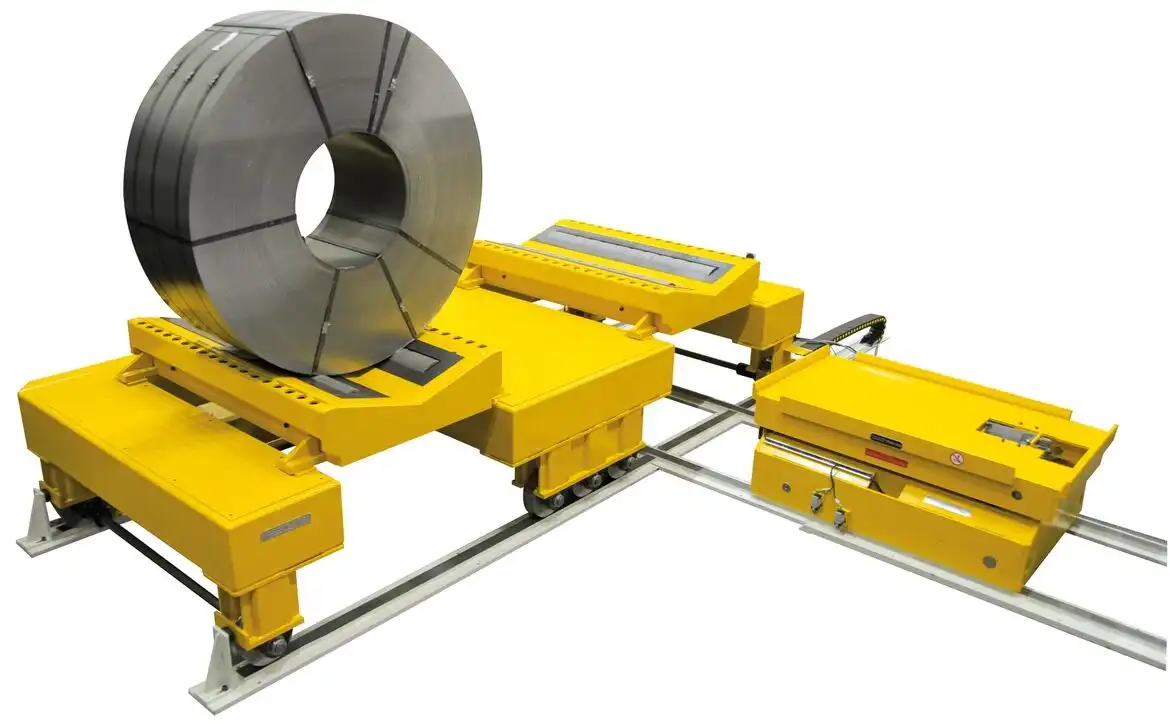
When I started my factory, one of the biggest challenges my clients faced was product damage. They worked so hard to make high-quality steel. Then, small issues during packing or moving would ruin it. This was frustrating for them and for their customers. It taught me the importance of robust packing and careful handling. A good packing solution is not just about making a package. It is about preserving the value of the product inside. It is about keeping your customer happy. It is about protecting your profit margins.
Sources of Product Damage
Product damage can happen at many points in the logistics chain. Manual handling is a big culprit. Improper packing is another. Even small impacts can damage steel coil edges. This makes the product unusable for the customer. It creates scrap.
Common Ways Steel Coils Get Damaged
- Manual Handling Errors: Dropping coils, bumping them against hard surfaces, or improper forklift operation.
- Inadequate Wrapping: Loose wraps, poor material choice, or insufficient layers leading to exposure.
- Internal Transport Issues: Vibrations, sudden stops, or unsecured loads on carts or conveyors.
- Storage Damage: Coils resting on sharp objects or poorly stacked.
How Automated Systems Prevent Damage
Automated wrapping and handling systems are designed for precision. They move coils smoothly. They apply wrap materials evenly. They ensure the coil is fully protected. This systematic approach greatly reduces the chances of damage.
Damage Prevention Through Automation
| Area of Prevention | Manual Process Risk | Automated System Benefit |
|---|---|---|
| Handling | High risk of drops, bumps, scrapes | Gentle, precise movement by conveyors/cranes |
| Wrapping Quality | Inconsistent, potential for loose spots | Uniform tension, full coverage, consistent layers |
| Material Usage | Wasteful, uneven application | Optimized material use, secure adhesion |
| Internal Transport | Unstable loads, rough movements | Secure loading, smooth, controlled conveying |
| Protection Level | Variable, dependent on operator | Superior, consistent, durable wrapping |
Automated wrapping machines apply tight, secure wraps. They use the right amount of material. This protects the coil from moisture, dust, and physical impact. Automated conveyors and transfer carts move the coils without jarring them. They prevent edge damage. They ensure the coil arrives at its destination in perfect condition. This reduces customer complaints. It lowers your return rates. It saves you money on scrap. It also builds customer loyalty. When customers get perfect products, they come back. This is a smart investment for your business.
Why is Choosing the Right Automation Partner So Critical for Your Plant?
Have you worked with equipment suppliers who only care about making a sale? Do they offer poor after-sales service? This can create a trust crisis. You become very careful about new partners. You need someone who understands your unique challenges. You need a true expert.
Choosing the right automation partner is critical because they offer more than just machines. A true partner understands your production bottlenecks, safety issues, and efficiency goals. They provide expert insights and reliable solutions. They offer strong after-sales support. This ensures your investment genuinely solves your problems and drives long-term business growth.

I have helped many clients grow their businesses. I learned that trust is everything. It is not just about selling a machine. It is about understanding the client’s pain points. It is about providing a solution that works for them. My journey from an employee to owning a successful packing machine factory taught me this. I saw what worked and what did not. Many suppliers just sell a product. They do not truly partner with you. This often leads to regret for the buyer. You need someone who knows the industry deeply. You need someone who has walked in your shoes.
The Pitfalls of Bad Partnerships
A bad equipment supplier can cause many problems. They might sell you the wrong machine. They might not provide good installation help. Their after-sales support might be nonexistent. This leaves you with expensive equipment that does not work. It adds to your stress. It wastes your money.
What a Poor Partnership Can Lead To
- Misguided Investments: Buying equipment that does not fit your specific needs.
- Installation Headaches: Poor support during setup, leading to delays and errors.
- Downtime Issues: Lack of quick support when machines break down, causing production stops.
- Hidden Costs: Unexpected maintenance needs or parts that are hard to get.
- Lack of Trust: Feeling abandoned after the sale, making future investments difficult.
What to Look for in a True Partner
A good partner offers more than just machines. They offer expertise. They offer support. They understand your industry. They help you find the best solution for your plant. They are with you before, during, and after the sale. They want your success.
Characteristics of a Reliable Automation Partner
| Characteristic | Description | Why it Matters for You |
|---|---|---|
| Industry Expertise | Deep knowledge of your specific sector (e.g., steel, heavy manufacturing). | They understand your unique challenges and speak your language. |
| Problem-Solving Focus | They listen to your issues and propose tailored solutions, not just products. | You get a system that truly fixes your bottlenecks. |
| Strong After-Sales Support | Readily available technical support, spare parts, and maintenance. | Your machines run smoothly, minimizing costly downtime. |
| Proven Track Record | Evidence of successful projects and satisfied clients. | You can trust their experience and reputation. |
| Long-Term Vision | They aim to build a lasting relationship, supporting your growth. | They become a valuable asset for your future expansions. |
When I meet a client, I do not just talk about features. I ask about their biggest headaches. I want to know their goals. My goal is to help them grow their business, just like I grew mine. I understand the pressure of managing a factory. I know what it takes to make it financially independent. This perspective helps me guide clients. I make sure they get equipment that truly serves their business needs. Choose a partner who invests in your success. It will be the best decision for your plant’s future.
What Have My Years in the Packing Machine Industry Taught Me?
My journey in the packing machine industry has been long and rewarding. I started as an employee. I worked my way up. I built my own successful factory. This path showed me many things. It taught me about hard work. It taught me about dedication. Most importantly, it taught me the true value of solving problems for people. It also showed me that the right equipment can change everything for a business. It can help it thrive.
The biggest lesson I learned is that success comes from understanding the core needs of your clients. It is not just about making machines. It is about making solutions. I saw plants struggle with manual processes. I saw them lose money from damaged goods or injured workers. My goal was always to fix these issues. This led me to focus on creating efficient, safe, and reliable packing systems. I wanted to help businesses like yours.
When I started my factory, I poured all my real-world experience into it. I knew what kind of machines factory managers needed. They needed equipment that was tough. It needed to be efficient. It needed to be reliable. It also needed to be easy to use. These were the guiding principles for every machine we designed. I wanted to ensure that any FHOPEPACK solution would truly benefit the client.
Another key insight came from helping clients achieve financial independence. Many businesses are held back by old methods. They cannot scale up. They cannot compete. By introducing automation, they could cut costs dramatically. They could boost production. This freed up resources. It let them invest in other areas. It led to amazing growth. This was truly rewarding to see. It showed me the power of good engineering and smart business choices.
I also learned the importance of giving back. The coil packing and steel wire packing industry gave me so much. It allowed me to build a good life. Now, I want to share my knowledge. I want to help others succeed. My blog, FHOPEPACK, is my way of doing this. I want to make complex industrial knowledge simple and accessible. I want to help you avoid the mistakes I have seen others make. I want to share the strategies that helped my clients grow. This is why I write these articles. This is why I want to be your partner. My experience is here to help you navigate your challenges. I want to see your plant thrive.
Conclusion
Automating steel coil logistics with wrapping lines boosts efficiency, safety, and profits. Choosing an expert partner ensures your investment leads to real, lasting growth.








