
How to Select the Right Steel Wire Size for Coiling and Strapping Machines?
Choosing the correct steel wire size is paramount for optimizing the performance of your coiling and strapping machines. It directly impacts operational efficiency, reduces downtime, and ensures the integrity of your final product.
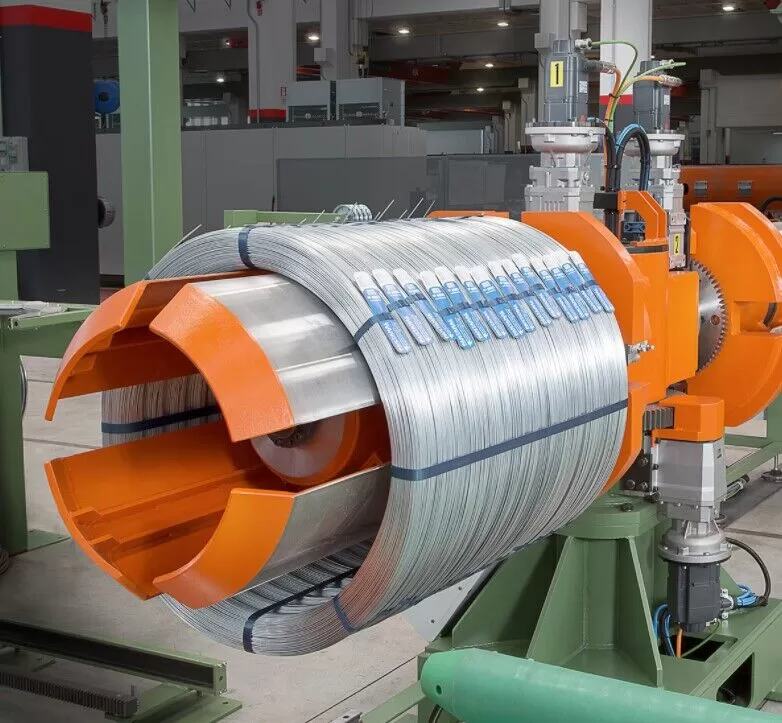
Selecting the correct steel wire size for coiling and strapping machines involves considering the machine’s specifications, the material’s tensile strength, and the desired coil dimensions. Matching wire size ensures smooth operation, prevents machine damage, and guarantees secure strapping.
Navigating the selection of the right steel wire size can seem intricate. Let’s delve into the critical considerations to ensure you make an informed decision. Understanding these nuances will empower you to optimize your coiling and strapping processes.
Understanding Steel Wire Properties
Selecting the right steel wire size begins with a thorough understanding of the wire’s inherent properties. This knowledge is crucial for matching the wire to the specific demands of your coiling and strapping machines.
Key considerations include tensile strength, yield strength, and elongation. These factors directly impact the wire’s ability to withstand the forces exerted during coiling and strapping, ensuring a secure and reliable process.
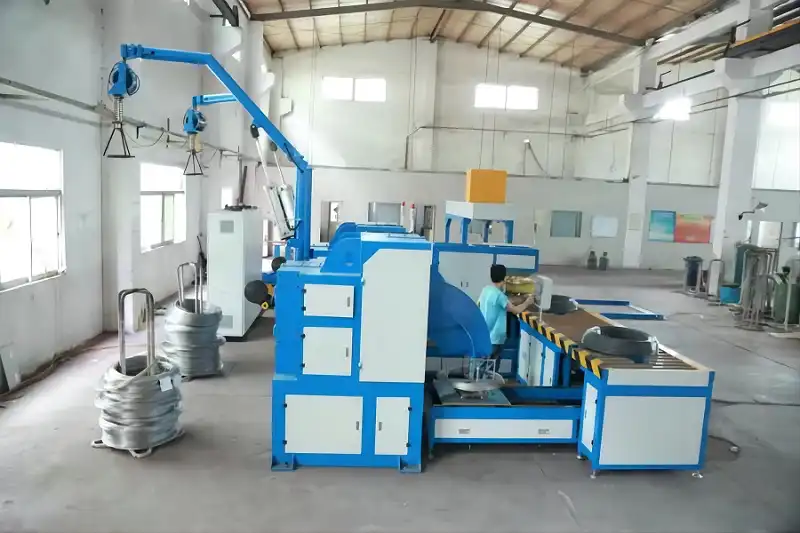
Let’s dissect the multifaceted characteristics of steel wire and how these properties relate to the performance and longevity of your machinery. Understanding these aspects ensures optimal selection and prevents potential operational issues.
Analyzing Steel Wire Characteristics for Machine Compatibility
Choosing the appropriate steel wire size demands a deep dive into its mechanical properties. The wire must align perfectly with the machine’s capabilities to prevent malfunctions, maintain efficiency, and ensure safety. A mismatch can lead to wire breakage, machine damage, and inconsistent strapping results.
Tensile Strength: The Backbone of Secure Strapping
Tensile strength, the maximum stress a material can withstand before breaking, is critical. For coiling and strapping, a wire with insufficient tensile strength will snap under the machine’s tension, causing downtime and material waste.
Yield Strength: Preventing Permanent Deformation
Yield strength is the point at which a material begins to deform permanently. Selecting a wire with the appropriate yield strength prevents stretching or deformation during the coiling and strapping process, ensuring the integrity of the final product.
Elongation: Flexibility Under Stress
Elongation refers to the wire’s ability to stretch before it breaks. Higher elongation allows the wire to better conform to the shape of the coil during strapping, reducing stress points and preventing breakage.
Hardness: Resistance to Wear
Hardness is a measure of a material’s resistance to localized plastic deformation caused by indentation or abrasion. Selecting a steel wire with the appropriate hardness level is important to ensure that the wire can withstand the wear and tear of the coiling and strapping process.
To illustrate the importance of these properties, consider the following scenarios:
| Property | Scenario | Consequence |
|---|---|---|
| Tensile Strength | Using wire with low tensile strength for heavy coils | Wire breakage, increased downtime, potential safety hazards |
| Yield Strength | Using wire with low yield strength for high-tension strapping | Permanent deformation of the wire, reduced strapping effectiveness, compromised coil integrity |
| Elongation | Using wire with low elongation for irregularly shaped coils | Increased stress concentration, higher risk of wire snapping, inconsistent strapping results |
| Hardness | Using wire with low hardness in abrasive environments | Premature wear and tear, reduced lifespan of the wire, potential for contamination of the coiled product |
Understanding the interplay between these characteristics is crucial for making informed decisions.
By carefully analyzing these properties and matching them to your machine’s specifications, you can optimize your coiling and strapping operations for maximum efficiency and reliability.
Matching Wire Size to Machine Specifications
Selecting the right steel wire size also hinges on a clear understanding of your coiling and strapping machines’ specifications. This ensures the wire is compatible with the machine’s mechanics and operational parameters.
Machine specifications dictate the acceptable range of wire sizes, tensile strengths, and other critical parameters. Adhering to these guidelines is essential for preventing machine damage and ensuring optimal performance.

Here, we’ll explore how to align steel wire dimensions with machine requirements, optimizing the coiling and strapping process. Failing to do so can lead to significant operational setbacks.
Detailed Considerations for Machine-Wire Compatibility
Ensuring compatibility between your steel wire and coiling/strapping machines requires a detailed evaluation. This extends beyond simple size matching; it involves understanding the nuances of both the wire and the machine.
Wire Diameter and Machine Gripping Mechanisms
The diameter of the steel wire must be compatible with the machine’s gripping mechanisms. Too thin, and the grippers won’t hold the wire securely; too thick, and the wire may jam or damage the machine.
Tensile Strength and Machine Tension Settings
The wire’s tensile strength must align with the machine’s tension settings. If the wire’s tensile strength is too low, it may break under the machine’s tension. Conversely, if it’s too high, the machine may struggle to apply sufficient tension for secure strapping.
Wire Coating and Machine Feed Mechanisms
The type of coating on the steel wire can also impact compatibility. Some coatings may cause slippage in the machine’s feed mechanisms, while others may leave residue that clogs the machine over time.
Here’s a breakdown of potential issues that may arise from wire-machine mismatch:
- Machine Jams: Incorrect wire size can cause jams, leading to production downtime.
- Premature Wear: Using incompatible wire can accelerate wear on machine components.
- Inconsistent Strapping: Mismatched wire and machine tension can result in loose or broken straps.
In light of these concerns, it is crucial to consult your machine’s manual and manufacturer guidelines.
Assessing Coil Dimensions and Weight
The dimensions and weight of the steel coil are crucial factors when selecting the appropriate wire size. These parameters directly impact the required strength and stability of the strapping.
Larger and heavier coils necessitate thicker and stronger wire to ensure secure containment during handling and transport. Conversely, smaller and lighter coils may be adequately secured with thinner wire.

This section explores how the size and weight of steel coils influence wire selection, optimizing packaging for safety and efficiency. Let’s delve into the specifics.
Optimizing Wire Selection Based on Coil Specifications
To choose the right wire size, consider how the coil’s dimensions and weight interact. This approach ensures that the strapping can withstand the forces exerted during handling and shipping, preventing damage and ensuring safety.
Coil Diameter and Wire Strength
Larger coil diameters require stronger wire to maintain tension and prevent the coil from unraveling. The wire’s tensile strength must be sufficient to counteract the outward forces exerted by the coil.
Coil Weight and Wire Thickness
Heavier coils require thicker wire to support the weight and prevent the strapping from breaking under stress. The wire’s gauge (thickness) must be sufficient to handle the load.
Coil Shape and Wire Flexibility
Irregularly shaped coils may require more flexible wire to conform to the contours of the coil and distribute the strapping force evenly.
Here’s a table to illustrate the relationship between coil dimensions/weight and appropriate wire size:
| Coil Dimension/Weight | Recommended Wire Size/Strength | Justification |
|---|---|---|
| Small, Light | Thin, Low-Tensile Strength Wire | Sufficient for containing the coil without excessive force or risk of damage to the product. |
| Medium, Moderate | Medium Gauge, Moderate-Tensile Strength | Provides a balance of strength and flexibility for secure strapping of moderately sized and weighted coils. |
| Large, Heavy | Thick, High-Tensile Strength Wire | Necessary to withstand the high forces and stresses exerted by large, heavy coils during handling and transport. |
Understanding these relationships and referencing manufacturer guidelines will enable you to select the most appropriate wire size for your specific coil dimensions and weight, ensuring safe and efficient strapping.
Considering Environmental Factors
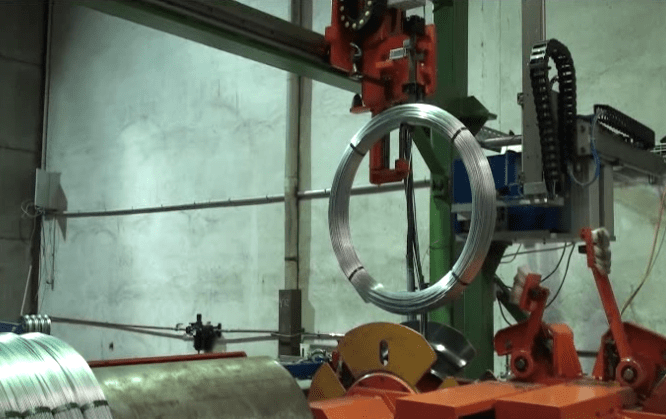
Steel wire selection should include environmental factors. Corrosion risk, moisture levels, and temperature fluctuations significantly affect the strapping.
Selecting wire coating can prevent rust and degradation, particularly in marine or high-humidity environments. The wire should also withstand extreme temperatures without losing its integrity. This guarantees prolonged and reliable performance.
Corrosion can weaken steel, leading to strap failure. It’s important to select a coating material that suits the conditions in which the strapping will be used to ensure the wire maintains its strength over time.
Careful consideration of these factors is vital to ensure a safe and effective steel wire selection.
Conclusion
Selecting the correct steel wire size for coiling and strapping machines is a multifaceted decision. By understanding steel wire properties, matching wire size to machine specifications, assessing coil dimensions and weight, and considering environmental factors, you can optimize your operations. This ensures efficiency, minimizes downtime, and guarantees the secure containment of your steel coils, positioning your business for sustained success.








