
How to Optimize Steel Wire Strapping Machine Performance for High-Speed Operations?
Optimizing steel wire strapping machine performance is crucial for businesses aiming for high-speed operations. Efficient strapping ensures product stability, reduces damage, and accelerates packaging processes. By focusing on key areas, companies can significantly improve their operational throughput and overall productivity.

To optimize steel wire strapping machine performance for high-speed operations, focus on regular maintenance, selecting the right strapping material, and ensuring proper machine calibration. Efficient processes, consistent quality, and minimal downtime are key to achieving peak efficiency improvements.
Let’s delve into proven strategies and best practices to unlock the full potential of your steel wire strapping machines. Discover how to minimize downtime, maximize throughput, and ensure consistent strapping quality, ultimately boosting your bottom line.
1: Understanding Key Performance Factors
To achieve optimal high-speed operations with steel wire strapping machines, understanding the factors influencing their performance is paramount. Identifying these elements allows for targeted improvements and efficient resource allocation.
Several factors influence the performance of steel wire strapping machines in high-speed operations, including the type of strapping material used, the machine’s maintenance level, and the calibration precision. Addressing these factors directly results in enhanced operational efficiency, reduced downtime, and consistent strapping quality.

Optimizing Strapping Material Selection and Tension
Selecting the appropriate strapping material and ensuring optimal tension are crucial for achieving top performance from steel wire strapping machines. The material must match the load characteristics, and the tension needs precise calibration.
Choosing the Right Strapping Material
The choice of strapping material directly impacts machine performance and load security. Steel strapping is ideal for heavy, sharp-edged loads, while alternatives like polyester (PET) can offer cost and safety advantages in certain applications.
-
Steel Strapping: Offers superior strength for heavy and sharp-edged loads. However, it’s prone to rust and requires careful handling.
-
Polyester (PET) Strapping: A strong, rust-resistant alternative to steel. PET is more flexible and safer to handle, making it suitable for a wider range of applications.
-
Polypropylene (PP) Strapping: Cost-effective for lighter loads and indoor use. However, it’s less durable than steel or PET and not suitable for heavy-duty applications.
Calibrating Tension Settings
Precise tension control is vital for load stability and preventing damage. Over-tensioning can damage products, while under-tensioning can lead to load shifting during transport.
Tension Calibration Guidelines:
Load Type Strapping Material Recommended Tension (Units) Heavy Machinery Steel 800-1200 Palletized Goods PET 500-800 Lightweight Boxes PP 200-400 Maintaining accurate tension settings requires regular calibration checks and adjustments. Use a tension meter to verify the applied tension matches the recommended levels for the specific load and strapping material.
Addressing Common Strapping Issues
Several common issues can arise during strapping operations, impacting both speed and efficiency. These include strap breakage, misalignment, and inconsistent sealing.
-
Strap Breakage: Can be caused by using the wrong strapping material, excessive tension, or worn machine components.
-
Misalignment: Occurs when the strapping is not properly aligned with the load, leading to instability.
-
Inconsistent Sealing: Results in weak or unreliable joints, compromising load security.
Regular maintenance, proper material selection, and precise tension calibration are essential for preventing these issues and maintaining high-speed operations.
2: Implementing a Proactive Maintenance Program
A proactive maintenance program is essential for maintaining the steel wire strapping machine performance and minimizing downtime in high-speed operations. Regular inspections, lubrication, and timely parts replacement can significantly extend the machine’s lifespan and ensure consistent performance.
A proactive maintenance program for steel wire strapping machines involves regular inspections, lubrication, and timely replacement of worn parts. This approach minimizes downtime, ensures consistent strapping quality, and extends the machine’s lifespan, leading to significant operational cost savings.

Focusing on Key Maintenance Areas
Concentrate on critical areas such as the strapping head, tensioning system, and sealing mechanism. These components are most susceptible to wear and tear and directly impact machine performance.
Strapping Head Maintenance
The strapping head is the core of the machine, responsible for feeding, tensioning, and sealing the strapping. Regular cleaning and lubrication are essential to prevent jams and ensure smooth operation.
-
Cleaning: Remove debris, dust, and strap fragments that can accumulate in the strapping head.
-
Lubrication: Apply lubricant to moving parts to reduce friction and prevent wear.
-
Inspection: Check for worn or damaged components, such as knives, rollers, and guides.
Tensioning System Maintenance
The tensioning system ensures the strapping is applied with the correct force. Regular calibration and maintenance are crucial for maintaining consistent tension.
-
Calibration: Use a tension meter to verify the tension settings are accurate.
-
Inspection: Check for worn or damaged tensioning rollers and adjusters.
-
Adjustment: Adjust the tension settings as needed to match the load requirements.
Sealing Mechanism Maintenance
The sealing mechanism joins the ends of the strapping to secure the load. Proper maintenance is essential for creating strong and reliable seals.
-
Cleaning: Remove residue from the sealing area to ensure proper contact.
-
Inspection: Check for worn or damaged heating elements or sealing jaws.
-
Adjustment: Adjust the sealing temperature and pressure as needed.
Advanced Strategies for Maintenance
For advanced users, integrating predictive maintenance techniques can further optimize machine uptime. These strategies involve using sensors and data analytics to anticipate potential failures and schedule maintenance proactively.
-
Vibration Analysis: Monitor machine vibration levels to detect early signs of wear and tear.
-
Thermal Imaging: Use thermal imaging to identify overheating components.
-
Data Logging: Track machine performance data, such as cycle times and tension levels, to identify trends and potential issues.
3: Optimizing the Strapping Process
Optimizing the strapping process can greatly enhance steel wire strapping machine performance. Streamlining workflow, integrating automation, and training personnel are key steps to achieving peak efficiency.
To optimize the strapping process, streamline the workflow, integrate automation where possible, and provide comprehensive training to personnel. By focusing on these aspects, companies can significantly enhance the efficiency and reliability of their strapping operations.

Streamlining Workflow for Maximum Throughput
Analyze the current strapping process to identify bottlenecks and areas for improvement. Optimizing workflow can significantly increase throughput and reduce cycle times.
Workflow Analysis
Map out the entire strapping process, from loading the product to securing the load. Identify any steps that are causing delays or inefficiencies.
-
Process Mapping: Create a visual representation of the strapping process to identify bottlenecks.
-
Time Studies: Measure the time required for each step in the process to identify areas for improvement.
-
Waste Analysis: Identify and eliminate any sources of waste, such as unnecessary movement or waiting time.
Automation Integration
Consider automating certain aspects of the strapping process to increase speed and reduce labor costs. Automatic strapping machines can significantly improve throughput and consistency.
-
Automatic Strapping Machines: These machines automatically feed, tension, and seal the strapping, reducing the need for manual labor.
-
Conveyor Systems: Integrate conveyor systems to move products quickly and efficiently through the strapping process.
-
Robotic Loading: Use robots to load and unload products onto the strapping machine, further automating the process.
Training and Skill Development
Ensure that personnel are properly trained on the operation and maintenance of the steel wire strapping machine. Skilled operators can minimize downtime and maximize efficiency.
-
Operator Training: Provide comprehensive training on the machine’s operation, safety procedures, and troubleshooting techniques.
-
Maintenance Training: Train personnel on how to perform routine maintenance tasks, such as cleaning, lubrication, and parts replacement.
-
Skill Development: Offer ongoing training and development opportunities to keep personnel up-to-date on the latest technologies and best practices.
Data Driven Optimization
Collecting and analyzing data related to the strapping process can provide insights into its effectiveness.
Metric Description Importance Strapping Cycle Time Time to complete one strapping cycle A high cycle time indicates inefficiencies, prompting examination of individual steps. Strapping Material Usage Amount of strapping material used per load Overuse indicates improper tensioning or incorrect machine setup, while underuse may signal compromised load security. Downtime Time machine is out of service High downtime calls for enhanced maintenance protocols and proactive component replacement. By regularly monitoring these metrics, manufacturers can make informed decisions to optimize their high-speed operations.
4: Ensuring Workplace Safety and Ergonomics
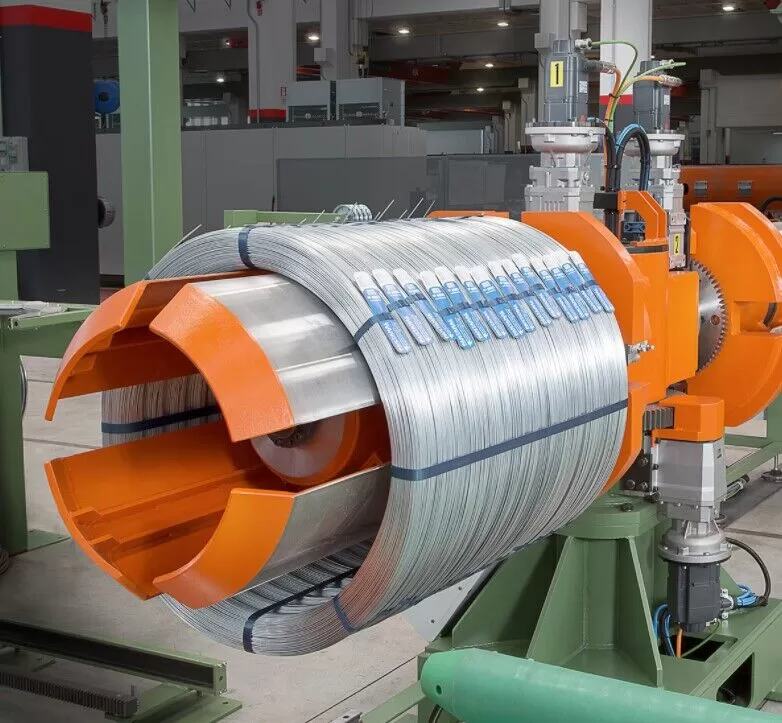
Prioritizing workplace safety and ergonomic design ensures a safe and productive working environment. Implementing safety protocols, providing proper training, and using ergonomic equipment minimizes the risk of accidents and injuries, leading to improved morale and efficiency.
Proper safety measures, including machine guarding, emergency stop mechanisms, and clear operating procedures, significantly reduce the risk of accidents. Ergonomic design of the workstation, adjustable machine heights, and the use of handling aids minimizes physical strain on operators, enhancing their well-being and productivity. Additionally, ensuring compliance with industry safety standards and conducting regular safety audits can further mitigate risks. By creating a safe and comfortable work environment, companies can protect their employees and achieve sustainable and high-speed operations.
Conclusion
Optimizing steel wire strapping machine performance for high-speed operations is a multifaceted effort. By understanding key performance factors, implementing proactive maintenance, streamlining the strapping process, and prioritizing safety, businesses can unlock the full potential of their strapping operations. These improvements not only enhance efficiency and productivity but also ensure the safety and well-being of workers. Embracing these strategies leads to significant cost savings and a more competitive edge in today’s demanding market.








