
How to Select the Right Materials for PVC Pipe Bagging?
Selecting the appropriate materials for PVC pipe bagging is vital for ensuring product protection and efficient handling. The right choice minimizes damage during storage and transport while optimizing costs. Choosing the correct materials ensures that your pipes arrive in perfect condition.
PVC pipe bagging requires materials that offer protection, durability, and cost-effectiveness. The ideal material should shield pipes from physical damage and environmental factors, while also being easy to handle and affordable. Selecting the right plastic packaging solutions improves product integrity and customer satisfaction.
With a range of options available, understanding the nuances of each material is essential. Let’s delve into the critical aspects of choosing the ideal bagging materials for PVC pipes.
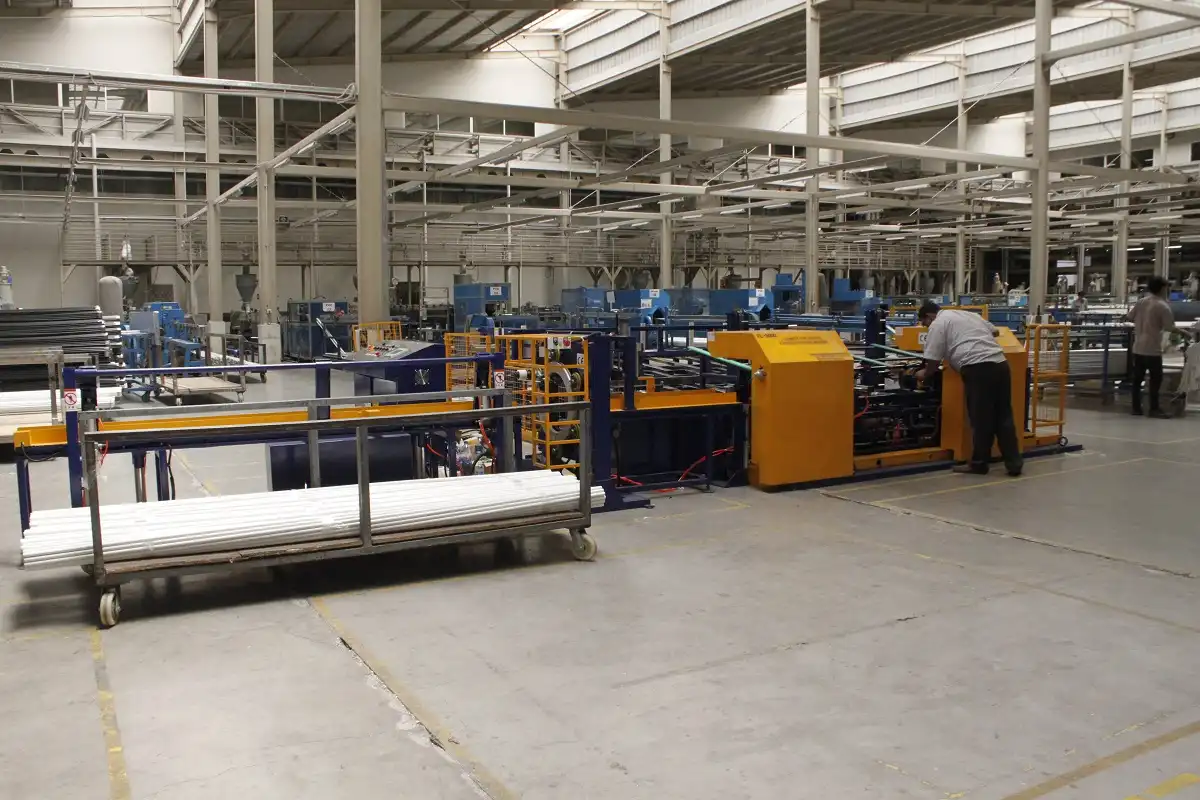
1: Understanding PVC Pipe Vulnerabilities
PVC pipes, while sturdy, require proper protection during handling and transportation to prevent damage. Knowing the potential vulnerabilities is the first step in selecting the right bagging materials.
PVC pipes are vulnerable to scratches, dents, and environmental factors like UV exposure and moisture. Effective bagging materials provide a barrier against these elements, ensuring the pipes maintain their integrity during storage and transportation. Proper selection reduces waste and maintains product quality.
PVC pipes are susceptible to various types of damage that can occur during handling, storage, and transportation. Understanding these vulnerabilities is essential for selecting the appropriate bagging materials. Key vulnerabilities include:
- Physical Damage: Impacts, scratches, and abrasion can compromise the surface and structural integrity of the pipes.
- Environmental Degradation: UV exposure can cause discoloration and weakening of the PVC material. Moisture can lead to staining and promote microbial growth.
- Contamination: Dirt, dust, and debris can affect the cleanliness and hygiene of the pipes, especially when used for potable water or medical fluid transport.
Addressing Physical Damage
Physical impacts are a common threat to PVC pipes. Scratches and scuff marks, while often cosmetic, can be undesirable for certain applications and customer expectations. More severe impacts can lead to dents and deformations, affecting the pipe’s roundness and its ability to properly connect with fittings. In extreme cases, cracks and breakages can render the pipes unusable.
Bagging materials play a crucial role in mitigating these risks. They provide cushioning and secure bundling to prevent pipes from knocking against each other or external objects during transit. Durable materials like woven polypropylene or thick polyethylene films are effective in resisting punctures and tears.
Mitigating Environmental Degradation
Environmental factors also pose significant threats to PVC pipes, particularly during outdoor storage or prolonged transit. Prolonged exposure to sunlight’s ultraviolet (UV) radiation can cause PVC to become brittle, discolored, and lose impact strength. This degradation weakens the material over time, reducing its service life.
Moisture ingress is another concern. If PVC pipes are not adequately protected from moisture, especially in humid environments, water can seep into bundles. This can lead to staining, surface degradation, and create conditions conducive to microbial growth, even if PVC itself is resistant to microbial attack.
Bagging materials should incorporate UV-resistant additives and moisture barriers to shield pipes from these environmental stressors. Options include UV-resistant films, waterproof wraps, and desiccants for extreme humidity.
Preventing Contamination
Contamination can compromise the cleanliness and hygiene of PVC pipes, especially critical in applications like potable water or medical fluid transport. Exposure to dust and debris can soil the pipes, requiring cleaning before installation. In humid conditions, if moisture is trapped within packaging, mold and mildew can grow on the pipe surfaces, particularly if organic matter is present.
Bagging materials should create a barrier against dirt, dust, and moisture to maintain the pipes’ cleanliness and prevent biological growth. Sealed wraps and a clean packaging environment are essential.
By understanding these vulnerabilities, manufacturers and distributors can select bagging materials that provide targeted protection, ensuring PVC pipes remain in pristine condition from production to installation. The following table summarizes these points:
| Vulnerability | Type of Damage | Bagging Solution |
|---|---|---|
| Physical Impact | Scratches, Dents, Cracks | Cushioning materials, secure bundling |
| UV Exposure | Brittleness, Discoloration | UV-resistant films or wraps |
| Moisture Ingress | Staining, Surface Degradation | Waterproof films, desiccants (for humidity) |
| Contamination | Dirt, Biological Growth | Sealed wraps, clean environment |
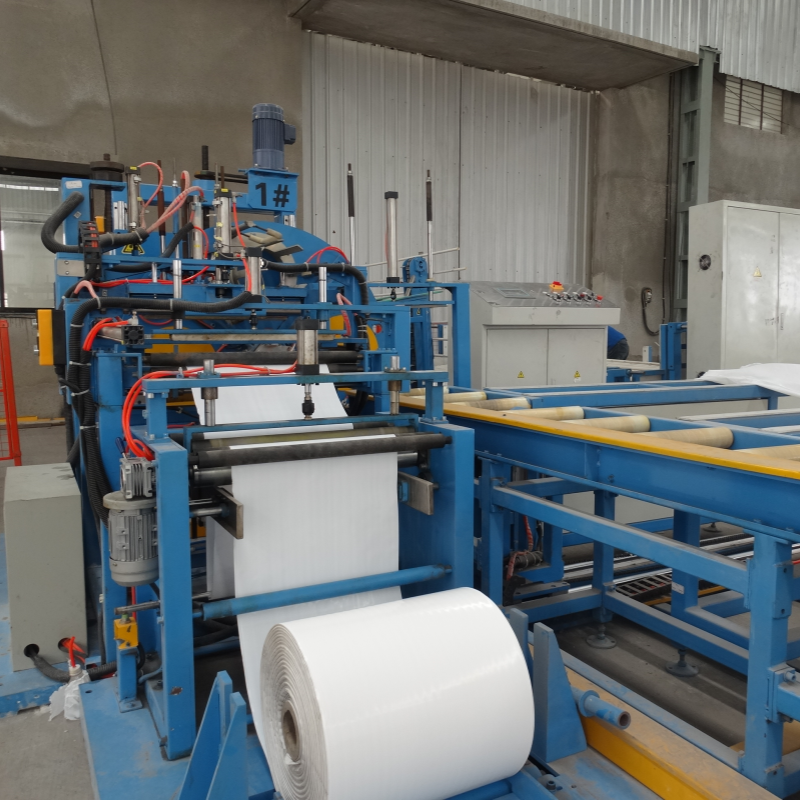
2: Types of Bagging Materials for PVC Pipes
A variety of bagging materials are available for PVC pipes, each offering different advantages and disadvantages. The choice depends on specific protection needs, budget constraints, and environmental considerations.
Common bagging materials include polyethylene (PE), polypropylene (PP), woven fabrics, and paper-based options. PE films offer cost-effective moisture resistance, while PP films provide superior strength. Woven fabrics are robust for heavy bundles, and paper-based materials offer sustainable alternatives. The ideal choice balances protection, cost, and sustainability.
Here’s a deeper look into each type:
Plastic Films
Plastic films are a popular choice due to their versatility, cost-effectiveness, and protective properties. Different types of plastic films offer varying characteristics:
- Polyethylene (PE) Film: This is the most common and economical option, providing good moisture resistance and dust protection. Low-Density Polyethylene (LDPE) is flexible and tear-resistant, suitable for wrapping bundles. High-Density Polyethylene (HDPE) is stronger and offers better puncture resistance. PE films can also be formulated with UV stabilizers for outdoor storage.
- Polypropylene (PP) Film: Stronger and more rigid than PE film, PP film offers superior tensile strength and puncture resistance. It also has better clarity and heat resistance. PP films are often used when higher strength and durability are required.
- PVC Film: While PVC film can be used, it’s less common due to potential compatibility issues and environmental concerns associated with PVC production and disposal. PE and PP films are generally preferred.
Plastic films can be used in various forms:
- Shrink Wrap: This film shrinks tightly around the pipes when heated, providing excellent bundling and protection.
- Stretch Wrap: This film is stretched and wrapped around the pipes, providing secure bundling and load stability.
- Bags and Sleeves: Pre-made bags or sleeves made from plastic film offer convenient packaging for individual pipes or small bundles.
Woven Fabrics
Woven fabrics offer robust protection and are often used for heavier bundles or when extra tear resistance is needed:
- Woven Polypropylene (PP) Fabrics: Strong, durable, and water-resistant, woven PP fabrics offer excellent tear and puncture resistance, making them suitable for protecting pipes during rough handling and long-distance transportation. They are often used to create woven sacks or wraps for pipe bundles.
- Jute Fabrics: Jute is a natural fiber that offers good strength and breathability. While less water-resistant than PP, jute is biodegradable and environmentally friendly. Jute fabrics can be used for wrapping pipe bundles, providing a more sustainable packaging option.
Paper-Based Bagging
Paper-based bagging offers a more sustainable and recyclable alternative, suitable for lighter protection needs and environmentally conscious applications:
- Corrugated Cardboard: This material provides cushioning and rigidity. It can be used to create boxes or sleeves for individual pipes or small bundles. Cardboard is recyclable and biodegradable, making it an eco-friendly choice. However, it offers limited water resistance.
- Kraft Paper: Kraft paper is strong and tear-resistant. It can be used as an interleaving material within bundles or as a wrap for individual pipes to provide scratch protection. Kraft paper is also recyclable and biodegradable.
Selecting the best material involves balancing protection, cost, and environmental concerns. Consider woven PP fabrics or heavy-duty PE films for robust, weather-resistant [plastic packaging solutions]. For lighter protection and sustainability, paper-based options or thinner PE films may suffice.
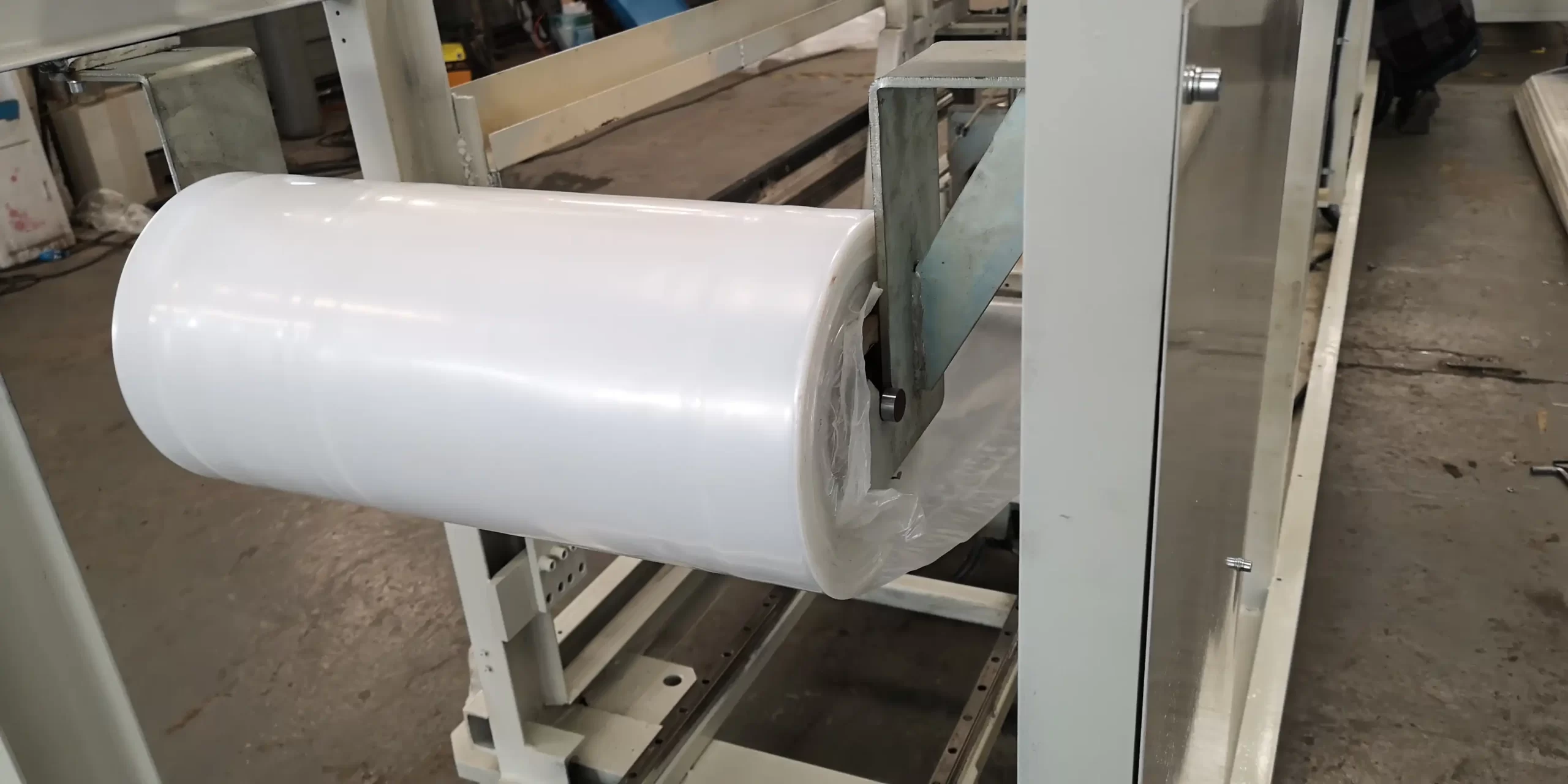
3: Key Factors in Material Selection
Choosing the right bagging material involves considering several critical factors to ensure optimal protection and cost-effectiveness. These factors can guide your decision-making process.
Material selection requires a holistic approach, considering cost, durability, environmental conditions, handling methods, and sustainability goals. Cost-effectiveness must balance budget and protection, while durability ensures the material can withstand handling and transit. UV and moisture protection are vital for environmental conditions.
Let’s delve into each key factor:
- Cost-Effectiveness: Balancing Budget and Protection
- Durability and Strength: Withstanding Handling and Transit
- Environmental Conditions: UV and Moisture Protection
- Handling and Application: Ease of Use and Efficiency
- Sustainability and Environmental Impact
Balancing Cost and Protection
Cost is always a significant consideration. However, the cheapest option isn’t always the most cost-effective in the long run if it leads to product damage. Material costs, labor costs, damage reduction, and transportation costs all contribute to overall cost-effectiveness. Investing in slightly more expensive but more protective bagging can decrease damage rates, leading to overall cost savings by minimizing waste and returns.
Assessing Durability and Strength
The bagging must be durable enough to withstand the rigors of handling, storage, and transportation. Tensile strength and tear resistance are crucial for preventing breakage during handling and transit. Woven fabrics and PP films excel in this area. Puncture resistance is also important, particularly if pipes are likely to be subjected to sharp objects or rough handling.
Evaluating Environmental Conditions
Consider the expected storage and transit conditions, particularly regarding UV exposure and moisture. For outdoor storage or prolonged exposure to sunlight, choose UV-stabilized plastic films or opaque wraps. For humid climates or outdoor storage, select waterproof films or woven fabrics with water-resistant coatings.
Considering Handling and Application
The ease of handling and application affects bagging efficiency and labor costs. Some materials are easier to wrap or bundle than others. Lighter and more flexible materials are generally easier to handle, especially for manual bagging. If using automated bagging equipment, ensure the chosen material is compatible with the machinery.
Prioritizing Sustainability and Environmental Impact
Increasingly, sustainability is a critical factor in material selection. Choose recyclable materials like PE and PP films or cardboard whenever possible. Explore biodegradable options like jute or paper if appropriate for the application and disposal methods. Optimize bagging design to minimize material usage without compromising protection.
The following table summarizes these considerations:
| Factor | Considerations | Examples |
|---|---|---|
| Cost-Effectiveness | Material, labor, damage reduction, transport costs | PE film is generally less expensive; Protective bagging reduces damage rates. |
| Durability & Strength | Tensile strength, tear resistance, puncture resistance | Woven fabrics and PP films offer high strength; Thicker films resist punctures. |
| Environmental Conditions | UV resistance, moisture barrier properties | UV-stabilized films; Waterproof wraps and desiccants. |
| Handling & Application | Ease of wrapping, weight, automation compatibility | Stretch wrap is easy to apply; Lighter materials are easier to handle. |
| Sustainability | Recyclability, biodegradability, material usage | Recyclable PE and PP films; Biodegradable jute or paper options. |
By carefully evaluating these factors, businesses can make informed decisions about PVC pipe bagging materials, balancing cost, protection, functionality, and environmental responsibility.
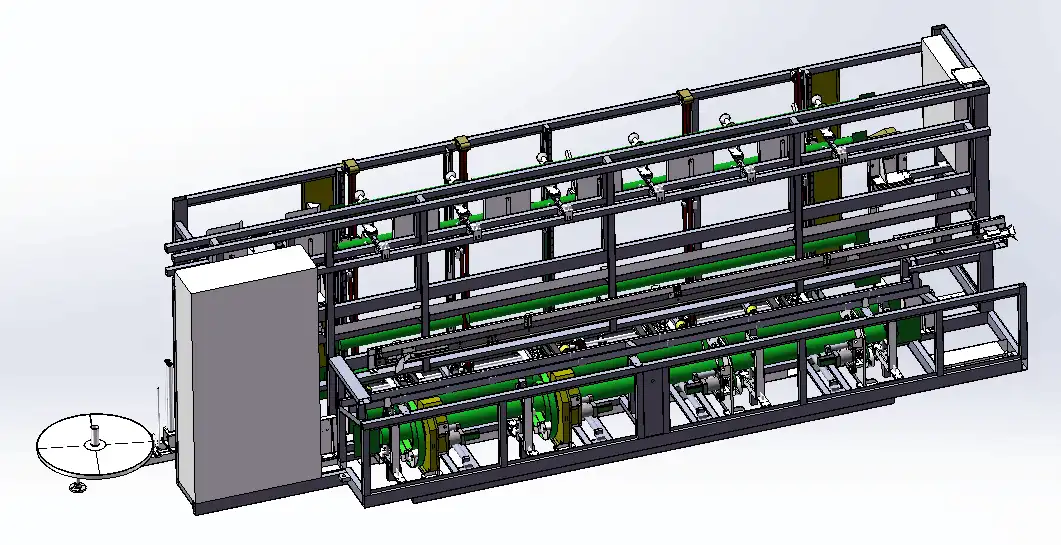
4: Implementing Best Practices for PVC Pipe Bagging
Effective bagging involves selecting the right materials and employing best practices in application and handling. These practices ensure consistent protection and minimize the risk of damage throughout the supply chain.
Effective PVC pipe bagging involves not only selecting the right materials but also employing best practices in application and handling. These practices ensure consistent protection and minimize the risk of damage throughout the supply chain. Key practices include:
- Proper bundling techniques
- Secure wrapping methods
- Implementing quality control checks
Selecting the right material is essential for product protection, consumer safety, and cost efficiency. At Flexipack, we understand the complexities of selecting the perfect bagging solution for your needs. Whether you’re looking for eco-friendly options, durable materials, or cost-effective solutions, our team is here to help. Contact us today for a free consultation and let us guide you in finding the ideal packaging that meets your product’s unique requirements. Together, we can enhance your packaging strategy and ensure your products stand out while staying protected.
Conclusion
Selecting the right materials for PVC pipe bagging is a multifaceted decision involving product vulnerabilities, material properties, and practical considerations. By balancing protection needs, cost factors, and sustainability goals, businesses can ensure that their PVC pipes are well-protected during storage and transport, reducing waste, and maximizing customer satisfaction. Ultimately, effective bagging is an investment in product integrity and supply chain efficiency.








