

How to Reduce Production Costs Using Mold Flippers?
Mold flippers are revolutionizing manufacturing by offering a streamlined, safe, and efficient method for handling heavy molds. Investing in this technology can significantly cut production costs, enhance workplace safety, and improve overall operational efficiency in your factory.
Mold flippers drastically reduce production costs by automating mold handling, minimizing manual labor, speeding up mold changeovers, and enhancing workplace safety. This leads to lower labor expenses, reduced downtime, fewer workplace injuries, and decreased mold damage, ultimately boosting your factory’s bottom line.
Are you ready to discover how mold flippers can transform your manufacturing processes and contribute to substantial cost savings? Let’s explore the tangible benefits and understand why a mold flipper is becoming an indispensable asset in modern factories.
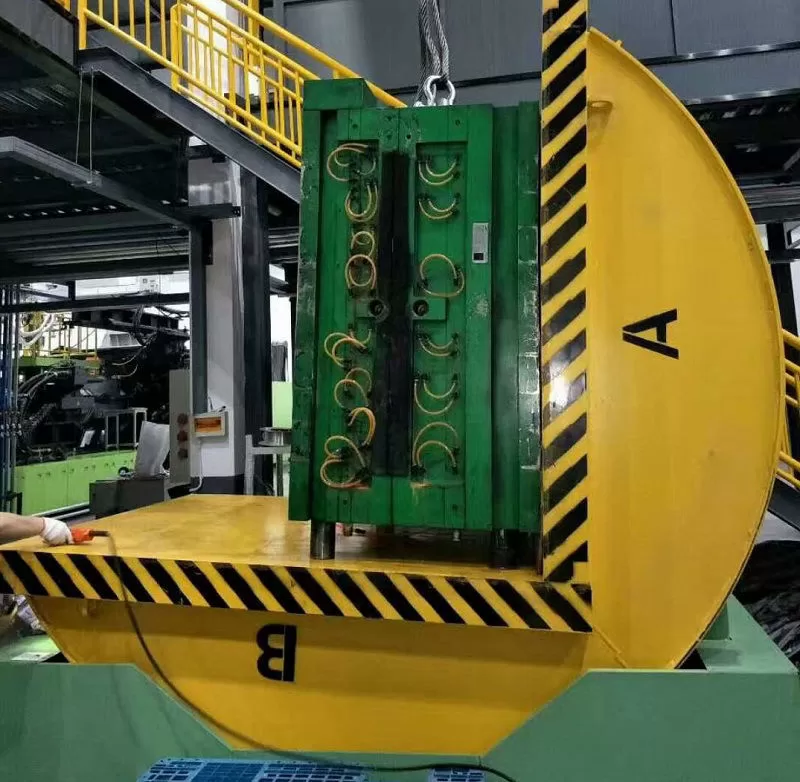

Streamlining Operations: How Mold Flippers Enhance Efficiency
Manual mold handling is often a bottleneck in production, consuming valuable time and resources. Mold flippers offer a solution by automating the rotation of heavy molds, leading to significant improvements in efficiency and throughput.
Mold upenders dramatically enhance operational efficiency by automating the cumbersome task of rotating heavy molds. This automation reduces manual handling time, speeds up mold changes, and ensures precise positioning, leading to increased throughput and minimized downtime. By optimizing workflow, mold upenders become indispensable tools for boosting productivity in any factory.
To fully appreciate the impact of mold flippers on efficiency, let’s delve deeper into the specific areas where these machines deliver unparalleled improvements and cost savings.
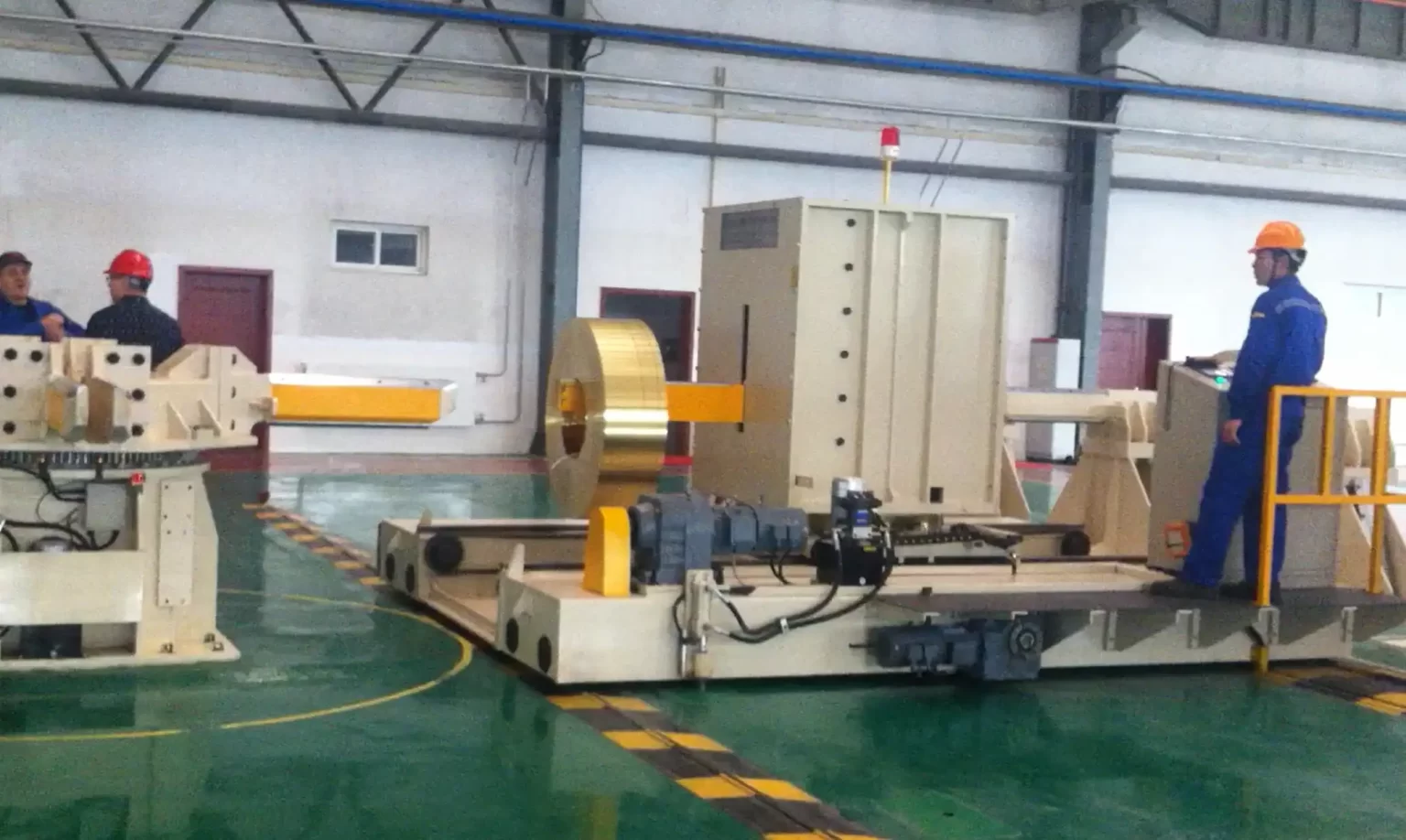

Unpacking the Efficiency Gains of Mold Flippers
Mold upenders are not merely pieces of machinery; they are strategic investments that fundamentally reshape factory efficiency. Their impact can be critically analyzed through several key operational aspects.
Reduced Manual Handling Time
Traditional manual mold handling is labor-intensive and time-consuming. It frequently necessitates multiple workers, specialized lifting equipment such as cranes, and meticulous coordination to ensure both safety and prevent damage. Mold upenders streamline this entire process by automating the rotation. Instead of prolonged setups and slow, cautious movements, a mold upender can rotate a mold in mere minutes, sometimes even seconds, with operation by a single worker. This speed directly translates into quicker mold changes, shorter setup times, and significantly more available production time.
Faster Mold Changeovers
In industries with frequent mold changes, such as injection molding or die casting, downtime during changeovers is a major concern. Conventional manual methods can drastically extend changeover times, negatively impacting overall production schedules. Mold upenders significantly reduce changeover times by simplifying and accelerating the mold handling aspects. This rapid turnaround minimizes production interruptions, allowing for quicker responses to fluctuating demands and maximizing machine utilization.
Precision and Accuracy in Positioning
Manual handling is inherently susceptible to human error, which can lead to misalignments, damage to molds, and even safety hazards. Mold upenders offer precise and controlled movements, guaranteeing accurate positioning every single time. This precision is crucial for maintaining mold integrity, ensuring proper fitment within machinery, and preventing production defects that can arise from misaligned molds. The consistent accuracy provided by mold upenders contributes to a higher quality output and reduces the need for rework or scrap.
Comparison of Manual Handling vs. Mold Upender Efficiency
To clearly illustrate the tangible benefits, consider the following detailed comparison between manual mold handling and using a mold upender across critical efficiency metrics:
| Feature | Manual Mold Handling | Mold Upender | Efficiency Gain |
|---|---|---|---|
| Time per Mold Flip | 30-60 minutes (size/weight dependent) | 5-10 minutes | 6x – 12x faster |
| Labor Required | 2-4 workers | 1 worker | 50%-75% reduction |
| Precision | Variable, prone to human error | Highly accurate and consistent | Significantly improved |
| Safety Risk | High | Low | Dramatically reduced |
| Downtime Impact | Significant | Minimal | Major reduction |
As the table definitively shows, the efficiency gains provided by mold upenders are substantial across multiple critical factors. By minimizing time, labor, and errors while simultaneously maximizing precision and safety, mold upenders present a compelling solution for factories aiming to optimize their operations. This enhanced efficiency directly and significantly translates into tangible cost savings and a stronger bottom line.
Cutting Labor Costs: The Economic Advantage of Automation
Labor costs associated with manual mold handling can be substantial, encompassing not only wages for multiple workers but also potential expenses related to workplace injuries and downtime. Mold upenders offer a direct solution to reduce these costs through automation.
Mold upenders offer significant labor cost savings by automating mold rotation, reducing the need for multiple workers in manual handling. By streamlining operations and minimizing the physical demands on personnel, factories can optimize their workforce, decrease labor expenses, and improve overall profitability. This shift towards automation is a smart economic move for any manufacturing facility dealing with heavy molds.
Beyond the immediate reduction in labor expenses, the strategic reallocation of workforce enabled by mold upenders presents a further economic advantage.
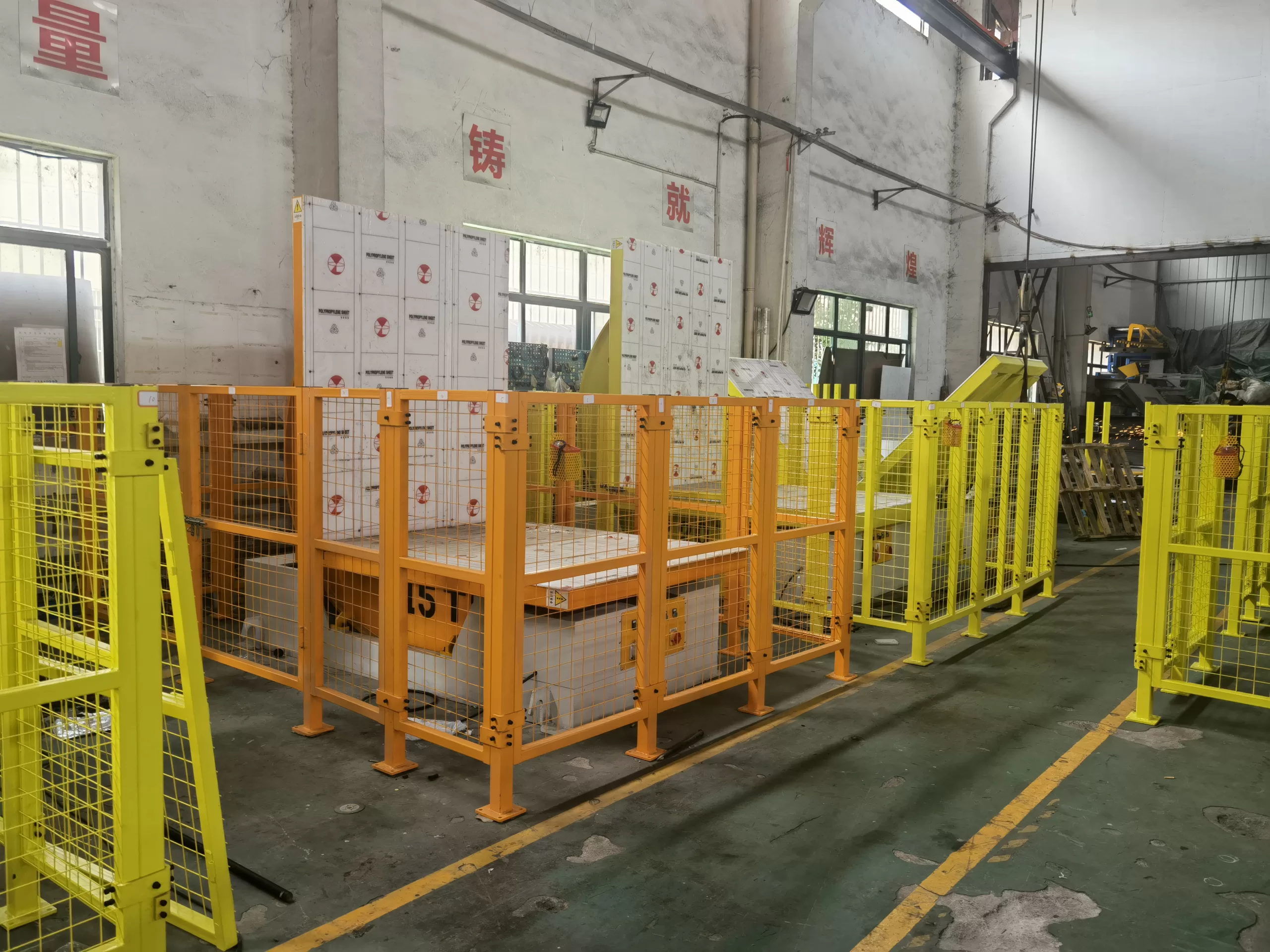

Reallocating Workforce for Higher-Value Tasks
The economic benefits of mold flippers extend beyond direct labor cost reduction. By automating mold handling, businesses can strategically reallocate their workforce to roles that generate greater value and contribute more directly to the bottom line. Freed from the physically demanding and repetitive tasks of manual mold handling, skilled employees can be redeployed to enhance critical areas within the manufacturing process.
Enhanced Quality Control
With manpower freed from mold handling, more personnel can be assigned to quality control functions. This allows for more rigorous inspection processes, ensuring fewer defective products and upholding higher product standards. Improved quality control directly translates to reduced waste, fewer returns, and enhanced customer satisfaction, all of which contribute to cost savings and increased profitability.
Optimized Process Efficiency
Reallocating employees to focus on process optimization can yield significant long-term gains. Dedicated teams can analyze current production workflows, identify inefficiencies, and implement improvements. This proactive approach to process enhancement can lead to streamlined operations, reduced cycle times, and further cost reductions across the board.
Proactive Maintenance and Reduced Downtime
A dedicated maintenance team, made possible by workforce reallocation, can ensure that all equipment, including molds and mold flippers, is running optimally. Regular and preventative maintenance minimizes unexpected breakdowns, reduces downtime, and extends the lifespan of machinery. Reduced downtime translates directly to increased production capacity and cost savings.
Fostering Innovation and New Product Development
By freeing up skilled labor, companies can invest more resources in research and development. Employees can be tasked with exploring new product lines, improving existing designs, and driving innovation. This focus on future growth and development is crucial for long-term competitiveness and profitability.
Transitioning from manual mold handling to automated upending not only provides immediate labor savings but also unlocks the potential of the workforce to contribute to higher-level tasks. This strategic reallocation of resources significantly maximizes the ROI of a mold upender investment, driving both short-term and long-term economic benefits. By investing in automation, manufacturers are not just cutting costs; they are investing in a more efficient, productive, and strategically focused future.
Enhancing Workplace Safety: Minimizing Risks and Liabilities
Workplace safety is paramount in any manufacturing environment. Manual mold handling introduces significant safety hazards, ranging from musculoskeletal injuries to severe crush incidents. Accidents not only harm employees but also lead to production delays, compensation claims, and potential legal liabilities.
Mold upenders significantly enhance workplace safety by eliminating the need for manual lifting and flipping of heavy molds. This automation reduces the risk of musculoskeletal injuries, crush hazards, and other accidents associated with manual handling, creating a safer working environment for employees and minimizing potential liabilities for the factory. Investing in a mold upender is a proactive step towards a safer and more responsible manufacturing operation.
Let’s delve deeper into the specific safety improvements offered by mold upenders and how they contribute to a safer and more responsible manufacturing environment.
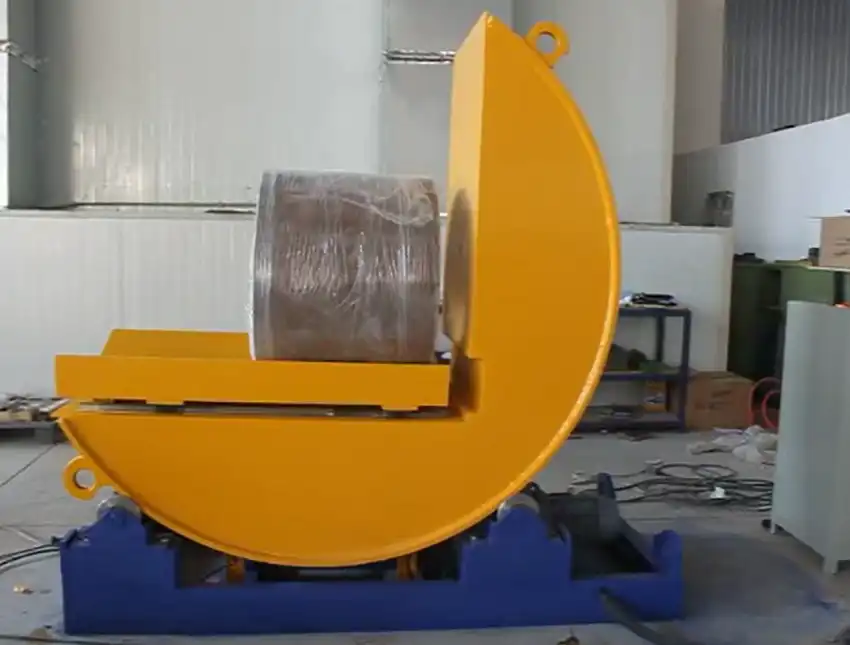

A Safer Factory Floor with Mold Upenders
Workplace safety is not only an ethical responsibility but also a critical component of operational efficiency and financial stability. Manual mold handling is inherently risky, but mold upenders offer a robust solution to mitigate these risks effectively.
Reduction of Musculoskeletal Injuries (MSIs)
Manual lifting, twisting, and awkward postures involved in mold handling are primary causes of musculoskeletal injuries (MSIs), including strains, sprains, and debilitating back injuries. These injuries cause pain and suffering for workers and lead to absenteeism, reduced productivity, and costly workers’ compensation claims for the factory. Mold upenders eliminate much of the manual exertion, drastically reducing the physical strain on workers and significantly minimizing the risk of MSIs.
Minimizing Crush and Impact Hazards
Heavy molds are inherently dangerous. If mishandled, they can easily slip, fall, or swing unexpectedly, posing serious crush and impact hazards. Manual handling, especially when using slings or chains, increases the proximity of workers to these dangers. Mold upenders provide controlled and stable rotation, keeping workers at a safe distance during the upending process and drastically reducing the potential for crush injuries.
Prevention of Dropped Loads and Equipment Damage
Manual handling, particularly with overhead cranes, carries the inherent risk of dropped loads due to operator error, equipment failure, or improper rigging. A dropped mold can cause catastrophic damage to the mold itself, surrounding equipment, and potentially the structural integrity of the facility. Mold upenders are specifically designed for stable and secure mold handling. They grip and rotate molds in a controlled manner, virtually eliminating the risk of dropped loads and the associated damage and downtime.
Comparison of Safety Risks: Manual Handling vs. Mold Upender
To effectively illustrate the safety improvements, the following comparison contrasts the safety risks associated with manual mold handling versus using a mold upender across key risk categories:
| Safety Risk | Manual Mold Handling | Mold Upender | Risk Reduction |
|---|---|---|---|
| Musculoskeletal Injuries | High risk due to manual lifting | Low risk, automated operation | Significant |
| Crush Hazards | Moderate to high risk | Low risk, controlled movement | Substantial |
| Dropped Loads | Moderate risk, crane dependency | Minimal risk, secure grip | Near elimination |
| Worker Proximity to Hazard | Close proximity during operation | Safe distance maintained | Increased safety |
| Liability Exposure | Higher, due to accident potential | Lower, proactive safety measure | Reduced liability |
The data clearly demonstrates that mold upenders offer a significant improvement in workplace safety across all key risk areas. By proactively investing in safety through automation, factories protect their employees, reduce potential liabilities, and cultivate a more responsible and sustainable operating environment. A safer workplace is not only ethically sound but also contributes to improved employee morale, reduced turnover, and a more efficient and productive workforce overall.
Ensuring Mold Integrity: Reducing Damage and Repair Costs
Molds are valuable assets in manufacturing, and damage from rough handling can lead to costly repairs, replacements, and production disruptions. Mold upenders offer a solution by providing controlled and careful handling, minimizing the risk of damage and extending mold lifespan.
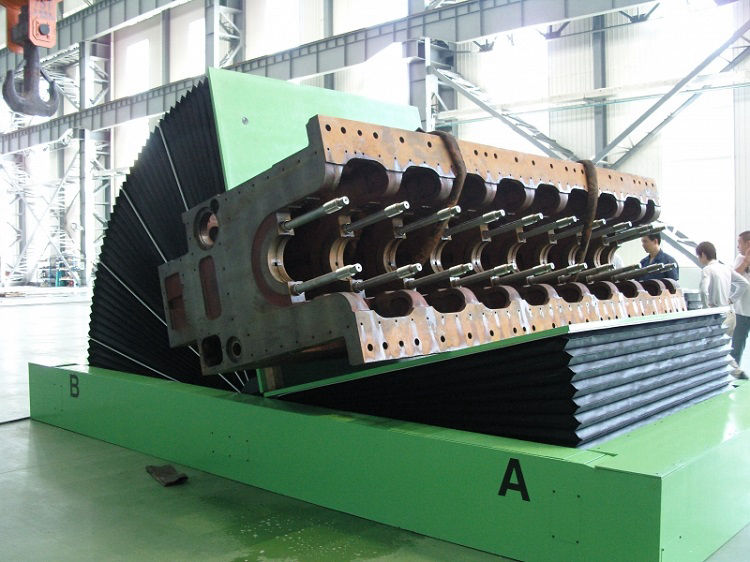

Mold upenders ensure mold integrity by providing controlled and precise handling, minimizing the risk of damage during rotation and positioning. This gentle and secure handling reduces wear and tear on molds, extends their lifespan, and decreases the frequency of costly repairs or replacements. By protecting your mold investment, upenders contribute to long-term cost savings and consistent production quality.
Investing in a mold flipper is a strategic decision that yields substantial cost savings through enhanced efficiency, reduced labor expenses, improved workplace safety, and the crucial protection of valuable molds. Embracing this technology positions your factory for increased profitability and sustained long-term success. Consider exploring the range of mold flipper options to find the perfect fit for your manufacturing needs.
Conclusion
Implementing mold flippers is a strategic move for manufacturers aiming to optimize production costs. By automating mold handling, factories can achieve significant reductions in labor expenses, minimize downtime through faster changeovers, create a safer working environment with fewer accidents and liabilities, and protect their valuable mold assets from damage. These combined benefits lead to a substantial return on investment and contribute to a more efficient, profitable, and sustainable manufacturing operation in the long run, making mold flippers a key technology for modern manufacturing competitiveness.












