

How to Prevent Coil Damage with Proper Packaging Techniques
Discovering damaged coils upon arrival is a costly nightmare for any business. Poor packaging leaves valuable metal vulnerable to rust, deformation, and contamination during transit and storage. Are you tired of absorbing losses from preventable coil damage? Safeguard your investment and reputation by implementing proven packaging strategies that ensure your coils arrive in pristine condition, every time.
Prevent coil damage with proper packaging techniques by selecting appropriate VCI materials like paper and poly film for corrosion inhibition, ensuring coils are dry and free of contaminants, using edge protectors and robust strapping for physical security, and palletizing correctly for stable handling. For export, employ moisture barrier packaging, desiccants, and secure containerization to protect against environmental factors and transit stress.
Mastering the art of coil packaging is essential for preserving product integrity and profitability. This guide delves into the fundamental challenges and effective strategies, from selecting the right materials to executing flawless packaging methods, ensuring your coils withstand the rigors of transport and storage.
Understanding the Enemies: Rust and Physical Damage
Coil damage isn’t just cosmetic; it compromises structural integrity and functionality, leading to rejection and significant financial loss. The primary culprits are often hidden hazards: rust initiated by moisture and contaminants, and physical deformation from improper handling and securing. Recognizing these threats is the first step towards effective prevention.
Rust, an electrochemical process, is initiated when moisture acts as an electrolyte on the metal surface, facilitated by oxygen and contaminants. Physical damage, such as dents, deformation, or edge impact, typically occurs during handling, stacking, or transit due to insufficient protection or stabilization. High temperatures exacerbate rust risk by influencing condensation, while inadequate physical barriers allow external forces to impact the coil shape. Proper packaging directly counters these twin threats, creating a protective shield against both environmental and mechanical stressors, ensuring coils maintain their intended form and finish from production line to destination.


Preventing coil damage requires a deep understanding of how rust forms and how physical forces impact heavy metal coils. The provided material highlights that corrosion begins with an electrolyte (often water/humidity) on the metal surface, enabling electron flow and oxidation. Factors like temperature fluctuations, humidity, contaminants (salts, fingerprints, manufacturing by-products like sulfurous gases from heat treat or fork truck exhaust), and direct contact with corrosive materials like untreated wood or cardboard accelerate this process. Physical damage can result from dropping, impacts during loading/unloading, crushing from improper stacking, or shifting during transit due to inadequate securing. Addressing these root causes through informed packaging choices is paramount.
The Science of Corrosion and Its Accelerants
Corrosion, particularly rust on ferrous metals, is an electrochemical reaction involving anodic and cathodic areas on the metal surface connected by an electrolyte. This “corrosion cell” drives the dissolution of the metal (anode) and the formation of oxides (rust). Understanding the factors that fuel this cell is crucial for prevention.
Several factors significantly accelerate the corrosion process:
- Presence of Electrolytes: Water (from humidity, condensation, or incomplete drying) is the primary electrolyte. Salts, acids, and other soluble contaminants on the metal surface or in the environment increase the conductivity of this electrolyte, speeding up electron flow and corrosion.
- Oxygen Availability: Oxygen reacts with the metal ions produced at the cathode, forming the visible rust. Limiting oxygen access to the metal surface, especially in the presence of an electrolyte, slows down corrosion.
- Temperature: Higher temperatures generally increase the rate of chemical reactions, including electrochemical corrosion. Temperature fluctuations can also cause condensation, introducing the critical electrolyte.
- Contaminants: Surface contaminants like dirt, grease, oils (if not rust preventatives), mill scale, fingerprints, and even “swarf” (metal particles in cutting fluids) can create localized differences in the metal surface or trap moisture, acting as initiation sites for corrosion cells. Sulfurous gases, acid vapors, and ammonia from manufacturing processes are also potent accelerants.
- Contact with Corrosive Materials: Direct contact with packaging materials containing moisture, acids, or chlorides (like untreated wood, cardboard, or paper) can cause “contact corrosion” at those specific points.
- Dissimilar Metals: When two different metals are in contact in the presence of an electrolyte, one metal becomes anodic to the other, leading to galvanic corrosion of the more active metal. This is a significant risk when packaging items with multiple metal components.
Effective packaging strategies must aim to eliminate or mitigate these accelerants. This involves not just physical protection but also creating a microenvironment around the coil that inhibits the electrochemical process.
| Corrosion Accelerant | How it Causes Damage | Packaging Mitigation Strategy |
|---|---|---|
| Moisture/Humidity | Forms electrolyte; enables electrochemical reaction. | Moisture barrier packaging (VCI poly), desiccants, controlled environment. |
| Contaminants (Salts, Dirt, etc.) | Act as electrolytes, create surface irregularities, trap moisture. | Thorough cleaning before packaging, VCI that passivates surface, avoiding contaminated materials. |
| Temperature Fluctuations | Cause condensation, open metal pores, accelerate reaction rate. | VCI active across temperature ranges, insulation, controlled temperature storage/transit. |
| Corrosive Packaging Materials | Introduce moisture, acids, chlorides at contact points. | Use VCI-lined materials, place VCI paper/poly barrier between coil and corrosive material. |
| Dissimilar Metal Contact | Creates galvanic corrosion cell, one metal sacrifices itself. | Multi-metal VCI, physical separation of dissimilar metals. |
By addressing these factors, packaging moves beyond simple containment to becoming an active shield against the insidious forces of corrosion and the damaging impacts of physical stress.
Selecting the Right Materials for Optimal Coil Protection
Choosing the appropriate packaging materials is fundamental to preventing coil damage. Not all materials offer the same level of protection, especially when dealing with the inherent challenges of metal coils, including potential residual heat, weight, and vulnerability to corrosion. High-performance, specifically engineered packaging is essential for safeguarding valuable products during their journey.
Selecting the right packaging materials for preventing coil damage involves prioritizing Vapor Corrosion Inhibitor (VCI) products, such as VCI paper and poly film, which create a protective atmosphere around the metal to inhibit rust. Additionally, materials providing physical protection like edge protectors, robust strapping, and sturdy pallets are crucial to prevent deformation and impact damage during handling and transport. The combination of chemical corrosion inhibition and physical safeguarding ensures comprehensive protection for steel coils.
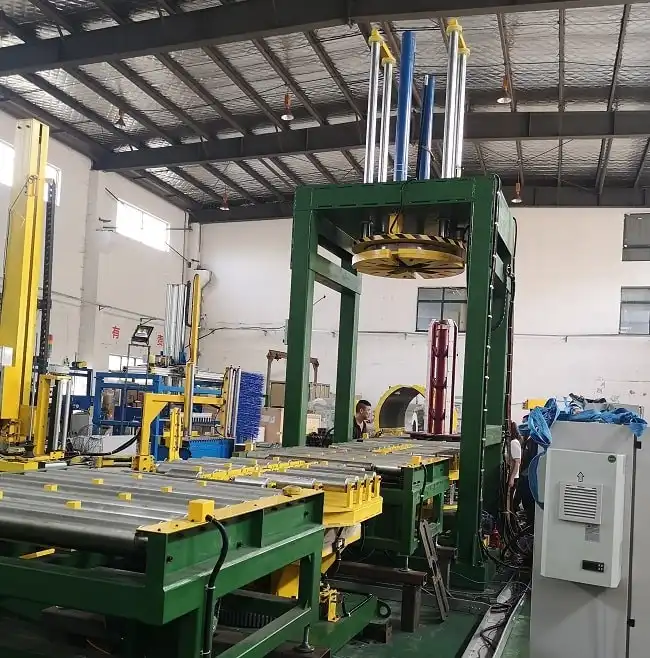

The packaging methods for color-coated coils mentioned in the reference material highlight the importance of detailed and appropriate materials. For export, where coils face diverse environmental conditions over potentially long durations, standard packaging is insufficient. VCI materials are repeatedly emphasized as crucial for preventing corrosion. These materials work by releasing rust-inhibiting vapors into the enclosed space around the coil, forming a protective molecular layer on the metal surface. Beyond VCI, physical protection components are vital to absorb shocks, prevent scratching, and maintain the coil’s shape.
The Power of VCI: Paper vs. Poly
VCI technology is a cornerstone of modern metal packaging. It offers a clean, dry, and effective alternative to traditional rust prevention methods like oils and greases. The choice between VCI paper and VCI poly film, or a combination, depends on the specific requirements of the application, including the type of metal, storage duration, environmental conditions, and need for a moisture barrier.
-
VCI Paper: VCI paper is Kraft paper infused with VCI chemicals. It provides excellent direct contact corrosion protection and is relatively breathable, which can be advantageous for allowing some initial heat dissipation from warm coils (after cooling to a safe temperature). Wax-coated or poly-coated VCI papers offer enhanced moisture resistance and durability. VCI papers are available for ferrous metals, non-ferrous metals, and multi-metal applications. A key advantage mentioned is that some high-quality VCI papers are coated on both sides, simplifying application and allowing for interleaving.
-
VCI Poly Film: VCI poly film provides a superior moisture barrier compared to paper. This is critical for protection in high-humidity environments, such as during sea transport. VCI poly bags, sheeting, and shrink wrap effectively enclose the coil, creating a microenvironment saturated with VCI vapors. VCI poly bags are transparent, allowing for easy inspection, and offer robust physical protection against dust, dirt, and moisture. They provide long-term protection, often rated for years. Like VCI paper, VCI poly is available in different formulations for various metals and can be specified for properties like tensile strength and heat resistance.
Choosing the right VCI product involves considering the specific metal type (ferrous, non-ferrous, multi-metal), the expected duration of storage or transit, and the environmental conditions the package will encounter. A VCI expert can help determine the optimal formulation and material type (paper, poly, emitters, etc.) for maximum effectiveness. For challenging applications like long-term export or high-temperature steel coils (after cooling to suitable temperature), a combination of VCI paper (inner wrap) and VCI poly (outer barrier) often provides the most robust protection. This dual-layer approach leverages the strengths of both materials: the paper provides immediate VCI access and contact protection, while the poly provides a durable moisture barrier and sustains the VCI concentration within the package.
Implementing Effective Coil Packaging Techniques
Proper packaging techniques are just as critical as selecting the right materials. Even the best VCI paper or poly film will fail if not applied correctly, if the coils are not properly prepared, or if physical protection elements are neglected. A systematic approach ensures that all vulnerabilities are addressed, providing comprehensive protection from mill to destination.
Implementing effective coil packaging techniques involves ensuring coils are clean, dry, and cooled to a suitable temperature before wrapping with appropriate VCI paper and then sealing with VCI poly film or bags to create a protective microenvironment. Securing the packaged coils with robust strapping and placing them on sturdy pallets prevents physical damage and shifting during handling and transit, complementing the corrosion prevention provided by VCI materials.
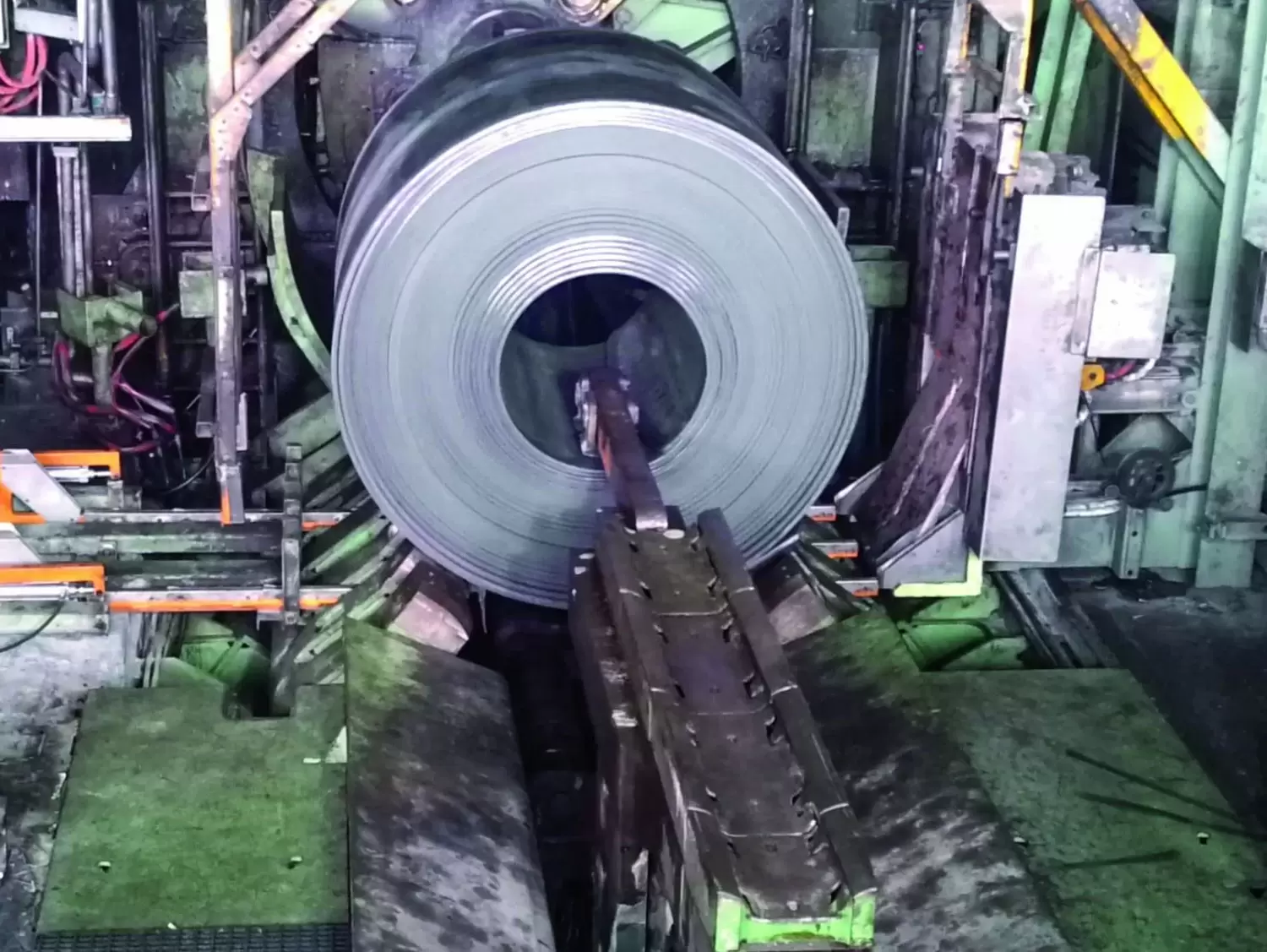

Effective coil packaging integrates several steps, each vital for preventing damage. The material emphasizes coil preparation (drying, cleaning if needed), wrapping methods (eye-to-sky, eye-to-horizon stacking), material application (VCI paper, stretch film, edge protectors, corner protectors), securing (strapping, dunnage bags), and containerization (liners, desiccants). Implementing these steps diligently, with attention to detail and material compatibility, significantly reduces the risk of both corrosion and physical damage.
Step-by-Step Packaging Process and Best Practices
A structured approach to packaging high-temperature steel coils (after they have cooled to a temperature compatible with the packaging materials) is crucial. The process should be designed to minimize the risk of condensation and fully leverage the protective properties of the chosen materials.
-
Controlled Cooling and Preparation:
- Allow coils to cool naturally or in a controlled environment to a temperature safe for handling and compatible with VCI materials (typically below 150°F/65°C). Avoid rapid cooling with water, which can trap moisture.
- Ensure the coil surface is clean and dry. While hot-rolled coils often don’t require cleaning due to scale, cold-rolled or processed coils might. If cleaning is necessary, ensure complete drying immediately after to prevent flash rust. Wearing clean gloves when handling is essential to avoid transferring corrosive contaminants like salts and fingerprints.
-
Inner VCI Wrap:
- Wrap the coil tightly with the appropriate VCI paper (ferrous, non-ferrous, or multi-metal), ensuring full surface coverage. Overlap seams generously (several inches) and secure them with VCI-compatible tape to maintain the VCI environment. Pay special attention to covering the coil eye and outer edges. Use enough VCI paper: aim for at least 1 square foot of VCI material for every 1-3 square feet of metal surface area, or at least 1 square foot for every 1 cubic foot of void space within the package.
-
Physical Protection and Outer Moisture Barrier:
- Apply edge protectors (ideally VCI-impregnated) to the inner diameter (eye) and outer circumference to prevent damage during handling and transit. Secure them in place.
- Enclose the VCI-wrapped coil in a VCI poly bag or wrap it thoroughly with VCI poly film. This layer serves as a crucial moisture barrier and helps to contain the VCI vapors within the package for sustained protection. For large coils, heat-shrinking VCI poly film can provide a snug, conforming fit. Seal all seams and edges tightly with heat or VCI-compatible tape to prevent moisture ingress.
-
Securing and Palletization:
- Apply robust strapping (steel or high-strength polyester) around the packaged coil. Apply both circumferential straps (around the outer diameter) and radial straps (through the eye for horizontally oriented coils) to secure the wrapping and prevent the coil from unwinding or shifting. Use tensioning tools to ensure straps are tight but not overly tight to damage the coil edges.
- Place the secured, packaged coil onto a sturdy wooden pallet or skid. For export, ensure pallets meet international standards (e.g., ISPM-15 fumigation) and are appropriately sized and constructed for the coil’s weight and dimensions. Secure the coil to the pallet using additional strapping or banding to prevent movement during lifting and transit.
-
Containerization and Environmental Control (for Export):
- If containerizing, consider using container liners to provide an additional layer of protection against moisture and contamination from the container walls and floor.
- Place desiccant packs inside the container, especially during long sea voyages or in humid climates, to absorb ambient moisture and help maintain a low-humidity environment within the container.
- Fill any void spaces between coils or between the coil package and container walls with dunnage bags or other bracing materials to prevent shifting and impacts during transit.
-
Labeling and Documentation:
- Clearly label the packaged coil with essential information: product type, size, weight, handling instructions (e.g., eye orientation), destination, and packaging date.
- Ensure all required documentation (packing list, shipping labels, VCI type used, etc.) is accurate and securely attached or readily available.
Following these detailed steps minimizes the risks associated with handling, storing, and transporting coils. Each layer of protection serves a specific purpose, working synergistically to deliver coils in optimal condition.
| Packaging Step | Purpose | Materials/Techniques Involved | Key Benefit |
|---|---|---|---|
| Preparation (Cooling, Cleaning, Drying) | Remove corrosion initiators (heat, moisture, contaminants). | Natural/Controlled Cooling, Cleaning (if needed), Drying. | Prevents immediate rust formation; ensures VCI effectiveness. |
| Inner VCI Wrap | Apply active corrosion protection to the metal surface. | VCI Paper (ferrous, non-ferrous, multi-metal), VCI-compatible tape. | Inhibits rust via vapor phase and contact protection. |
| Outer Moisture Barrier & Containment | Protect against external moisture; retain VCI vapors. | VCI Poly Film/Bags, Heat Sealing, VCI-compatible tape. | Crucial for humid environments; extends VCI lifespan. |
| Edge Protection | Prevent physical damage and corrosion at vulnerable points. | Edge Protectors (VCI-impregnated recommended), Strapping. | Safeguards coil edges from impacts and contact corrosion. |
| Securing | Immobilize wrap and coil; prevent shifting and unwinding. | Steel/PET Strapping, Tensioning Tools, Corner Protectors. | Maintains package integrity; prevents transit damage. |
| Palletization & Base Support | Facilitate handling; prevent ground contact; stabilize load. | Sturdy Wooden Pallets/Skids (ISPM-15 for export), Strapping. | Enables efficient mechanical handling; prevents contact damage. |
| Containerization Support (Export) | Protect within shipping container; prevent transit damage. | Container Liners, Desiccants, Dunnage Bags/Bracing. | Environmental control within container; prevents shifting. |
By implementing these techniques, manufacturers and shippers create a robust defense against the myriad of threats coils face during their journey.
Export Protection: Safeguarding Coils Across Global Journeys
Exporting steel coils introduces a unique set of challenges that demand enhanced packaging strategies. Coils face longer transit times, exposure to diverse and often extreme climates, fluctuating humidity levels (especially during sea transport), and potentially varied handling practices at ports and inland destinations. Standard domestic packaging is often insufficient for these conditions.
Export protection for steel coils necessitates a comprehensive packaging system that includes multi-layer VCI protection (paper and poly) for robust corrosion inhibition, heavy-duty strapping and edge protectors for physical integrity, sturdy export-grade pallets for handling stability, and potentially container liners and desiccants to control the microenvironment within the shipping container, ensuring coils arrive undamaged and rust-free at their international destination.
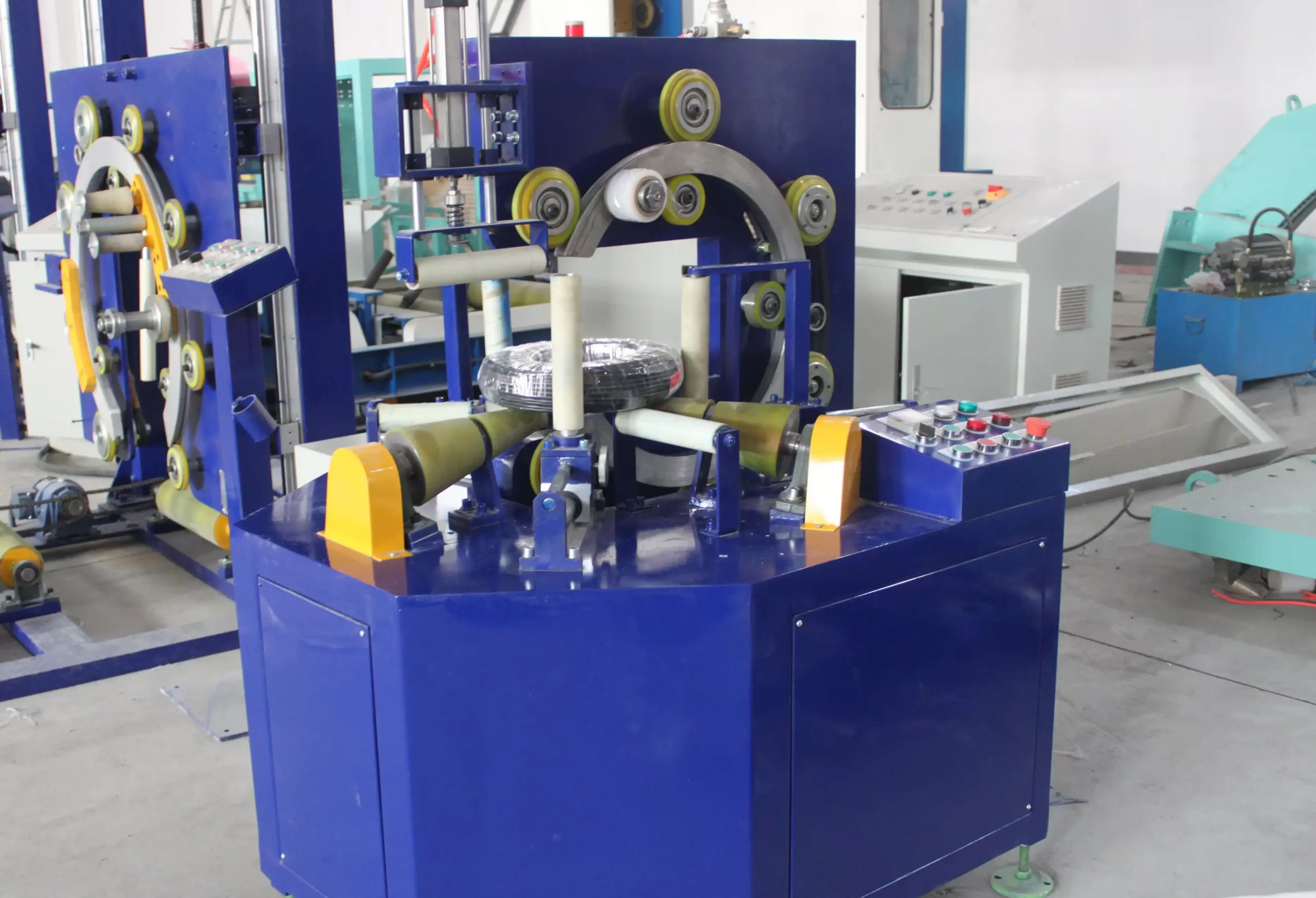

The reference material on export packaging for color-coated coils explicitly states that detailed packaging methods are crucial for ensuring integrity and protection during transportation. It lists several key packaging methods, many of which are amplified in importance for export: individual coil wrapping with VCI paper/film and stretch film, using sturdy packaging materials like edge and corner protectors, palletization on wooden pallets/skids, securing with steel/polyester strapping and dunnage bags, and containerization with liners and desiccants. These elements combine to create a resilient package capable of withstanding the stresses of international logistics. The importance of VCI is underscored by its ability to prevent corrosion in humid or harsh weather conditions, typical of export environments.
Proper export packaging goes beyond simply wrapping the coil. It involves building a protective system that considers the entire journey. The VCI protection is vital for preventing corrosion caused by unavoidable humidity and temperature swings within containers or ship holds. High-performance VCI formulations with extended lifespan are recommended for long transit times. Physical protection elements must be exceptionally durable to withstand multiple handling points and potential impacts. Pallets must comply with international standards (like ISPM-15 for wood packaging) and be strong enough to support the significant weight of steel coils throughout the export chain. Container loading and securing techniques, including bracing and dunnage, are critical to prevent load shift and damage to the coils or the container itself. Consulting with logistics partners experienced in metal coil export can help ensure all regulatory and practical requirements are met for specific destinations and shipping methods.
Advanced Techniques and Common Pitfalls to Avoid
Moving beyond the basics of material selection and application, several advanced techniques can further enhance coil protection, while awareness of common pitfalls can help prevent costly mistakes. Optimizing pH levels in cleaning, controlling plant atmosphere, and understanding the limitations of packaging materials contribute to a more robust protection strategy. Avoiding the “Dirty Dozen” mistakes highlighted in the reference material is paramount for consistent results.
Advanced techniques for preventing coil damage include maintaining optimal pH in processing fluids, controlling plant humidity and temperature, and using multi-metal or specialized VCI formulations. Avoiding common pitfalls like touching metal with bare hands, using corrosive packaging materials, leaving coils uncovered, improper drying, reusing VCI, or not using enough VCI are equally critical to ensure packaging effectiveness and prevent costly damage.


The provided content offers a wealth of practical advice and highlights numerous ways manufacturers inadvertently contribute to corrosion. The “Dirty Dozen” list serves as a valuable checklist for identifying and correcting common mistakes. These range from basic handling errors (bare hands, contact with wood/cardboard) to process-related issues (dirty fluids, improper drying, incorrect pH, poor atmospheric control) and packaging errors (leaving parts uncovered, using wrong VCI type, not using enough VCI, improper VCI use like allowing absorption). Addressing these pitfalls requires training, process control, and consistent application of best practices. Advanced techniques include using deionized or distilled water instead of public water for cleaning and water-based rust inhibitors, and ensuring metalworking fluids are kept clean and at the correct pH for the specific metal type. Understanding that even seemingly minor issues can trigger corrosion is key to preventing damage. For example, temperatures and humidity in the plant and during storage/transit significantly impact corrosion rates, emphasizing the need for environmental control where possible, or reliance on robust VCI protection when control is limited.
Conclusion
Preventing coil damage is an essential aspect of maintaining product quality, reducing costs, and ensuring customer satisfaction in the metal industry. By implementing proper packaging techniques that combine physical protection with advanced corrosion inhibition, specifically through the strategic use of VCI paper and poly films, manufacturers and shippers can significantly mitigate risks. Addressing environmental factors, handling practices, and avoiding common pitfalls are all integral parts of a comprehensive strategy. Investing in quality packaging and training personnel pays dividends by ensuring valuable coils arrive in pristine condition, reinforcing reliability throughout the supply chain. Exploring automated solutions for coil packing lines can further enhance efficiency and consistency.












