
Effective supply chain cost management is crucial for businesses handling steel coils. Optimizing these costs not only enhances profitability but also ensures a competitive edge in the market. This article delves into practical strategies to minimize expenses associated with steel coil packing, focusing on efficiency and financial savings.

To optimize supply chain costs for steel coil packing, businesses should focus on efficient material use, streamlined processes, and strategic logistics management. Implementing automated coil packing solutions, optimizing packaging materials, and leveraging data-driven decisions in logistics can significantly reduce costs while maintaining product integrity and ensuring timely delivery.
This article explores key areas and actionable steps to achieve substantial financial savings and operational improvements in your steel coil packing supply chain. Let’s examine how targeted strategies can transform your cost structure and boost your bottom line.
1. Understanding the Costs in Steel Coil Packing Supply Chain
To effectively optimize supply chain costs for steel coil packing, it’s essential to first understand where these costs originate. A comprehensive overview of direct and indirect expenses provides a foundation for targeted improvements and financial savings.
Supply chain costs for steel coil packing encompass direct expenses like packaging materials and labor, and indirect costs such as warehousing and transportation. Efficient logistics management and optimized material usage are key to minimizing these costs and enhancing overall financial performance. Recognizing these components allows businesses to pinpoint areas for strategic intervention and cost reduction.
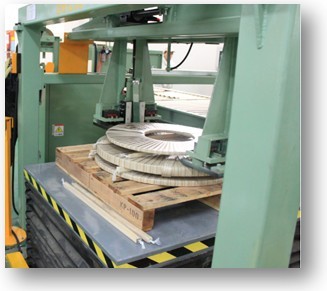
Breaking Down Steel Coil Packing Costs: A Detailed Analysis
Understanding the specific cost drivers in steel coil packing is crucial for effective optimization. By dissecting the process, we can identify areas ripe for improvement and cost reduction.
Direct Costs: Tangible Expenses in Packing
Direct costs are those immediately attributable to the packing process. These are typically easier to quantify and control.
- Packaging Materials: This includes the cost of wrapping film, steel or plastic straps, edge protectors, and any other materials used to secure and protect the steel coils. Material selection and efficient usage are critical factors.
- Labor: The wages and benefits of personnel directly involved in the packing process, including machine operators, material handlers, and quality control staff. Automation can significantly impact these costs.
- Energy Consumption: Power used by packing machinery, lighting, and heating/cooling in the packing area. Energy-efficient equipment and optimized operational schedules can reduce these expenses.
Indirect Costs: Overheads and Operational Expenses
Indirect costs are not directly tied to each coil packed but are necessary for the overall packing operation. These can be harder to track but are equally important to manage.
- Warehousing: Costs associated with storing packaging materials and packed steel coils. Efficient inventory management and just-in-time material delivery can minimize warehousing needs.
- Transportation: Expenses for moving packaging materials to the packing facility and transporting packed coils to customers or further processing locations. Optimized logistics and route planning are essential.
- Equipment Maintenance and Depreciation: Costs for maintaining packing machinery and the depreciation of this equipment over time. Regular maintenance schedules and investing in durable, reliable machinery can mitigate these costs.
- Waste and Rework: Costs incurred from damaged packaging materials, improperly packed coils requiring rework, and disposal of waste. Quality control and process optimization are vital to minimize these losses.
Total Cost of Ownership (TCO) for Packing Equipment
Considering the Total Cost of Ownership (TCO) for packing equipment provides a long-term perspective on cost management. TCO includes not just the initial purchase price but also operational costs, maintenance, and lifespan.
| Cost Component | Description | Impact on TCO |
|---|---|---|
| Initial Investment | Purchase price of the coil packing machine | High upfront cost, consider ROI and long-term benefits |
| Installation Costs | Expenses for setting up and integrating the machine into the production line | Can be significant, plan for efficient integration |
| Operational Costs | Energy consumption, labor, consumables (strapping, film) | Recurring costs, optimize for efficiency |
| Maintenance Costs | Regular servicing, repairs, spare parts | Predictable costs, preventative maintenance is key |
| Downtime Costs | Losses from production halts due to machine failure | Unpredictable but potentially high, reliability is crucial |
| Lifespan and Disposal | Useful life of the machine, disposal or upgrade costs at end-of-life | Long-term planning, consider resale value or recycling |
By analyzing both direct and indirect costs, and considering the TCO of equipment, businesses can develop a holistic strategy to optimize their steel coil packing supply chain costs effectively. This comprehensive understanding paves the way for implementing targeted cost reduction measures in subsequent stages.
2. Strategic Approaches to Reduce Steel Coil Packing Costs
Once the cost components are clearly understood, strategic approaches can be implemented to drive down expenses in steel coil packing. These strategies focus on optimizing material usage, streamlining processes, and leveraging technology for efficiency.
Reducing steel coil packing costs involves optimizing material use, implementing efficient packing processes, and leveraging technology. Strategic material selection, automation, and just-in-time inventory management are key tactics to achieve significant financial savings. By adopting these approaches, businesses can enhance their operational efficiency and reduce overall expenditure.
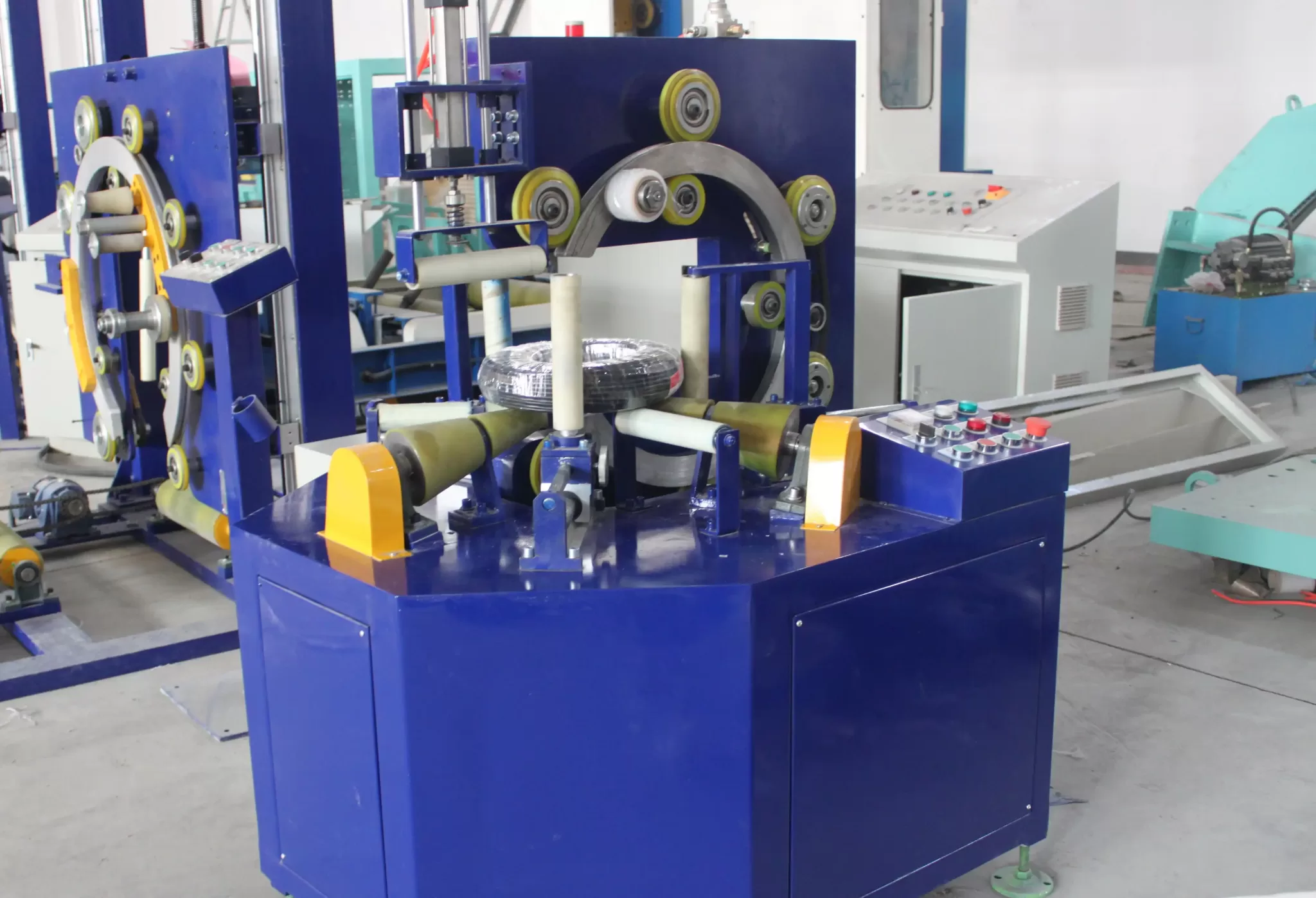
Implementing Cost-Effective Strategies: A Practical Guide
To effectively reduce costs in steel coil packing, businesses should consider a multi-faceted approach that addresses various aspects of the packing process.
Optimize Packaging Materials
Selecting the right packaging materials and using them efficiently is fundamental to cost reduction.
- Material Selection: Opt for cost-effective yet durable materials. Consider thinner but high-strength films and straps that provide adequate protection without excess material usage. Explore recyclable or biodegradable options to potentially reduce disposal costs and enhance sustainability.
- Reduce Material Waste: Implement measures to minimize material waste. This includes training operators on optimal material usage, regularly checking machinery for proper function to avoid material damage during packing, and recycling any unavoidable waste.
- Bulk Purchasing: Negotiate with suppliers for bulk discounts on packaging materials. Forecast material needs accurately to take advantage of volume pricing and reduce per-unit costs.
Streamline Packing Processes
Efficient packing processes reduce labor costs, energy consumption, and material waste.
- Automation: Invest in automated coil packing machines. Automation reduces manual labor, increases packing speed, and ensures consistent packing quality, minimizing rework and material waste. Automated systems can also be programmed for optimal material usage. Coil packing machine improve efficiency.
- Standardization: Standardize packing procedures to ensure consistency and efficiency. Develop clear guidelines and training programs for operators to follow best practices. Standardized processes reduce variability and errors, leading to fewer reworks and material savings.
- Just-In-Time Material Supply: Implement a just-in-time (JIT) system for packaging materials. This reduces the need for large warehousing space and minimizes the risk of material obsolescence or damage while in storage. JIT ensures materials are available when needed without excess inventory.
Enhance Logistics and Inventory Management
Efficient logistics and inventory practices minimize transportation and warehousing costs related to packing materials and packed coils.
- Optimize Transportation Routes: Plan efficient transportation routes for both inbound packaging materials and outbound packed coils. Consolidate shipments to maximize load capacity and reduce transportation frequency, lowering fuel and freight costs.
- Strategic Warehouse Location: Locate warehouses strategically to minimize transportation distances. If possible, position material warehouses closer to the packing facility and finished goods warehouses near major transportation hubs or customer locations.
- Inventory Management Systems: Use inventory management software to track packaging material levels and packed coil inventory in real-time. This helps prevent stockouts and overstocking, optimizing warehouse space and reducing carrying costs.
By strategically implementing these approaches, businesses can achieve significant reductions in steel coil packing costs. Optimizing materials, streamlining processes, and enhancing logistics create a more efficient and financially sound supply chain operation.
3. Leveraging Technology for Cost Optimization in Coil Packing
Technology plays a pivotal role in optimizing supply chain costs, and steel coil packing is no exception. Implementing the right technological solutions can significantly enhance efficiency, reduce errors, and drive down expenses.
Technology offers powerful tools for optimizing steel coil packing costs through automation, data analytics, and improved visibility. Investing in automated machinery, implementing IoT for real-time tracking, and using data analytics for process optimization are key technological strategies for financial savings. By embracing these technologies, businesses can transform their packing operations and achieve substantial cost benefits.
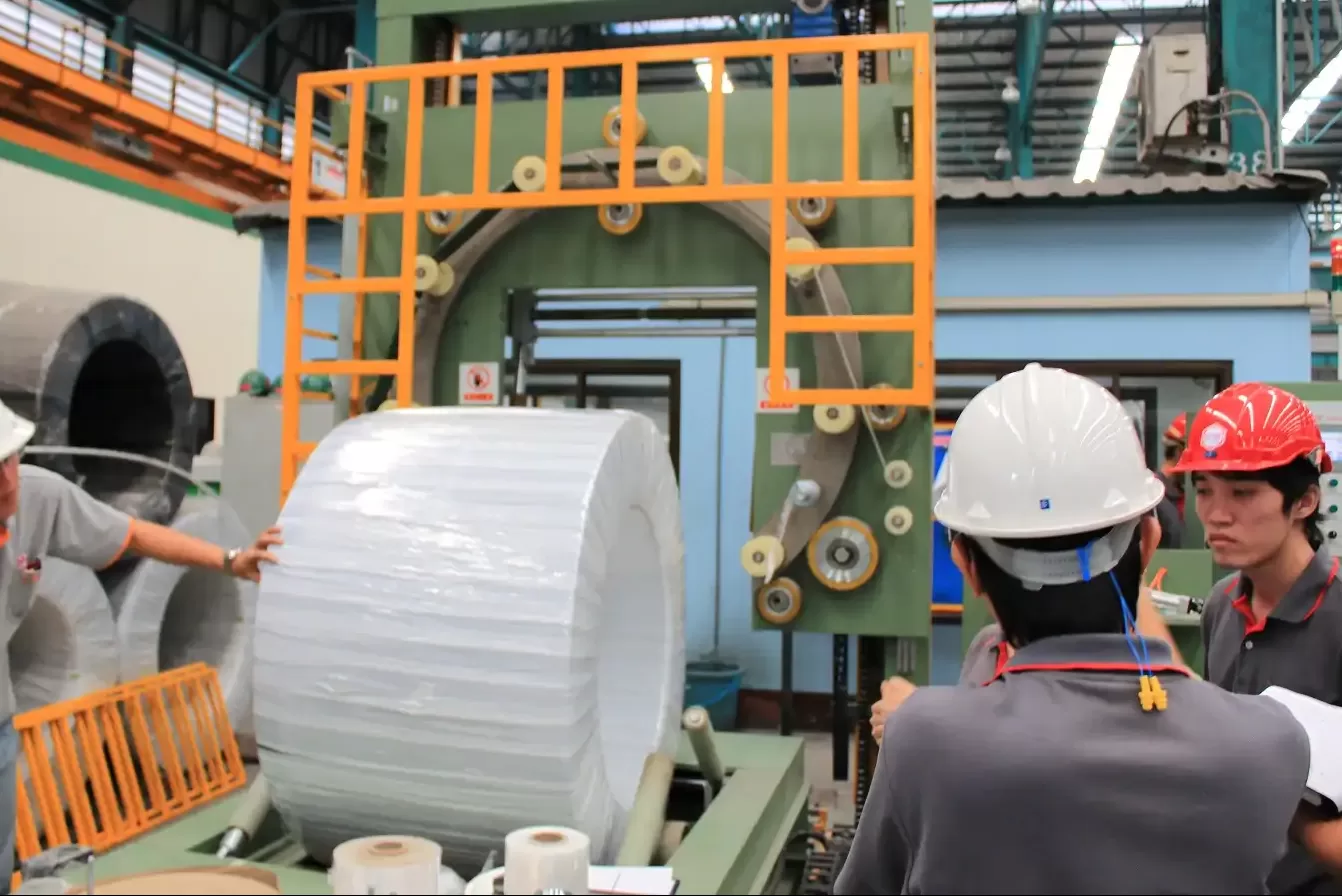
Technological Solutions for Enhanced Efficiency and Savings
Adopting specific technologies can revolutionize steel coil packing operations, leading to significant cost reductions and improved performance.
Automation and Robotics
Automating packing processes reduces labor costs, increases throughput, and ensures consistent quality.
- Automated Coil Packing Machines: Investing in automated machines streamlines the entire packing process, from wrapping and strapping to labeling and palletizing. These machines operate faster and more consistently than manual labor, reducing packing time and labor costs.
- Robotic Systems: Deploying robots for tasks like material handling and coil manipulation further reduces labor needs and improves safety. Robots can handle heavy coils with precision and speed, minimizing the risk of damage and increasing operational efficiency.
- Benefits of Automation:
- Reduced labor costs
- Increased packing speed and throughput
- Improved consistency and quality of packing
- Minimized material waste through precise application
- Enhanced safety in packing operations








