
How to Integrate Coil Wrapping into Your Automated Production Line
Are you tired of inconsistent coil packaging quality and rising labor costs eating into your profits? Imagine a seamless production line where each coil is perfectly wrapped, protected, and ready for shipment, without adding extra manpower. Integrating automated coil wrapping into your production process is not just a futuristic concept; it’s a practical solution available now to boost efficiency and reduce costs.
Integrating coil wrapping into your automated production line involves strategically incorporating an automated wrapping system that aligns with your existing processes. This typically includes assessing your current line, selecting the right automated wrapping technology, ensuring seamless data integration, and optimizing material flow to enhance efficiency and product protection while minimizing manual intervention.
This article delves into the essential steps and considerations for integrating coil wrapping into your automated production line, ensuring a smoother operation and superior product protection. Keep reading to discover how to transform your coil packaging process.
Streamlining Operations with Automated Coil Wrapping Integration
Are bottlenecks in your packaging department slowing down your entire production line? Manual coil wrapping is not only labor-intensive but also prone to inconsistencies that can compromise product quality. Automating this crucial step can dramatically improve throughput and ensure every coil is wrapped to the same high standard, reducing errors and saving valuable time.
Automated coil wrapping integration streamlines operations by replacing manual, inconsistent processes with a reliable, high-speed system. This reduces labor costs, minimizes material waste through optimized usage, and increases overall production efficiency. By automating wrapping, manufacturers achieve consistent packaging quality, enhanced product protection, and faster throughput, leading to significant operational improvements.

To fully grasp the benefits of integration, it’s crucial to understand the technical aspects and how they contribute to operational excellence. Let’s explore the key components and processes involved in seamlessly integrating coil wrapping into your automated line.
Key Considerations for Seamless Integration
Successfully integrating coil wrapping requires careful planning and attention to several key areas. These include system compatibility, data integration, and material handling. Let’s break down each of these elements to provide a clear roadmap for effective implementation.
System Compatibility and Customization
The first step is to ensure the chosen coil wrapping system is compatible with your existing production line infrastructure. This involves assessing the physical space, the type of coils being processed, and the current material flow. A modular system offers the greatest flexibility, allowing for customization to fit specific line configurations and production volumes.
| Feature | Manual Wrapping | Automated Wrapping | Benefits of Automation |
|---|---|---|---|
| Speed | Slow (1-2 coils/hour) | Fast (20+ coils/hour) | Increased throughput, faster order fulfillment |
| Consistency | Variable | Consistent | Uniform packaging quality, reduced damage risk |
| Labor Costs | High (multiple operators) | Low (1-2 supervisors) | Significant reduction in labor expenses |
| Material Usage | Often wasteful | Optimized, precise cuts | Minimized material waste, cost savings |
| Safety | Higher risk of injury | Lower risk, operator safe | Improved workplace safety, reduced worker compensation |
| Scalability | Limited | Highly scalable | Adapts to increased production demands |
Data Integration and Control Systems
Modern automated coil wrapping systems are equipped with sophisticated control systems that need to integrate seamlessly with your overall production line management system. WinCC monitoring systems, for example, allow for real-time data exchange, enabling comprehensive monitoring, control, and diagnostics. This integration is crucial for tracking production, identifying bottlenecks, and ensuring smooth operation. The system should ideally communicate with your Mill Information System (MIS) for efficient data management and analysis.
Material Handling and Flow Optimization
Efficient material handling is paramount for a successful integration. The automated wrapping line should be designed to minimize material replenishment downtime. Ideally, material filling should only be required once per shift. Furthermore, the system should optimize material consumption by cutting and sizing materials according to the coil dimensions, reducing the need for multiple pre-cut sizes and minimizing storage space. Consider automated material winder and film roll changing devices to further enhance efficiency and reduce manual intervention.
By carefully considering these key areas, manufacturers can ensure a smooth and effective integration of coil wrapping into their automated production lines, realizing significant improvements in efficiency, cost savings, and product quality.
Selecting the Right Coil Wrapping Technology
Choosing the appropriate coil wrapping technology is critical for successful integration. Different technologies offer varying levels of protection, efficiency, and automation. Understanding these options will help you make an informed decision that best suits your specific needs and production goals.
Selecting the right coil wrapping technology involves evaluating your product protection needs, production volume, and budget. Key technologies include Through-Eye Wrapping (TEW) for superior moisture protection, body wrapping for mechanical protection, and automated edge protection for vulnerable coil edges. Matching the technology to your specific requirements ensures optimal performance and cost-effectiveness.
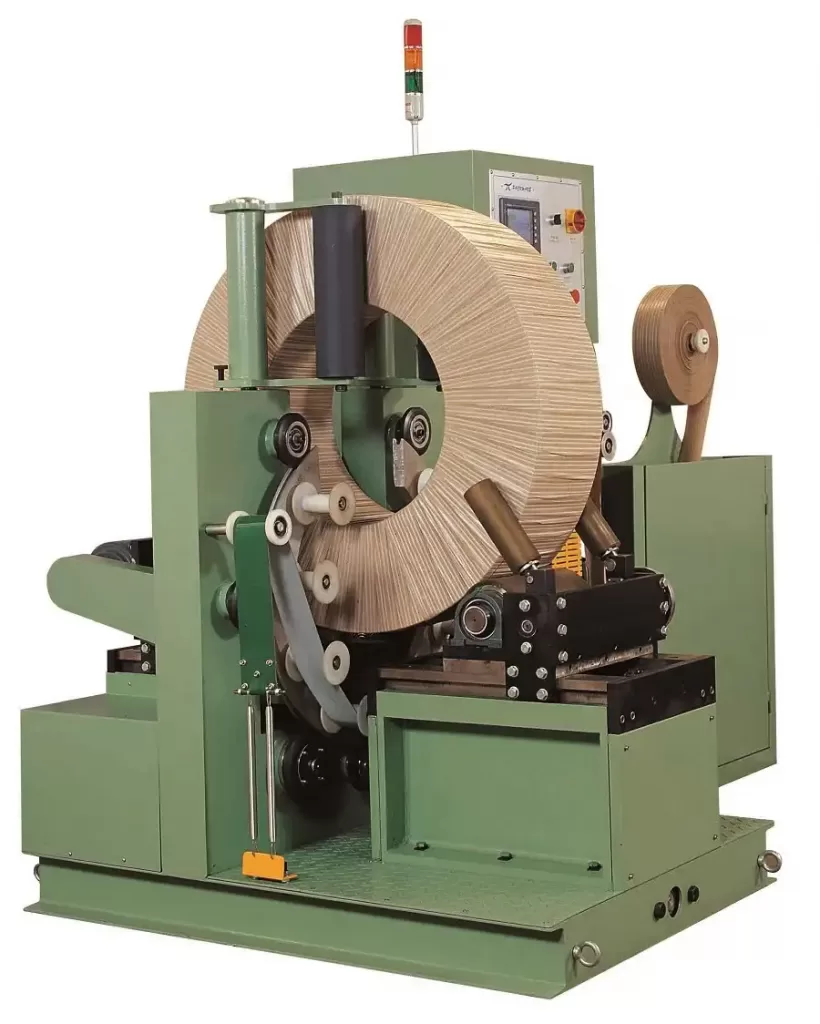
Let’s delve into some of the leading technologies in coil wrapping and their respective benefits, helping you navigate the options and choose the best fit for your automated line.
Exploring Advanced Wrapping Technologies
The evolution of coil wrapping technology has led to sophisticated solutions that address various challenges in product protection and operational efficiency. From moisture protection to mechanical safeguarding, modern technologies offer a range of benefits.
Through-Eye Wrapping (TEW) Technology
TEW technology stands out for its exceptional moisture protection capabilities. Unlike traditional folding methods, TEW creates an airtight package by wrapping through the coil eye with crepe paper and PE film. The crepe paper absorbs internal moisture, while the PE film forms a tight, impermeable barrier against external humidity. This method significantly extends storage time and eliminates the issue of VCI evaporation associated with traditional packaging. TEW technology is particularly beneficial for coils that are susceptible to corrosion and require long-term storage or transportation in challenging environments.
Body Wrapping for Mechanical Protection
Body wrapping technology focuses on providing robust mechanical protection. These machines use materials like board and steel to create a protective outer layer around the coil body, safeguarding against damage during handling, storage, and transportation. Automated body wrapping machines optimize material usage by cutting materials to the exact coil size, reducing waste and inventory needs. This technology is essential for coils that require additional protection against physical impacts and harsh handling conditions.
Automated Edge Protection Systems
Coil edges are particularly vulnerable to damage. Automated edge protection systems address this by applying protective materials, such as steel or plastic edge protectors, to both the inner and outer edges of the coil. These systems can be integrated into the automated wrapping line, ensuring consistent and reliable edge protection. Automated edge protection minimizes material waste compared to manual methods, which often involve overlapping and excess material usage. This technology is crucial for maintaining coil integrity and preventing damage that can lead to product rejection or customer dissatisfaction.
By understanding the strengths of each technology, manufacturers can strategically select and integrate coil wrapping solutions that precisely meet their protection requirements and operational objectives, maximizing efficiency and minimizing potential product damage.
Cost Savings and Efficiency Gains Through Automation
Investing in automated coil wrapping is not just about improving product protection; it’s also a strategic move to achieve significant cost savings and efficiency gains within your production line. Automated systems offer compelling returns on investment through reduced material costs, lower labor expenses, and increased throughput.
Automated coil wrapping delivers substantial cost savings and efficiency gains by optimizing material usage, reducing labor requirements, and increasing production speed. Material costs can be reduced by up to 30% through precise material cutting and minimized waste. Labor costs decrease significantly due to reduced operator involvement, and throughput increases dramatically, often exceeding 20 coils per hour compared to manual wrapping.
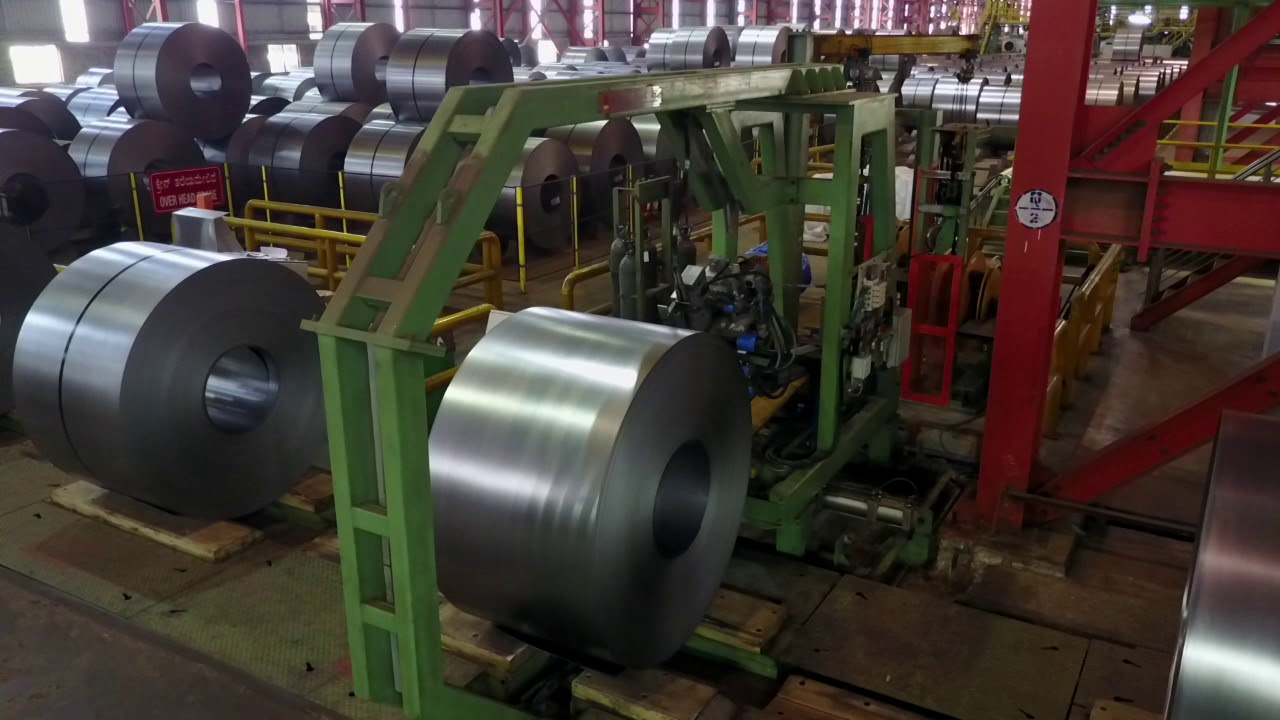
Let’s analyze the specific areas where automation drives cost savings and efficiency improvements, providing a clear picture of the financial and operational benefits.
Quantifying the Benefits of Automated Wrapping
The advantages of automated coil wrapping extend beyond just speed and consistency. They translate directly into tangible cost reductions and operational improvements across various aspects of the production process.
Reduced Material Costs
Automated wrapping lines are designed to optimize material consumption. Unlike manual wrapping, where pre-cut materials and overlaps often lead to waste, automated systems cut materials precisely to the coil size. This optimized material usage can reduce packing material costs by as much as 30%. Furthermore, using large material coils and manufacturing packing materials on-site minimizes storage space requirements and reduces material handling costs.
Lower Labor Expenses
Manual coil wrapping is labor-intensive, often requiring multiple operators per line. Automated systems significantly reduce labor requirements, typically needing only one or two supervisors per line. This reduction in manpower translates directly into lower labor costs and allows for the reallocation of personnel to other critical areas of production. The increased speed of automated lines also reduces the overall time spent on packaging, further contributing to labor efficiency.
Increased Throughput and Capacity
Automated coil wrapping lines dramatically increase production throughput. While manual wrapping might achieve one coil per hour per operator, automated lines can process 20 or more coils per hour with minimal operator involvement. This significant increase in capacity allows manufacturers to meet higher production demands, reduce lead times, and improve overall responsiveness to customer orders. The consistent and high-speed operation of automated systems ensures a steady flow of packaged coils, eliminating bottlenecks in the packaging department.
| Cost/Efficiency Factor | Manual Wrapping | Automated Wrapping | Potential Savings/Gains |
|---|---|---|---|
| Material Costs | High (wasteful) | Low (optimized usage) | Up to 30% reduction |
| Labor Costs | High (multiple operators) | Very Low (1-2 supervisors) | Significant reduction, often 50% or more |
| Throughput | Low (1-2 coils/hour) | High (20+ coils/hour) | 10x to 20x increase in production speed |
| Storage Space | High (pre-cut materials) | Low (large material coils) | Minimized storage needs, reduced inventory management |
| Operational Costs | High | Low | Overall reduction in packaging operational expenses |
By leveraging these cost savings and efficiency gains, integrating automated coil wrapping becomes a financially sound and operationally strategic decision, enhancing both the bottom line and the overall competitiveness of manufacturing operations.
Enhancing Product Protection and Brand Reputation
Beyond cost and efficiency, integrating automated coil wrapping significantly enhances product protection and strengthens brand reputation. Consistent, high-quality packaging ensures that coils arrive at their destination in pristine condition, safeguarding against damage and corrosion. This commitment to quality reflects positively on your brand and builds customer trust.
Automated coil wrapping enhances product protection by providing consistent, high-quality packaging that minimizes the risk of damage and corrosion during transit and storage. Superior packaging quality translates to improved customer satisfaction, reduced product returns, and a stronger brand reputation for delivering quality products in perfect condition.

Let’s explore how automated wrapping elevates product protection and contributes to a stronger brand image, ultimately impacting customer loyalty and market perception.
The Impact of Quality Packaging on Brand Perception
The appearance and integrity of product packaging are often the first impression customers have of your brand. High-quality packaging not only protects the product but also communicates a commitment to excellence and attention to detail. Conversely, damaged or poorly packaged goods can negatively impact customer perception, leading to dissatisfaction and potential loss of business.
Automated coil wrapping ensures consistent and professional-looking packages every time. Technologies like TEW provide superior moisture protection, preventing rust and corrosion, while robust body wrapping and edge protection systems minimize physical damage. This comprehensive protection guarantees that products reach customers in optimal condition, reinforcing a positive brand image and building trust.
Furthermore, automated systems can integrate labeling and branding directly into the packaging process. Consistent and clear labeling enhances traceability and professionalism, while incorporating your brand elements on the packaging reinforces brand visibility and recognition. In today’s competitive market, where quality and reliability are paramount, investing in automated coil wrapping is an investment in your brand’s reputation and long-term success.
Conclusion
Integrating coil wrapping into your automated production line is a strategic move that yields multifaceted benefits, from streamlined operations and significant cost savings to enhanced product protection and a stronger brand reputation. By adopting automated steel coil wrapping solutions, manufacturers can optimize their packaging processes, ensuring efficiency, consistency, and superior product delivery. Explore the possibilities of automated coil packing line to revolutionize your production and elevate your market standing.








