
How to Improve the Durability of Steel Wire Strapping Machines?
Steel wire strapping machines are essential for secure packaging, facing constant stress. Enhancing their durability is vital to prevent downtime and ensure operational efficiency. This article delves into optimizing their lifespan.
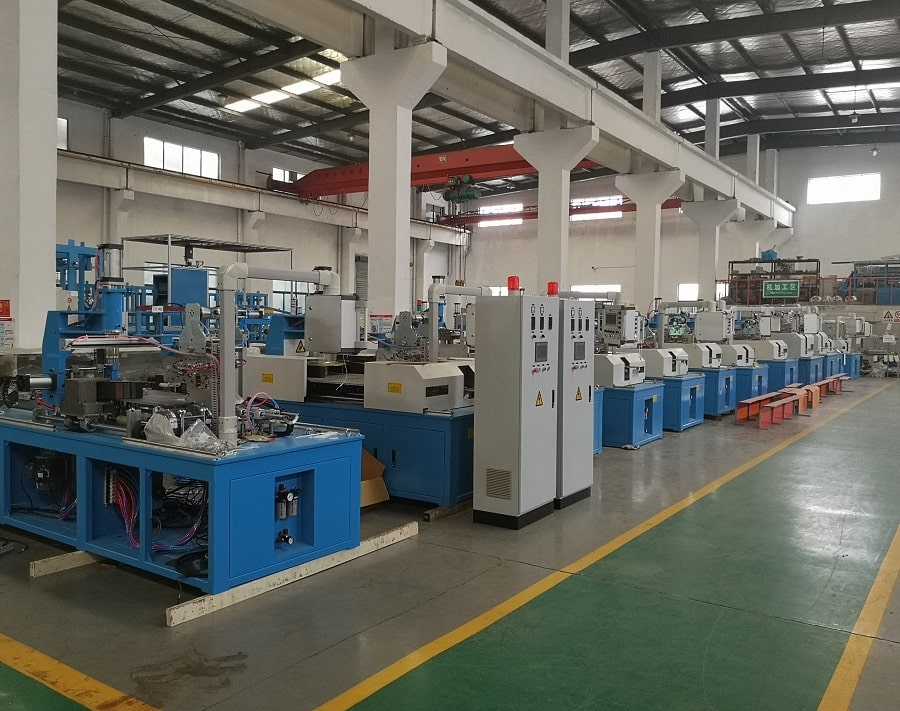
To improve the durability of steel wire strapping machines, focus on preventative maintenance, use quality materials, ensure proper operator training, and establish a consistent cleaning schedule. Regular inspections and timely replacements of worn parts are also crucial for extending their lifespan and optimizing performance.
Equipment downtime can significantly impact productivity and profitability. Understanding the factors that affect durability and implementing proactive measures is key to maximizing the return on investment.
1. Selecting Durable Packing Materials for Steel Wire
Choosing the right packing materials is fundamental to the Steel wire strapping machine durability. The material must resist handling, transport, and environmental stresses to protect the steel wire effectively.
The durability of steel wire packing relies heavily on the packaging material’s strength. Reinforced plastics, heavy-duty cardboard, and specialized films provide superior protection against damage, moisture, and corrosion. Selecting materials with adequate tensile strength, tear resistance, and environmental resilience ensures longevity and integrity during storage and transit.
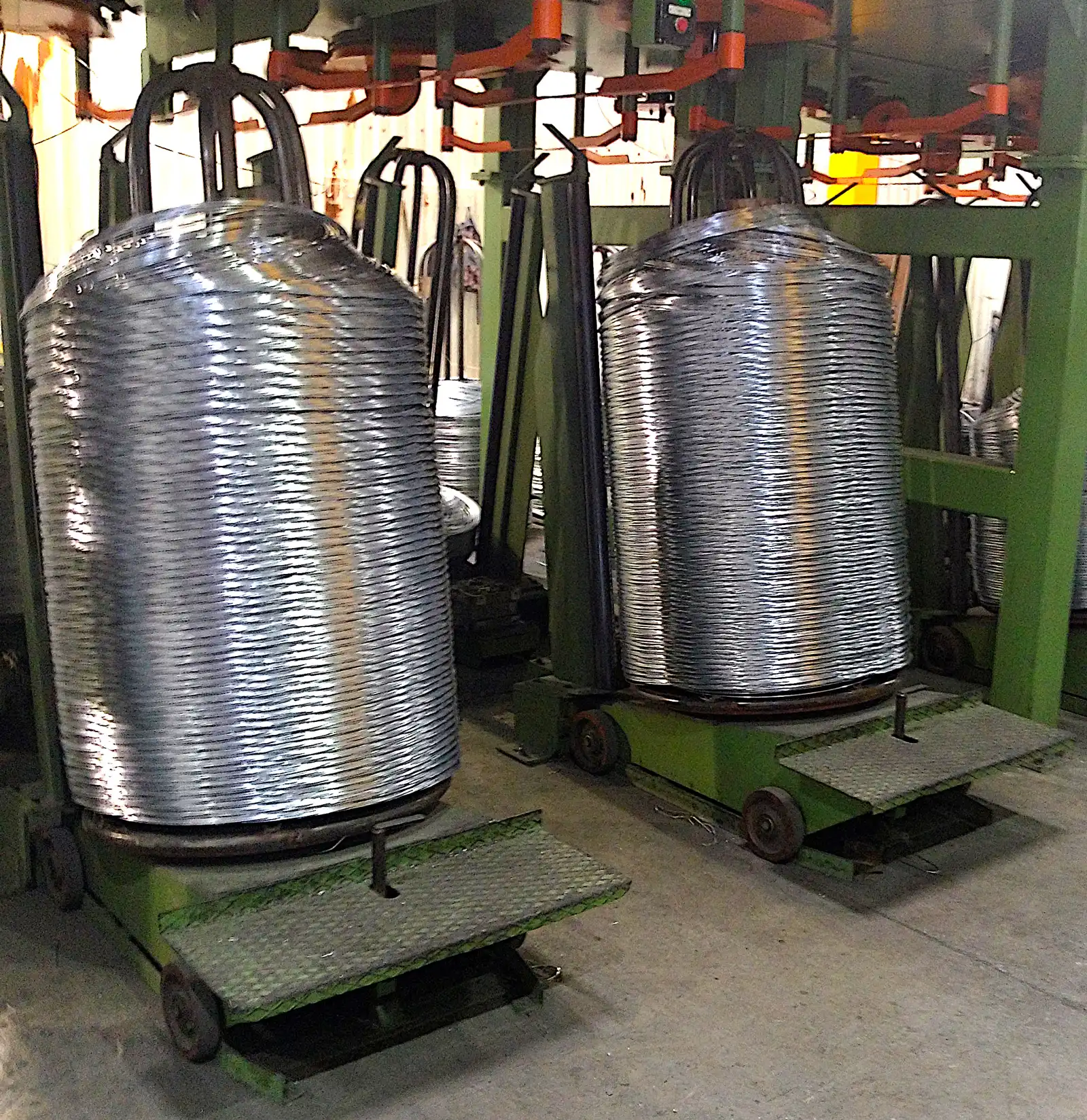
Understanding Material Properties and Their Impact on Durability
Material properties directly impact the durability of steel wire packing. Understanding tensile strength, tear resistance, moisture resistance, UV resistance, and temperature stability is essential for maximizing protection.
Tensile Strength and Tear Resistance
These properties determine how well a material withstands pulling and tearing forces during handling and transportation.
| Material Type | Tensile Strength (MPa) | Tear Resistance (N/mm) | Durability Level | Common Applications in Steel Wire Packing |
|---|---|---|---|---|
| Standard Cardboard | 2-5 | 0.1-0.3 | Low | Light gauge wire, short distance transport |
| Heavy-Duty Cardboard | 5-10 | 0.3-0.6 | Medium | Medium gauge wire, moderate transport |
| Reinforced Plastic Film | 20-40 | 1-2 | High | Heavy gauge wire, long distance, harsh conditions |
| Steel Strapping | 500-800 | N/A (Rigid) | Very High | Extremely heavy coils, maximum security |
Standard cardboard offers minimal protection, while heavy-duty cardboard provides better resistance but is still vulnerable to moisture. Reinforced plastic film is stronger and water-resistant, ideal for environmental elements and moderate stress. Steel strapping offers ultimate strength for securing heavy coils.
Moisture and Corrosion Resistance
Steel is susceptible to rust, making moisture protection critical. Materials should act as effective barriers against humidity and water.
| Material Feature | Protection Level | Impact on Steel Wire Durability | Suitable For Environments |
|---|---|---|---|
| Standard Material | Low | Minimal corrosion protection | Dry, indoor storage only |
| Moisture Barrier Coating | Medium | Good moisture protection | Indoor storage with moderate humidity, covered transport |
| Waterproof Lamination | High | Excellent moisture protection | Outdoor storage, humid climates, sea transport |
Standard materials offer no moisture protection, leading to rapid corrosion. Moisture barrier coatings slow down moisture penetration, while waterproof lamination creates a complete barrier, essential for long-term storage and harsh environments.
UV Resistance and Temperature Stability
For steel wire stored outdoors or exposed to sunlight, UV degradation and temperature fluctuations can compromise packing material integrity.
| Material Property | Benefit | Relevance to Steel Wire Packing Durability |
|---|---|---|
| UV Stabilizers | Prevents material degradation from sunlight | Maintains material strength and barrier properties |
| Temperature Stability | Material retains properties across temp ranges | Prevents cracking or becoming brittle in extreme temps |
UV stabilizers prevent material degradation, maintaining strength and barrier properties. Temperature stability ensures material properties are retained, preventing cracking in extreme temperatures.
2. Optimizing the Wire Packing Machine Process
Optimizing the wire packing machine itself is essential for ensuring the longevity of both the machine and the strapping material. A well-optimized process reduces stress on the steel wire and the packaging materials, contributing to extended lifespan and reduced damage.
To optimize the wire packing machine process for durability, prioritize tension control, implement precise sealing mechanisms, and ensure regular calibration. Consistent maintenance minimizes stress on the wire and packaging, extending the machine’s lifespan and ensuring package integrity against external forces.
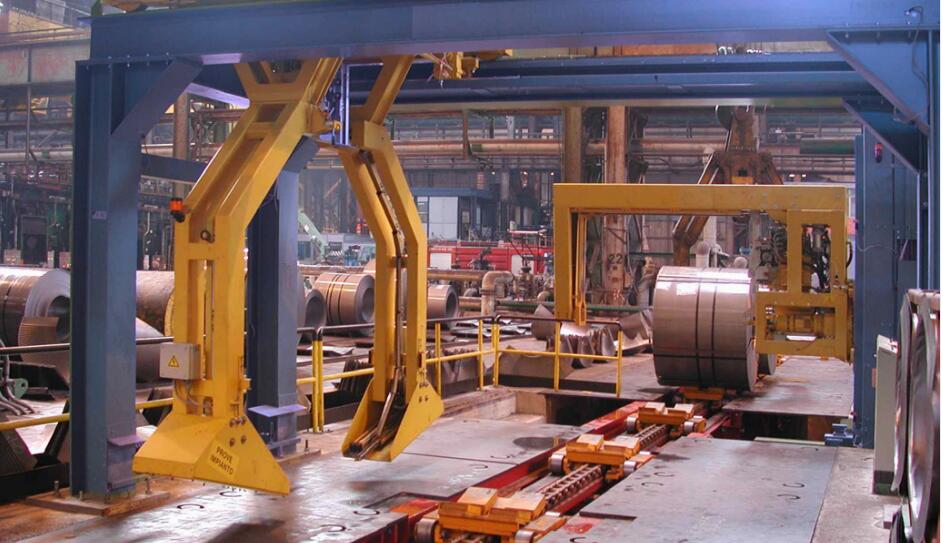
Key Optimization Areas for Enhanced Durability
Fine-tuning machine settings and operational parameters is critical to minimizing stress and maximizing package integrity.
Tension Control and Wire Handling
Consistent and appropriate tension during wrapping is vital to prevent damage to the wire and ensure a secure, durable package.
| Parameter | Issue if Not Optimized | Impact on Durability | Solution |
|---|---|---|---|
| Wrapping Tension | Over-tightening: Wire deformation | Wire damage, reduced material strength | Calibrate tension settings based on wire gauge and material |
| Under-tightening: Loose package | Package instability, wire shifting, increased damage risk | Increase tension settings gradually until package is secure | |
| Wire Guiding System | Misalignment, rough guides | Wire scratching, uneven wrapping | Implement smooth, adjustable guides; regular inspection and maintenance |
Precise control of wrapping tension is paramount. Over-tightening can deform the wire, while under-tightening leads to unstable packages. Smooth, well-maintained wire guides are essential to prevent surface damage during the wrapping process.
Sealing and Securing Mechanisms
The method of sealing and securing the package directly influences its ability to withstand handling and environmental stresses.
| Mechanism Type | Advantages | Disadvantages | Best Use Cases |
|---|---|---|---|
| Heat Sealing | Strong, tamper-evident seal | Requires heat-sealable materials, energy consumption | Plastic films, environments needing high security |
| Adhesive Sealing | Simple, cost-effective for some materials | Seal strength can vary with adhesive quality | Cardboard and paper-based packaging, less demanding transport |
| Strapping (Steel/PET) | Extremely secure, high tensile strength | Can damage package edges if not applied carefully | Heavy coils, long-distance transport, maximum security |
Heat sealing is ideal for plastic films, providing a strong, water-resistant seal. Adhesive sealing is simpler for cardboard, but seal strength can be less reliable. Strapping offers the highest level of security for heavy coils, but application needs to be controlled.
Regular Calibration and Maintenance
Consistent machine performance is achieved through a schedule of calibration and preventative maintenance.
| Maintenance Task | Frequency | Impact on Durability | Benefits |
|---|---|---|---|
| Tension System Calibration | Monthly | Ensures consistent wrapping tension | Prevents wire damage and package instability |
| Sealing Mechanism Check | Weekly | Verifies seal integrity and temperature accuracy | Reduces seal failures, maintains package protection |
| Guide and Roller Inspection | Bi-weekly | Checks for wear, damage, and smooth operation | Prevents wire scratching and ensures even wrapping |
| Lubrication of Moving Parts | Monthly | Reduces friction and wear on machine components | Extends machine lifespan and ensures consistent performance |
Implementing these strategies and adhering to a rigorous maintenance schedule significantly enhances the durability of your steel wire packing process and equipment.
3. Implementing Quality Control and Handling Best Practices
Beyond materials and machine optimization, robust quality control measures and careful handling protocols are essential for maximizing longevity improvement of steel wire packing.
Quality control in steel wire packing involves rigorous material inspection, package integrity checks, and adherence to handling protocols. Regular audits and operator training ensure consistent quality, minimizing damage during handling and transit, which is vital for maintaining package integrity and reducing losses.
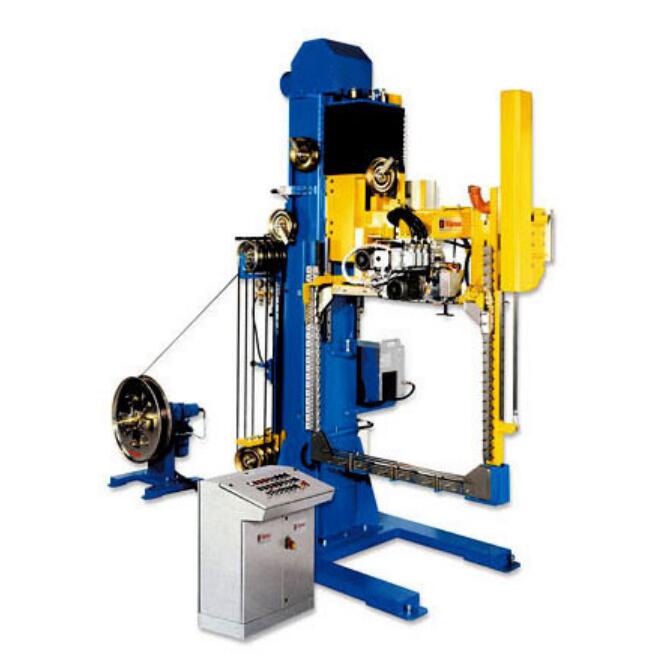
Ensuring Consistent Quality and Minimizing Damage
A multi-faceted approach encompassing inspection, training, and standardized procedures is key to maintaining high quality and reducing damage.
Comprehensive Quality Control Measures:
-
Incoming Material Inspection: Before packing, inspect all materials for defects (tears, weak seals, incorrect specs). This prevents using substandard materials that compromise package integrity.
-
In-Process Checks: Regularly monitor packing parameters (tension, seal quality) during operation. This ensures the machine is functioning correctly and packages are consistently formed.
-
Post-Packing Inspection: After packing, check each package for seal integrity, proper wrapping, and any signs of damage. This catches any issues before packages leave the facility.
-
Batch Testing: Periodically perform destructive tests on sample packages (drop tests, compression tests) to verify overall durability. This validates the effectiveness of the entire packing process.
Handling and Storage Protocols:
-
Trained Handling Personnel: Ensure all personnel handling packed steel wire are trained in proper lifting, moving, and stacking techniques. This minimizes damage from mishandling.
-
Designated Storage Areas: Use designated storage areas that are dry, clean, and protected from extreme temperatures and direct sunlight. This prevents environmental degradation of packages.
-
Proper Stacking Procedures: Implement clear guidelines for stacking packed wire to prevent crushing or deformation of lower packages. This maximizes storage space while maintaining package integrity.
-
FIFO (First-In, First-Out) System: Utilize a FIFO inventory system to ensure older stock is used first, minimizing long-term storage risks and material degradation.
By applying these quality control measures and enforcing best handling practices, you can significantly enhance the durability of your steel wire packing, reduce damage rates, and ensure customer satisfaction through consistent product quality.
4. The Role of Preventative Maintenance
Regular preventative maintenance is crucial to avoid major breakdowns, extend tool life, and ensure consistent performance and increase equipment safety.
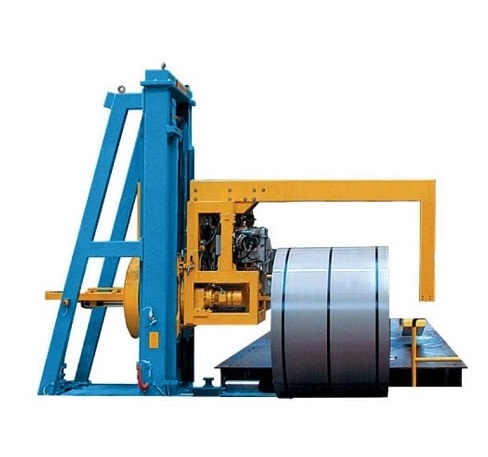
Preventative maintenance is crucial for improving steel wire strapping machines’ durability. Regular cleaning, lubrication, and timely parts replacement can prevent major breakdowns and extend the tool’s life. Well-maintained tools perform better, ensuring secure strapping and reducing the risk of injury.
Proper training, safety inspections, and following best practices for usage and storage are essential for maximizing equipment lifespan.
The significance of integrating technological advancements and upgrades cannot be overstated. Companies can realize significant benefits by embracing these advancements, including enhanced efficiency, prolonged equipment lifespan, and decreased operational expenses. Furthermore, planning for emergency responses can help mitigate risks and ensure the safety of both personnel and equipment. By investing in technology and implementing robust emergency response plans, companies can optimize their operations and minimize disruptions in production.
Conclusion
Improving the durability of steel wire packing machines requires strategic attention to material selection, machine optimization, quality control, and handling protocols. Businesses can protect their products, minimize damage, reduce costs, and enhance customer satisfaction by addressing these areas. Investing in durable solutions ensures product integrity and operational efficiency.








