

How to Improve Strapping Tension for Enhanced Coil Stability
Want to avoid unstable coil loads causing costly damage and dangerous accidents? Strapping is your solution, but applying the right tension is the critical factor often overlooked. Poor tension means poor security, jeopardizing your product and personnel safety. Mastering strapping tension ensures your heavy coils remain stable and secure throughout transit and storage.
Achieving the correct tension for steel strapping enhances coil stability by creating a rigid, contained unit that resists shifting, unrolling, and damage during handling and transport. Proper tension ensures the strapping remains snug against the coil, counteracting dynamic forces without damaging the material itself. Utilizing tensioning tools and following load-specific guidelines are key to finding this optimal balance.
Maximizing coil stability isn’t just about applying strapping; it’s about applying it correctly. Dive deeper to unlock the techniques and insights that will transform your strapping process from a guessing game into a precise, safety-enhancing operation.
Why Proper Tension is Crucial for Enhanced Coil Stability
Are you struggling to keep heavy steel coils secure and stable? The hidden culprit might be improper strapping tension. Too loose, and the coil becomes a hazardous, shifting problem; too tight, and you risk damaging the valuable material. Finding the sweet spot in strapping tension is not just beneficial, it’s absolutely essential for operational safety and efficiency.
Proper tension is paramount for steel strapping because it provides the necessary force to contain and unitize heavy, dense coil loads. Insufficient tension allows movement, risking unrolling and collapse, while excessive tension can deform the coil edges or snap the strap itself. Correct tension creates a secure, predictable load that withstands the rigors of handling, stacking, and transportation, safeguarding product integrity and preventing accidents.
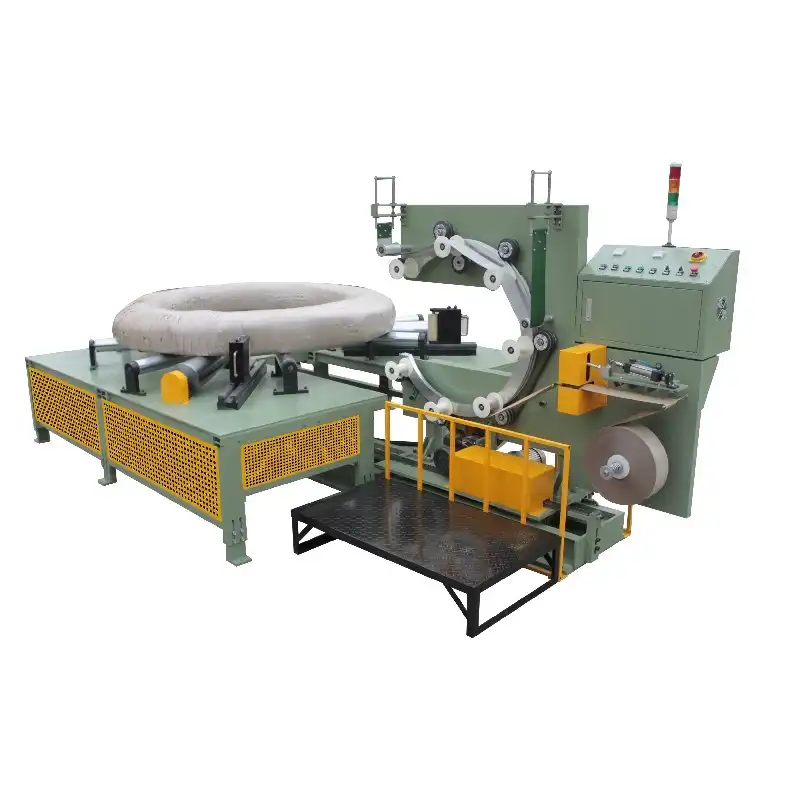

Understanding the Forces at Play
Effective strapping tension works against the forces that threaten load stability. During transit and handling, loads are subjected to dynamic forces like acceleration, deceleration, vibration, and impact. Steel strapping, when applied with the correct tension, acts as a robust containment system, counteracting these forces and preventing load movement.
Optimal tension is a delicate balance. It needs to be high enough to keep the strapping snug and prevent shifting, even under vibration or minor impacts. However, it must not exceed the strap’s tensile strength or crush/deform the coil. Factors influencing this balance include the load’s weight, shape, and dimensions, the number and placement of straps, the type and grade of steel strapping used, and the method of transportation. For instance, a tightly wound, dense coil might require higher tension than a looser coil, but the strapping material itself must be capable of withstanding that tension.
Consider the practical implications:
- Loose Strapping: Allows the coil layers to shift, potentially leading to edge damage, unrolling, or even the entire coil collapsing. This is a major safety hazard during lifting and transport.
- Over-Tensioned Strapping: Can bite into the coil edges, causing deformation or ‘coil set’ which reduces the material’s usability. In extreme cases, it can snap unexpectedly, releasing stored energy dangerously.
Using appropriate tensioning tools is critical. Manual methods are often inconsistent, leading to uneven tension across straps or around the coil. Pneumatic or battery-powered tensioners apply tension more uniformly and can often be calibrated or set to a target tension, providing consistency and reliability. Re-checking tension after initial application and before final transport is also a best practice, as loads can settle slightly. Achieving the right tension isn’t just about securing the load; it’s a fundamental aspect of safe and efficient material handling.
Calculating the Correct Tension for Your Coils
Determining the precise tension needed for your steel coils isn’t a one-size-fits-all approach. It requires careful consideration of specific load characteristics to ensure maximum stability without risking damage. Guesswork in tensioning can lead to serious safety hazards and costly material loss.
Calculating the correct tension for steel strapping on coils involves assessing the coil’s weight, dimensions, and material properties, factoring in the number and grade of straps used, and considering the anticipated handling and transportation stresses. Heavier and larger coils demand higher tension, distributed across more straps or using higher-grade strapping. While precise calculation formulas exist, general guidelines suggest starting with moderate tension and increasing incrementally while monitoring load response.


Key Factors Influencing Tension Requirements
Several critical factors interact to determine the optimal strapping tension for steel coils. Understanding these elements allows operators to make informed decisions and apply tension scientifically rather than empirically.
- Load Dimensions and Weight: The sheer mass and physical size of the coil are primary drivers of tension needs. A larger, heavier coil exerts greater force on the strapping, particularly during dynamic events like sudden stops or shifts. As a rule of thumb gleaned from experience, increasing tension by approximately 10-15% for every additional 50-100 lbs (or similar proportion for metric weights) serves as a starting point for heavier coils, assuming other factors remain constant. Very large loads may necessitate wider strapping (e.g., 1-1/4 inch) to distribute the tension load more effectively.
- Number of Straps: The total required containment force is distributed among the straps. Increasing the number of straps allows for lower tension per strap while maintaining overall load security. While strapping requirements vary, a common starting point for average-sized coils is 3 to 4 straps, strategically placed. Fewer straps mean each one must be tensioned significantly higher, increasing the risk of strap failure or coil damage. More straps provide redundancy and better load distribution.
- Strapping Grade and Type: Steel strapping is available in different grades or gauges, indicating its tensile strength and elongation properties. Higher gauge numbers typically correspond to thicker, stronger strapping capable of withstanding greater tension before yielding or breaking. For demanding coil applications, heavier gauge or higher tensile strength strapping (often referred to by its grade) is essential. Using strapping rated for a lower tension than required for the load is a recipe for failure. Always consult the strapping manufacturer’s specifications for recommended tension limits and breaking strength. Ribbon-wound strapping might offer more consistent tension application in some automated systems due to its precise layering, while oscillation-wound provides more length per coil, reducing changeovers in high-volume operations.
By meticulously evaluating these factors, operators can approach tensioning with a clear understanding of the load’s needs and the strapping’s capabilities. This analytical approach minimizes guesswork, leading to safer, more secure coil handling and transport. The goal is to apply sufficient tension to prevent any relative movement between coil layers or the coil and the pallet/base, while remaining well within the safety limits of the strapping and the integrity of the coil itself.
Best Practices for Achieving Ideal Steel Strapping Tension
Achieving the correct steel strapping tension for coils is a skill that combines technical knowledge with meticulous application. Merely pulling the strap tight isn’t enough; a systematic approach ensures consistency, security, and safety. Implementing best practices throughout the process elevates strapping from a simple task to a critical engineering step in supply chain reliability.
To achieve ideal steel strapping tension for coils, follow best practices: accurately measure coil dimensions, consider material type and transport method, always use a calibrated tensioning tool for consistency, start with lower tension and increase incrementally while monitoring the coil for damage or shifting, and utilize a tensionmeter to verify force applied. Re-inspect tension periodically, especially before transit, to account for load settling.
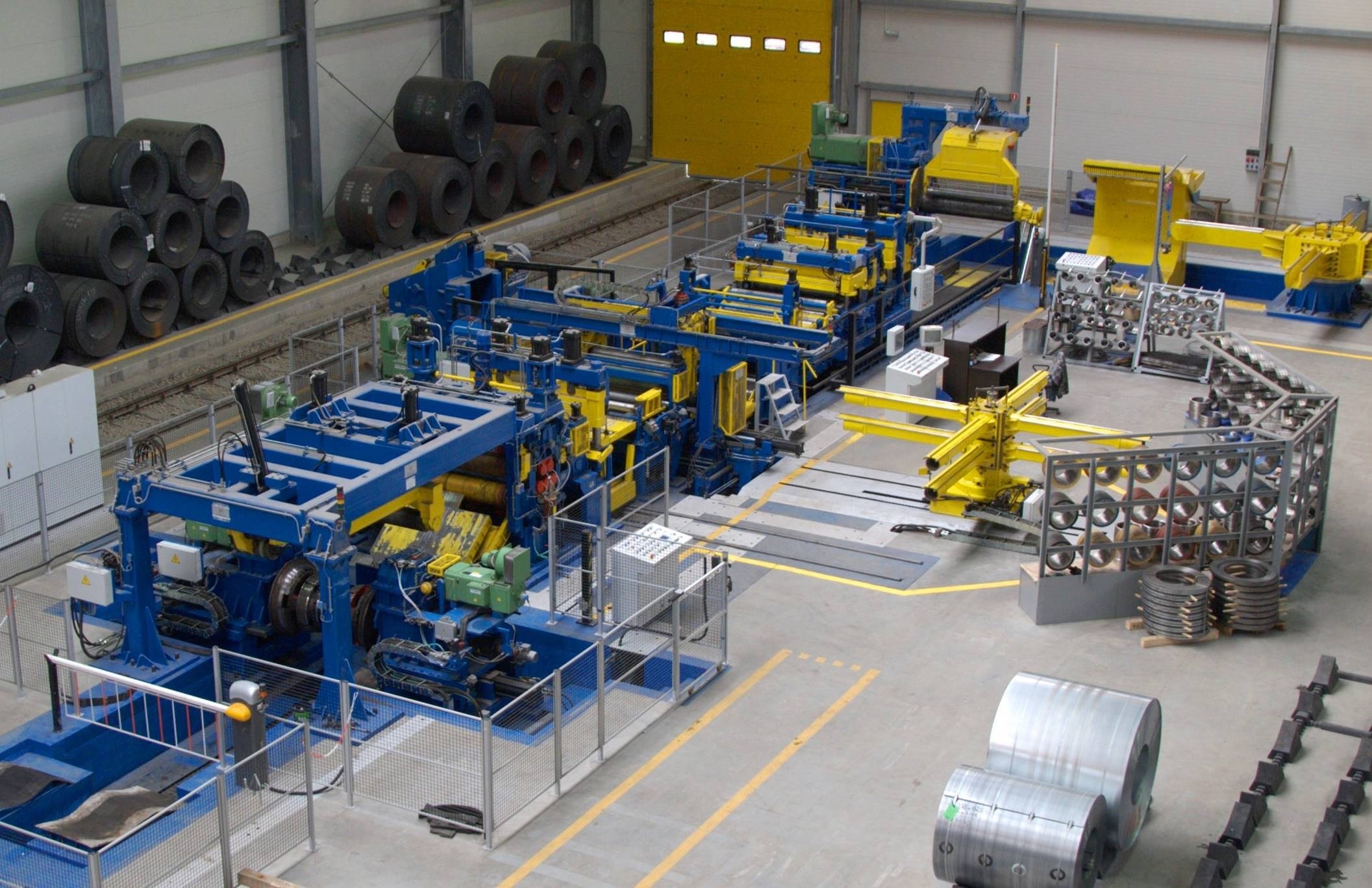

A Step-by-Step Guide to Optimal Tension Application
Systematic application is the bedrock of reliable strapping. By breaking down the process into manageable steps and employing the right tools, operators can ensure that every coil is secured to the highest standard.
- Step 1: Assess the Coil and Load: Before you even pick up a strap, evaluate the coil. Note its exact dimensions (outer diameter, inner diameter, width) and estimated weight. Consider the material type – is it sensitive stainless steel needing protection, or robust hot-rolled carbon steel? How is it oriented – eye horizontal or eye vertical? This information informs strap placement and tension requirements. Also, consider the base or pallet it sits on – is it stable enough to withstand tensioning forces?
- Step 2: Plan Strap Placement and Quantity: Based on the coil’s size, weight, and orientation, determine the optimal number of straps and their positions. Straps should be evenly distributed to provide balanced containment. For eye-horizontal coils, radial straps through the eye and circumferential straps around the outer diameter are common. For eye-vertical coils, circumferential straps are typically used. Ensure straps are routed to avoid sharp edges where possible, or use edge protectors.
- Step 3: Thread and Position the Strapping: Carefully thread the steel strapping around the coil and through your chosen tensioning tool and sealing mechanism. Ensure the strapping lies flat against the coil surface and is not twisted. Position the joint (seal or weld) appropriately, usually on a flat surface or edge of the coil, away from critical areas or potential impact points.
- Step 4: Apply Tension Using a Tool: Use a tensioning tool (manual, pneumatic, or battery-powered) specifically designed for the type and size of steel strapping. Manual tools require operator effort and judgment, while powered tools offer more consistent and often adjustable tension settings. Start with a moderate tension setting. Avoid excessive force from the outset, as this can damage the coil or strap prematurely.
- Step 5: Measure and Adjust Tension: For critical applications or when dialing in a new process, use a tensionmeter. This device measures the actual tension (in pounds or Newtons) applied to the strap. Increase tension incrementally, checking the tensionmeter reading until the target tension is achieved. Listen to the sound of the strap – a higher pitch often indicates higher tension, but rely on the meter for accuracy.
- Step 6: Monitor the Coil During Tensioning: As tension increases, visually inspect the coil. Look for any signs of deformation, crushing, or excessive indentation from the strap. If the coil begins to deform, stop increasing tension immediately and potentially reduce it slightly. The goal is high tension without coil damage.
- Step 7: Secure the Joint: Once the desired tension is reached, use a sealer tool or welding mechanism (for seal-less systems) to create a strong, secure joint that retains the applied tension. Ensure the seal is crimped correctly or the weld is properly formed according to the manufacturer’s instructions.
- Step 8: Cut the Strapping: Use appropriate cutting tools to safely trim the excess strapping. Stand clear of the strapping path, as cut steel strapping can recoil.
- Step 9: Final Inspection and Re-Check: Perform a final visual inspection of all straps and joints. Gently test the strap tension by hand or with the tensionmeter if possible. Before the coil is moved or transported, it’s highly recommended to re-check tension, as initial handling or settling can cause some tension loss. Re-tension if necessary.
Following these steps systemically helps ensure consistent, reliable tensioning, significantly enhancing the stability and safety of your strapped steel coils.
Here’s a general guideline for tension ranges, subject to load specifics and strapping capabilities:
| Coil Load Type | Approximate Tension Range (per strap) | Considerations |
|---|---|---|
| Light Coils (<1000 lbs) | 500 – 1000 lbs (225 – 450 kg) | Fragile materials, less dynamic stress |
| Medium Coils (1000 – 5000 lbs) | 1000 – 2000 lbs (450 – 900 kg) | Standard handling, moderate transport distances |
| Heavy Coils (>5000 lbs) | 2000 – 4000+ lbs (900 – 1800+ kg) | Heavy-duty handling, long distance/rail/sea transport |
These ranges are indicative; always perform testing with your specific coils and strapping materials.
Safety Protocols and Considerations in Steel Coil Strapping
Steel coil handling is inherently risky due to the massive weights involved, and strapping, while crucial for security, introduces its own set of potential hazards if not performed safely. Implementing strict safety protocols is not just a compliance measure; it is fundamental to protecting personnel and preventing catastrophic accidents during the strapping process.
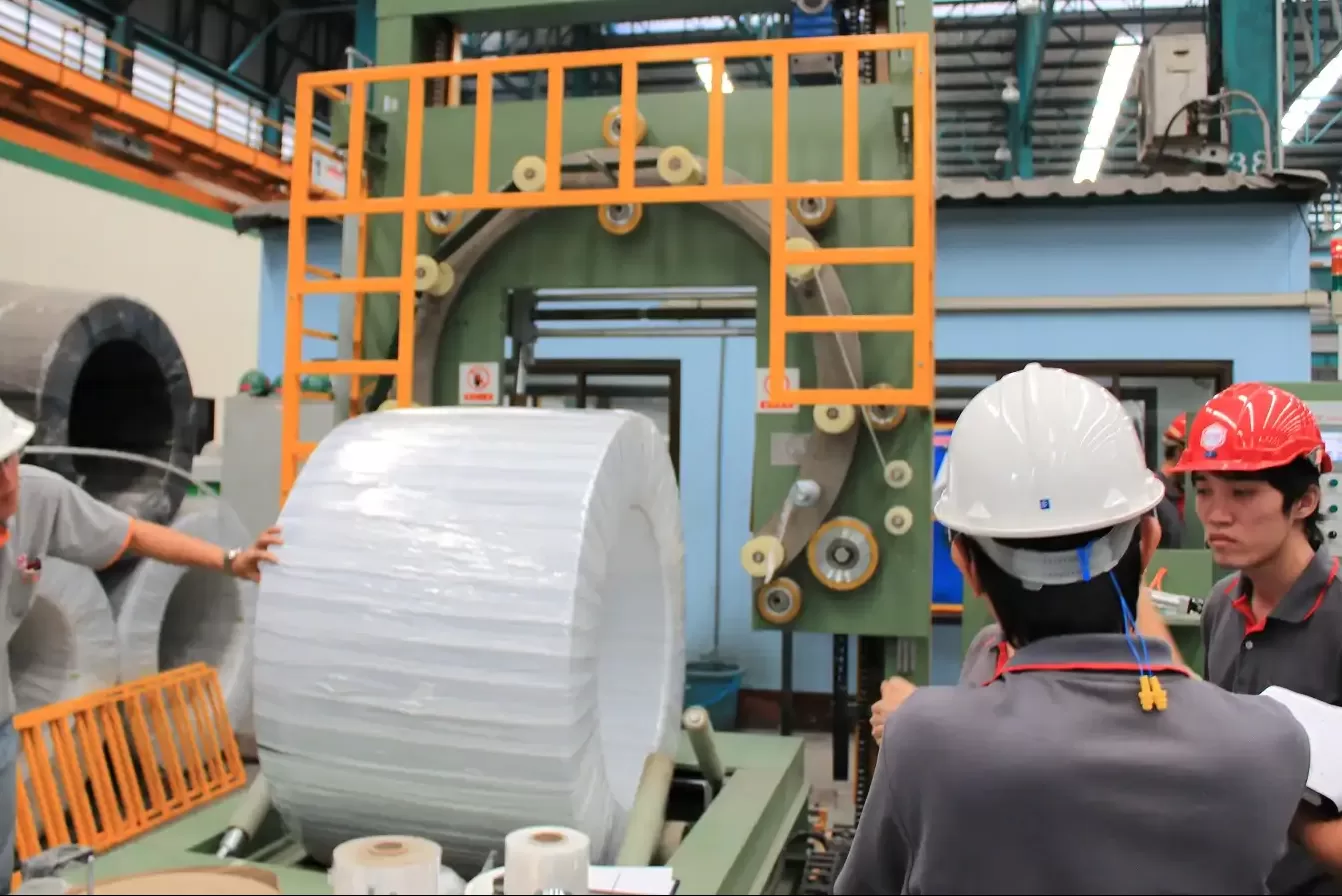

Worker safety must be the paramount consideration when applying steel strapping to heavy coils. To ensure workplace safety during steel coil strapping, implement mandatory Personal Protective Equipment (PPE) including heavy-duty gloves, safety glasses, and steel-toed boots. Provide comprehensive training on proper tool usage, tensioning techniques, and emergency procedures. Maintain safe distances during tensioning and cutting to avoid strap recoil, and regularly inspect tools and strapping materials for damage. Securing coils on stable surfaces before strapping is also critical to prevent unexpected movement. Adherence to these protocols minimizes risks, protects workers, and improves operational reliability.
Working with high-tensile steel strapping and powerful tensioning tools requires constant vigilance and adherence to established safety procedures. The forces applied and stored within tensioned strapping are significant, and their sudden release can cause severe injury.
Key safety protocols and considerations include:
- Personal Protective Equipment (PPE): This is non-negotiable. Operators must wear heavy-duty gloves (cut-resistant is advisable given the sharp edges of steel strap), safety glasses or face shields to protect against strap recoil, and steel-toed boots to protect against falling objects or tools. Long sleeves or arm guards can offer additional protection.
- Comprehensive Training: All personnel involved in strapping must receive thorough training covering not only the correct strapping techniques and tool operation but also potential hazards and emergency responses. Training should include hands-on practice under supervision and be refreshed periodically. Understanding the specific risks associated with steel strapping recoil is particularly important.
- Safe Tool Operation: Always operate strapping tools according to the manufacturer’s instructions. Never attempt to modify tools or use them for purposes other than strapping. Regular inspection of tools for wear, damage, or malfunction is essential. A damaged tool can fail under load, causing injury.
- Tensioning and Cutting Safety: This is where many accidents occur. When tensioning, position yourself to the side of the strapping path, not directly in line with the potential path of strap recoil if it were to break or the tool were to fail. Similarly, when cutting tensioned strapping, use a tool designed for the job and ensure it is in good working condition. Stand clear and hold the cutting tool firmly. The cut ends of steel strap are extremely sharp.
- Coil Stability Before and During Strapping: Ensure the coil is resting on a stable, level surface or pallet before beginning the strapping process. An unstable coil is a hazard even before strapping. Once strapping begins, the forces applied can potentially cause an inadequately supported coil to shift or roll.
- Inspection of Materials: Before use, quickly inspect the steel strapping itself for kinks, rust spots, or excessive wear that could compromise its strength. Similarly, check seals or welding materials for defects.
- Emergency Preparedness: Have clear procedures in place in case of a strap break, coil shift, or injury. Ensure first-aid kits are accessible and personnel are trained in basic first aid. Knowing how to safely release tension from a strap in an emergency is also crucial.
By embedding these safety protocols into the daily routine of steel coil strapping, companies can dramatically reduce the risk of accidents, protect their valuable workforce, and maintain a safer, more productive working environment.
Conclusion
Ensuring optimal strapping tension is paramount for the safe and stable handling and transport of steel coils. By understanding the critical balance between sufficient tension for load containment and preventing damage, considering load-specific factors like weight, dimensions, and strapping grade, and diligently applying best practices with appropriate tools and safety protocols, operators can significantly enhance coil stability. Investing in proper training and calibrated equipment pays dividends in reducing product damage, minimizing workplace hazards, and improving overall operational efficiency. Mastering steel banding techniques is a strategic step towards a more secure and reliable supply chain, often integrated into advanced automated coil packing line solutions.












