
How to Improve Steel Wire Rewinding Machine Efficiency in Multi-Shift Operations?
In multi-shift operations, maximizing steel wire rewinding machine efficiency is critical. It ensures consistent output and minimizes downtime. Enhancing speed, accuracy, and reliability are essential. By optimizing processes, manufacturers can meet production targets.

To improve steel wire rewinding machine efficiency in multi-shift operations, focus on regular maintenance, optimized material handling, and well-trained operators. Implement standardized procedures and invest in automation. Real-time monitoring and data analysis can further boost performance and ensure smooth operations.
Improving steel wire rewinding machine efficiency is essential for manufacturers aiming to optimize their productivity and reduce operational costs in multi-shift environments. By focusing on key strategies, significant gains can be achieved.
1. Implement Regular Maintenance Schedules
In multi-shift operations, consistent performance of steel wire rewinding machines is crucial. Regular maintenance ensures minimal downtime and extends machine lifespan. Proactive measures prevent costly breakdowns.
Regular maintenance is essential for steel wire rewinding machines in multi-shift operations. Conduct daily inspections, lubricate moving parts, and replace worn components. Schedule preventive maintenance every month, including detailed checks and necessary adjustments. Yearly overhauls should involve thorough cleaning and part replacements to maximize machine life and efficiency.
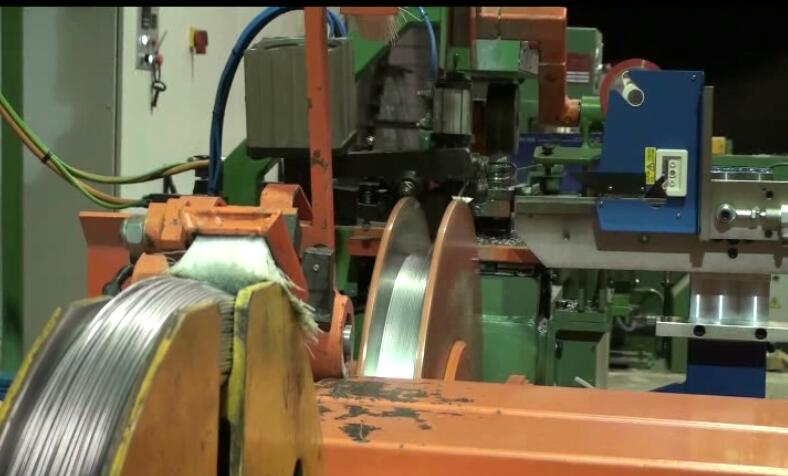
Optimizing Maintenance for Rewinding Machines: A Detailed Guide
Maintenance is not merely a task but a strategic element that significantly influences the long-term productivity and efficiency of steel wire rewinding machines, especially in demanding multi-shift operations. A well-structured maintenance program can drastically reduce downtime, extend the lifespan of the machinery, and ensure consistent performance.
Daily Maintenance Tasks
Daily maintenance is your first line of defense. It involves quick, simple checks that can identify potential problems before they escalate.
-
Visual Inspections: Look for obvious signs of wear and tear, such as frayed wires, loose connections, or damaged components.
-
Lubrication: Apply lubricant to moving parts to reduce friction and prevent overheating.
-
Cleaning: Remove any debris or buildup that could interfere with the machine’s operation.
Monthly Preventative Maintenance
Monthly preventative maintenance delves deeper, addressing issues that daily checks might miss.
-
Detailed Inspections: Conduct a thorough examination of all critical components, including motors, gears, and control systems.
-
Adjustments: Make necessary adjustments to ensure proper alignment and tension.
-
Component Checks: Verify the condition of belts, pulleys, and bearings, replacing them if necessary.
Annual Overhauls
Annual overhauls are comprehensive, requiring more time but ensuring the machine’s longevity.
-
Complete Disassembly and Cleaning: Dismantle the machine to clean each part individually.
-
Extensive Part Replacement: Replace any components showing signs of wear or fatigue.
-
Calibration: Recalibrate the machine to ensure it meets original performance specifications.
Maintenance Scheduling and Its Impact
The frequency of maintenance can significantly impact overall machine Steel wire rewinding machine efficiency. Here’s a comparison of different maintenance schedules and their corresponding outcomes:
Maintenance Schedule Frequency Impact on Downtime Impact on Lifespan Cost Reactive As Needed High Short Low Initial Preventative Monthly Medium Medium Medium Predictive Continuous Low Long High Initial Proactive Scheduled Minimal Extended Optimized Reactive maintenance, where repairs are made only after a breakdown, results in high downtime and shortened machine lifespan. Preventative maintenance involves routine checks and replacements, reducing downtime and extending lifespan. Predictive maintenance uses sensors and data analysis to anticipate potential issues, minimizing downtime and maximizing lifespan. Proactive maintenance combines all other strategies.
Tools and Equipment for Effective Maintenance
Having the right tools and equipment is essential for conducting maintenance efficiently. Here are some must-have items:
-
Lubrication Equipment: Grease guns, oil cans, and automated lubrication systems.
-
Inspection Tools: Multimeters, thermal imaging cameras, and vibration analyzers.
-
Replacement Parts: A stock of commonly used replacement parts to minimize delays.
-
Cleaning Supplies: Brushes, solvents, and compressed air.
Training and Skill Development
Maintenance personnel must be well-trained to perform their duties effectively. Providing ongoing training ensures they stay up-to-date with the latest maintenance techniques and technologies.
Implementing a CMMS
A Computerized Maintenance Management System (CMMS) can significantly streamline maintenance operations. A CMMS helps schedule maintenance tasks, track work orders, manage inventory, and analyze maintenance data.
By implementing a robust maintenance program, manufacturers can significantly improve the efficiency and lifespan of their steel wire rewinding machines, ensuring smooth operations and reduced costs in multi-shift environments.
2. Optimize Material Handling Processes
Streamlining material flow reduces bottlenecks and enhances efficiency. Efficient handling minimizes wire damage and ensures a continuous supply. This optimization contributes to overall productivity improvements in the rewinding process.
Optimize material handling processes by ensuring a smooth flow of wire to and from the rewinding machine. Use automated guided vehicles (AGVs) or conveyor systems to minimize manual handling. Implement clear labeling and storage systems to reduce search times. Regularly audit material handling procedures to identify and eliminate bottlenecks, ensuring continuous operation.

Enhancing Material Flow: A Step-by-Step Guide
Optimizing material handling processes around steel wire rewinding machines is essential for maximizing efficiency and minimizing downtime. By implementing streamlined strategies, manufacturers can ensure a continuous flow of materials, reduce waste, and improve overall productivity.
Analyzing Current Processes
Before making changes, thoroughly analyze your current material handling processes to identify inefficiencies and bottlenecks.
-
Process Mapping: Create a detailed map of the entire material flow, from raw material arrival to finished product dispatch.
-
Data Collection: Gather data on cycle times, material transport distances, and inventory levels.
-
Bottleneck Identification: Pinpoint areas where material flow is slowed or interrupted.
Implementing Automation
Automation can significantly improve the speed and accuracy of material handling.
-
Automated Guided Vehicles (AGVs): Use AGVs to transport wire spools between storage areas and rewinding machines.
-
Conveyor Systems: Install conveyor systems to continuously feed wire to the machines and remove finished products.
-
Robotic Arms: Implement robotic arms for loading and unloading wire spools, reducing manual labor and minimizing errors.
Optimizing Layout and Storage
The layout of your workspace and the organization of your storage areas can greatly impact material handling efficiency.
-
Strategic Placement: Position raw materials and finished products close to the rewinding machines to minimize transport distances.
-
Clear Labeling: Implement a clear and consistent labeling system for all materials and storage locations.
-
Ergonomic Design: Design workstations to minimize strain and fatigue for workers.
Streamlining Inventory Management
Efficient inventory management ensures that you have the right materials on hand when you need them.
-
Just-In-Time (JIT) Inventory: Adopt a JIT approach to minimize inventory levels and reduce storage costs.
-
Regular Audits: Conduct regular inventory audits to identify discrepancies and prevent shortages.
-
Inventory Software: Use inventory management software to track material levels and automate ordering processes.
Training and Standardizing Procedures
Proper training and standardized procedures are essential for ensuring consistent and efficient material handling.
-
Comprehensive Training: Provide thorough training to all workers involved in material handling.
-
Standard Operating Procedures (SOPs): Develop and enforce SOPs to ensure consistent practices.
-
Regular Updates: Update training and SOPs as needed to reflect process improvements and technological advancements.
Measuring and Monitoring Performance
Continually measure and monitor the performance of your material handling processes to identify areas for further improvement.
-
Key Performance Indicators (KPIs): Track KPIs such as cycle times, throughput rates, and error rates.
-
Regular Reviews: Conduct regular reviews of performance data to identify trends and patterns.
-
Continuous Improvement: Implement a continuous improvement process to identify and address areas for enhancement.
By optimizing material handling processes, manufacturers can significantly improve the efficiency of steel wire rewinding machines, leading to increased throughput, reduced costs, and enhanced overall [Collection] productivity.
3. Train and Empower Operators
Skilled operators are essential for efficient machine operation. Proper training reduces errors and maximizes output. Empowered operators can identify and resolve minor issues promptly.
Train operators thoroughly on machine operation, safety procedures, and troubleshooting techniques. Provide ongoing training to keep them updated on new features and best practices. Encourage operators to identify and report issues. Empower them to make minor adjustments. A well-trained and empowered workforce ensures optimal machine performance.
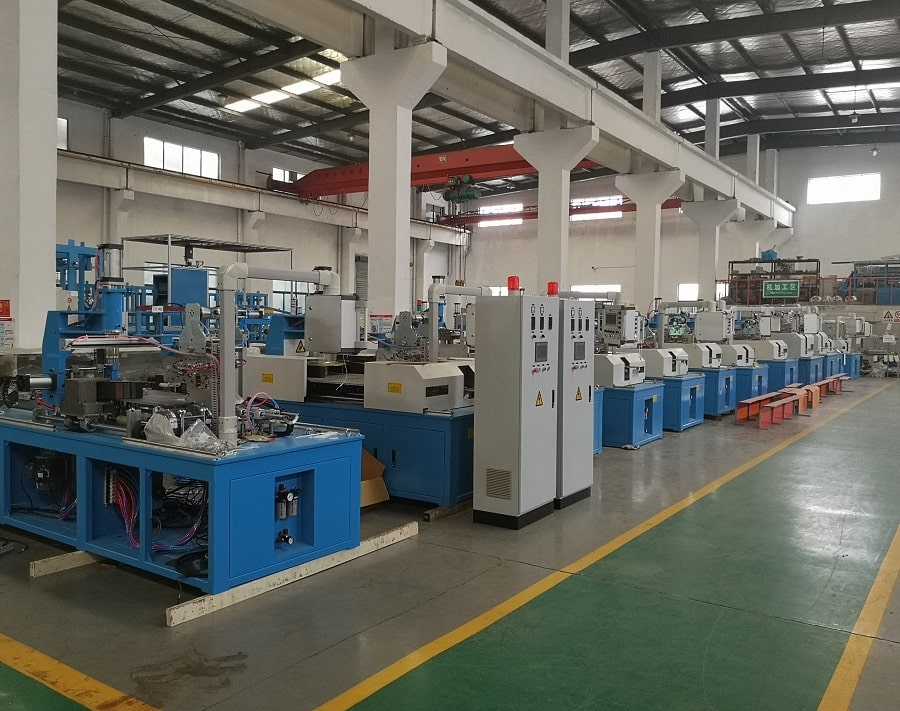
Investing in Human Capital: A Strategy for Maximum Efficiency
Operator training is a linchpin for improving the multi-shift operations efficiency of steel wire rewinding machines. Well-trained operators not only minimize errors and maximize output but also contribute to the overall safety and maintenance of the machinery. Investing in human capital ensures that operators are skilled, knowledgeable, and empowered to make informed decisions.
Comprehensive Training Programs
A comprehensive training program should cover all aspects of machine operation, safety, and troubleshooting.
-
Basic Machine Operation: Provide hands-on training on how to start, operate, and shut down the machine safely.
-
Safety Procedures: Emphasize safety protocols and the use of personal protective equipment (PPE).
-
Troubleshooting Techniques: Teach operators how to identify and resolve common issues, such as wire breaks, tension problems, and alignment errors.
Advanced Skill Development
Advanced training builds on the basics, equipping operators with the skills to optimize machine performance.
-
Machine Settings: Teach operators how to adjust machine settings to achieve optimal results for different types of wire and rewinding parameters.
-
Maintenance Tasks: Train operators to perform routine maintenance tasks, such as lubrication, cleaning, and replacing worn parts.
-
Data Analysis: Show operators how to interpret machine data to identify trends, predict potential issues, and optimize performance.
Ongoing Education
Ongoing education is crucial for keeping operators up-to-date with the latest technologies and best practices.
-
Regular Workshops: Conduct regular workshops to cover new features, maintenance techniques, and safety protocols.
-
Online Resources: Provide access to online resources, such as training videos, manuals, and troubleshooting guides.
-
Certification Programs: Offer certification programs to recognize and reward operators who achieve a high level of skill and knowledge.
Empowerment and Autonomy
Empowered operators are more engaged and motivated, leading to improved performance and higher job satisfaction.
-
Decision-Making Authority: Grant operators the authority to make minor adjustments and resolve issues independently.
-
Feedback Mechanisms: Establish feedback mechanisms to encourage operators to share their insights and suggestions for improvement.
-
Recognition and Rewards: Recognize and reward operators who demonstrate exceptional performance or contribute valuable ideas.
Tools for Operator Efficiency
Equipping operators with the right tools can significantly improve their efficiency and effectiveness.
-
User-Friendly Interfaces: Provide machines with intuitive interfaces that are easy to navigate and understand.
-
Diagnostic Tools: Equip operators with diagnostic tools that can quickly identify and troubleshoot issues.
-
Mobile Devices: Use mobile devices to access manuals, training materials, and real-time machine data.
Evaluating Training Effectiveness
Evaluating the effectiveness of training programs ensures that operators are acquiring the necessary skills and knowledge.
-
Performance Metrics: Track performance metrics, such as machine uptime, output rates, and error rates.
-
Feedback Surveys: Conduct feedback surveys to gather input from operators on the training programs.
-
Skills Assessments: Perform regular skills assessments to identify areas where operators need additional training.
Training Aspect Description Benefit Initial Training Comprehensive instruction on machine operation and safety. Ensures operators can safely and effectively operate the machine. Advanced Training Skill development in machine settings and maintenance. Enables operators to optimize machine performance and perform routine maintenance tasks. Ongoing Education Regular updates on new technologies and best practices. Keeps operators up-to-date with the latest advancements and ensures continuous improvement. By investing in operator training and empowerment, manufacturers can significantly improve the efficiency of steel wire rewinding machines, leading to increased throughput, reduced costs, and a more engaged and motivated workforce.
4. Leverage Technology
Implementing advanced technologies enhances Steel wire rewinding machine efficiency.
Leveraging technology enhances efficiency in steel wire rewinding by automating tasks, improving precision, and reducing downtime. Implementing sensors, data analytics, and automated systems optimizes material handling and minimizes waste, ensuring smooth, high-output operations. This increases production capacity while maintaining quality.
To improve steel wire rewinding machine efficiency in multi-shift operations, focus on implementing these technologies:
Automated Tension Control: Implement automated systems that maintain consistent wire tension during rewinding. These systems use sensors and feedback loops to adjust tension in real-time, preventing wire breaks and ensuring uniform winding quality.
Real-Time Monitoring: Integrate sensors to monitor key parameters like speed, tension, and temperature. Use data analytics to identify patterns and potential issues, enabling proactive maintenance.
Smart Error Detection: Install advanced vision systems that detect flaws and inconsistencies in the wire. These systems can automatically stop the machine to prevent further defects.
Implementing these strategies significantly enhances efficiency, reduces downtime, and improves product quality.
Conclusion
Improving the efficiency of steel wire rewinding machines in multi-shift operations requires a multi-faceted approach. By focusing on regular maintenance, optimized material handling, well-trained operators, and technology adoption, manufacturers can achieve significant gains in productivity and profitability.








