
How to Ensure Consistent Tension in Steel Wire Rewinding Operations?
Maintaining consistent tension in steel wire rewinding is crucial for ensuring the quality and performance of the final product. This involves careful management of various factors to prevent issues like wire breakage or uneven winding. Precise control leads to enhanced durability and reliability of the wire.
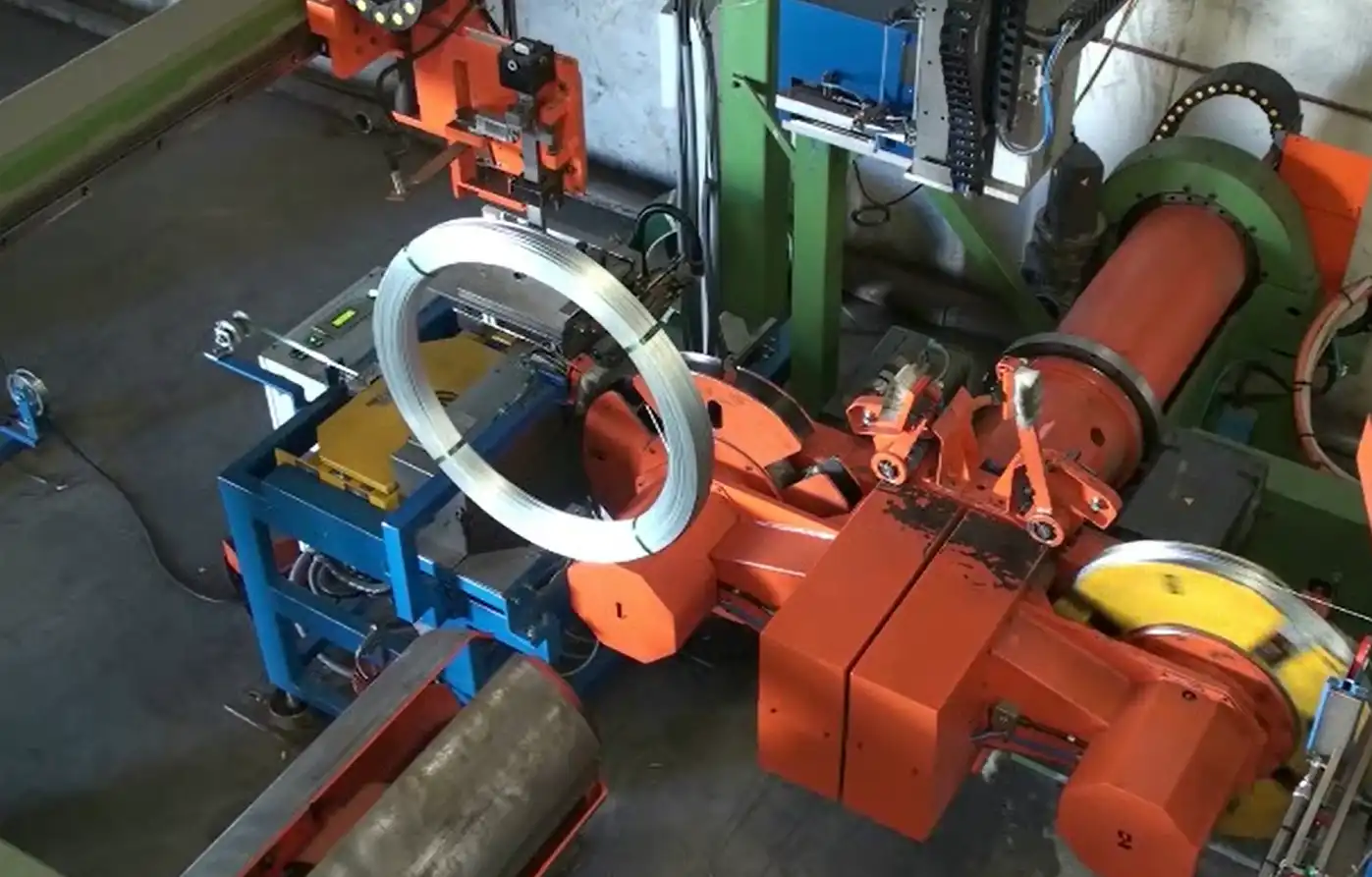
Consistent tension in steel wire rewinding is achieved by using advanced tension control systems, regular maintenance of equipment, and proper operator training. Implementing closed-loop feedback systems and high-precision sensors helps to dynamically adjust tension, ensuring uniform winding and preventing defects. Regular inspections and calibration are also vital.
Let’s delve into the methods and technologies that ensure consistent tension, and explore how these practices directly influence the quality and efficiency of steel wire rewinding operations.
1. Understanding the Importance of Tension Control
Consistent tension control is paramount in steel wire rewinding for maintaining the structural integrity and performance of the wire. It directly influences the quality of the final product and the efficiency of the rewinding process.
Tension control in steel wire rewinding ensures uniform winding, preventing issues like wire breakage, uneven layers, and deformation. Proper tension leads to enhanced mechanical stability, improved electrical performance, and increased durability of the wire. Consistent tension also minimizes waste and downtime during the rewinding process.
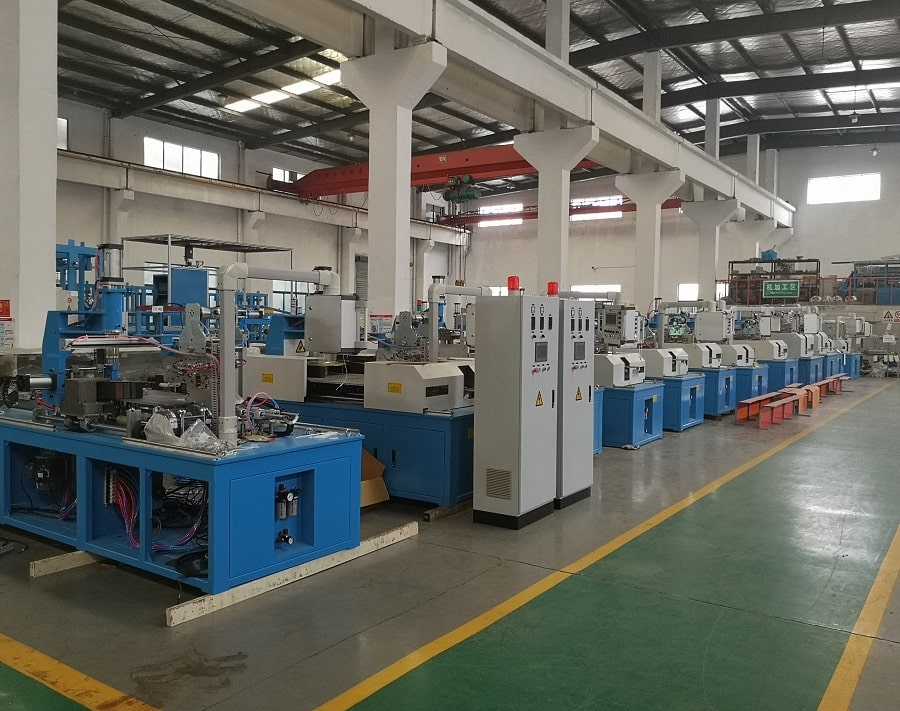
The Impact of Inconsistent Tension on Steel Wire
Inconsistent tension during steel wire rewinding can lead to several critical issues that affect the quality and usability of the wire. These issues range from physical defects to compromised performance, ultimately impacting the final product’s reliability.
Types of Problems Caused by Inconsistent Tension:
- Physical Defects:
- Uneven Winding: When the tension is not uniform, the wire may not be wound evenly onto the spool. This can lead to sections with loose windings and others with overly tight windings.
- Wire Breakage: Excessive tension can cause the wire to stretch beyond its elastic limit, leading to breakage. This results in material waste and production downtime.
- Deformation: Inconsistent tension can deform the wire, changing its cross-sectional shape and affecting its mechanical properties.
- Performance Issues:
- Reduced Tensile Strength: Uneven tension distribution can create weak points in the wire, reducing its overall tensile strength and making it more susceptible to failure under stress.
- Compromised Electrical Conductivity: If the wire is used in electrical applications, inconsistent tension can affect its electrical conductivity due to variations in its physical properties.
- Decreased Durability: Wires wound with inconsistent tension are more prone to wear and tear, reducing their lifespan and increasing the risk of premature failure.
- Operational Inefficiencies:
- Increased Downtime: Wire breakage and other tension-related issues can cause frequent interruptions in the rewinding process, leading to increased downtime and reduced productivity.
- Higher Material Waste: Inconsistent tension results in more defective products, leading to higher material waste and increased production costs.
- Difficult Handling: Unevenly wound spools are more difficult to handle and transport, increasing the risk of damage and further inefficiencies.
Factors Contributing to Inconsistent Tension:
To address these issues, it’s essential to understand the factors that contribute to inconsistent tension.
- Variations in Material Properties: Differences in the wire’s thickness, hardness, and elasticity can lead to inconsistent tension during rewinding.
- Equipment Wear and Tear: Over time, components like rollers, brakes, and clutches degrade, affecting their performance and leading to tension variations.
- Inadequate Control Systems: Manual or outdated tension control systems may not be capable of maintaining consistent tension levels, especially at high speeds.
- Operator Error: Inconsistent handling and adjustments by operators can also contribute to tension variations.
Comparison of Tension Issues
| Issue | Description | Impact |
|---|---|---|
| Uneven Winding | Wire is not wound uniformly onto the spool, resulting in loose and tight sections. | Difficult handling, compromised spool stability, increased risk of wire damage. |
| Wire Breakage | Excessive tension causes the wire to snap during rewinding. | Material waste, production downtime, increased production costs. |
| Reduced Strength | Inconsistent tension creates weak points in the wire, reducing its tensile strength. | Increased risk of failure under stress, decreased durability of the final product. |
| Operational Downtime | Frequent interruptions due to tension-related issues. | Reduced productivity, increased labor costs, delayed project timelines. |
By recognizing the impact of inconsistent tension and identifying the factors that contribute to it, manufacturers can implement targeted strategies to improve tension control and ensure the quality and reliability of their steel wire products. Investing in advanced control systems, maintaining equipment, and providing comprehensive operator training are essential steps toward achieving consistent tension in steel wire rewinding operations.
2. Advanced Technologies for Tension Control
Advanced technologies play a crucial role in maintaining consistent tension during steel wire rewinding. These systems use sensors, controllers, and actuators to monitor and adjust tension in real time, ensuring uniform winding and preventing defects.
Advanced tension control systems use closed-loop feedback mechanisms, high-precision sensors, and dynamic adjustments to maintain consistent wire tension. These technologies minimize variations caused by material properties, equipment wear, and speed fluctuations, ensuring higher product quality and efficiency. Integrating these systems reduces the need for manual intervention.

Implementing Closed-Loop Feedback Systems
Closed-loop feedback systems are essential for achieving precise tension control in steel wire rewinding. These systems continuously monitor the wire tension and automatically adjust the process parameters to maintain the desired tension level.
Components of a Closed-Loop Feedback System:
- Tension Sensors:
- Load Cells: Measure the force applied to the wire and provide feedback to the controller.
- Strain Gauges: Detect changes in the wire’s length due to tension and convert them into electrical signals.
- Controller:
- PID Controller: Uses proportional, integral, and derivative control algorithms to analyze the tension data and generate control signals.
- PLC (Programmable Logic Controller): Integrates tension control with other machine functions and provides advanced control capabilities.
- Actuators:
- Brakes: Apply variable braking force to the supply spool to control the unwinding tension.
- Motors: Adjust the speed and torque of the take-up spool to maintain the desired winding tension.
How Closed-Loop Systems Work:
- Sensing: The tension sensor (load cell or strain gauge) measures the actual tension in the wire.
- Feedback: The sensor sends a signal representing the measured tension to the controller.
- Comparison: The controller compares the measured tension to the desired tension setpoint.
- Adjustment: If there is a difference between the measured tension and the setpoint, the controller sends a control signal to the actuator (brake or motor).
- Correction: The actuator adjusts its operation to increase or decrease the tension in the wire, bringing it closer to the setpoint.
- Continuous Monitoring: The system continuously monitors the tension and makes adjustments as needed to maintain consistent tension levels.
Benefits of Closed-Loop Systems:
- Precise Tension Control: Maintains tension within a narrow range, ensuring uniform winding and preventing defects.
- Automatic Adjustment: Automatically compensates for variations in material properties, equipment wear, and speed fluctuations.
- Reduced Operator Intervention: Minimizes the need for manual adjustments, freeing up operators to focus on other tasks.
- Improved Product Quality: Enhances the mechanical stability, electrical performance, and durability of the wire.
- Increased Efficiency: Reduces downtime and material waste, leading to higher productivity and lower production costs.
Implementation Considerations:
- Sensor Placement: Place tension sensors at critical points in the rewinding process to accurately measure the tension.
- Controller Tuning: Properly tune the controller parameters to optimize the system’s response and stability.
- Actuator Selection: Choose actuators that are capable of providing precise and responsive control over the wire tension.
- System Integration: Integrate the tension control system with other machine functions for seamless operation.
By implementing closed-loop feedback systems, manufacturers can achieve precise and consistent tension control in steel wire rewinding operations, ensuring the quality and reliability of their products.
3. Best Practices for Maintaining Tension Consistency
Ensuring consistency in steel wire rewinding operations requires adhering to best practices that cover equipment maintenance, operator training, and process optimization. These practices minimize variations and ensure the quality of the final product.
To maintain tension consistency, implement regular equipment maintenance, provide comprehensive operator training, and optimize the rewinding process. Routine inspections, calibration of sensors, and adherence to standardized procedures ensure uniform tension and prevent defects. Proper material handling and environmental controls also contribute to consistency.

Optimizing Rewinding Parameters
Optimizing rewinding parameters is crucial for maintaining consistent tension in steel wire rewinding. By carefully adjusting factors such as speed, tension setpoints, and winding patterns, manufacturers can minimize variations and ensure high-quality results.
Key Parameters to Optimize:
-
Winding Speed:
- Effect: The speed at which the wire is wound onto the spool.
- Optimization: Adjust the winding speed to balance productivity with tension stability. Avoid speeds that induce excessive tension variations.
- Example: Lower speeds may be necessary for delicate wires or when using older equipment, while higher speeds can be used with robust wires and advanced control systems.
-
Tension Setpoints:
- Effect: The desired tension level for the wire during rewinding.
- Optimization: Customize tension setpoints based on the specific properties of the wire being processed, such as thickness, strength, and elasticity.
- Example: Thicker wires may require higher tension setpoints, while thinner wires may need lower tension to prevent breakage.
-
Winding Pattern:
- Effect: The way the wire is layered onto the spool.
- Optimization: Use winding patterns that distribute tension evenly across the spool. Consider techniques like traverse winding or precision winding to minimize unevenness.
- Example: Traverse winding, where the wire is moved back and forth across the spool, can help to distribute tension more evenly compared to simple layer winding.
-
Material Handling:
- Effect: How the wire is handled before and during the rewinding process.
- Optimization: Implement procedures to minimize disturbances in the wire processing line. This includes smooth start-ups, stops, and transitions between different stages.
- Example: Ensure that the wire is properly aligned and free from kinks or bends before it enters the rewinding machine.
-
Environmental Controls:
- Effect: Environmental factors such as temperature and humidity.
- Optimization: Maintain stable environmental conditions to minimize their impact on the wire and tension control equipment.
- Example: Control temperature and humidity levels in the rewinding area to prevent changes in wire properties and equipment performance.
Table: Effects of Rewinding Parameters on Tension Consistency
| Parameter | Effect on Tension Consistency | Optimization Strategy |
|---|---|---|
| Winding Speed | Higher speeds can induce tension variations, leading to uneven winding and potential wire breakage. | Adjust winding speed to balance productivity with tension stability; use lower speeds for delicate wires and higher speeds for robust wires with advanced control systems. |
| Tension Setpoints | Incorrect setpoints can result in over-tensioning or under-tensioning, leading to defects and inconsistent product quality. | Customize tension setpoints based on wire properties, using higher setpoints for thicker wires and lower setpoints for thinner wires. |
| Winding Pattern | Uneven winding patterns can create localized tension concentrations, resulting in uneven layers and compromised spool stability. | Implement traverse winding or precision winding techniques to distribute tension evenly across the spool and minimize unevenness. |
By optimizing these rewinding parameters, manufacturers can significantly improve tension consistency in steel wire rewinding operations. Careful adjustment of winding speed, tension setpoints, winding patterns, and environmental controls leads to higher product quality, reduced material waste, and increased operational efficiency.
4. Troubleshooting Common Tension Problems
Identifying and addressing common tension problems is essential for maintaining consistent steel wire rewinding operations. By understanding the causes and implementing effective solutions, manufacturers can minimize downtime and ensure product quality.
Effective troubleshooting is crucial for addressing tension-related issues promptly. By identifying the root causes of problems such as wire breakage or uneven winding, operators can implement targeted solutions to restore consistent tension control. Regular inspections, sensor calibration, and maintenance of mechanical components are essential for preventing these issues.
Here are a few common issues:
- Issue: Wire Breakage
- Probable cause:
- Overtension
- Damaged wire
- Solution:
- Reduce tension
- replace bad wire.
- Probable cause:
- Issue: Uneven Winding
- Probable cause:
- Incorrect winding pattern
- Misaligned components
- Solution:
- Adjust winding pattern
- Realign components
- Probable cause:








