
How to Improve Recyclability in Steel Wire Packing?
Steel wire packing, essential for safe transportation and storage, often presents recyclability challenges. Traditional methods and materials can hinder efficient recycling processes, leading to waste and environmental concerns. Improving the recyclability of steel wire packing is crucial for a sustainable future.
To improve recyclability in steel wire packing, focus on material selection, design optimization, and efficient recycling processes. Opt for mono-material packaging solutions, reduce material usage through optimized designs, and implement systems that facilitate easy dismantling and material separation for effective recycling. These steps will minimize waste and enhance environmental sustainability.
Transitioning to more recyclable steel wire packing is not just an environmental imperative but also a smart business strategy. Let’s delve into practical strategies and innovative solutions to enhance recyclability in this critical area.
2. Choosing the Right Materials for Recyclable Steel Wire Packing
Selecting appropriate materials is the cornerstone of enhancing recyclability in steel wire packing. Traditional packaging often combines various materials, making separation and recycling complex and costly. Embracing mono-materials and recyclable polymers is a significant step forward.
The most effective way to improve recyclability in steel wire packing starts with choosing mono-materials like high-density polyethylene (HDPE) or polypropylene (PP) for straps and wraps, and recyclable cardboard or paper-based materials for edge protection. These materials are widely accepted in recycling streams, ensuring easier processing and higher recovery rates compared to composite or multi-layered materials.
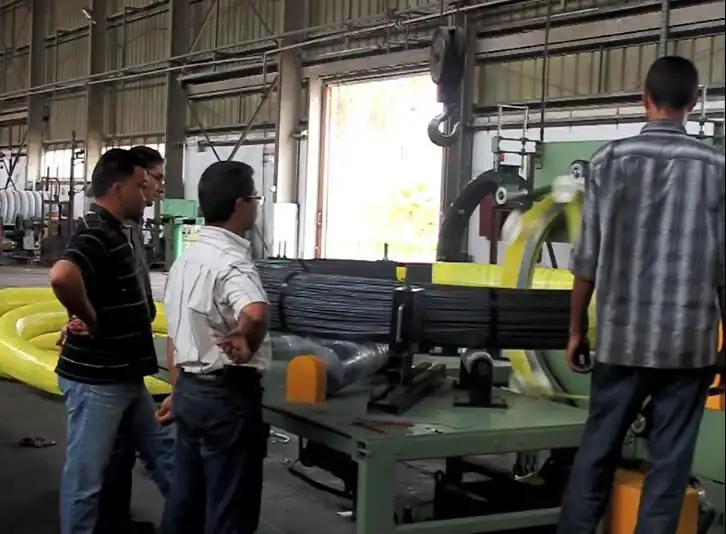
The Case for Mono-Material Packaging in Steel Wire
Mono-material packaging, utilizing a single type of material, significantly simplifies the recycling process. When steel wire packing is made from a single polymer like PP or HDPE, or predominantly from recyclable paper products, the entire package can enter the recycling stream without complex separation.
However, the transition to mono-materials is not without its challenges. Steel wire packing demands robust materials that can withstand considerable tension and protect against environmental factors. Let’s examine a comparison:
| Material Type | Recyclability | Strength | Cost | Environmental Impact (Production) |
|---|---|---|---|---|
| Multi-layer Plastics | Low | High | Moderate | High |
| Mono-material Plastics (HDPE/PP) | High | Moderate | Moderate | Moderate |
| Recyclable Paper/Cardboard | High | Low-Moderate | Low | Low |
| Steel Strapping | High | Very High | High | High |
As the table indicates, while multi-layer plastics offer strength, their recyclability is poor. Mono-material plastics offer a better balance, and combining them strategically with recyclable paper elements can create a packaging solution that is both functional and environmentally responsible. Steel strapping, while strong and recyclable as metal, often contaminates plastic or paper recycling streams if not properly separated, presenting a challenge in mixed-material scenarios. Therefore, for steel wire packing, focusing on mono-material or easily separable material combinations is key to recyclability improvement.
3. Optimizing Steel Wire Packing Design for Recyclability
Beyond material selection, the design of steel wire packing plays a crucial role in its recyclability. A design-focused approach can minimize material usage, facilitate disassembly, and improve sorting efficiency at recycling facilities.
Optimize steel wire packing design by minimizing material layers, using snap-fit or easily removable closures instead of adhesives, and clearly marking different material components for easy separation. Simple design modifications, such as reducing the length and width of straps to the minimum required for secure packing, can significantly decrease overall material consumption and waste.
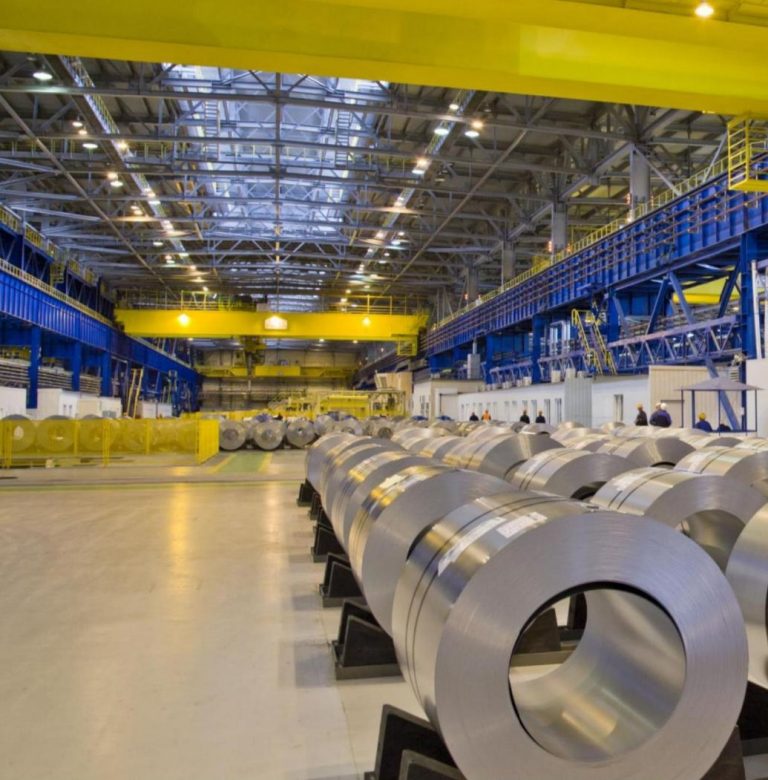
Strategies for Design Optimization
Several design strategies can be employed to enhance the recyclability of steel wire packing:
- Minimize Material Usage: Employing finite element analysis (FEA) and structural optimization tools can help determine the minimal amount of material needed to ensure package integrity. This reduces waste at the source.
- Design for Disassembly (DfD): Incorporate features that allow for easy separation of different materials. For instance, using buckles or clips for straps instead of welding or gluing. Color-coding different materials can also aid in quick identification and sorting during recycling.
- Standardization of Components: Using standardized sizes and shapes for packaging components simplifies the recycling process. Recycling facilities are often optimized for processing common forms of materials.
- Clear Material Identification: Embossing or printing material codes (e.g., HDPE, PP, Paper) directly onto the packaging components makes sorting faster and more accurate at recycling plants. This reduces contamination and increases the value of recycled materials.
- Reduced Ink and Additives: Minimize the use of inks and additives in packaging materials, as these can sometimes hinder the recycling process or reduce the quality of recycled materials. Opt for water-based inks and avoid problematic additives.
By integrating these design considerations, manufacturers can create steel wire packing that is not only functional and protective but also inherently easier to recycle, contributing to a circular economy.
4. Implementing Efficient Recycling Processes for Steel Wire Packing
Even with the best material choices and designs, efficient recycling processes are essential to realize the full potential of recyclable steel wire packing. This involves improving collection systems, enhancing sorting technologies, and investing in advanced recycling infrastructure.
To ensure efficient recycling of steel wire packing, establish dedicated collection streams, utilize advanced sorting technologies like infrared scanners to separate different materials, and support infrastructure development for processing recycled polymers and paper-based packaging. Collaboration between manufacturers, recyclers, and policymakers is vital to create a robust recycling ecosystem.
Key Elements of Efficient Recycling Processes
Achieving high recycling rates for steel wire packing requires a multi-faceted approach to recycling processes:
| Process Stage | Technology/Method | Benefit | Challenge |
|---|---|---|---|
| Collection | Dedicated collection bins for industrial packaging | Reduces contamination, increases material stream purity | Requires infrastructure and participation from industry |
| Sorting | Near-infrared (NIR) scanners, density separation | Automated, high-speed separation of different materials | Initial investment in technology |
| Processing (Plastics) | Mechanical recycling (shredding, melting, pelletizing), Chemical Recycling | Converts waste plastics back into usable raw materials | Chemical recycling technologies still developing at scale |
| Processing (Paper) | Pulping, de-inking, fiber separation | Reclaims paper fibers for new paper and cardboard products | Fiber degradation after multiple recycling cycles |
| End Markets | Creating demand for recycled materials | Drives economic viability of recycling, closes the loop | Ensuring consistent quality of recycled materials |
Implementing these technologies and methods requires investment and coordination across the supply chain. However, the long-term benefits, including reduced landfill waste, conservation of resources, and enhanced brand reputation through sustainable practices, far outweigh the initial costs. Furthermore, advancements in [wire packing machine] technology can also play a role by automating packaging processes to use minimal material and facilitate easier disassembly.
5. The Economic and Environmental Benefits of Improved Recyclability
Improving the recyclability of steel wire packing offers significant economic and environmental advantages. Environmentally, it reduces landfill waste, conserves natural resources, and lowers greenhouse gas emissions. Economically, it can lead to cost savings through reduced material consumption and waste disposal fees, and can enhance brand value by appealing to environmentally conscious customers.
Enhanced recyclability in steel wire packing not only minimizes environmental impact through waste reduction and resource conservation but also presents economic opportunities through cost savings in material usage, waste management, and by meeting the growing demand for sustainable packaging solutions from environmentally aware consumers. This dual benefit makes recyclability a strategic imperative.
Conclusion
Improving recyclability in steel wire packing is a multifaceted challenge that demands a holistic approach. By strategically selecting mono-materials, optimizing packaging designs for easy disassembly and minimal material use, and investing in efficient recycling infrastructure, the steel industry can significantly reduce its environmental footprint. This transition not only aligns with global sustainability goals but also unlocks economic benefits and enhances brand reputation in an increasingly eco-conscious market. Embracing these changes is not just responsible—it’s a smart move towards a more sustainable and circular future for steel wire packing.








