
How to Improve Pipe Bundling Machine Efficiency in Multi-Product Distribution Centers?
In multi-product distribution centers, enhancing the efficiency of pipe bundling machines is crucial. Streamlining operations minimizes downtime, reduces labor costs, and ensures timely delivery of diverse pipe products to meet customer demands.
Improving efficiency in multi-product distribution centers involves optimizing the machine setup, workflow, and maintenance schedules. Regular maintenance, proper staff training, and integrating advanced technologies like automated systems and AI-driven monitoring can significantly enhance pipe bundling machine efficiency and overall productivity.
Let’s delve into how strategic adjustments and technological integrations can substantially increase the output and reliability of pipe bundling machines in dynamic distribution settings. Keep reading to uncover actionable strategies!
1: Optimizing Machine Setup for Diverse Pipe Sizes
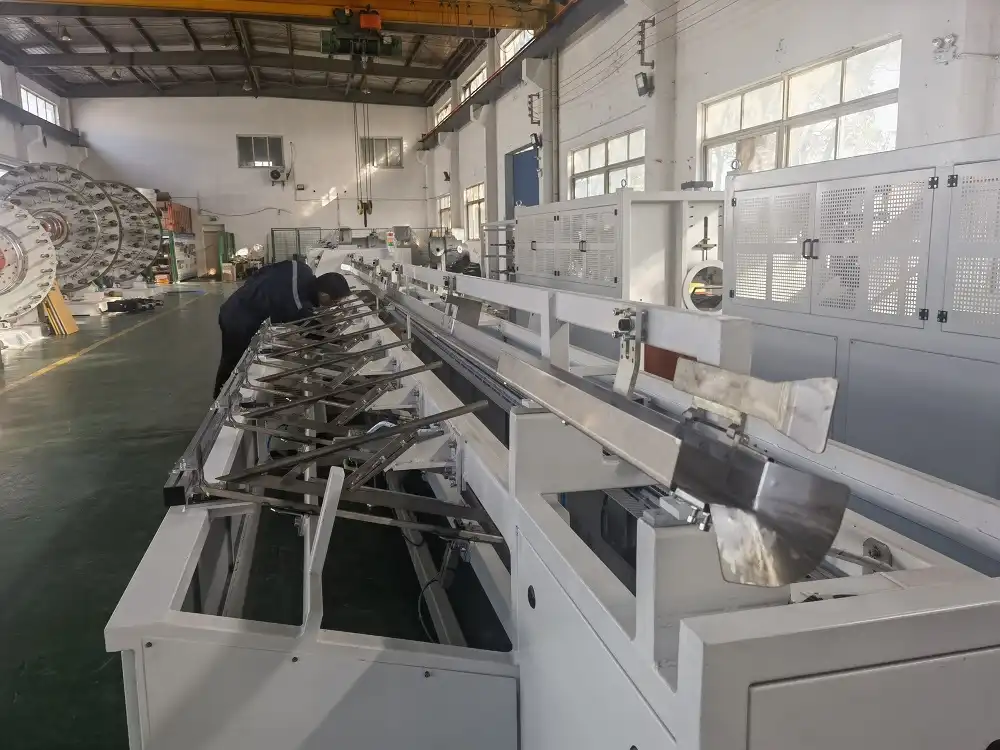
Efficient setup is crucial for [pipe packaging machines] when dealing with various pipe sizes. The right adjustments can significantly cut down changeover times and ensure consistent performance. This initial investment in careful setup paves the way for smoother operations and increased productivity.
To optimize machine setup for diverse pipe sizes, it is essential to use quick-change tooling and automated adjustment systems. Standardizing the setup process, implementing pre-set configurations, and providing comprehensive training to operators can reduce changeover times, minimize errors, and ensure consistent bundling quality across different pipe dimensions.
Standardizing Changeover Procedures
Standardizing changeover procedures is vital for reducing downtime and maintaining consistency across different product runs. This involves documenting each step, from initial setup to final adjustments, ensuring every operator follows the same best practices.
Benefits of Standardized Procedures
- Reduced Downtime: Clear, step-by-step instructions minimize confusion and errors, speeding up the changeover process.
- Consistent Quality: Standardized settings and adjustments ensure uniform bundling quality, regardless of the operator.
- Improved Training: New operators can quickly learn the standardized procedures, reducing training time and improving overall efficiency.
Implementing Quick-Change Tooling
Quick-change tooling allows for rapid adjustments of machine components, such as clamps, guides, and cutting blades. This reduces the time spent manually adjusting settings, making the changeover process faster and more efficient.
| Tooling Type | Benefits | Example |
|---|---|---|
| Clamping Systems | Fast and secure pipe holding, easy adjustment for different sizes | Pneumatic clamps with adjustable pressure settings |
| Guide Rails | Accurate pipe alignment, minimizes misalignment issues | Adjustable guide rails with laser alignment systems |
| Cutting Blades | Clean and precise cuts, reduces material waste | Quick-release blades with pre-set depth and angle adjustments |
Leveraging Automated Adjustment Systems
Automated adjustment systems use sensors and programmable logic controllers (PLCs) to automatically adjust machine settings based on the dimensions of the pipe being bundled. This eliminates the need for manual adjustments, further reducing changeover times and minimizing errors.
- Sensor Technology: Uses laser or ultrasonic sensors to measure pipe dimensions accurately.
- PLC Control: Automatically adjusts machine settings based on sensor data.
- Remote Monitoring: Allows operators to monitor and adjust settings remotely via a user-friendly interface.
By standardizing changeover procedures, implementing quick-change tooling, and leveraging automated adjustment systems, multi-product distribution centers can significantly improve the efficiency of their pipe bundling machines, reduce downtime, and ensure consistent bundling quality across a wide range of pipe sizes.
2: Streamlining Workflow and Material Handling
Efficient material handling and streamlined workflows are crucial for maximizing the throughput of pipe bundling machines in multi-product distribution centers. Optimizing these processes minimizes bottlenecks and ensures a smooth, continuous operation.
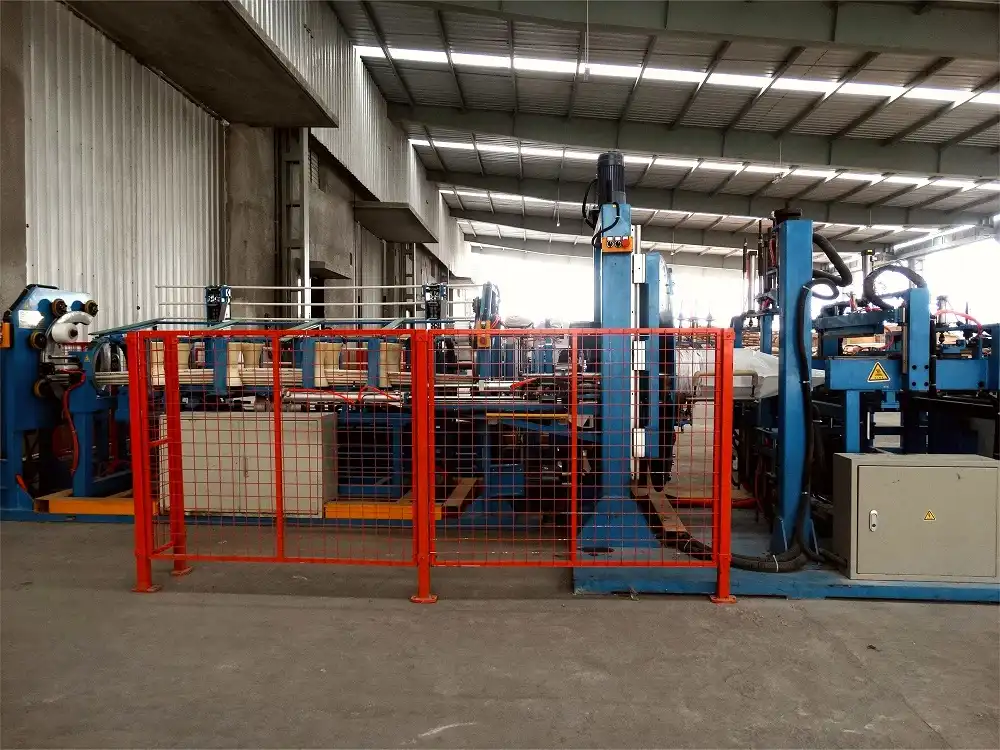
Streamlining workflow involves optimizing material flow, reducing manual handling, and implementing efficient inventory management systems. Integrating automated conveyors, robotic arms, and real-time tracking systems can significantly reduce bottlenecks, minimize errors, and enhance overall throughput.
Implementing Automated Conveyor Systems
Automated conveyor systems are essential for transporting pipes efficiently from the production line to the bundling machine and then to the storage area. These systems reduce manual handling, minimize the risk of damage, and ensure a continuous flow of materials.
Key Features of Automated Conveyor Systems
- Roller Conveyors: Ideal for transporting pipes along straight paths.
- Belt Conveyors: Suitable for inclined or declined transport and handling pipes of various sizes.
- Chain Conveyors: Designed for heavy-duty applications and transporting pipes with irregular shapes.
Optimizing Layout and Material Flow
The layout of the distribution center should be optimized to minimize the distance materials need to travel. This involves strategically positioning the bundling machine, storage areas, and loading docks to reduce transportation time and minimize congestion.
By implementing automated conveyor systems and optimizing the layout, multi-product distribution centers can significantly reduce material handling time, minimize errors, and improve the overall efficiency of their pipe bundling operations.
3: Enhancing Maintenance and Training Protocols
Proactive maintenance and thorough training are essential for ensuring the reliability and longevity of pipe bundling machines in multi-product distribution centers. These measures prevent unexpected breakdowns and maximize machine uptime.
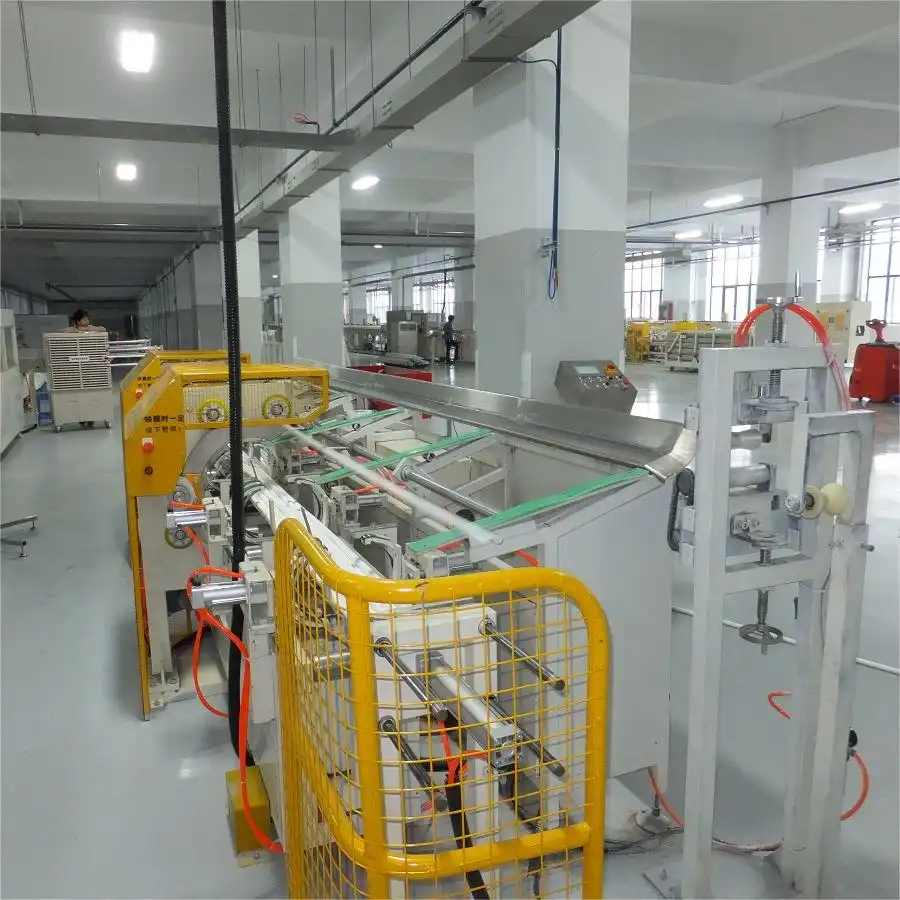
Enhancing maintenance and training protocols involves implementing predictive maintenance strategies, conducting regular inspections, and providing comprehensive training to operators and maintenance staff. These measures reduce downtime, minimize errors, and ensure consistent bundling quality.
Predictive Maintenance Strategies
Predictive maintenance involves using sensor data and analytics to identify potential issues before they lead to breakdowns. This allows maintenance staff to address problems proactively, minimizing downtime and reducing the risk of costly repairs.
Implementing Sensor Technology
- Vibration Sensors: Monitor machine components for unusual vibrations that could indicate wear or misalignment.
- Temperature Sensors: Detect overheating in motors, bearings, and other critical components.
- Pressure Sensors: Monitor hydraulic and pneumatic systems for leaks or pressure drops.
Structured Training Programs
Comprehensive training programs are essential for equipping operators and maintenance staff with the knowledge and skills needed to operate and maintain the pipe bundling machine effectively. These programs should cover machine operation, troubleshooting, maintenance procedures, and safety protocols.
| Training Module | Content | Benefits |
|---|---|---|
| Machine Operation | Startup and shutdown procedures, control panel operation, adjustments | Ensures operators can run the machine safely and efficiently |
| Troubleshooting | Identifying and resolving common issues, error code interpretation | Reduces downtime by enabling operators to fix minor problems themselves |
| Maintenance | Lubrication, cleaning, component replacement, preventive maintenance | Extends machine life and prevents major breakdowns |
By implementing predictive maintenance strategies and structured training programs, multi-product distribution centers can significantly reduce downtime, minimize errors, and ensure the consistent performance of their pipe bundling machines.
4: Integrating Advanced Technologies for Improved Performance
Integrating advanced technologies can significantly enhance the efficiency and precision of multi-product distribution centers. Automation, AI, and IoT solutions offer unparalleled improvements in productivity and operational oversight.
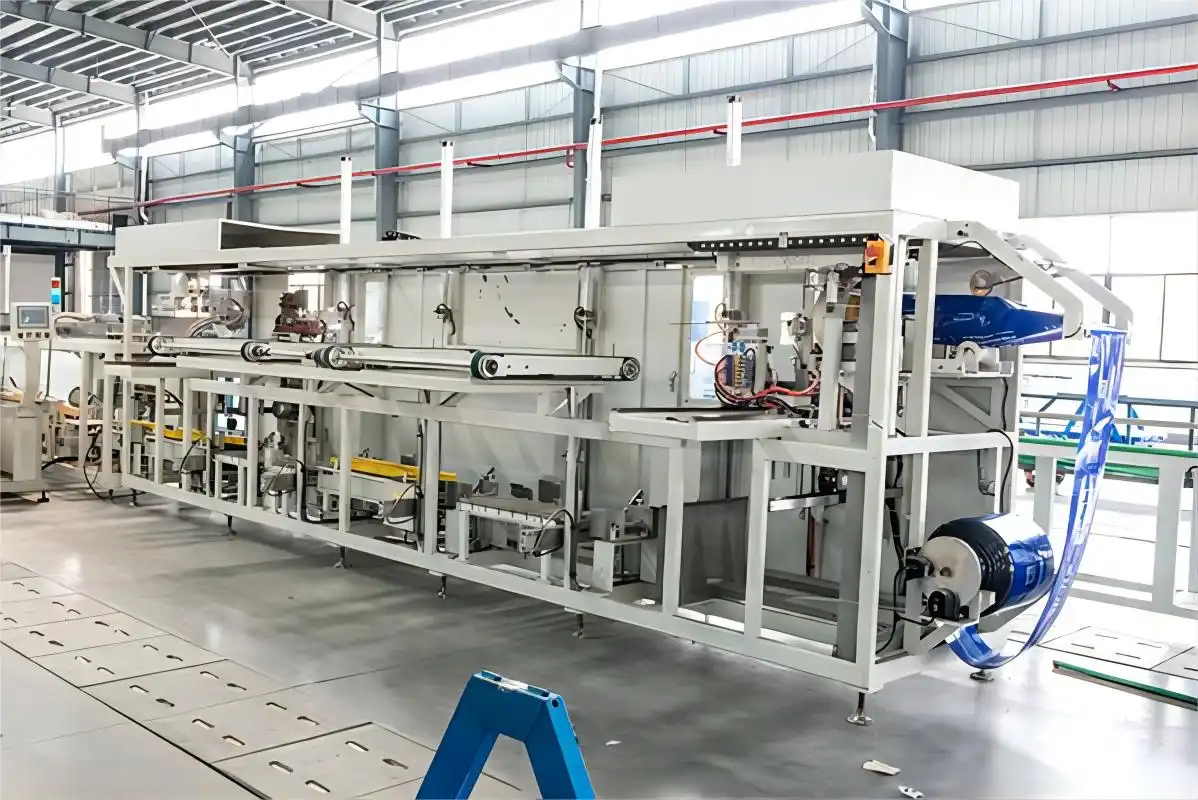
The integration of advanced technologies like AI-driven monitoring and automated systems significantly boosts efficiency. AI algorithms can analyze performance data to predict maintenance needs and optimize bundling parameters, reducing downtime and improving accuracy. Automated systems, such as robotic arms and smart conveyor belts, streamline material handling, minimizing manual labor and enhancing throughput. By incorporating these technologies, distribution centers can achieve greater productivity, lower operational costs, and ensure consistent bundling quality across various pipe sizes and materials. Advanced technologies are transforming pipe bundling operations, offering solutions for improved efficiency and precision.
Conclusion
Improving pipe bundling machine efficiency in multi-product distribution centers hinges on strategic enhancements across multiple fronts. Optimizing machine setup, streamlining workflows, enhancing maintenance protocols, and integrating advanced technologies all play critical roles. By implementing these strategies, distribution centers can significantly boost productivity, reduce downtime, and ensure consistent bundling quality, thereby meeting diverse customer demands efficiently.








