
How to Ensure Compliance with Environmental Sustainability Standards for Pipe Bundling Machines?
Pipe bundling machines play a crucial role in various industries, ensuring efficient handling and transportation of pipes. Adhering to environmental sustainability standards is paramount. This involves adopting eco-friendly practices throughout the machine’s lifecycle, from design to operation.
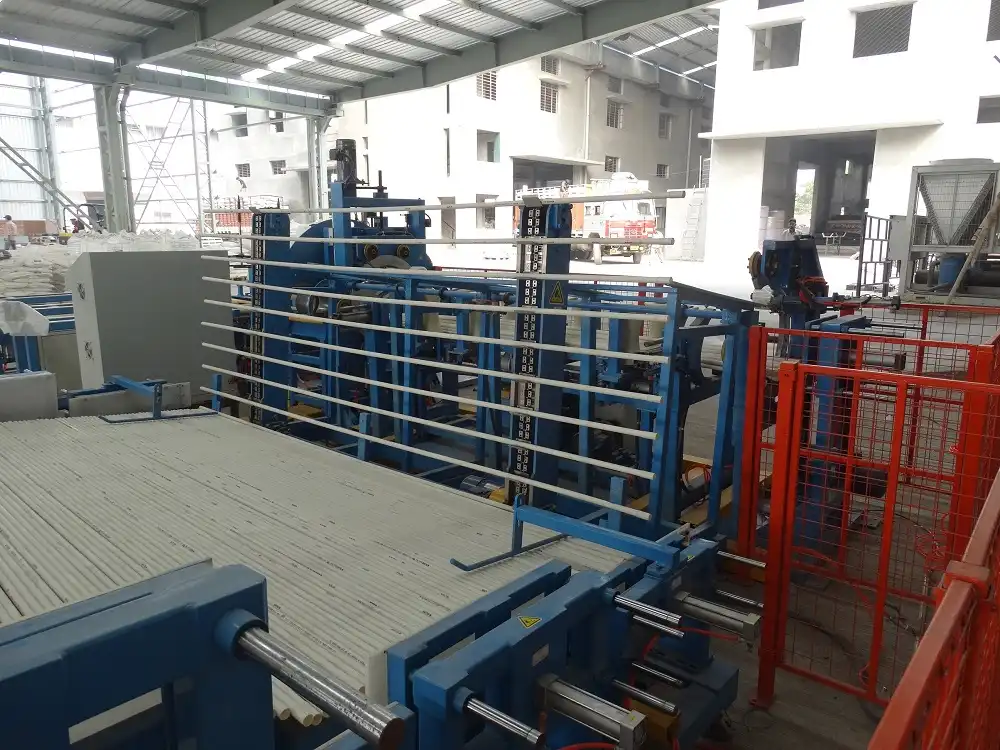
Ensuring compliance involves several key steps. These include using recyclable or biodegradable bundling materials, minimizing energy consumption during operation, and implementing waste reduction strategies. Regular maintenance and upgrades can also improve the machine’s environmental performance. Proper disposal of the machine at the end of its life is crucial to minimize its environmental impact.
Let’s delve into the specifics of how to achieve and maintain environmental compliance in your pipe bundling operations, ensuring a sustainable future for your business and the planet.
1. Selecting Eco-Friendly Bundling Materials
Choosing the right materials is the cornerstone of sustainable pipe bundling. Opting for environmentally conscious alternatives can significantly reduce your environmental footprint.
To ensure compliance, prioritize materials that are recyclable, biodegradable, or made from renewable resources. Consider paper banding, which offers a sustainable alternative to plastic strapping. Explore materials that minimize waste and reduce your reliance on virgin resources. Always verify that your materials meet recognized environmental standards and certifications.
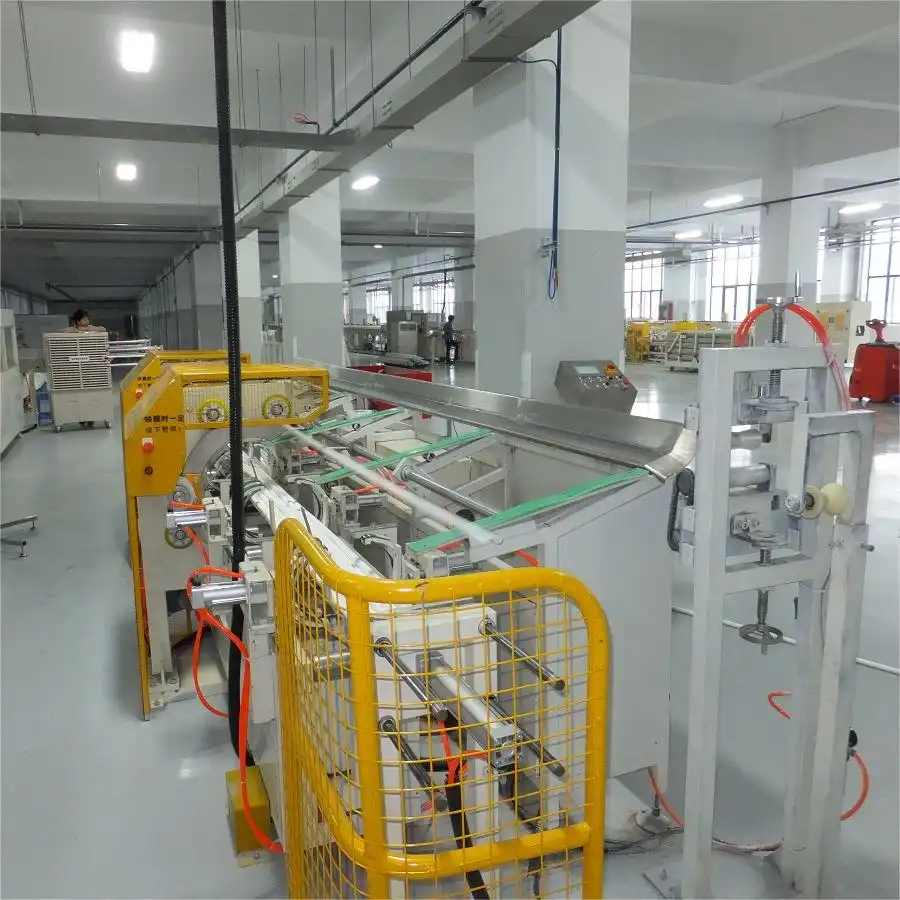
副标题:Evaluating and Comparing Sustainable Bundling Materials
The world of sustainable materials is vast, and selecting the best option for your pipe bundling machine requires careful consideration. Not all “eco-friendly” materials are created equal. Factors like cost, durability, and suitability for your specific application must be weighed against their environmental benefits. Let’s break down some common options:
Paper Banding: A Classic Choice
Paper banding is an excellent option for bundling, particularly when showcasing products or protecting delicate materials. It offers a strong hold without causing damage and can be easily recycled. However, it may not be suitable for heavy-duty applications or environments with high humidity.
Biodegradable Plastics: The Innovative Alternative
Biodegradable plastics, often made from cornstarch or other plant-based materials, offer a compromise between the strength of traditional plastics and the environmental benefits of paper. However, their biodegradability depends on specific composting conditions, and they may not break down in a typical landfill.
Recycled Plastics: Closing the Loop
Using recycled plastics reduces the demand for virgin resources and helps divert waste from landfills. However, the quality of recycled plastics can vary, and they may not be suitable for all applications.
To better illustrate the pros and cons, consider the following table:
| Material | Pros | Cons | Suitability |
|---|---|---|---|
| Paper Banding | Recyclable, showcases products well, protects delicate materials | Not suitable for heavy-duty applications or humid environments | Lightweight bundles, products requiring aesthetic appeal |
| Biodegradable Plastics | Stronger than paper, reduces reliance on traditional plastics | Requires specific composting conditions to degrade, may not break down in landfills | Products requiring some strength and durability, where composting facilities are available |
| Recycled Plastics | Reduces demand for virgin resources, diverts waste from landfills | Quality can vary, may not be suitable for all applications | Products where aesthetics and strength are less critical |
Choosing the right material involves a thorough understanding of your specific needs and the environmental impact of each option. Engage with your material suppliers to understand their sourcing practices and environmental certifications. By making informed choices, you can significantly improve the eco-friendly packaging of your pipe bundling operations.
2. Optimizing Energy Consumption
Energy efficiency is a critical aspect of environmental sustainability. Pipe bundling machines, especially those used in high-volume operations, can consume significant amounts of energy.
To minimize energy consumption, ensure your machine is properly maintained and lubricated. Consider upgrading to newer, more energy-efficient models. Implement energy-saving modes during periods of inactivity. Regularly monitor energy usage to identify areas for improvement. Exploring servo-driven systems can precisely control the machine’s movements and reduce energy waste.

副标题:Implementing Energy-Efficient Technologies in Pipe Bundling
Beyond basic maintenance, significant energy savings can be achieved by implementing advanced technologies. Let’s explore some key areas:
-
Servo Motors: Replacing traditional pneumatic or hydraulic systems with servo motors can dramatically reduce energy consumption. Servo motors provide precise control and only use energy when needed, eliminating the wasted energy associated with continuously running systems.
-
Variable Frequency Drives (VFDs): VFDs allow you to adjust the speed of the motor based on the actual demand, further optimizing energy use. This is particularly useful in applications where the machine doesn’t need to run at full speed constantly.
-
Smart Sensors and Controls: Integrating sensors that monitor pipe size, weight, and other parameters can allow the machine to automatically adjust its settings for optimal energy efficiency. These sensors can also detect malfunctions or inefficiencies, alerting operators to potential problems before they escalate.
By implementing these technologies, you can not only reduce your energy costs but also contribute to a more sustainable manufacturing process. Remember to conduct a thorough energy audit of your pipe bundling operations to identify the areas where the most significant improvements can be made.
3. Minimizing Waste Generation
Waste reduction is a fundamental principle of environmental sustainability. Pipe bundling processes can generate various types of waste, including material scraps, damaged packaging, and used components.
To minimize waste generation, implement strategies for reducing material waste during the bundling process. Optimize packaging design to minimize the amount of material used. Implement a recycling program for waste materials. Regularly maintain the machine to prevent breakdowns and component failures. Work closely with suppliers to reduce packaging waste from incoming materials.
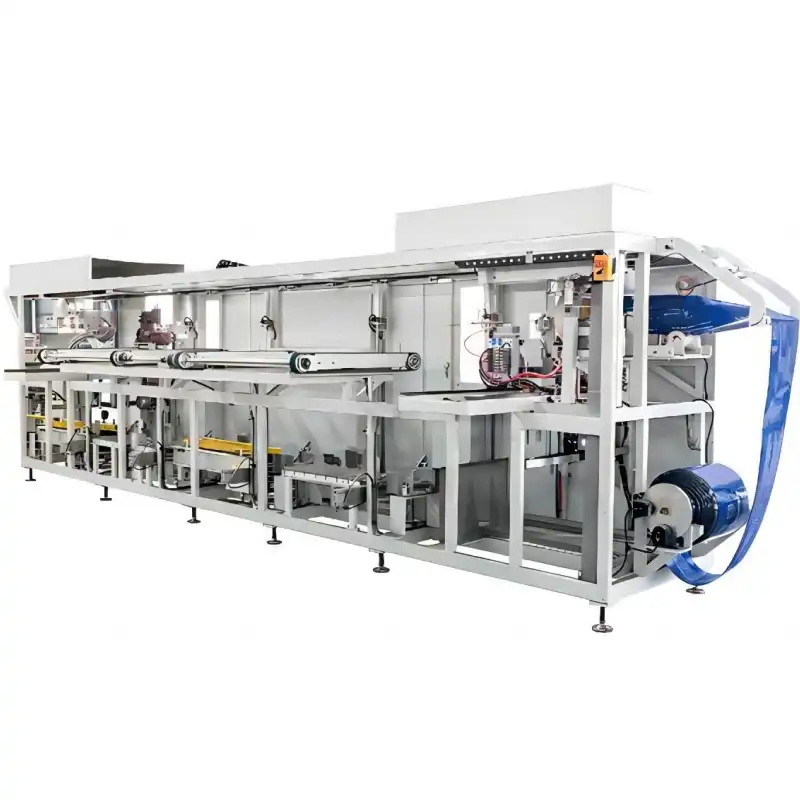
副标题:Strategies for a Zero-Waste Pipe Bundling Operation
Achieving a truly sustainable pipe bundling operation requires a holistic approach to waste management. It’s not just about recycling; it’s about rethinking the entire process to minimize waste at every stage.
Reduce: The First Line of Defense
- Optimize Cutting and Bundling: Implement software or automated systems that optimize cutting patterns and bundling configurations to minimize material waste.
- Standardize Packaging: Where possible, standardize packaging sizes and materials to reduce the need for custom solutions that often lead to excess waste.
- Implement a Just-in-Time Inventory System: Reduce the risk of material spoilage and obsolescence by ordering materials only when needed.
Reuse: Giving Materials a Second Life
- Returnable Packaging: Work with suppliers to implement returnable packaging systems for incoming materials.
- Internal Reuse Programs: Find creative ways to reuse scrap materials within your operation. For example, smaller pieces of banding material could be used for securing smaller bundles or for other non-critical applications.
- Partner with Local Businesses: Explore opportunities to donate or sell scrap materials to other businesses that can use them.
Recycle: Closing the Loop
Even with the best reduction and reuse efforts, some waste is inevitable. That’s where recycling comes in.
| Material | Recycling Options | Challenges |
|---|---|---|
| Paper Banding | Widely recyclable through standard paper recycling programs | Contamination with adhesives or inks can sometimes hinder recyclability |
| Plastic Straps | Recyclable, but may require specialized recycling facilities | Different types of plastic require different recycling processes, making sorting essential |
| Metal Straps | Highly recyclable, but may require dismantling and separation from other materials | Sharp edges can pose a safety hazard during handling |
By implementing these strategies, you can significantly reduce the amount of waste generated by your pipe bundling operation and move closer to a zero-waste ideal.
4. Implementing a Comprehensive Environmental Management System
A robust environmental management system (EMS) is crucial for ensuring ongoing compliance and continuous improvement in environmental performance. This involves establishing clear environmental policies, setting measurable goals, and implementing procedures for monitoring and auditing your progress.
A comprehensive EMS includes regular audits, employee training, and documentation of all environmental activities. It also involves engaging with stakeholders, such as suppliers, customers, and the local community, to promote environmental awareness and collaboration. By implementing a well-designed EMS, organizations ensure that environmental considerations are integrated into all aspects of their operations, promoting sustainability and minimizing their impact on the planet.
Conclusion
Ensuring compliance with environmental sustainability standards for pipe bundling machines is not just a regulatory requirement; it’s a responsible and strategic business practice. By embracing eco-friendly materials, optimizing energy consumption, minimizing waste generation, and implementing a robust environmental management system, you can significantly reduce your environmental footprint while improving operational efficiency and enhancing your brand reputation. Embracing sustainability standards is not just good for the planet, it’s good for business.








