
How to Improve Coil Transport Efficiency with Automatic Lifting Systems
Are manual coil handling processes draining your resources and increasing safety risks? Imagine a seamless operation where steel coils are moved effortlessly and securely, boosting productivity and minimizing costly delays. Automatic lifting systems are revolutionizing steel coil transportation, but achieving peak efficiency requires a strategic approach.
To improve coil transport efficiency with automatic lifting systems, focus on strategic equipment selection like AGVs and automated cranes, optimize workflows to minimize handling, and prioritize regular maintenance and comprehensive training for enhanced safety and streamlined operations. This ensures a safer, faster, and more productive coil handling process within steel manufacturing and metal processing facilities.
This article explores essential strategies for maximizing the potential of automatic lifting systems in coil transport. Read on to discover how to revolutionize your operations.
Enhancing Safety in Automated Steel Coil Transport
Steel coils, known for their heavy weight and awkward shapes, inherently pose safety challenges during transport. Even with automation reducing manual intervention, the risk of accidents remains significant if safety isn’t prioritized. Are you confident your automated system is truly enhancing safety, or are there hidden vulnerabilities?
Prioritizing safety in automated steel coil transport is crucial and involves several key measures: implementing rigorous equipment maintenance schedules, providing comprehensive operator training on automated systems, and integrating advanced safety technologies like sensor-based collision avoidance and automated emergency stops. Regular risk assessments tailored to automated processes are also essential for identifying and mitigating potential hazards, ultimately ensuring a safer working environment and preventing costly accidents and downtime.
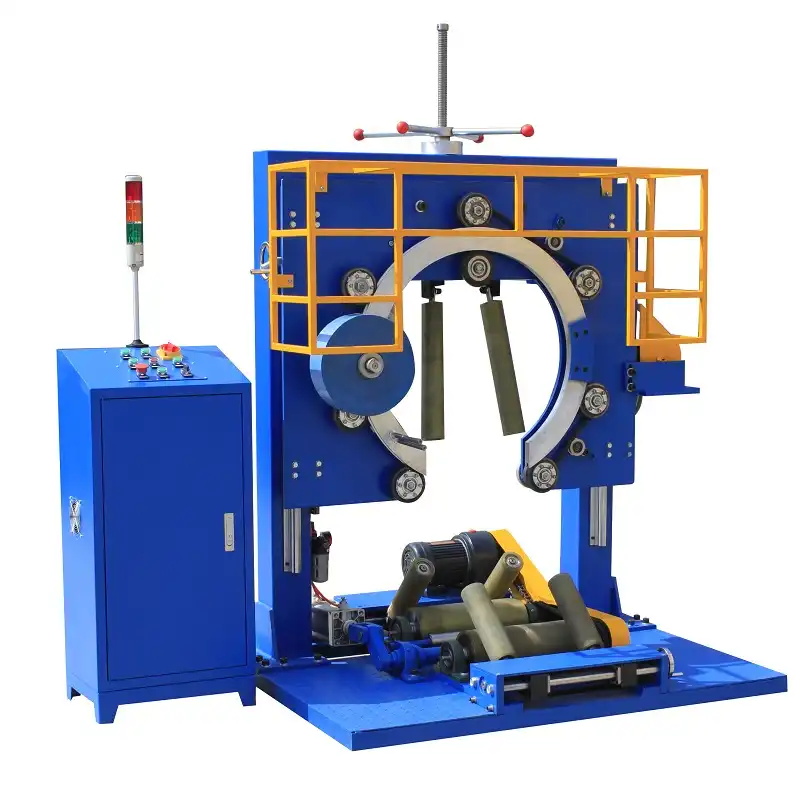
Key Safety Technologies and Protocols in Automated Coil Transport
Creating a safe environment for automated coil transport demands a comprehensive strategy, blending technology, thorough training, and robust protocols. Let’s delve into the essential components for a safer automated system.
1. Advanced Sensor Systems and Collision Avoidance
Modern automated material handling equipment utilizes sophisticated sensor systems to significantly boost safety by preventing collisions and detecting potential hazards. These systems act as the eyes and ears of your automated equipment, ensuring smooth and safe operation.
| Sensor Type | Functionality | Benefit to Safety |
|---|---|---|
| Laser Scanners | Creates 2D or 3D safety zones; obstacle detection in path. | Prevents collisions with objects and personnel; enables dynamic speed adjustments. |
| Ultrasonic Sensors | Detects objects using sound waves; effective short-range detection. | Proximity detection in confined spaces; supplementary collision prevention layer. |
| Vision Systems | Uses cameras and image processing; object identification, code reading. | Advanced obstacle detection; ensures correct coil placement; improves navigation. |
| Safety Light Curtains | Creates invisible light barriers; triggers stop when beam is broken. | Perimeter guarding for automated zones; protects personnel from hazardous areas. |
2. Programmable Safety Logic Controllers (PLCs)
PLCs serve as the central intelligence of automated safety systems. They monitor sensor inputs and control equipment responses to guarantee safe operation. PLCs are the brains behind proactive safety measures.
- Emergency Stop Systems: Integrated e-stop buttons and automated emergency stops triggered by sensors immediately halt equipment in unsafe situations, preventing accidents and damage.
- Speed Monitoring and Control: PLCs dynamically adjust equipment speed based on sensor data and safety zones, automatically slowing down in congested areas, enhancing safety around workers and obstacles.
- Interlocking Systems: Ensure safety devices are correctly engaged before automated equipment operation, preventing accidental startups during maintenance and safeguarding personnel.
- Fault Diagnostics and Alarms: Continuously monitor system health, detect faults, and trigger alarms, enabling proactive maintenance and preventing safety-critical failures, ensuring system reliability and safety.
3. Comprehensive Training and Procedures
Even the most advanced technology is only as effective as its implementation. Human factors remain critical, making thorough training and well-defined procedures essential for the safe operation of automated coil transport systems.
- Operator Training: Extensive training on specific automated equipment, safety features, emergency procedures, and potential hazards. Certification programs validate operator competency and safe handling practices.
- Maintenance Personnel Training: Specialized training for maintenance staff on safe servicing and repair of automated systems, including lockout/tagout procedures, ensuring safe maintenance and minimizing risks.
- Safety Procedure Documentation: Clear, accessible documentation of all safety protocols, emergency procedures, and equipment operating instructions. Regular reviews and updates keep procedures current and effective.
- Regular Safety Audits: Periodic audits assess safety measure effectiveness, identify improvement areas, and reinforce a strong safety culture throughout the organization.
By implementing these technologies and protocols, steel manufacturers can establish a significantly safer environment for automated steel coil transport. This balanced approach ensures that efficiency gains are achieved without compromising worker well-being, creating a workplace where productivity and safety go hand in hand.
Optimizing Efficiency with Automated Coil Handling Systems
In today’s competitive landscape, maximizing efficiency is paramount for profitability. Manual coil handling, often slow, labor-intensive, and error-prone, can hinder productivity. Automated systems offer a clear path to significant efficiency gains. But are you fully leveraging automation to streamline your coil handling and unlock its full potential?
Optimizing efficiency with automated coil handling systems requires a holistic approach encompassing strategic workflow design to minimize coil movement, robust inventory management for timely material availability, and leveraging automated equipment for precision and speed. Continuous system performance monitoring and data analysis are crucial for identifying bottlenecks, fine-tuning processes, and driving continuous improvement in throughput and operational efficiency.
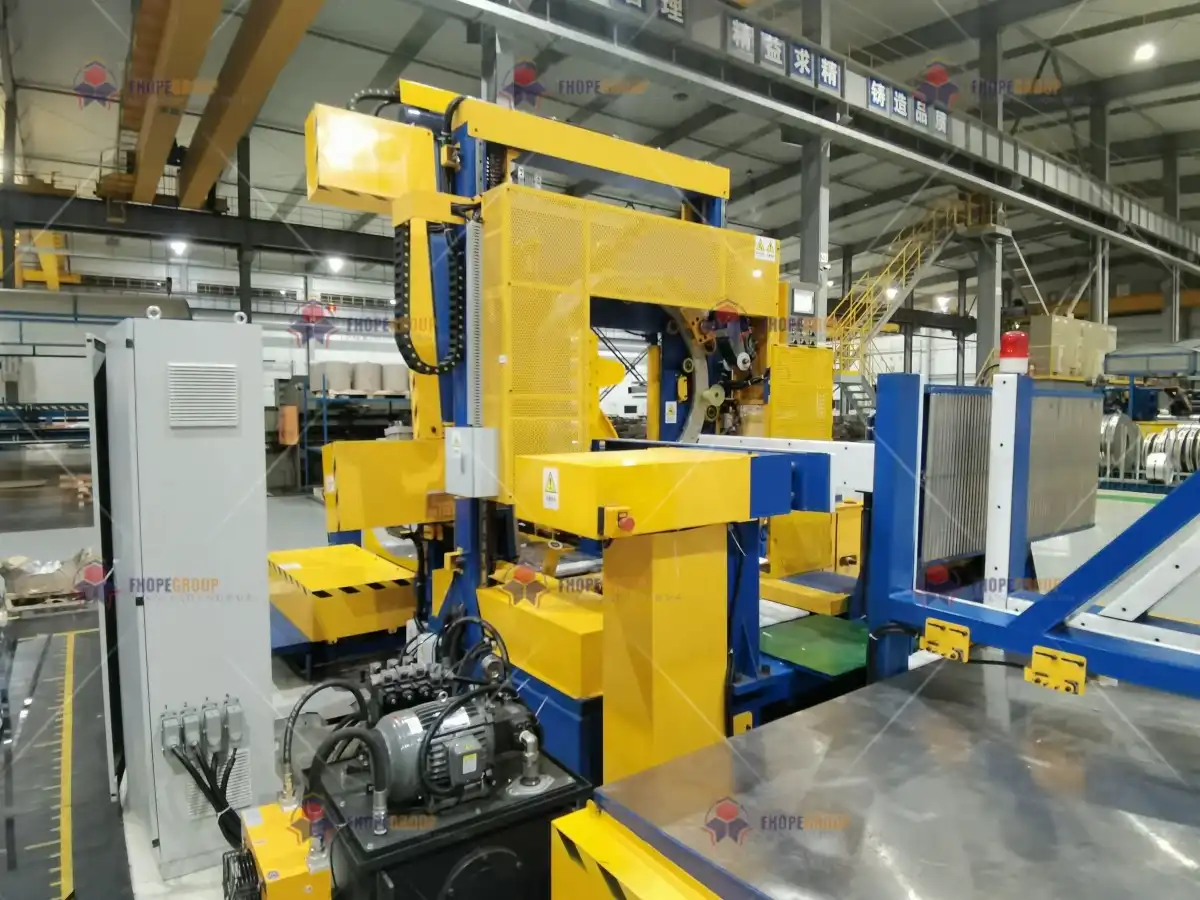
Strategies for Streamlining Coil Handling Workflows
To achieve peak efficiency in automated coil handling, it’s vital to optimize the entire workflow, from coil arrival to processing and beyond. Here are key strategies to consider for a streamlined operation:
1. Integrated Inventory Management Systems
Real-time inventory tracking and management are foundational for efficient coil handling. Without precise knowledge of your coil inventory, bottlenecks and delays are inevitable. An integrated system provides the visibility and control needed for optimal material flow.
- Automated Tracking: Implement RFID tags or barcode scanning for automatic tracking of coil location, quantity, and specifications throughout the facility. Automating tracking reduces manual errors and provides real-time data.
- Real-time Visibility: Provide real-time data on coil inventory levels and locations to production planning and operations teams. This proactive material management enables better decision-making and prevents material shortages.
- Demand Forecasting Integration: Integrate inventory systems with demand forecasting to predict material needs and optimize coil ordering and delivery schedules. Aligning inventory with demand minimizes storage needs and reduces handling.
- Just-in-Time (JIT) Material Flow: Optimize material flow to deliver coils to production lines precisely when needed. JIT reduces buffer storage, minimizes unnecessary movements, and streamlines the production process.
2. Optimized Facility Layout and Workflow Design
The physical layout of your facility and the design of your workflows have a profound impact on efficiency. A well-designed layout minimizes travel distances and eliminates unnecessary steps, directly translating to time and cost savings.
- Direct Material Paths: Design facility layouts that minimize travel distances for automated equipment. Creating direct paths between storage, processing, and shipping areas reduces transport time and increases throughput.
- Workflow Simulation and Modeling: Utilize simulation software to model different layout and workflow scenarios. Identifying bottlenecks and optimizing material flow before physical implementation saves time and resources in the long run.
- Ergonomic Workstation Design: Even in automated systems, manual workstations for tasks like quality inspection or system monitoring should be ergonomically designed. Operator efficiency and comfort directly impact overall productivity.
- Process Automation Integration: Seamlessly integrate automated coil transport with other automated processes like coil slitting, cutting, and packaging. Creating a continuous, efficient production line minimizes manual intervention and maximizes flow.
3. Data-Driven Performance Monitoring and Optimization
Continuous monitoring and analysis of system performance are crucial for identifying areas for improvement and maximizing efficiency over time. Data provides the insights needed to fine-tune operations and achieve peak performance.
- Key Performance Indicators (KPIs) Tracking: Track KPIs such as coil throughput, cycle times, equipment uptime, and error rates to monitor system performance. Regularly tracking KPIs provides a clear picture of system health and efficiency.
- Data Analytics and Reporting: Use data analytics tools to identify trends, bottlenecks, and areas for optimization. Generate regular performance reports for management review to facilitate informed decision-making and continuous improvement.
- Predictive Maintenance Integration: Integrate data from equipment sensors to predict maintenance needs. Proactive maintenance minimizes downtime and ensures continuous operation, maximizing uptime and efficiency.
- Continuous Improvement Programs: Establish a culture of continuous improvement, using data and feedback to regularly refine workflows, optimize system parameters, and enhance overall efficiency. A commitment to continuous improvement ensures long-term efficiency gains.
By implementing these strategies, steel manufacturers can unlock significant efficiency gains from automated coil handling systems. This results in reduced operational costs, increased throughput, and a stronger competitive edge in the market.
Selecting the Right Automated Equipment for Steel Coil Transport
Choosing the right automated equipment is a pivotal decision with direct consequences for both safety and efficiency. Mismatched equipment can lead to bottlenecks, safety hazards, and unrealized potential. Are you confident that your current or planned automated equipment is the optimal choice for your specific coil transport needs?
Selecting the right automated equipment for steel coil transport hinges on a thorough evaluation of several factors: coil dimensions, weight, transport distances, facility layout, and required throughput. Common and effective automated solutions include Automated Guided Vehicles (AGVs) for flexible transport, overhead crane systems for heavy lifting and precise positioning, and conveyor systems for continuous material flow. A detailed cost-benefit analysis and consideration of future scalability are essential for informed equipment choices aligned with operational needs and long-term goals.
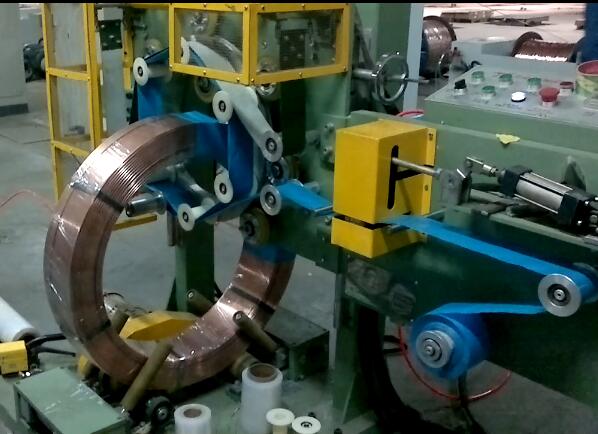
Detailed Analysis of Automated Equipment Options
The market presents a diverse array of automated equipment for steel coil transport, each with unique strengths and suitability for different applications. Understanding the nuances of each option is crucial for making the best choice for your specific needs.
1. Automated Guided Vehicles (AGVs)
AGVs offer exceptional flexibility and scalability, making them well-suited for dynamic transport needs within steel coil handling operations. Their adaptability and ease of implementation make them a popular choice.
| Feature | Advantage | Disadvantage | Best Use Cases |
|---|---|---|---|
| Flexibility | Route changes easily programmed; adaptable to changing layouts. | Path planning and traffic management can be complex in dynamic environments. | Flexible production lines; varied transport paths; adaptable facilities. |
| Scalability | Easy to add or remove vehicles to adjust capacity. | Initial setup and programming require expertise. | Growing operations; fluctuating demand; phased automation implementation. |
| Safety Features | Equipped with sensors for obstacle detection and collision avoidance. | Safety systems require regular maintenance and calibration. | Environments with shared human and automated workspaces; stringent safety needs. |
| Cost | Lower initial investment compared to fixed infrastructure systems. | Battery charging/replacement and maintenance costs over vehicle lifespan. | Cost-sensitive operations; facilities seeking phased investment. |
2. Overhead Crane Systems (Automated Cranes)
Automated cranes excel in heavy lifting and precise positioning, making them ideal for handling the substantial weight and demanding placement requirements of steel coils. Their overhead design also optimizes floor space utilization.
| Feature | Advantage | Disadvantage | Best Use Cases |
|---|---|---|---|
| Heavy Lifting | Capable of handling very heavy coils; robust and durable. | Higher initial investment and installation costs. | Heavy steel coil handling; high-capacity lifting requirements; large coils. |
| Precise Positioning | Automated controls enable precise coil placement; ideal for machine loading. | Fixed infrastructure; less flexible than AGVs in terms of path changes. | Machine loading/unloading; precise placement in storage racks; integrated processes. |
| Space Efficiency | Overhead operation frees up floor space for other activities. | Requires robust building structure to support crane system. | Facilities with limited floor space; optimizing vertical space utilization. |
| Safety | Overhead operation reduces floor-level congestion and collision risks. | Fall hazards during maintenance; requires robust safety interlocks. | High-traffic floor areas; prioritizing separation of human and material flow. |
3. Conveyor Systems (Automated Conveyors)
Conveyor systems are the champions of continuous, high-throughput material flow. For operations with predictable and repetitive coil transport needs, conveyors offer unmatched efficiency and reliability.
| Feature | Advantage | Disadvantage | Best Use Cases |
|---|---|---|---|
| Continuous Flow | Constant material flow; high throughput; efficient for repetitive tasks. | Limited flexibility in routing; fixed paths. | High-volume production lines; repetitive transport tasks; fixed process flows. |
| Reliability | Simple and robust technology; low maintenance requirements. | Can be inflexible to layout changes; breakdowns can halt entire line. | Stable production environments; predictable material flow; minimizing downtime risk. |
| Automation Integration | Easy to integrate with other automated equipment and processes. | Can consume significant floor space depending on layout and length. | Fully automated production facilities; integrated manufacturing systems; high volume. |
| Cost-Effectiveness | Lower operating costs for continuous, high-volume transport. | Initial installation can be costly depending on system complexity. | High-volume, long-term operations; cost-sensitive continuous production. |
Careful evaluation of these equipment options, considering your specific operational context, is essential for selecting the most effective automated solution for steel coil transport. The right choice will directly impact your long-term efficiency, safety, and profitability.
Integrating Sustainability into Coil Transport Operations
Sustainability is no longer optional – it’s a core business imperative. The steel industry, being energy-intensive, carries a significant environmental footprint. Optimizing coil transport for sustainability not only reduces environmental impact but also often unlocks cost savings and enhances brand reputation. Are you actively pursuing sustainable practices in your coil transport, or are there untapped opportunities to green your operations?
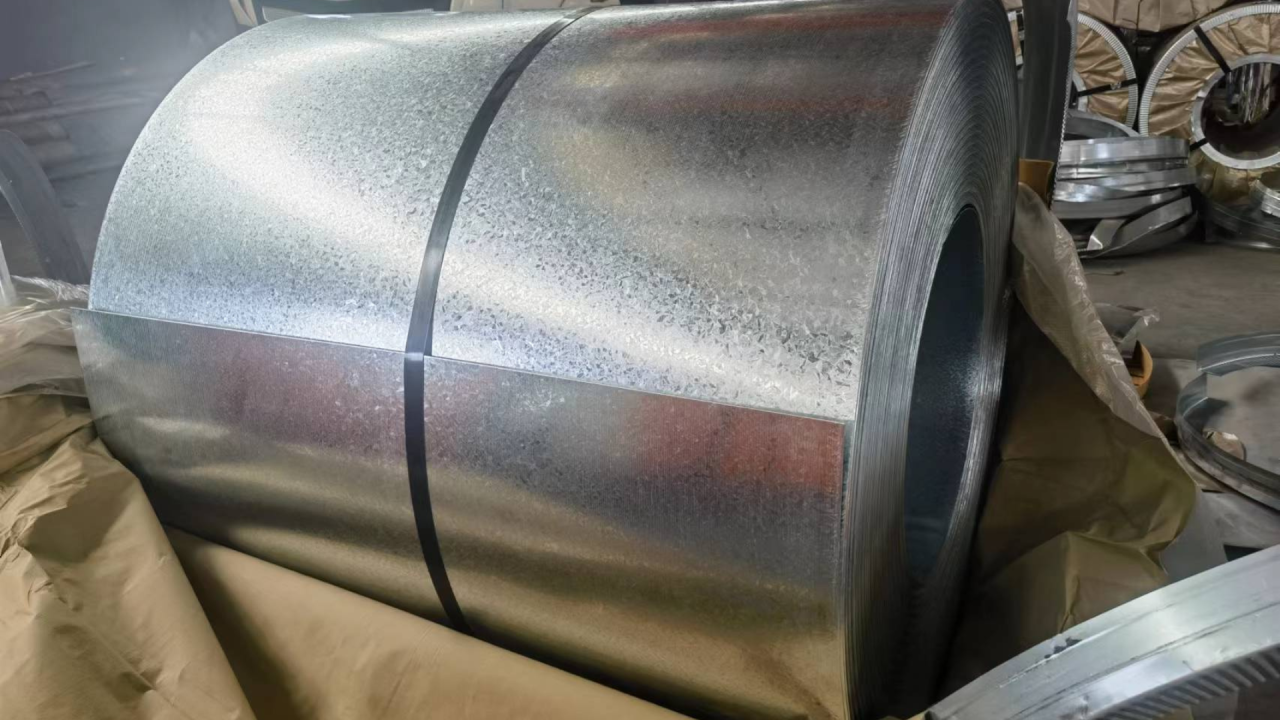
Integrating sustainability into coil transport operations involves adopting energy-efficient equipment like electric AGVs and cranes, optimizing transport routes and workflows to minimize energy consumption, and implementing steel scrap recycling programs. Promoting reusable packaging for coils and conducting lifecycle assessments of equipment further contribute to a circular economy approach, reducing environmental impact and enhancing resource efficiency in steel manufacturing.
Sustainable practices are not just environmentally responsible; they are increasingly economically advantageous. By focusing on resource efficiency and waste reduction in coil transport, steel manufacturers can achieve both ecological and financial benefits. Key areas to focus on include:
- Energy-Efficient Equipment: Transition to electric-powered automated equipment like AGVs and cranes. Electric equipment offers significantly higher energy efficiency compared to diesel or propane counterparts, reducing carbon emissions and operating costs. Consider regenerative braking and energy-saving modes for equipment.
- Optimized Routing and Reduced Travel Distances: Analyze transport routes and workflows to minimize travel distances and idle time for automated equipment. Optimize facility layouts to create direct material paths and reduce unnecessary movements. Implement traffic management systems for AGVs to avoid congestion and optimize flow.
- Steel Scrap Recycling at Source: Implement systems to capture and recycle steel scrap generated during coil handling and processing directly at the source. Ensure efficient collection, sorting, and processing of scrap to maximize recycling rates and minimize waste sent to landfills.
- Reusable Packaging and Pallets: Shift from single-use packaging to reusable packaging solutions for steel coils. Utilize durable, reusable pallets and containers for coil transport and storage, reducing waste and material consumption. Establish return and reuse systems for packaging materials.
- Lifecycle Assessment of Equipment: Consider the entire lifecycle environmental impact when selecting automated equipment. Choose equipment with longer lifespans, recyclable components, and lower embodied energy. Prioritize suppliers committed to sustainable manufacturing practices.
- Employee Engagement and Training: Engage employees in sustainability initiatives through training and awareness programs. Encourage employee ideas for improving sustainability in coil transport and reward sustainable practices.
By actively integrating these sustainability practices, steel manufacturers can transform their coil transport operations into more environmentally responsible and resource-efficient systems, contributing to a greener and more profitable future.

Warehouse Management System (WMS) for Coil Storage
A Warehouse Management System (WMS) is crucial for optimizing coil storage and retrieval in automated warehouses. A WMS streamlines operations by managing transport orders, optimizing operating times, and providing real-time information on system statuses. This leads to higher throughput, improved storage capacity, reduced crane movements, and efficient workload distribution. Modules like Yard Management, Production Management, and Mobile Robot Management further enhance functionality, controlling material flow from arrival to production and beyond, ensuring seamless and efficient coil handling.
When considering implementing a WMS for coil storage, key functionalities and benefits to look for include:
- Real-time Inventory Tracking: Knowing the precise location and quantity of each coil at all times minimizes search time and optimizes storage space utilization.
- Automated Storage and Retrieval: The WMS directs automated cranes or AGVs to efficiently store and retrieve coils, minimizing manual intervention and speeding up operations.
- Order Management and Prioritization: The system manages and prioritizes production orders, ensuring coils are delivered to production lines in the most efficient sequence, reducing wait times.
- Simulation and Digital Twin Capabilities: Advanced WMS solutions offer simulation models and digital twins to optimize warehouse design, test operational rules, and train operators in a virtual environment before physical implementation.
- Scalability and Modular Design: Choose a WMS that can scale with your operations and offers modular extensions to adapt to evolving needs, such as yard management or mobile robot integration.
- Data Analytics and Reporting: A robust WMS provides data analytics and reporting features to monitor system performance, identify bottlenecks, and drive continuous improvement in warehouse operations.
- Integration with Existing Systems: Seamless integration with host systems (MES/ERP) ensures smooth data flow and avoids data silos, creating a unified and efficient information ecosystem.
Investing in a comprehensive WMS tailored for coil storage is a strategic move that significantly enhances warehouse efficiency, reduces operational costs, and improves overall productivity in steel coil handling facilities.
Conclusion
Adopting best practices for transporting steel coils using automated equipment is more than just a technology upgrade; it’s a strategic transformation towards enhanced safety, efficiency, and sustainability, paving the way for long-term success. By prioritizing worker safety, optimizing workflows, and selecting the right automated solutions, steel manufacturers can fully realize the potential of automation. Embracing a holistic approach, from equipment selection to continuous improvement, is key to building a world-class coil handling system that drives productivity and ensures a safer, greener future for the industry. Explore advanced coil packing line solutions to further optimize your steel coil handling processes.








