
How to Improve Coil Packaging Efficiency in Brazil’s Harsh Industrial Environments?
Factories in Brazil, especially those handling heavy materials like steel coils and wire, face a constant battle. You are under pressure to produce more, control costs, and keep people safe. But if your packaging line is slow, dangerous, or causes damage, it pulls down everything else. This is a common problem I saw many times in my career.
The way to improve coil packaging efficiency in tough industrial settings like Brazil’s involves a clear shift towards smart automation, better safety systems, and durable equipment. It also means finding a true partner, not just a seller, who understands your specific factory challenges. This approach reduces manual labor, cuts down on waste, and boosts your overall output, even in the most demanding conditions.
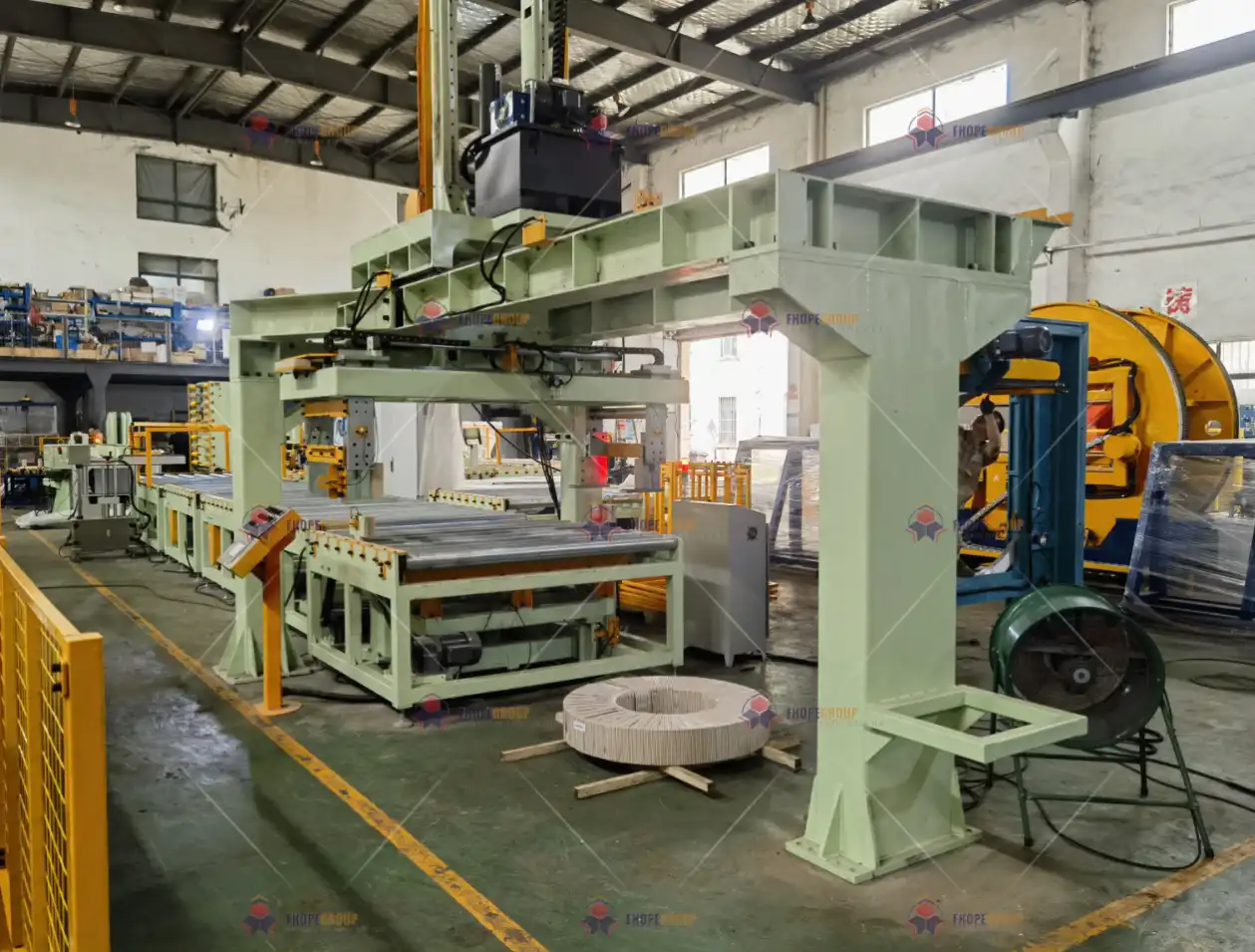
I know the feeling of needing to get things done, and done right. You want solutions that work, not just promises. As someone who built a packing machine factory from the ground up, I understand the real-world pressures you face every day. So, let’s look closer at how you can transform your packaging operations for lasting success.
Can Automation Really Solve My Production Bottlenecks?
You feel the pressure. Your production line runs fast, but then everything slows down at the packaging end. Manual processes for coil and wire packaging are not only slow, but they also create a serious roadblock. This bottleneck stops you from shipping products on time and cuts into your profits. You see your output limited by how fast your team can wrap and move heavy items.
Yes, automation can absolutely solve your production bottlenecks. By bringing in automated packaging and handling machines, you can remove the slow, manual steps. These machines work faster and more consistently than people. They keep your products moving smoothly from the production line to the shipping dock.
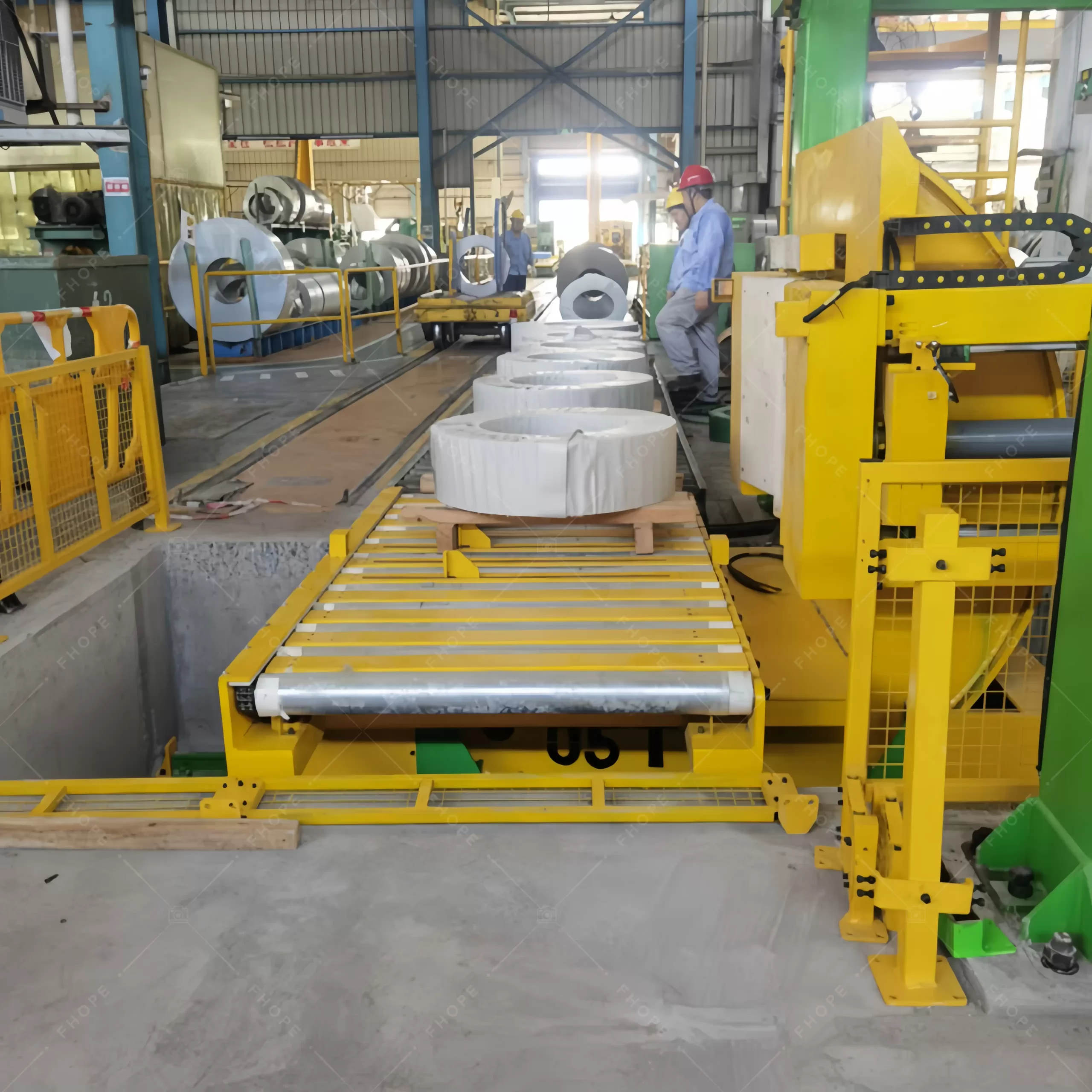
When I first started in this industry, I saw how much time was wasted with manual packaging. It was not just about speed. It was about consistent quality and reducing errors. Automating your packaging line is not just about adding a machine. It is about rethinking the whole process. You need to look at where the current slowdowns happen. Then you pick the right technology to fix those specific spots. This means machines that can handle the volume and the weight of your coils without stopping. It also means systems that can integrate with your existing setup.
The Power of Automated Coil Packaging Systems
Automated systems take over the repetitive and heavy tasks. This frees up your workers for more skilled jobs. It also means fewer mistakes from tired hands. For example, an automatic coil strapping machine can secure a coil in seconds. A person doing this by hand would take minutes. Multiply that by hundreds of coils a day, and the time savings are huge.
| Feature | Manual Process | Automated System |
|---|---|---|
| Speed | Slow, inconsistent, prone to delays | Fast, consistent, high throughput |
| Labor Needs | High, physically demanding | Low, less physical strain |
| Consistency | Varies with worker skill/fatigue | High, uniform packaging |
| Safety Risk | High for heavy lifting/handling | Low, machines do the heavy work |
| Product Damage | Higher risk during manual handling | Lower, precise machine movements |
| Operating Hours | Limited by shifts, breaks | Can run 24/7 |
Think about an automated wrapping machine. It can wrap a coil in plastic film quickly and tightly. This protects the product from dust and moisture. It also looks more professional. If you add an automated stacking or loading system, coils move from the wrapper directly to a pallet or a truck. This removes the need for forklifts to constantly pick up and drop coils. It makes the entire flow much smoother. When I helped clients set up their factories, we always looked for ways to cut out unnecessary steps. Automation is the best way to do this at the end of the line. It lets your factory produce more without hiring more people. It simply makes your existing team more effective. This is how you really boost your output and meet those tight delivery schedules. It takes the pressure off.
How Can I Make My Factory Safer When Handling Heavy Coils?
Handling heavy coils and wire bundles is one of the most dangerous jobs in a factory. Your current manual methods for moving or flipping heavy items create huge risks. Workers get injured, which means higher insurance costs and people leaving your company. You are constantly worried about someone getting hurt. This puts a heavy burden on your shoulders.
You can make your factory much safer by greatly reducing the need for manual handling of heavy items. This means bringing in specialized machines that do the heavy lifting and moving. These machines take workers out of harm’s way, which prevents serious injuries and makes the workplace much safer for everyone.
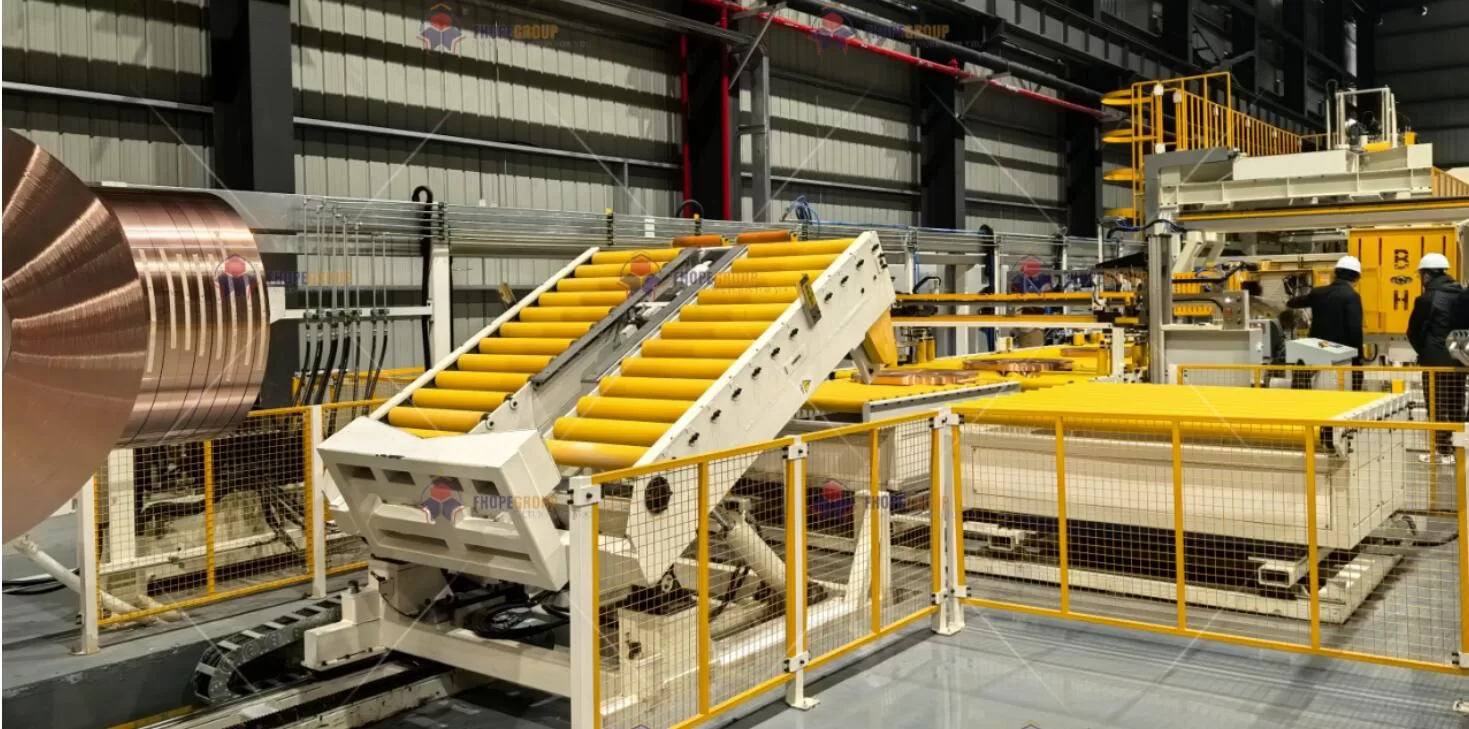
When I was an employee in a packing machine factory, I saw firsthand the risks people took every day. It was not just about lifting. It was about the sudden movements of heavy objects, the risk of a coil rolling, or a worker losing their grip. My personal journey in this industry showed me that safety must come first. You cannot expect people to handle hundreds of pounds all day without a high risk of injury. This is where modern equipment truly shines. It is designed to move massive weights with precision and control. This means less risk of dropping, crushing, or instability.
Investing in Robust Material Handling Equipment for Safety
Focus on equipment that removes the human element from direct contact with heavy loads. This includes systems like automatic coil lifters, up-enders, and transfer carts. An automatic up-ender, for example, can flip a coil from horizontal to vertical, or vice versa, with the push of a button. No more dangerous manual methods. This machine handles weights that would crush a person. Similarly, special coil lifters that attach to cranes make sure the coil is securely held during transport. They prevent it from swinging or falling.
- Automated Coil Lifters: These devices attach to overhead cranes. They use strong clamps or hooks to lift and move coils. They keep workers clear of the heavy load. This greatly reduces the risk of crush injuries or falling objects.
- Coil Up-enders/Down-enders: These machines change the orientation of a coil safely. If a coil comes off the line lying flat but needs to be stored upright, an up-ender does this with hydraulic power. It removes the need for workers to manually rotate or wrestle with the heavy coil.
- Automatic Transfer Carts: For moving coils between different parts of the factory, automatic carts are excellent. They travel on tracks or use guided systems. This means no forklifts speeding through walkways, which cuts down on collisions.
- Integrated Safety Sensors: Modern machines come with sensors. These sensors detect if a person is too close to a moving part. They can stop the machine automatically. This provides an extra layer of protection.
I learned that true efficiency also means protecting your most valuable asset: your people. By investing in these types of machines, you are not just buying equipment. You are buying peace of mind. You reduce the number of accidents. This lowers your insurance costs. It also makes your employees feel safer and more valued. This leads to less turnover and a more stable workforce. It is a win-win for everyone involved in the factory operations.
How Can I Stop Losing Money from Damaged Products During Packing?
It is frustrating when your finished products get damaged right before they ship out. Things like steel coil edges getting dented or wire bundles getting scuffed during internal transport or packaging. This leads to unhappy customers, returned goods, and lost profits. You work hard to produce quality, but then it gets ruined at the last step.
You can stop losing money from damaged products by using specialized packaging and handling equipment that protects the product at every stage. This means machines designed to gently and securely move and wrap your coils. It also means using packaging materials that offer superior protection against bumps and abrasions.

When I was building my own factory, I quickly realized that product quality extended all the way to how it was delivered. If a coil arrived with a damaged edge, it did not matter how perfect it was when it left the furnace. The customer saw the damage, and that was it. This is why good packaging is not an expense. It is an investment in your product’s integrity and your brand’s reputation. Damaged products mean costly returns, reworks, and often, lost future business. You need solutions that handle your products with care, even the heaviest ones.
Smart Investments to Prevent Product Loss
Think about how your coils are currently moved and packed. Are they sliding on rough surfaces? Are they being strapped too tightly or too loosely? Are they bumping into things? Each of these can cause damage. Modern packaging machines are built to avoid these issues. For example, a good coil wrapping machine applies tension evenly. It ensures the protective film hugs the coil without crushing its edges.
Here are specific ways to prevent damage:
- Automated Wrapping Machines with Controlled Tension: These machines apply stretch film or other protective materials around the coil with precise tension. This ensures the wrapping is tight enough to protect but not so tight that it damages the product. It also provides uniform coverage, guarding against dust, moisture, and minor impacts.
- Vertical or Horizontal Strapping Machines: Using automatic strapping machines ensures that straps are applied with consistent force. They hold the coil securely without deforming it. They can also apply edge protection before strapping, such as corner boards or plastic protectors, which absorb impact and prevent the strap from biting into the coil edge.
- Specialized Handling Tools: Using C-hooks or coil grabs that are lined with protective materials (like rubber or polyurethane) prevents metal-on-metal contact when moving coils. This avoids scratches, dents, and surface damage.
- Automated Coil Transfer Systems: Instead of forklifts that might bump or drop coils, automated conveyors or transfer carts move products smoothly and precisely. They follow predefined paths, reducing human error and accidental impacts during internal transport.
- Quality Packaging Materials: Invest in durable, high-strength stretch film, rust-preventive paper, or woven fabric wraps designed for heavy industrial use. These materials offer better cushioning and barrier protection against the harsh conditions of transport and storage.
By protecting your product from the moment it leaves the production line until it reaches your customer, you save money. You avoid customer complaints, costly returns, and the need to scrap damaged goods. This direct reduction in product loss directly boosts your factory’s profitability. It also builds stronger trust with your customers. They know they will get what they ordered, in perfect condition.
Why Does a Partner Matter More Than Just a Vendor for My Factory’s Future?
You have been let down before. Some equipment suppliers just wanted to sell you a machine and then disappear when you needed help. This made you careful. You need solutions, not just products. You need someone who truly understands your factory’s specific problems, not just generic sales pitches. This makes you hesitant to trust new partners.
A partner matters more than just a vendor because a true partner understands your deep challenges and goals. They do not just sell machines. They offer expert insights and reliable solutions that fit your factory’s specific needs, especially for tough places like Brazil. They work with you to solve problems and help your business grow, giving you confidence in your investment.
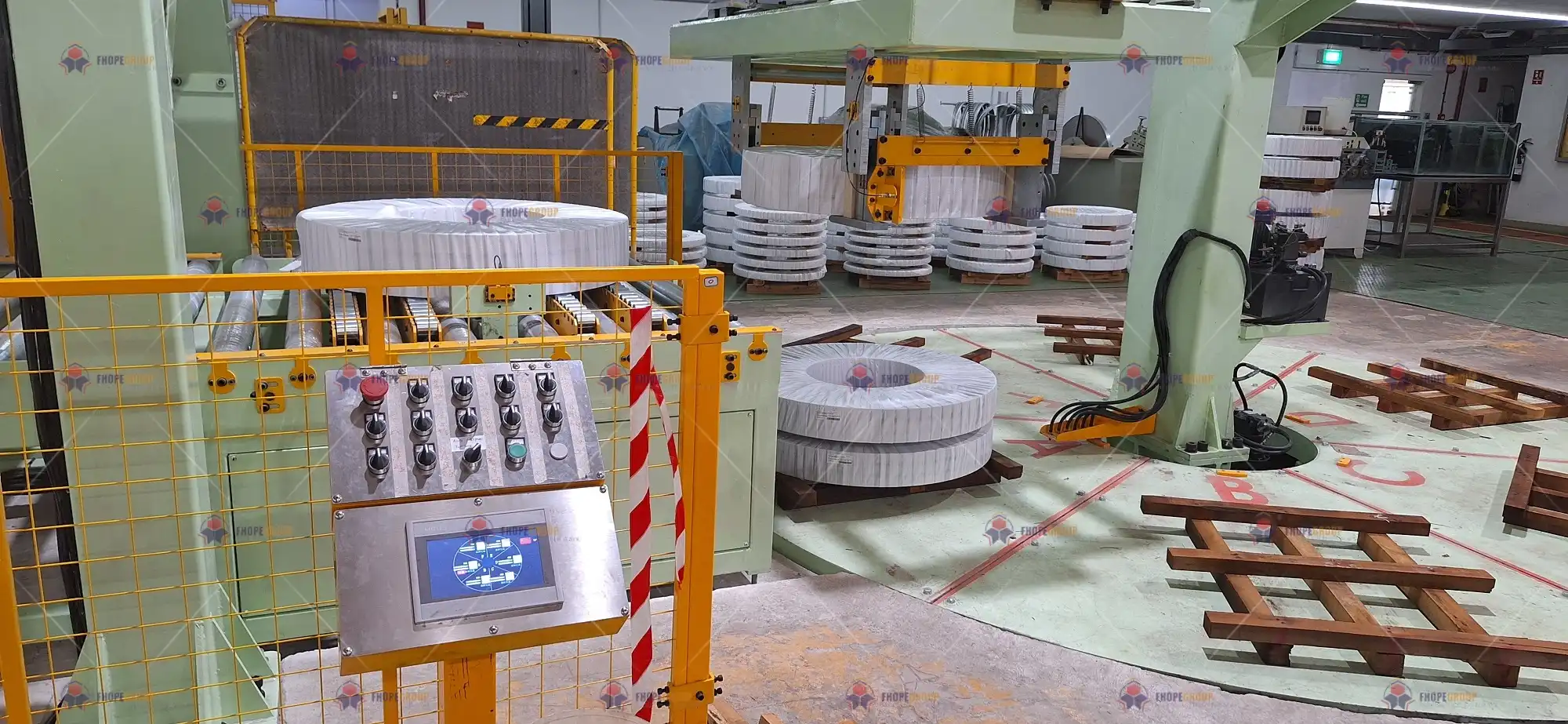
My own journey started as an employee, then to building my own successful packing machine factory. I saw both sides. I saw what customers needed, and I saw what good suppliers provided. I know that a factory manager like you is looking for more than a transaction. You are looking for someone who can walk through your plant, see your bottlenecks, understand your safety concerns, and then propose a real fix. Not just a generic machine from a catalog. When I started FHOPEPACK, my mission was to share knowledge and help people succeed. This means being a partner. It means listening and understanding.
The Value of a Deep Industry Partnership
A partnership means ongoing support. It means someone you can call when a problem comes up. It also means they help you plan for the future. They can advise you on how to scale your operations or adopt new technologies. For example, if you are looking to increase output by 20% next year, a partner can help you figure out what equipment upgrades you need now. They also understand the unique demands of a Brazilian industrial environment, like the need for robust, durable equipment that can withstand high heat, dust, or heavy usage. They know cheap solutions often cost more in the long run due to breakdowns.
- Understanding Your Unique Challenges: A good partner will take time to learn about your specific production process, the type of coils you handle, your current bottlenecks, and your safety issues. They will not offer a one-size-fits-all solution. They will propose customized equipment.
- Providing Expert Insights: With years of experience, a true partner can offer advice on optimizing your entire packaging line. This could involve recommending layout changes, suggesting integration with other factory systems, or advising on maintenance schedules for maximum uptime. My own experience building factories means I understand the operational challenges from your side.
- Focus on ROI, Not Just Price: A partner helps you see the long-term value. They show you how an investment in their equipment will save you money on labor, reduce product damage, and increase output. They help you calculate the return on investment (ROI) clearly.
- Strong After-Sales Support: This is crucial. A reliable partner offers excellent technical support, spare parts availability, and timely maintenance services. This ensures your machines run smoothly, minimizing downtime. This is very different from a vendor who disappears after the sale.
- Building Long-Term Trust: When a supplier consistently delivers on their promises, understands your needs, and provides reliable support, you build trust. This long-term relationship makes future expansions or upgrades much easier and less risky for you.
You want to work with someone who has been there, done that. Someone who understands the factory floor, the production pressures, and the importance of reliable machinery. This is why I share my knowledge. It is about helping you make smart choices that will truly help your business grow.
My insight
I have spent my whole life around packing machines. From my early days as an employee on the factory floor, feeling the heat and hearing the noise, to building my own successful packing machine company, I have seen it all. I understand the challenges you face every single day. I remember the struggles of meeting production targets, keeping costs down, and ensuring everyone went home safe. These were not just numbers on a spreadsheet for me. They were real people, real machines, and real problems.
What I have learned is that in tough industrial environments, like those in Brazil, simply buying a machine is not enough. You need the right machine, built to last. You need a solution that truly solves your specific problems. I have seen factories buy cheap equipment only to regret it later. It breaks down often, parts are hard to find, and it causes more headaches than it solves. I built my company, FHOPEPACK, because I wanted to offer something different. I wanted to offer reliable machines and, more importantly, reliable advice.
My journey in the packing machine industry allowed me to achieve financial independence. It also let me help many clients grow their businesses. They trusted me because I understood their pain points. I know the pressure of a broken machine stopping your entire line. I know the fear of a worker getting injured. This personal experience is why I am so dedicated to giving back. I want to help you avoid the pitfalls and find the right path to success.
So, when you think about improving your factory, do not just look for a machine. Look for a lasting solution. Look for a partner who has walked in your shoes. Someone who cares about your production numbers, your worker’s safety, and your overall success. That is the true value I want to share with you through FHOPEPACK. It is about knowledge, trust, and real results in the real world.
Conclusion
Improving coil packaging in Brazil’s tough industrial settings means investing in smart automation, prioritizing safety with robust equipment, and finding a trusted partner. This path leads to higher efficiency, safer operations, and stronger profits for your factory.








