
Packing hose coils can often be a challenging endeavor. The constant need to meet both quality and efficiency standards creates pressure. A hose coil wrapping machine might just be the solution you’re looking for to eliminate worries by streamlining your packaging process, ensuring every coil is securely wrapped with precision.

The key to efficiently packing hose coils lies in using the right coil wrapping machine. This technology ensures consistent packing that protects each coil during handling and transportation. The machine optimizes packing time and reduces manual labor, which leads to increased productivity while maintaining the integrity of your products.
I’ve spent years honing skills and developing best practices for packaging, often spending long nights working to solve challenging production scenarios. So, I understand the critical nature of proper planning and machinery selection. Let’s look at why a coil wrapping machine is indispensable in achieving efficient hose packing.
What are the essential features of a coil wrapping machine?
Seamlessly integrating a coil wrapping machine into your production line means understanding its features. Many struggle to choose the right one because of uncertainty about what truly matters. Ignoring these features can lead to unmet expectations and reduced efficiency.
A good coil wrapping machine should offer robust construction, adjustable tension controls, and an intuitive interface for various coil sizes. It’s important to consider automation capabilities that minimize manual intervention. Durability and ease of maintenance are crucial in ensuring the machine withstands daily operations.
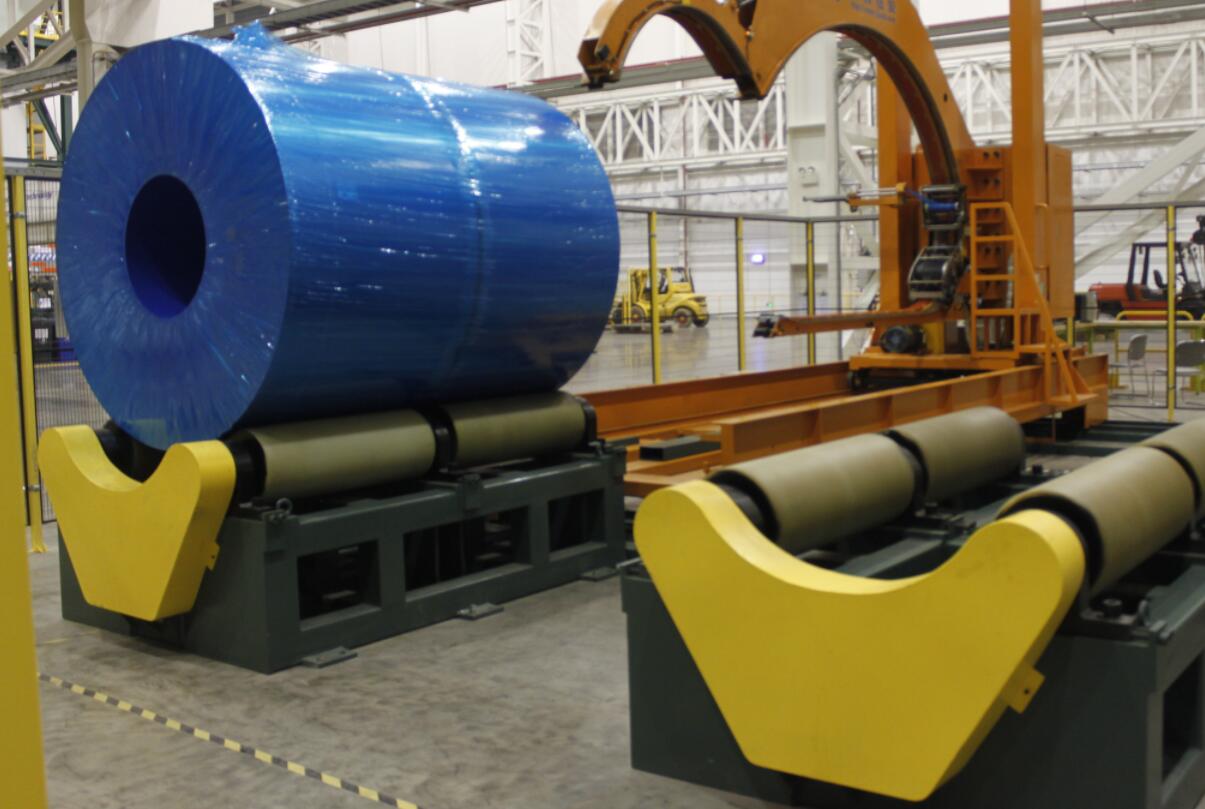
Understanding Key Features for Optimal Hose Coil Management
Choosing a suitable wrapping machine is more than checking off features. It’s critical to understand how these features align with your specific needs. Below are a few essential factors to consider:
| Feature | Importance |
|---|---|
| Automation Level | Reduces human error and operational costs |
| Adjustable Tension Control | Ensures tight, secure wrapping of different coil sizes |
| Construction Material | Influences longevity; metal is preferred for heavy-duty tasks |
| User Interface | Directs ease of use, training required for operators |
| Maintenance Requirements | Influences long-term machine performance and operational downtime |
Evaluating these factors allows you to find a machine that complements your operational requirements. In my experience, matching machine features with your specific production needs will significantly impact performance and outcomes. Maintenance, for example, should align with your team’s capability to ensure downtime is minimized, while automation can greatly improve consistency if you’re handling high volumes.
Having implemented various coil wrapping technology, I’ve observed that the benefits of automation and efficient wrapping are invaluable. When used wisely, the right machine can transform your operations by increasing speed, ensuring safety, and guaranteeing the quality of each packed coil. With modern coil wrapping machines, smart features now cater to both large industrial needs and smaller retail applications, letting you adapt to your unique context.
Getting the right machine isn’t just about efficiency. It’s about investing in technology that future-proofs your processes, allowing you to focus on growth instead of daily operational issues.
2. How to set up and operate a coil wrapping machine for maximum efficiency?
Packaging hoses efficiently may seem daunting, but it doesn’t have to be. By understanding how to correctly set up and operate a hose coil wrapping machine, you can greatly enhance the packaging process. This ensures not just an increase in speed but a noticeable improvement in the overall quality of hose packing.
Setting up a coil wrapping machine involves understanding its controls, adjusting tension settings, and calibrating the system for specific hose types. Attention to detail in the initial setup can prevent common problems, ensuring smooth operation. Regular checks and adjustments are also key to maintaining optimal efficiency throughout the packaging process.

Strategy for Optimal Setup and Operation
Operating a coil wrapping machine efficiently involves a multi-faceted approach. It requires careful attention to mechanical engineering solutions, electrical engineering applications, and an understanding of coil wrapping technology. This setup influences not only the productivity but also impacts the safety and consistency of the packing process.
| Key Aspect | Details | Importance |
|---|---|---|
| Machine Calibration | Adjust machine settings based on hose dimensions | Ensures wrapping tightness and prevents overwrapping |
| Tension Control | Fine-tune the tension settings | Avoids damage or slippage during wrapping |
| Loading and Unloading Process | Efficient material handling mechanisms | Reduces time wastage and labor effort |
| Electrical Components | Regular checks and adjustments | Maintains precision in wrapping, preventing electrical faults |
| Operator Training | Ensuring operators are well-trained and knowledgeable | Minimizes human error, enhancing overall machine output |
Understanding these components helps in executing seamless hose coil management, reducing downtime, and maintaining efficient hose packing. I remember visiting a client who invested in a coil wrapping machine. With their initial struggles, we collaborated on creating a customized training program, which significantly boosted their packing line’s productivity.
3. What maintenance and troubleshooting practices ensure optimal machine performance?
Ensuring optimal performance of a hose coil wrapping machine involves thorough maintenance and timely troubleshooting. Frequent checks and timely interventions are crucial in avoiding costly downtimes, machine failures, and inaccuracies that compromise the quality of hose packaging.
Regular maintenance includes inspecting mechanical parts, ensuring electrical systems are intact, and addressing wear and tear. Troubleshooting common issues like inconsistent wrapping or machine stoppage involves root-cause analysis and adhering to maintenance schedules, resulting in operational consistency and prolonged machine life.

Comprehensive Maintenance and Troubleshooting Approach
Regular maintenance holds the key to preserving the integrity of any coil wrapping technology. From personal experience, I’ve noticed organizations save thousands in repair and replacement by prioritizing consistent maintenance schedules. Here’s a deeper breakdown:
| Maintenance Process | Troubleshooting Focus | Benefits |
|---|---|---|
| Scheduled Maintenance | Regular lubrication and cleaning | Prevents mechanical wear, ensuring longevity |
| Electrical System Checkups | Inspecting circuit connections | Reduces risk of electrical failures and downtime |
| Performance Monitoring | Identifying unusual noises | Early detection of potential mechanical failures |
| Software Updates | Updating firmware regularly | Ensures compatibility and resolves known bugs |
Frequently revisiting these processes is crucial. I once assisted a client facing repeated machine stoppages. After implementing a strict maintenance protocol, issues decreased dramatically, enhancing the efficiency of their operations. They understood that effective hose coil management stems from a commitment to preventive care and timely action.
Conclusion
Efficient packing of hose coils with a coil wrapping machine is vital for enhancing productivity and maintaining quality standards. By understanding the machine’s features, mastering its setup and operation, and adhering to regular maintenance, engineers can optimize their packing processes and achieve superior results.








