
How to do steel coil edge protecting?
Are you tired of receiving steel coils damaged during shipping? Dents, scratches, and corrosion can significantly impact your bottom line and customer satisfaction. Effective steel coil edge protection is not just an option; it’s a necessity to ensure your products arrive in perfect condition.
Steel coil edge protection is achieved by applying protective materials to the vulnerable edges of the coil. This can involve using edge protectors made of cardboard, plastic, or steel, applied manually or automatically using specialized machines. These protectors shield the edges from impact, pressure, and environmental factors during handling and transportation, minimizing damage and preserving coil integrity.
Investing in proper steel coil edge protection is investing in the quality and reputation of your business. Let’s delve deeper into the methods and materials that can safeguard your valuable steel coils.
Inner vs. Outer Steel Coil Edge Protection: Why Both Matter
Imagine the frustration of unwrapping a steel coil only to find the inner layers crushed or misshapen. The reality is, both the inner and outer edges of steel coils are susceptible to damage. Ignoring either can lead to significant losses.
Both inner and outer edge protection are crucial for steel coils. Inner protection prevents damage to the coil’s eye during handling and unwinding, while outer protection safeguards the external circumference from impacts and strapping pressure. Utilizing both inner and outer protectors ensures comprehensive protection, reducing waste and maintaining coil quality.
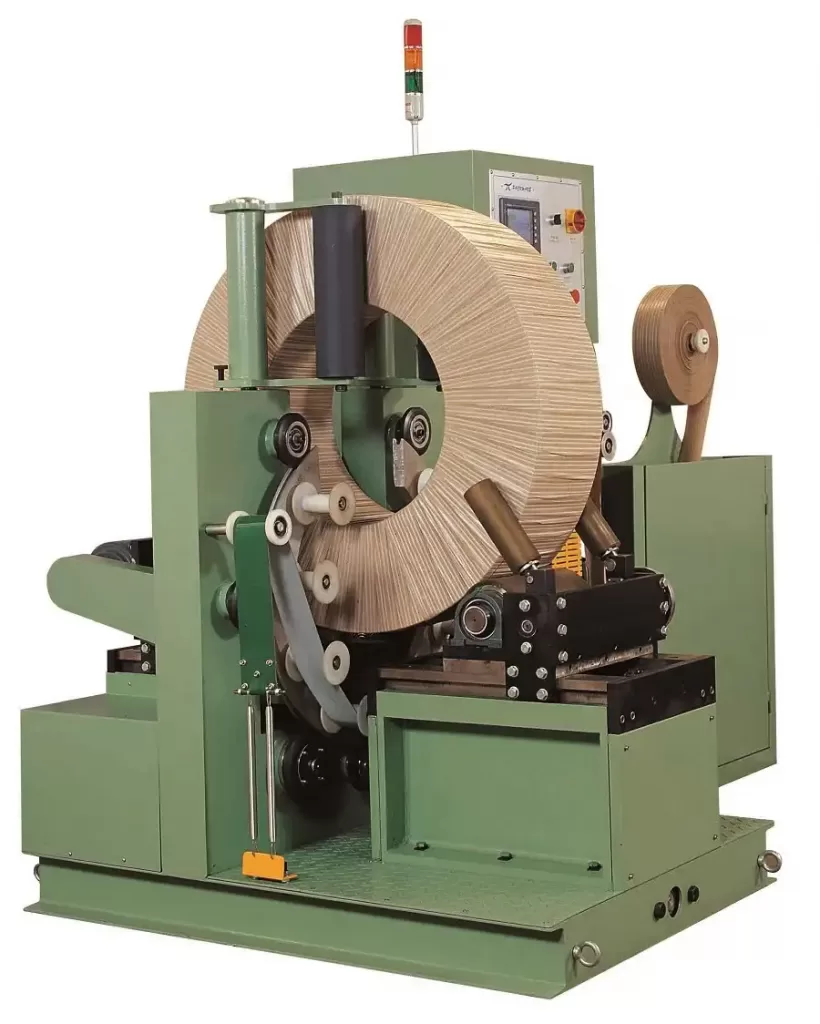
But what are the specific solutions for each? And how can you optimize your protection strategy for both inner and outer edges? Let’s break down the options and find the best approach for your needs.
Diving Deeper into Inner Steel Coil Edge Protection
Protecting the inner diameter, or “eye,” of a steel coil is often overlooked, yet it’s critically important. Damage to the inner edge can lead to telescoping, coil collapse, and difficulties in unwinding the coil for processing. Effective inner edge protection maintains the coil’s structural integrity from the inside out.
Types of Inner Steel Coil Protectors and Machines
Several types of inner protectors and application methods are available, ranging from manual to fully automated. Choosing the right solution depends on your production volume, coil size, and desired level of automation.
- Semi-Automatic Inner Protector Machines: These machines assist in applying pre-formed inner protectors. They often involve manual feeding of the protector but automate the wrapping and securing process. This offers a balance between automation and cost-effectiveness for medium-volume production.
- Heavy-Duty Inner Protectors and Machines: For heavier coils or more demanding shipping conditions, heavy-duty protectors and specialized machines are necessary. These machines are built to handle thicker, more robust protective materials and apply them securely to the inner coil diameter.
- Manual Application: For low-volume or irregular coil sizes, manual application of inner protectors is still a viable option. This typically involves using cardboard or plastic rings or segments that are manually placed and secured within the coil eye.
Comparing Inner Steel Coil Protection Methods
To better understand the differences, let’s compare the various methods:
| Feature | Semi-Automatic Inner Protector | Heavy-Duty Inner Protector | Manual Application |
|---|---|---|---|
| Automation Level | Medium | Medium-High | Low |
| Production Volume | Medium | Medium-High | Low |
| Protection Level | Medium | High | Low-Medium |
| Cost | Moderate | Higher | Lower |
| Labor Requirement | Moderate | Lower | Higher |
| Coil Size Flexibility | Good | Good | Excellent |
| Best Suited For | Medium production, standard coils | Heavy coils, demanding conditions | Low volume, varied sizes |
As you can see, the ideal method depends heavily on your specific operational needs and priorities.
Outer Steel Coil Edge Protection: Shielding the Circumference
The outer edge of a steel coil is constantly exposed to handling stresses, strapping pressure, and potential impacts during transit. Effective outer edge protection is essential to prevent dents, scratches, and edge deformation that can compromise the coil’s surface quality and usability.
Outer steel coil edge protection typically involves wrapping protective strips or boards around the coil’s circumference. These protectors distribute pressure, cushion impacts, and create a barrier against abrasion, ensuring the outer edges remain undamaged during handling and shipping.
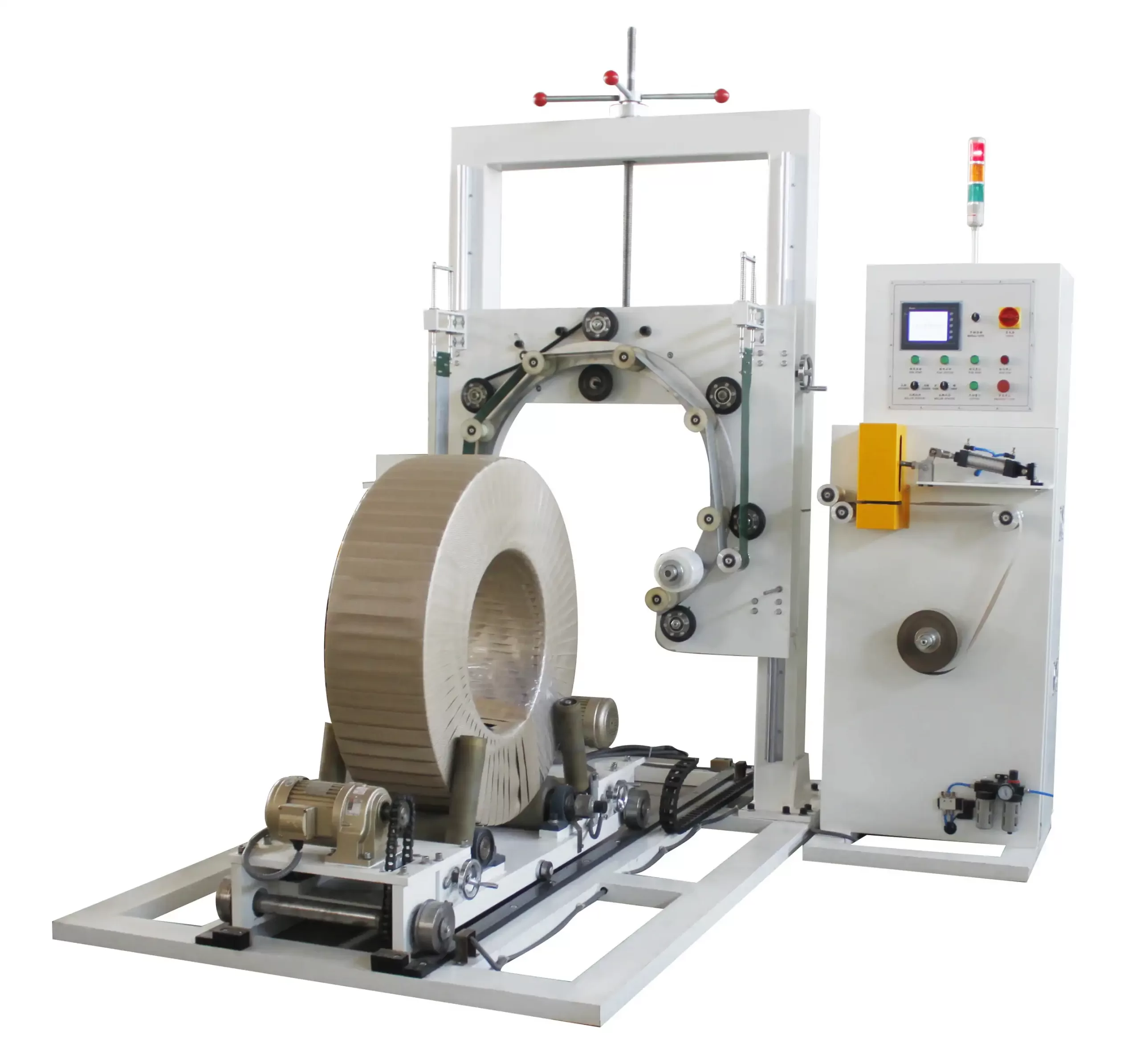
Choosing the right outer protection method and materials is crucial for maintaining the pristine condition of your steel coils.
Exploring Outer Steel Coil Protection Solutions
Just like inner protection, outer coil edge protection offers a range of solutions to suit different needs and production scales.
- Semi-Automatic Outer Protector Machines: These machines streamline the application of outer edge protectors. They often automate the wrapping and securing of pre-cut protective strips around the coil’s outer circumference, increasing efficiency and consistency compared to manual methods.
- Heavy-Duty Outer Protectors and Machines: For heavy gauge steel coils or rough handling environments, heavy-duty outer protectors and machines are designed to provide enhanced protection. These machines can handle thicker, more rigid protective materials and apply them with greater force to ensure secure and robust edge protection.
Selecting the Right Outer Protection Approach
The selection of outer edge protection should consider factors like coil weight, material thickness, shipping distance, and handling conditions. For lighter coils and less demanding transport, standard semi-automatic machines and cardboard or lighter plastic protectors may suffice. However, for heavy coils and challenging environments, investing in heavy-duty solutions is often a wise choice to minimize damage and ensure product integrity.
Automatic Steel Coil Edge Protector Machines: The Future of Efficiency
Manual and semi-automatic methods, while functional, can be labor-intensive and may lack the speed and consistency required for high-volume steel coil production. Automatic steel coil edge protector machines represent a significant leap forward in efficiency and automation.
Automatic steel coil edge protector machines fully automate the process of applying edge protection to steel coils. These systems integrate feeding, cutting, forming, and securing of protective materials, significantly increasing production speed, reducing labor costs, and ensuring consistent, high-quality edge protection for every coil.
The benefits of automation extend beyond just speed and labor savings.
Advantages of Automatic Edge Protector Machines
Automatic machines offer a compelling set of advantages for steel coil edge protection:
- Increased Production Speed: Automation dramatically increases the speed of edge protection application, allowing for higher throughput and faster order fulfillment.
- Reduced Labor Costs: By automating the process, the need for manual labor is significantly reduced, leading to substantial cost savings over time.
- Consistent Quality: Automatic machines ensure consistent and precise application of edge protectors, minimizing variability and maximizing protection effectiveness.
- Improved Safety: Automating repetitive and physically demanding tasks improves workplace safety and reduces the risk of worker injury.
- Material Optimization: Automated systems can be programmed to optimize material usage, reducing waste and lowering overall packaging costs.
Automatic vs. Semi-Automatic Edge Protector Machines: A Detailed Comparison
| Feature | Automatic Edge Protector Machine | Semi-Automatic Edge Protector Machine |
|---|---|---|
| Automation Level | High | Medium |
| Production Speed | Very High | Medium |
| Labor Requirement | Very Low | Moderate |
| Consistency | Excellent | Good |
| Initial Investment | High | Moderate |
| Long-Term Cost | Lower (due to labor savings) | Moderate |
| Complexity | Higher | Lower |
| Best Suited For | High-volume production | Medium-volume production |
| Operational Expertise | More specialized training required | Less specialized training required |
| Material Efficiency | Optimized | Less optimized |
Choosing between automatic and semi-automatic machines is a strategic decision based on production volume, budget, and long-term operational goals. For high-volume operations seeking maximum efficiency and consistency, automatic systems are often the ideal choice. For medium-volume producers, semi-automatic solutions can provide a cost-effective balance of automation and manual operation.
Materials for Steel Coil Edge Protection: Choosing the Right Fit
The effectiveness of steel coil edge protection is not only determined by the application method but also significantly influenced by the materials used for the protectors themselves. Selecting the appropriate material is crucial for achieving optimal protection at a reasonable cost. Common materials include cardboard, plastic, and steel, each offering distinct advantages and disadvantages.
Material Options and Considerations
- Cardboard Edge Protectors: Cardboard is a cost-effective and readily recyclable material commonly used for edge protection. It provides cushioning and distributes pressure effectively for lighter to medium-weight coils and less demanding shipping conditions. However, cardboard is susceptible to moisture damage and may not be suitable for heavy-duty applications or prolonged outdoor exposure.
- Plastic Edge Protectors: Plastic edge protectors offer improved moisture resistance and durability compared to cardboard. They are available in various grades and thicknesses, providing a wider range of protection levels. Recycled plastic options, like Lamiedge mentioned in the provided text, offer a sustainable alternative. Plastic protectors are suitable for medium to heavy-weight coils and offer good resistance to environmental factors.
- Steel Edge Protectors: Steel edge protectors provide the highest level of protection for heavy and extremely heavy steel coils. They are exceptionally strong and durable, offering superior resistance to impact, pressure, and abrasion. Steel protectors are ideal for the most demanding shipping and handling conditions but are also the most expensive and least recyclable option among the three.
Selecting the Right Material
The choice of material should be based on a comprehensive assessment of your specific needs:
- Coil Weight and Gauge: Heavier coils and thicker gauge steel require stronger protectors, potentially necessitating plastic or steel. Lighter coils may be adequately protected by cardboard.
- Shipping Distance and Conditions: Long-distance shipping or exposure to harsh weather conditions may warrant more durable and weather-resistant materials like plastic or steel.
- Budget: Cardboard is the most economical option, followed by plastic, and then steel. Balance protection needs with cost considerations.
- Sustainability Goals: If recyclability is a priority, cardboard and recycled plastic options are preferable.
By carefully considering these factors, you can select the optimal material for your steel coil edge protection, ensuring cost-effectiveness and maximum product protection. For efficient application of these edge protectors, consider exploring steel coil packing solutions.
Conclusion
Protecting steel coil edges is paramount for maintaining product quality, reducing damage-related losses, and ensuring customer satisfaction. From understanding the importance of both inner and outer protection to exploring various machine types and material options, this guide has provided a comprehensive overview of steel coil edge protection strategies. By carefully evaluating your specific needs and choosing the right methods and materials, you can effectively safeguard your steel coils throughout the supply chain, contributing to a more efficient and profitable operation.








