

How to do PVC pipe number counting for bundle making
Ensuring accurate PVC pipe counting is crucial for efficient bundle making. This process streamlines production, reduces errors, and optimizes material usage. Mastering this technique is essential for businesses aiming to improve their operational workflow and minimize waste.

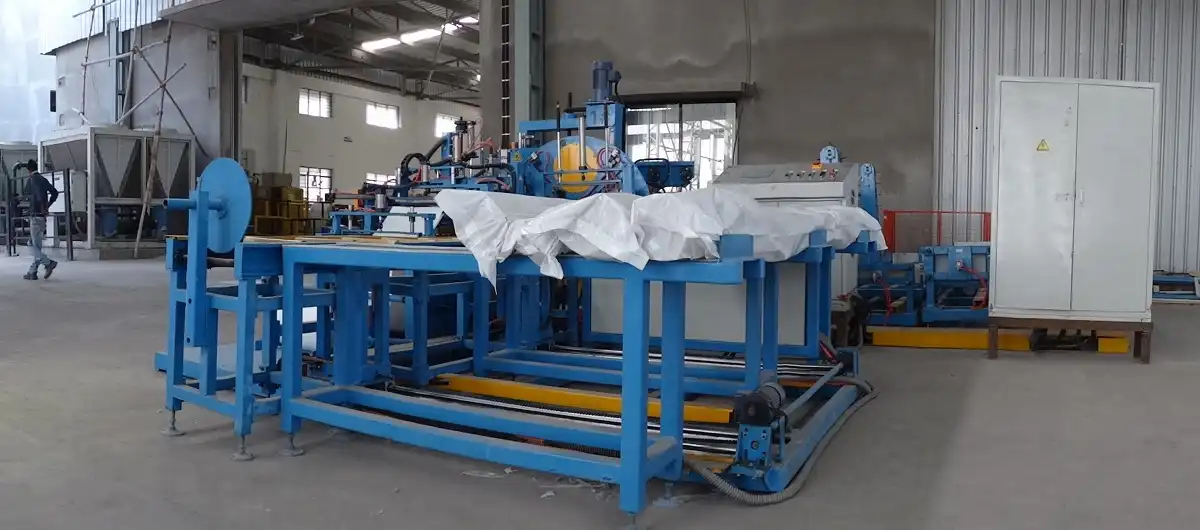
Accurate PVC pipe counting for bundle making involves using automated systems equipped with sensors and programmable logic controllers (PLCs). These systems ensure the correct number of pipes are gathered, aligned, and bundled, significantly improving efficiency and reducing manual errors in the PVC pipe packing process.
Want to delve deeper into the world of PVC pipe bundling? This guide breaks down the essentials of precise pipe counting and efficient bundle creation. Discover the tools, techniques, and best practices to streamline your operations and achieve consistent, high-quality results. Let’s explore!
1: The Importance of Accurate Pipe Counting in Bundling
Accurate pipe counting forms the bedrock of efficient and cost-effective PVC pipe bundling. Inaccurate counts can lead to material wastage, production delays, and ultimately, reduced profitability. Implementing reliable counting methods is therefore a critical step in optimizing the entire bundling process.
Accurate pipe counting in PVC bundling is paramount because it directly impacts material usage, bundle consistency, and overall production efficiency. Precise counts minimize waste, ensure each bundle meets exact specifications, and streamline downstream processes, leading to significant cost savings and improved quality control.

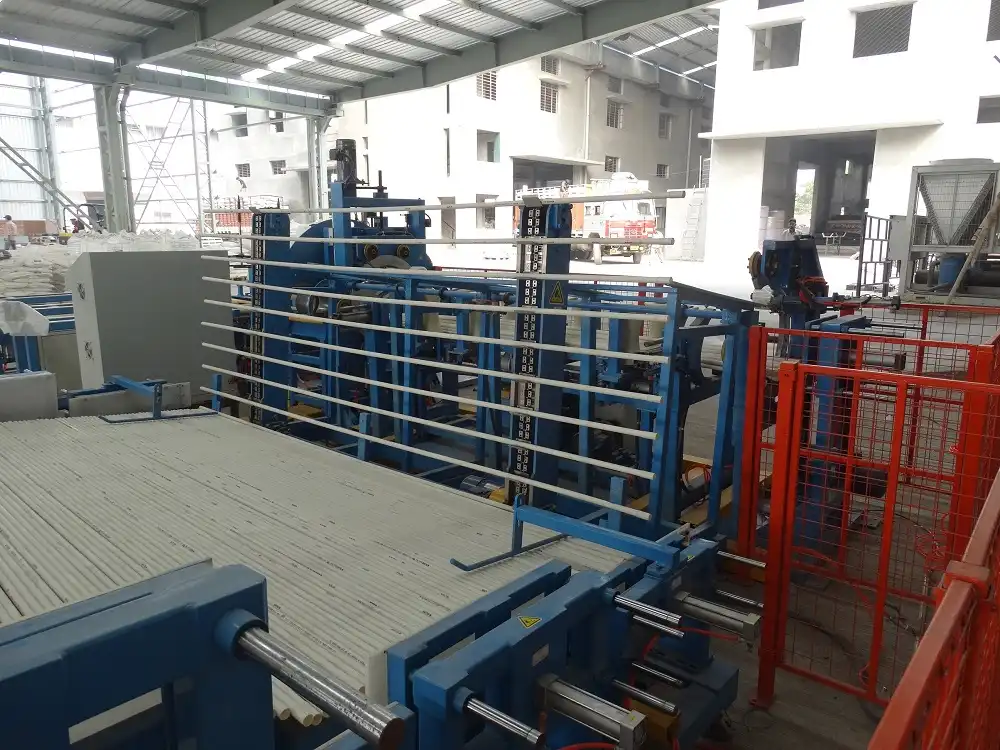
Automating the Counting Process: A Detailed Look
The transition from manual counting to automated systems marks a significant leap in efficiency and accuracy. Automated systems leverage sensors, PLCs, and sophisticated software to achieve precise pipe counts, eliminating human error and accelerating the bundling process. However, not all automation solutions are created equal.
Types of Automated Counting Systems
Several types of automated counting systems are available, each with its own strengths and weaknesses. These include:
- Optical Sensors: These systems use light beams to detect the presence of pipes.
- Laser Scanners: More precise than optical sensors, laser scanners can accurately measure pipe diameters and spacing.
- Weight-Based Systems: These systems estimate the number of pipes based on the total weight of the bundle.
- Vision Systems: Utilizing cameras and image processing algorithms, vision systems offer the highest level of accuracy and flexibility.
System Comparison: Accuracy, Speed, and Cost
To make an informed decision, consider the following comparative analysis:
| System Type | Accuracy | Speed | Cost | Advantages | Disadvantages |
|---|---|---|---|---|---|
| Optical Sensors | Medium | High | Low | Simple, fast, and relatively inexpensive. | Susceptible to dust and variations in pipe surface. |
| Laser Scanners | High | Medium | Medium | Accurate and reliable, even with varying pipe diameters. | More expensive than optical sensors. |
| Weight-Based | Low | High | Low | Simple and quick to implement. | Inaccurate with variations in pipe density or moisture content. |
| Vision Systems | Very High | Medium | High | Extremely accurate, adaptable to different pipe sizes and shapes. | Most expensive and requires complex programming. |
Factors Influencing System Selection
Choosing the right system depends on several factors, including:
- Budget: The initial investment and ongoing maintenance costs.
- Production Volume: The number of bundles produced per day.
- Accuracy Requirements: The level of precision needed for each bundle.
- Pipe Characteristics: The diameter, length, and surface condition of the pipes.
By carefully evaluating these factors, businesses can select an automated counting system that meets their specific needs and maximizes their return on investment. A well-chosen system will not only improve accuracy but also streamline the entire [bundling machine] process, leading to greater efficiency and profitability.
2: Step-by-Step Guide to Manual Pipe Counting Techniques
While automation offers significant advantages, manual pipe counting remains relevant, especially in smaller operations or when dealing with unusual pipe sizes. Mastering manual techniques can provide a valuable fallback option and ensure accurate counts even in the absence of sophisticated equipment.
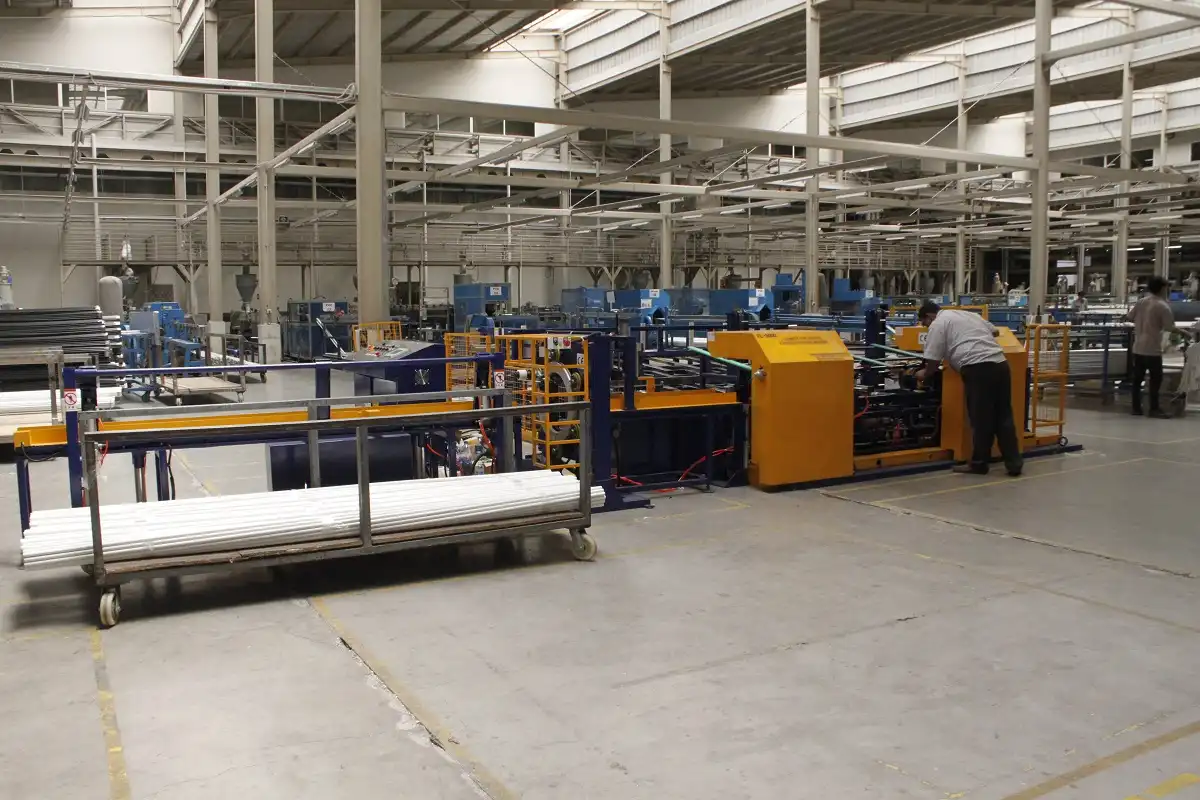
Manual pipe counting involves carefully arranging pipes in layers and visually confirming the number in each layer before bundling. This method requires meticulous attention to detail and a systematic approach to minimize errors and ensure consistent bundle sizes.

Optimizing Manual Counting: Best Practices and Considerations
Manual counting can be surprisingly accurate when performed with diligence and adherence to established best practices. These practices minimize errors and improve the overall efficiency of the counting process.
Essential Tools for Manual Counting
While manual counting relies primarily on human observation, certain tools can significantly enhance accuracy and speed:
- Counting Sticks: Marked with increments corresponding to pipe diameters, these sticks help quickly estimate the number of pipes in a layer.
- Templates: Pre-cut templates matching the desired bundle size provide a visual guide for arranging pipes.
- Recording Sheets: These sheets allow workers to systematically track the number of pipes in each bundle.
Implementing a Standardized Counting Procedure
A well-defined procedure ensures consistency and reduces the likelihood of errors:
- Prepare the Workspace: Clear the area and ensure adequate lighting.
- Arrange the Pipes: Stack the pipes in neat, even layers.
- Count Each Layer: Use counting sticks or templates to verify the number of pipes in each layer.
- Record the Count: Document the total number of pipes on a recording sheet.
- Double-Check: Have a second worker verify the count before bundling.
Addressing Common Challenges in Manual Counting
Despite best efforts, manual counting can be prone to certain challenges:
- Fatigue: Prolonged counting can lead to decreased attention and increased error rates. Implement regular breaks to maintain focus.
- Variations in Pipe Size: Minor differences in pipe diameter can affect bundle size. Use averaging techniques to compensate for these variations.
- Inconsistent Stacking: Uneven layers can distort the count. Ensure pipes are stacked uniformly and tightly packed.
By implementing these best practices and addressing potential challenges, businesses can significantly improve the accuracy and efficiency of manual pipe counting, even without relying on automated systems. This ensures consistent bundle sizes and minimizes material wastage.
3: Integrating Counting with Automatic Bundling Systems
The pinnacle of efficiency is achieved by seamlessly integrating accurate pipe counting with automatic bundling systems. This combination leverages the precision of automated counting with the speed and consistency of automatic bundling, creating a highly streamlined and cost-effective process.
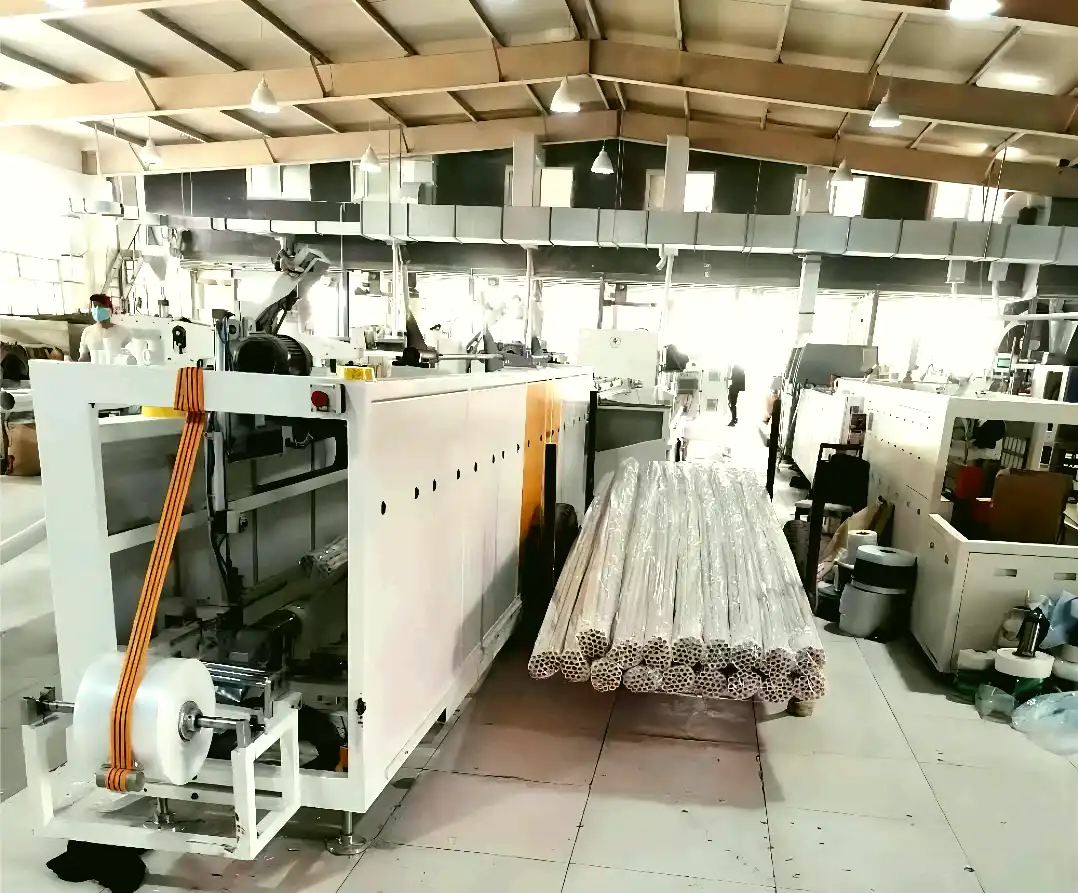
Integrating pipe counting with automatic bundling systems involves using sensors and PLCs to feed pipes into a bundling machine once the desired count is reached. This automation minimizes manual handling, ensures consistent bundle sizes, and significantly increases production speed and efficiency.

Optimizing the Integrated System: Key Considerations
Achieving seamless integration requires careful planning and attention to detail. Several factors must be considered to maximize the performance of the combined counting and bundling system.
Synchronization of Counting and Bundling
The counting and bundling processes must be perfectly synchronized to avoid bottlenecks and ensure a continuous flow of materials. This requires:
- Precise Timing: The counting system must accurately detect when the desired number of pipes has been reached and trigger the bundling process immediately.
- Communication Protocols: The counting system and bundling machine must communicate effectively using standardized protocols.
- Buffer Zones: Implementing buffer zones between the two processes can help absorb minor fluctuations in speed and prevent delays.
Data Collection and Analysis
Integrated systems offer the opportunity to collect valuable data about the bundling process, including:
- Cycle Times: The time it takes to complete each bundling cycle.
- Error Rates: The frequency of counting errors.
- Material Usage: The amount of PVC pipe used per bundle.
Analyzing this data can identify areas for improvement and optimize the overall efficiency of the system.
Maintenance and Troubleshooting
Regular maintenance is crucial to ensure the continued performance of the integrated system. This includes:
- Sensor Calibration: Ensuring the sensors are accurately detecting the presence of pipes.
- Mechanical Inspection: Checking the bundling machine for wear and tear.
- Software Updates: Installing the latest software updates to improve performance and reliability.
By carefully synchronizing the counting and bundling processes, collecting and analyzing data, and performing regular maintenance, businesses can maximize the benefits of an integrated system and achieve significant improvements in efficiency and cost savings.
4: The Future of Pipe Counting and Bundling Technology
The field of pipe counting and bundling is constantly evolving, with new technologies emerging to further improve accuracy, efficiency, and automation. Staying abreast of these advancements is essential for businesses seeking to maintain a competitive edge.
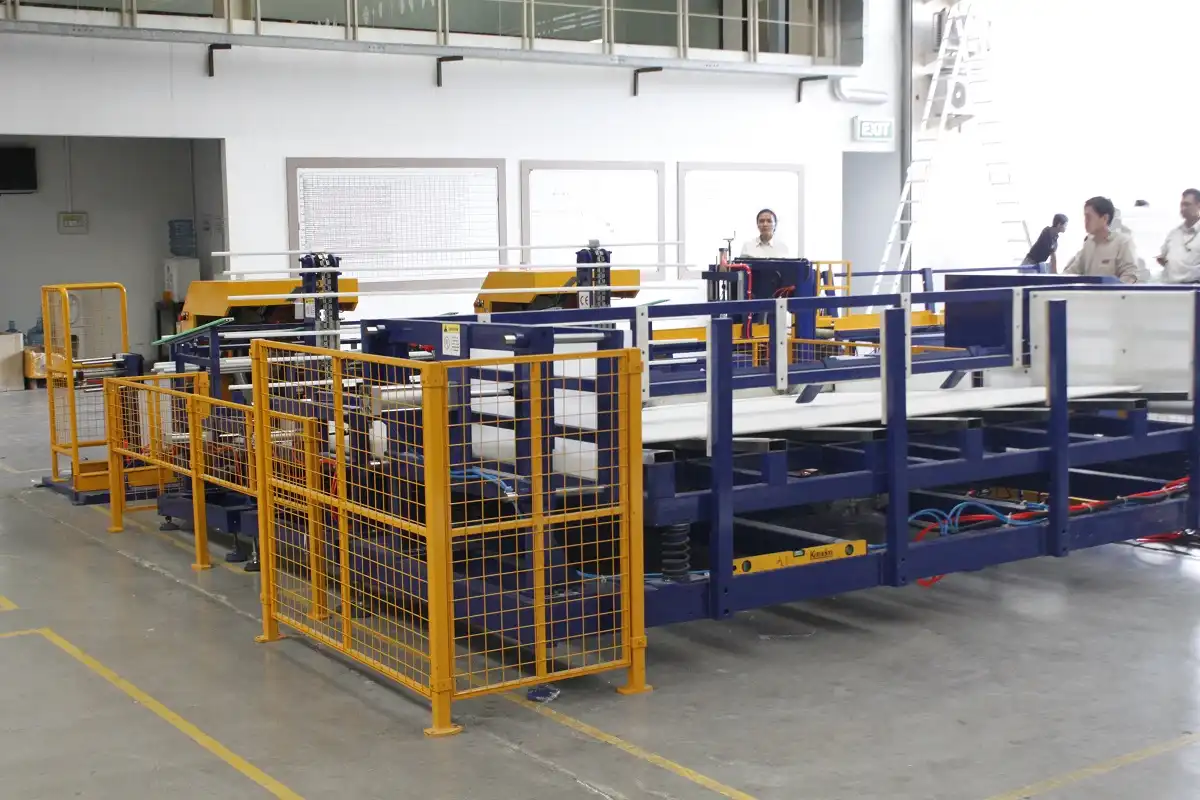
The future of pipe counting and bundling lies in advanced sensor technology, AI-powered vision systems, and fully automated, self-adjusting bundling machines. These innovations promise greater accuracy, reduced labor costs, and the ability to handle a wider range of pipe sizes and materials.
Emerging technologies are set to revolutionize pipe counting and bundling, optimizing processes for maximum efficiency and accuracy. These advancements promise to streamline operations, reduce waste, and ultimately enhance profitability. Staying informed about these developments is crucial for businesses aiming to stay ahead in the industry.
Conclusion
Accurate PVC pipe number counting is the linchpin of efficient bundle making. Whether you choose manual methods, automated systems, or integrated solutions, the key is precision and consistency. By implementing the right techniques and technologies, businesses can minimize waste, optimize production, and ensure the delivery of high-quality pipe bundles. Embracing advancements and adapting to industry best practices will pave the way for streamlined operations and enhanced profitability in the dynamic world of PVC pipe manufacturing.












