

How to Do Pipe Number Counting Automatically for Making a PVC Pipe Bundle
Automatically counting pipes is crucial for efficient PVC pipe bundle creation, minimizing errors, and speeding up the production process. This automated system relies on sensors and intelligent programming to accurately count pipes.

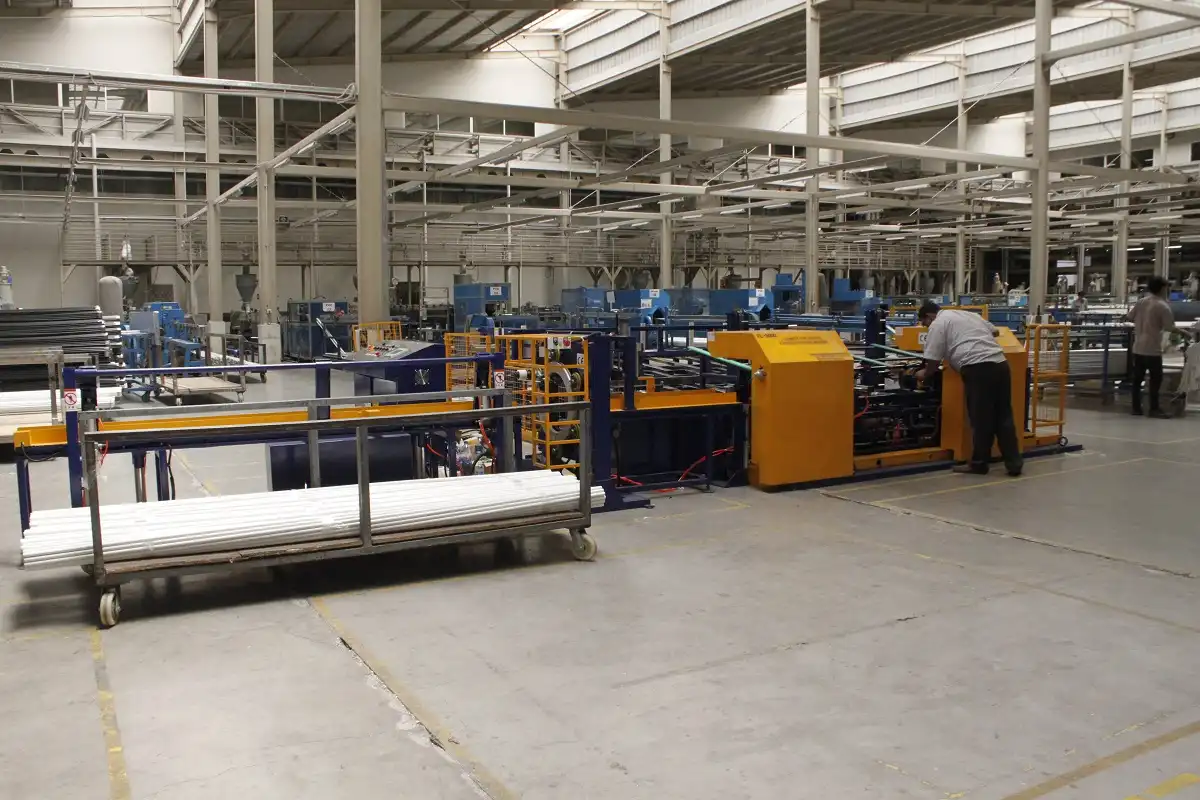
Automated pipe number counting systems employ sensors and programmed logic to ensure the correct number of pipes are bundled. This technology eliminates manual counting errors, increases production speed, and ensures consistent bundle sizes. It significantly improves efficiency and reduces labor costs associated with manual processes.
Manually counting pipes is time-consuming and prone to errors. Investing in an automated system will improve efficiency and accuracy, while also reducing costs in the long run. Let’s delve deeper into how you can make pipe number counting automatic!
1: The Core of Automation: Computer Vision and AI for Pipe Counting
Implementing computer vision and AI revolutionizes the pipe counting process, bringing unparalleled precision and efficiency. By integrating these technologies, we move away from manual counting, minimizing human error.
Computer vision and AI provide an accurate and efficient way to automate pipe number counting. A camera captures images, and advanced AI algorithms process these images to accurately count the number of pipes. The system ensures that the correct number of pipes are bundled for packaging, reducing errors and improving productivity. This process is particularly useful in industries dealing with high volumes of pipes.

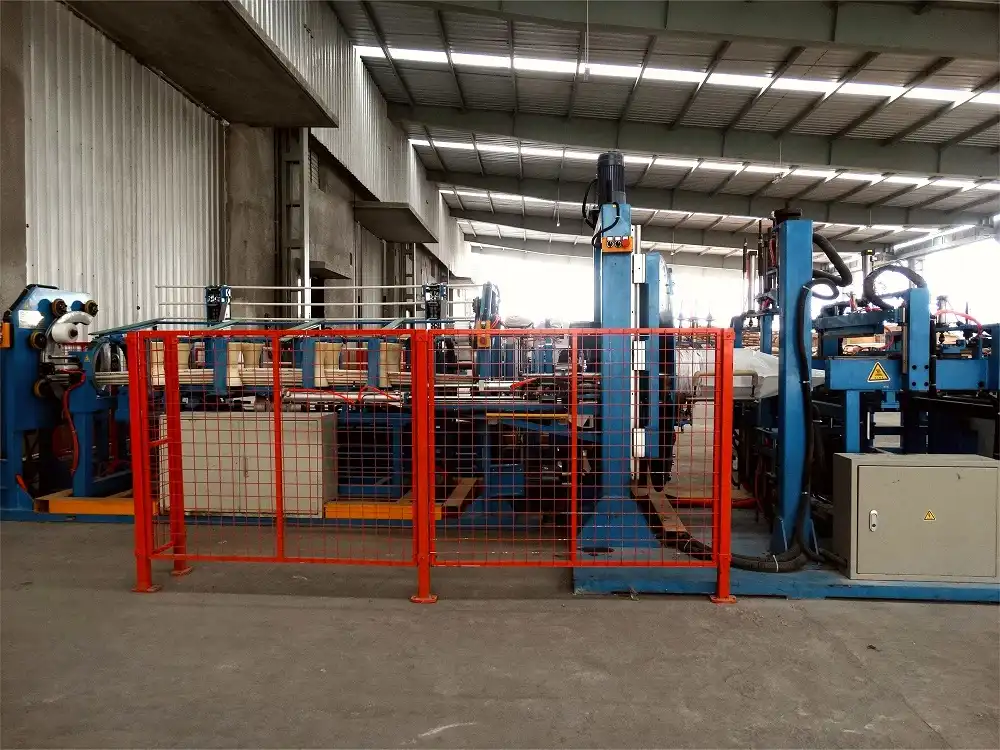
Manual Counting vs. AI-Driven Automated Counting: A Detailed Comparison
Switching to an AI-driven pipe number counting system involves assessing several factors. Here’s a structured comparison to understand the benefits better:
| Criteria | Manual Counting | AI-Driven Automated Counting |
|---|---|---|
| Accuracy | Prone to human errors | Highly accurate |
| Efficiency | Low | High |
| Time Consumption | High | Low |
| Error Rate | High | Minimal |
| Cost Effectiveness | Costly due to labor | Cost-effective in the long run |
| Scalability | Limited | Easily scalable |
| Labor Intensity | High | Low |
| Real-time Monitoring | Not possible | Possible |
| Data Analytics | None | Advanced insights and analytics |
Benefits of AI Driven Pipe Counting
The data clearly illustrates the advantages of AI-driven automated counting. Some key benefits are:
- Improved Accuracy: AI systems drastically reduce human errors, providing reliable counts.
- Enhanced Efficiency: Automation streamlines the entire process, increasing throughput.
- Time Savings: The system completes tasks much faster, freeing up valuable labor time.
- Reduced Error Rate: The minimal error rate ensures consistent and accurate bundling.
- Cost Effectiveness: Despite the initial investment, the system is cost-effective in the long run by reducing labor and waste.
- Scalability: AI systems easily scale to accommodate larger operations and increased demand.
- Reduced Labor Intensity: Less manual labor is required, freeing up workers for other tasks.
- Real-time Monitoring: Continuous, real-time monitoring allows for immediate adjustments and quality control.
- Advanced Data Analytics: Detailed insights and analytics provide valuable information for process optimization.
Pipe Nesting and Telescopic Pipe Counting
One of the challenges manufacturers face is counting nested pipes. Our advanced AI algorithms can accurately identify and count nested pipes. With proper lighting conditions, the camera captures images or videos of the pipes, and the AI technology accurately identifies and counts them, providing precise inventory data.
2: Integrating Sensors for Seamless Pipe In-feed
Implementing sensors in the pipe in-feed system enhances the efficiency and accuracy of the automated process. These sensors play a crucial role in detecting, positioning, and ensuring a smooth flow of pipes into the bundling machine.
Sensors are integrated into the pipe in-feed system for accurate detection and positioning. These sensors ensure the proper flow of pipes into the bundling machine, minimizing jams and ensuring the reliable performance of the automated process. Sensor placement and sensitivity are critical for optimal performance and reliable in-feed.

Technical Data of Pipe Counting Sensor
a) Control by PLC program.
b) Sensor for positioning and detecting.
c) It is adjustable per pipe size.
d) Precise pipe counting and feeding system.
e) Buffer zone for more pipe feeding.
3: Programming the Logic: PLC Control and HMI Integration
Effective programming is the backbone of automated pipe bundling. Programmable Logic Controllers (PLCs) and Human-Machine Interfaces (HMIs) are pivotal in controlling and monitoring the entire process.
PLC control systems are used to program the automated pipe bundling process. They are essential for the proper functioning of the entire bundling process. The PLC is the brain of the system. It ensures that the machines run smoothly and correctly. HMI facilitates the operation and monitoring.
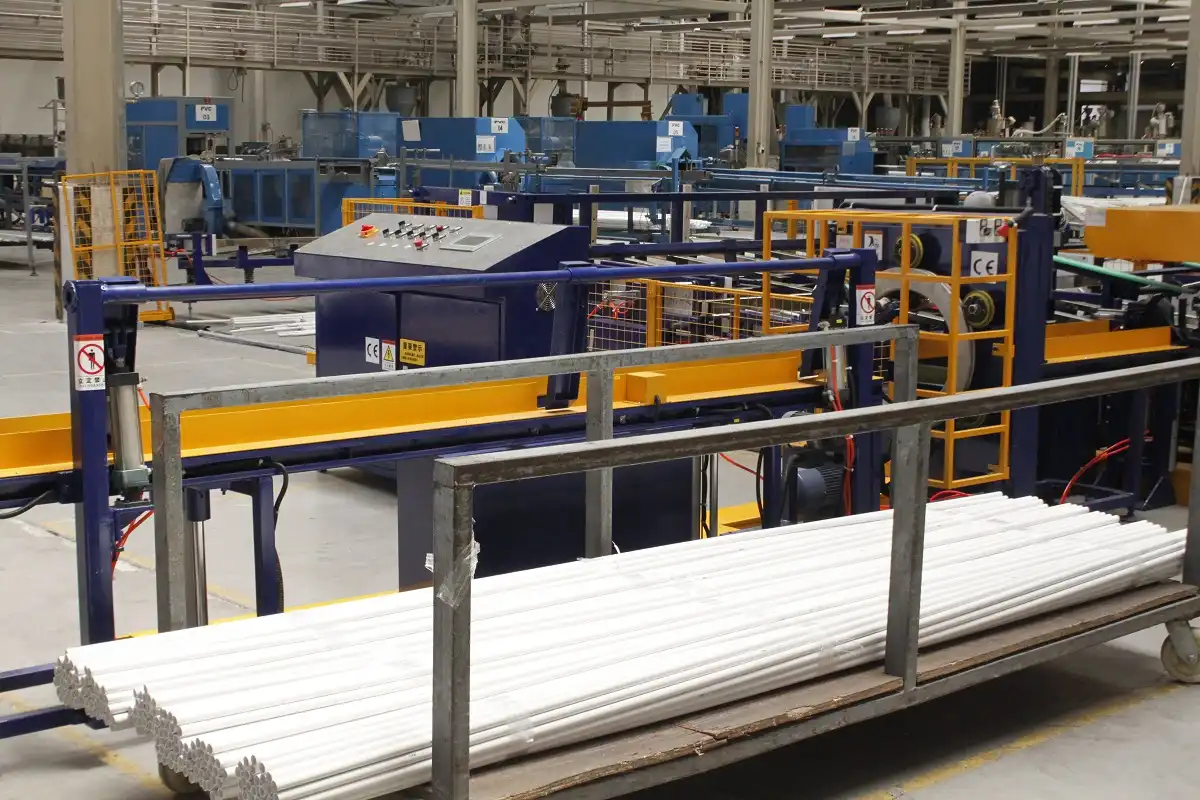
Understanding PLC and HMI Integration
Here’s a breakdown of how PLCs and HMIs contribute to efficient automation:
| Feature | PLC (Programmable Logic Controller) | HMI (Human-Machine Interface) |
|---|---|---|
| Functionality | Controls and automates the bundling process | Provides a user interface for monitoring and controlling the system |
| Programming | Programmed with specific logic for pipe counting and bundling | Displays real-time data, allows parameter adjustments, and shows diagnostics |
| Key Components | Input modules, output modules, processor, power supply | Touchscreen display, buttons, indicators, and communication interfaces |
| Benefits | Precision control, high reliability, and adaptability to different tasks | Real-time monitoring, easy operation, and quick troubleshooting |
| Example Operations | Counting pipes, controlling conveyor speed, activating strapping machines | Displaying pipe count, setting bundle size, and showing error messages |
Customizing the Program for Specific Needs
The PLC program can be customized to meet the specific needs of different pipe sizes and bundling configurations. This flexibility ensures the machine can handle a wide range of products.
4: Automating the PVC Pipe Bundling Machine
Automating the PVC pipe bundling process boosts efficiency, reduces manual labor, and ensures consistent quality in pipe packaging. By integrating pipe counting, aligning, strapping, and conveying systems, manufacturers can streamline their operations and minimize costs.

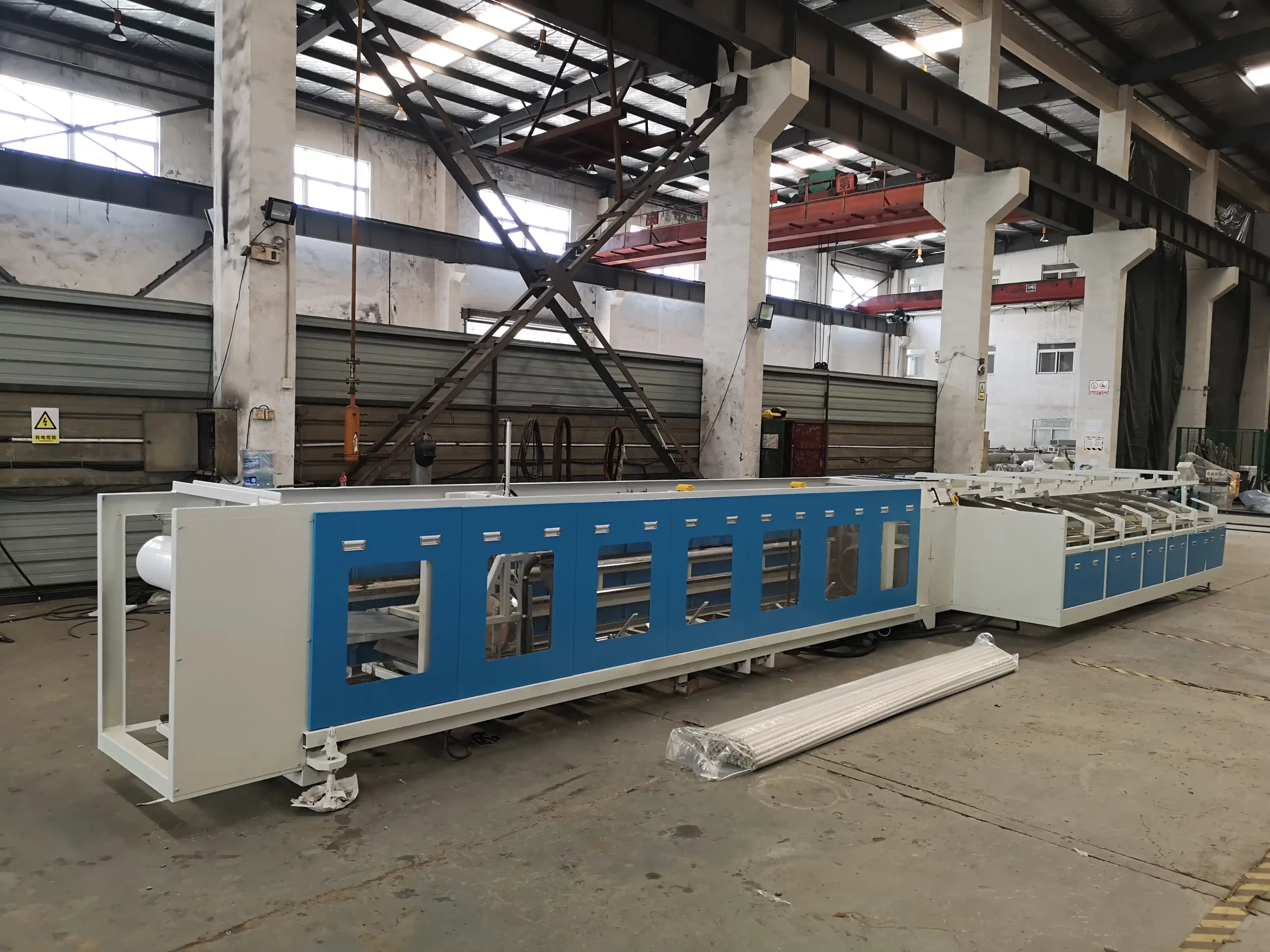
The Automatic plastic pipe bundling, strapping and packing machine integrates pipe counting, aligning, strapping, conveying, and ejection systems, It is able to design according your packing requirement. It is a set of efficient, convenient and safe wrapping machinery for pipe, pipe bundle packaging.
Automating PVC pipe bundling streamlines the entire packaging process. By integrating pipe counting, aligning, strapping, and conveying systems, manufacturers can minimize labor costs and maximize operational efficiency. This reduces manual intervention and ensures uniform quality in pipe packaging. The flexibility and the automation makes this packaging a step above the rest.
Conclusion
Automating pipe number counting for PVC pipe bundles significantly enhances efficiency, accuracy, and cost-effectiveness. By integrating computer vision, AI, sensors, and PLC programming, manufacturers can streamline their production processes, reduce errors, and achieve consistent quality. Investing in these technologies provides a competitive edge and ensures long-term operational success.












