
Revolutionizing Steel Coil Handling: How to Bridge Data Sharing and Tracking Between Warehousing and Packing Lines
Are you tired of wrestling with inventory discrepancies, production bottlenecks, and the constant headache of lost or misplaced steel coils? Imagine a seamless flow of information, where your warehousing system and coil packing line communicate effortlessly, optimizing every step from storage to shipping. It’s not just a dream; it’s achievable with the right data sharing and tracking strategies.
Effective data sharing and tracking between your warehousing system and steel coil packing line involves integrating technologies like RFID, LDM, and WMS to ensure real-time visibility of coil location, status, and processing stage, thereby streamlining operations, minimizing errors, and maximizing efficiency. This integration creates a proactive system that reduces transactional costs, enhances productivity, and provides a permanent, accurate inventory.
Ready to leave behind the chaos of disconnected systems and step into a new era of streamlined steel coil handling? Let’s explore how to make this transformation a reality for your operations.
Leveling Up Efficiency: Tackling Data Silos in Steel Coil Warehousing and Packing
Are data silos crippling your steel coil operations? Imagine trying to assemble a puzzle when half the pieces are missing – that’s the daily reality when your warehousing and packing line data operate in isolation. Miscommunication, delays, and errors become inevitable, costing time and money.
Integrating data systems between warehousing and coil packing lines eliminates data silos, providing a unified view of inventory, location, and processing status. This real-time data flow empowers informed decision-making, optimizes material flow, and significantly boosts operational efficiency. By breaking down these silos, you create a cohesive and responsive system.

Diving Deeper: The Crippling Costs of Disconnected Data
Disconnected data between warehousing and packing lines in steel coil handling leads to a cascade of inefficiencies and increased costs. Let’s break down these issues and see how integration provides tangible improvements.
The Inventory Accuracy Abyss
Without integrated systems, inventory management becomes a guessing game. Warehousing operates on one set of data, while the packing line might have another, leading to discrepancies. Manual reconciliation is time-consuming, error-prone, and far from real-time.
Operational Inefficiency Amplified
Imagine a crane operator searching for a coil that’s already been processed but not updated in the warehousing system. Or a packing line waiting for coils that are physically available but not registered as ready for dispatch. These scenarios, common in disconnected environments, translate to wasted time, increased crane movements, and reduced throughput.
Data Silos: A Breeding Ground for Errors
When data is siloed, different departments operate with incomplete or outdated information. This lack of a single source of truth leads to errors in order fulfillment, shipping, and even production planning. Rework, delays, and customer dissatisfaction are the inevitable consequences.
To illustrate the stark contrast, consider the following comparison:
| Feature | Disconnected Systems | Integrated Systems (e.g., UBIx) | Improvement |
|---|---|---|---|
| Inventory Accuracy | Low, requires manual reconciliation | High, real-time updates | Significant reduction in discrepancies |
| Operational Efficiency | Low, delays due to information gaps | High, optimized material flow, proactive task management | Increased throughput, reduced crane movements |
| Error Rate | High, due to data inconsistencies and manual input | Low, automated data capture, single source of truth | Fewer errors in processing and shipping |
| Decision Making | Reactive, based on delayed information | Proactive, informed by real-time data | Better planning, faster response to issues |
The data clearly shows that moving from disconnected to integrated systems is not just an upgrade; it’s a fundamental shift towards efficiency, accuracy, and profitability in steel coil handling.
Achieving Real-Time Visibility: Leveraging Tracking Technologies for Steel Coils
Lost coils, phantom inventory, and endless searches – these are nightmares of steel coil warehousing. But what if you could pinpoint the exact location and status of every coil, in real time? Real-time tracking technologies are no longer a luxury; they are the backbone of efficient steel coil management.
Implementing real-time tracking technologies like RFID, Laser Distance Measurement (LDM), Real-Time Location Systems (RTLS), and WLAN provides unparalleled visibility into steel coil movement and location. This technology-driven approach minimizes manual intervention, eliminates data entry errors, and ensures continuous, accurate inventory management. Say goodbye to guesswork and hello to precision.
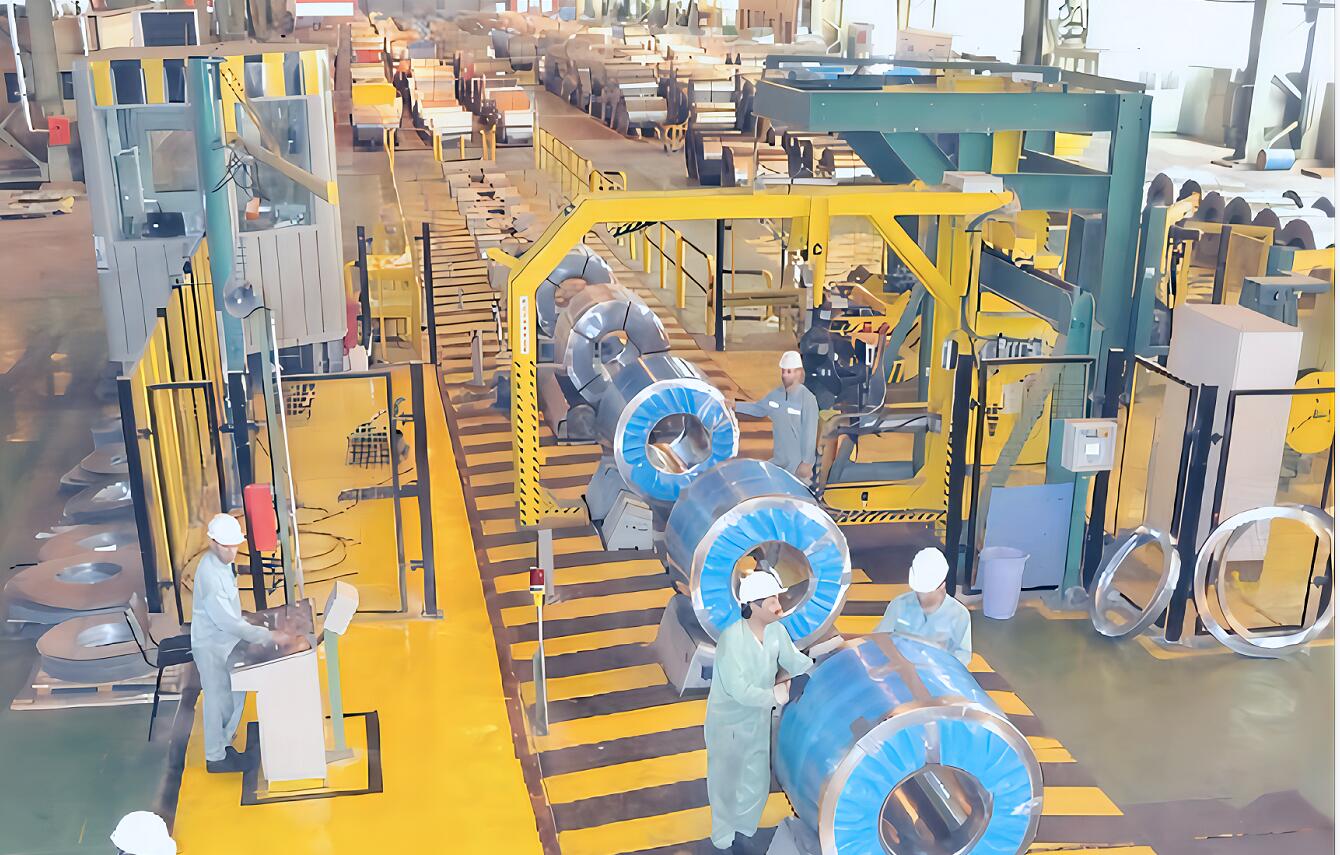
- Boosting Accuracy: Real-time tracking drastically reduces errors in coil identification and location, ensuring what you see in the system is exactly what’s in your warehouse.
- Reducing Operational Costs: By automating tracking, you minimize manual labor, eliminate time wasted searching for coils, and optimize crane and forklift movements.
- Enhancing Productivity: Real-time data enables proactive task management, faster retrieval and storage, and ultimately, increased throughput in your steel coil operations.
Seamless Data Flow: Connecting Warehousing and Packing Line Systems
Imagine a relay race where the baton is dropped between runners – that’s data transfer between disconnected warehousing and packing line systems. Bottlenecks, delays, and errors are inevitable. However, when these systems are seamlessly connected, data flows like a smooth, continuous stream, optimizing the entire process.
Establishing seamless data flow between warehousing and packing line systems involves integrating Warehouse Management Systems (WMS) with packing line controls through technologies like middleware, APIs, and network protocols. This integration ensures that information about coil status, location, and packing requirements is instantly and accurately shared, streamlining operations and minimizing manual intervention. This interconnectedness eliminates data silos and creates a truly responsive and efficient workflow.

Technical Deep Dive: Architecting Data Sharing for Steel Coil Lines
Creating effective data sharing between warehousing and packing lines requires careful consideration of the technical architecture. Let’s delve into the key components and technologies that enable this seamless flow of information.
Data Formats and Protocols
Standardized data formats are crucial for interoperability. Common formats like XML or JSON facilitate data exchange between different systems. Protocols like TCP/IP ensure reliable communication over networks. Consider using industry-standard formats for steel coil data to ensure compatibility with various systems.
Integration Methods: APIs and Middleware
-
APIs (Application Programming Interfaces): APIs allow direct communication between systems. WMS APIs can be used to push coil data to the packing line control system and vice versa. This method is efficient but requires custom development for each integration point.
-
Middleware: Middleware acts as a translator and intermediary between systems. It can handle data format conversions, protocol translations, and complex data routing. Middleware simplifies integration and reduces the need for point-to-point connections. UBIx’s Robot5 services, including
ubixQUE(data queue) andubixSRV(client/server service), exemplify a middleware approach for steel coil warehouse management.
System Architecture: Centralized vs. Distributed
-
Centralized Architecture: A central database and application server manage all data and processes for both warehousing and packing lines. This simplifies data management but can create a single point of failure.
-
Distributed Architecture: Each system (warehousing and packing line) has its own database and application, but they communicate and share data through APIs or middleware. This offers better scalability and fault tolerance but requires more complex integration. UBIx’s architecture, with local SQL servers at each coil center that synchronize with a group-level ERP and SQL system, represents a distributed approach that balances local responsiveness with centralized data visibility.
Choosing the right architecture and integration methods depends on factors like system complexity, data volume, and budget. However, the goal remains the same: to create a robust, reliable, and real-time data pipeline between your warehousing and coil packing operations.
| Feature | APIs (Point-to-Point) | Middleware (e.g., UBIx Robot5) |
|---|---|---|
| Integration Complexity | Higher, requires custom coding for each connection | Lower, middleware handles data translation and routing |
| Scalability | Can become complex to manage with many integrations | More scalable, middleware acts as a central integration hub |
| Flexibility | Less flexible, changes require modifications at each point | More flexible, middleware can adapt to changes in connected systems |
| Maintenance | More complex, troubleshooting individual connections | Simpler, middleware provides a central point for monitoring and management |
| Example in Steel Coil Context | Direct WMS API calls to packing line PLC | UBIx using ubixQUE and ubixSRV to manage data flow between WMS and equipment |
Implementing a Unified Data System: Key Considerations
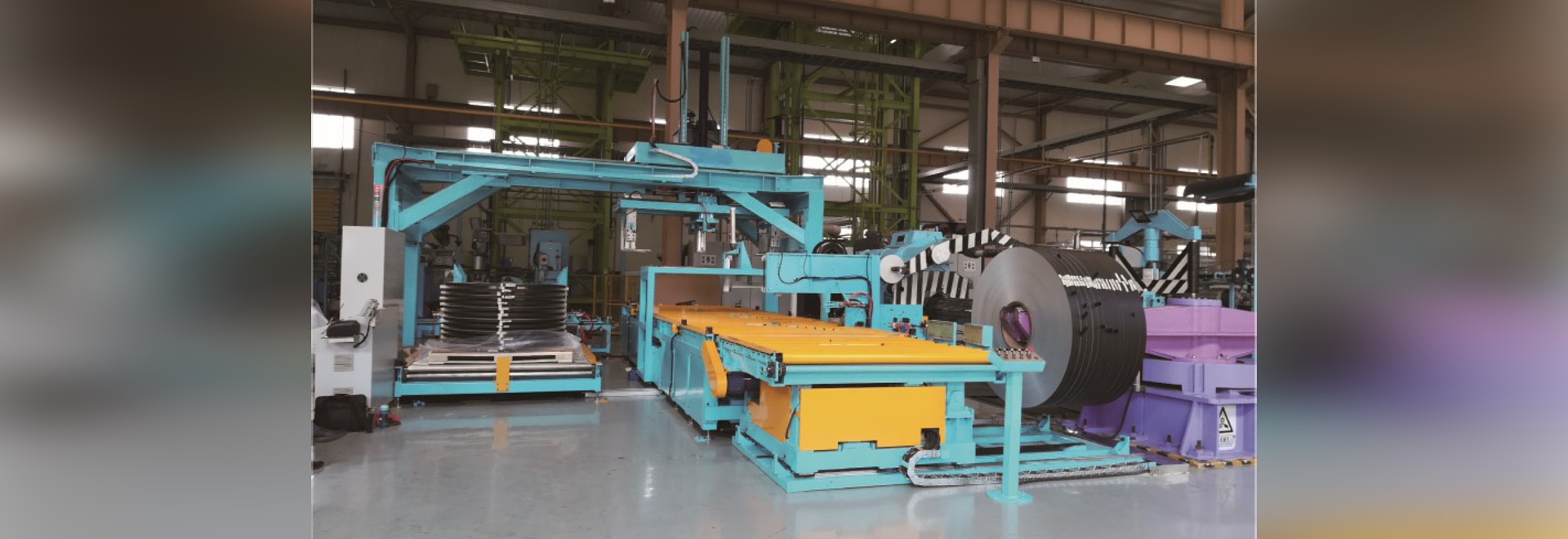
Implementing a unified data system for steel coil handling requires a phased approach, starting with a thorough assessment of current systems and processes. Key steps include defining data sharing requirements, selecting appropriate technologies (RFID, LDM, WMS, etc.), ensuring seamless system integration, providing comprehensive user training, and establishing ongoing system monitoring and support. This holistic approach ensures a successful transition and maximizes the benefits of data integration. Careful planning and execution are paramount for a smooth and effective implementation.
A successful implementation goes beyond just technology. It requires a commitment to change management, user training, and continuous improvement. By embracing a holistic approach, you can unlock the full potential of data sharing and tracking to transform your steel coil handling operations.
Conclusion
In conclusion, achieving seamless data sharing and tracking between warehousing systems and steel coil packing lines is not merely about adopting new technologies; it’s about fundamentally transforming your operational approach. By breaking down data silos, leveraging real-time tracking, and establishing robust data flow, you can unlock unprecedented levels of efficiency, accuracy, and productivity in your steel coil handling processes. Embrace the power of integrated data systems and revolutionize your operations today with coil packing line solutions.








