
How to do data receiving and sharing between the slitting line and coil packing line?
Are you grappling with production bottlenecks between your slitting and coil packing lines? Inefficient data exchange can lead to costly delays, errors, and reduced throughput. Imagine a seamless flow of information, synchronizing operations and maximizing your line’s potential.
Effective data receiving and sharing between slitting and coil packing lines is achieved through integrated control systems and communication protocols. This involves real-time data exchange on coil specifications, production status, and packaging requirements, ensuring a synchronized and efficient workflow. By implementing robust data communication, manufacturers can significantly enhance operational efficiency and reduce manual intervention.
This article delves into the critical aspects of data communication between slitting and coil packing lines, exploring how seamless information flow can revolutionize your metal processing operations for peak efficiency.
Level 1,2,3 control per requirement that connects the data base of the automation system.
Are you tired of manual data entry and the errors that come with it? Imagine a system where data flows automatically, eliminating paperwork and ensuring accuracy. Level 1, 2, and 3 control systems offer a tiered approach to automation, each playing a vital role in data integration.
Level 1, 2, and 3 control systems facilitate data integration in automated slitting and coil packing lines by establishing a hierarchical communication network. Level 1 provides basic sensor and actuator control, Level 2 offers supervisory control and monitoring, and Level 3 integrates with the plant-wide database for production planning and data analysis. This tiered system ensures seamless data flow and optimized operational control.
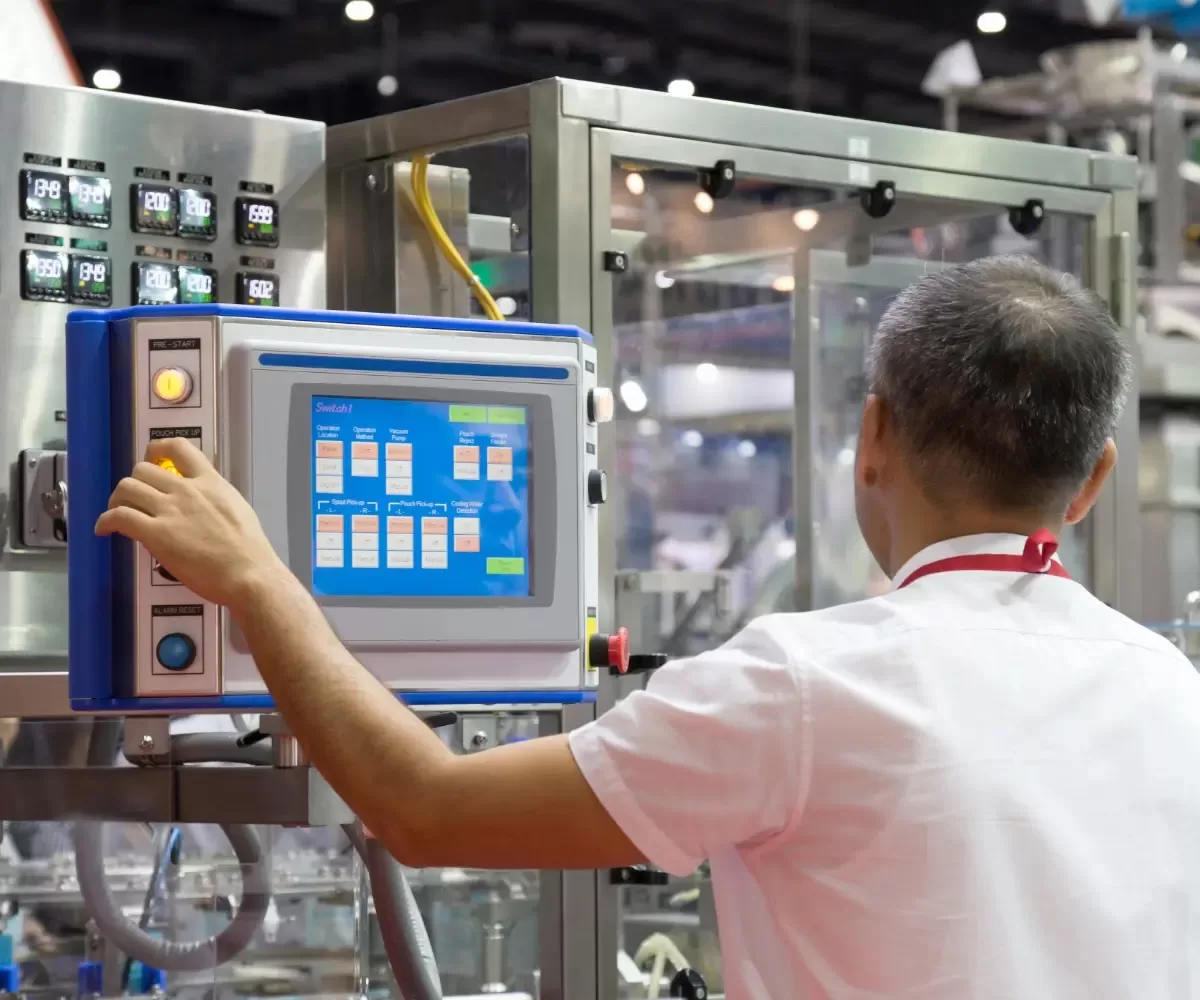
But how do these levels work together in practice? Let’s break down the intricacies of each level and explore how they contribute to a cohesive and data-driven manufacturing environment.
Decoding Control Levels for Data Integration
Understanding the different levels of automation control is crucial for implementing effective data communication. Each level builds upon the previous one, creating a comprehensive system that manages everything from basic machine functions to plant-wide data management.
Level 1: The Foundation – Basic Automation
Level 1 control forms the bedrock of automation. It encompasses the direct control of process variables through sensors and actuators. Think of PLCs (Programmable Logic Controllers) directly interacting with machinery. Data at this level is raw and real-time, focusing on immediate operational control.
Level 2: Supervisory Control – Monitoring and Coordination
Level 2 systems, often SCADA (Supervisory Control and Data Acquisition) or HMIs (Human-Machine Interfaces), take the raw data from Level 1 and provide a supervisory overview. Operators can monitor the process, adjust setpoints, and coordinate different parts of the line. This level introduces data logging and basic reporting.
Level 3: Plant-Wide Integration – MES and ERP Connectivity
Level 3 is where Manufacturing Execution Systems (MES) reside. This level integrates the automation system with the broader business database, often an ERP (Enterprise Resource Planning) system. Production planning, order management, and detailed data analysis happen here. Level 3 leverages data from Levels 1 and 2 to optimize the entire manufacturing process.
To visualize the data flow and functional distribution, consider the following table:
| Control Level | Focus | Technology Examples | Data Characteristics | Functional Role |
|---|---|---|---|---|
| Level 1 | Direct Process Control | PLCs, Sensors, Actuators | Real-time, Raw, Granular | Machine-level Control, Immediate Action |
| Level 2 | Supervisory Monitoring | SCADA, HMIs | Aggregated, Process-Oriented | Operator Interface, Process Coordination |
| Level 3 | Plant-Wide Data Integration | MES, ERP Systems | Business-Oriented, Analyzed | Production Planning, Business Optimization |
Implementing these levels effectively requires careful planning and consideration of communication protocols, data security, and system scalability. A well-designed three-level control system ensures not just automation, but intelligent automation that drives efficiency and data-driven decision-making across the slitting and coil packing process.
Automation connection with production line
Tired of disconnected systems and data silos? Imagine your slitting and packing lines working in perfect harmony, automatically exchanging information to optimize production flow. Automation connection is the key to unlocking this synergy.
Automation connection with the production line ensures seamless data flow and synchronized operations between the slitting and coil packing processes. This connection facilitates automatic transfer of coil data, production schedules, and quality parameters, optimizing workflow and reducing manual intervention. By integrating these lines, manufacturers achieve higher efficiency and minimize potential errors.
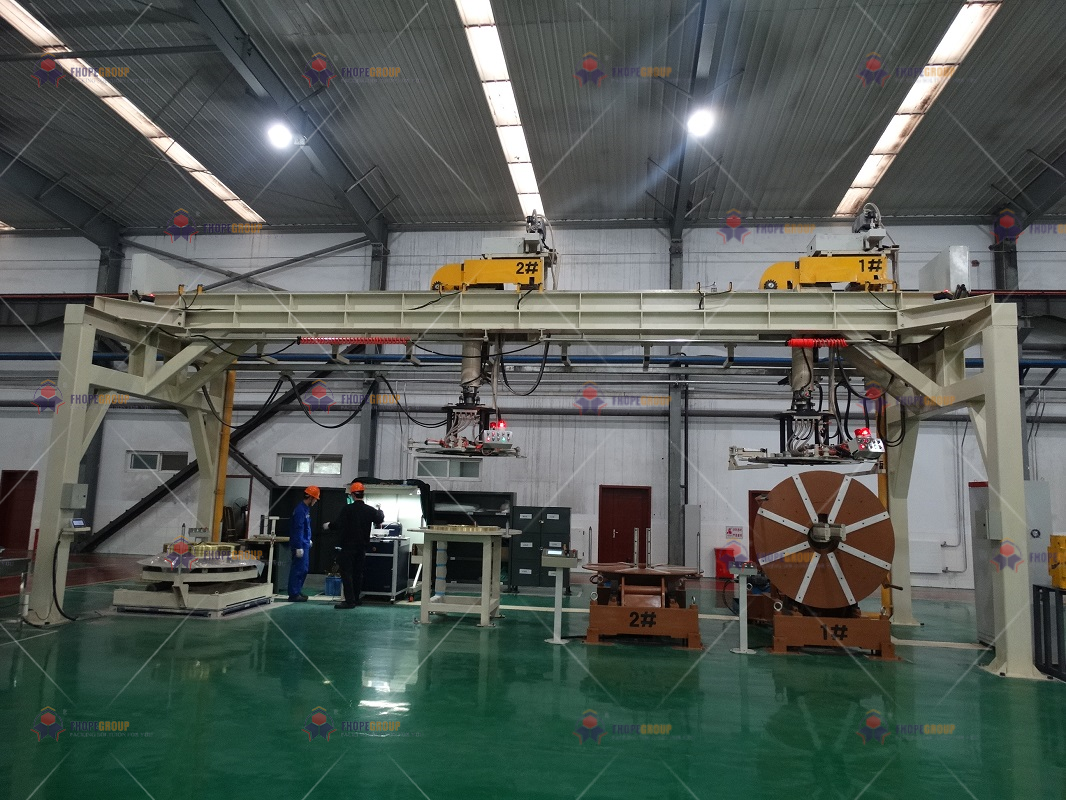
But what are the practical steps to achieve this automated connection? Let’s explore the essential elements that make this integration a reality and drive significant improvements in your production line.
-
Establishing Communication Protocols: The foundation of any automated connection lies in robust communication protocols. These protocols define how data is exchanged between the slitting line control system and the coil packing line control system. Common industrial protocols include PROFINET, EtherNet/IP, and Modbus TCP. Choosing the right protocol ensures compatibility and reliable data transmission.
-
Data Mapping and Integration: Once communication is established, the next step is to map relevant data points between the two systems. This involves identifying critical data like coil ID, dimensions, material grade, slitting parameters, and packaging specifications. Data mapping ensures that information from the slitting line is correctly interpreted and utilized by the packing line, and vice-versa. This often requires custom software interfaces or middleware to bridge potential data format differences.
-
Real-time Data Exchange Mechanisms: For effective automation, data exchange must be in real-time or near real-time. This allows the packing line to prepare for incoming coils based on the slitting line’s progress. Mechanisms like OPC UA (Open Platform Communications Unified Architecture) facilitate secure and reliable real-time data exchange. This ensures that the packing line is always synchronized with the slitting line’s output, minimizing delays and optimizing throughput.
-
Feedback Loops and Process Optimization: A truly integrated system includes feedback loops. Data from the packing line, such as packing time, material consumption, and quality checks, can be fed back to the slitting line control system. This feedback loop enables process optimization. For example, if the packing line is experiencing bottlenecks with certain coil sizes, the slitting line can adjust its schedule to improve overall efficiency.
Great Packaging Enhanced packaging and protection for coil surfaces, including strapping and palletizing, tailored to meet various packaging objectives.
Are you struggling to meet diverse packaging demands while ensuring top-notch coil protection? Imagine a system that adapts to your specific needs, providing enhanced packaging and protection every time. Great packaging is not just about aesthetics; it’s about safeguarding your product and meeting customer expectations.
Great packaging in coil lines involves enhanced protection and tailored solutions for coil surfaces, incorporating strapping, wrapping, and palletizing. This approach addresses diverse packaging objectives, ensuring coils are securely protected from damage and environmental factors during handling, storage, and transportation. Customized packaging solutions cater to specific coil types and customer requirements, enhancing product integrity and satisfaction.
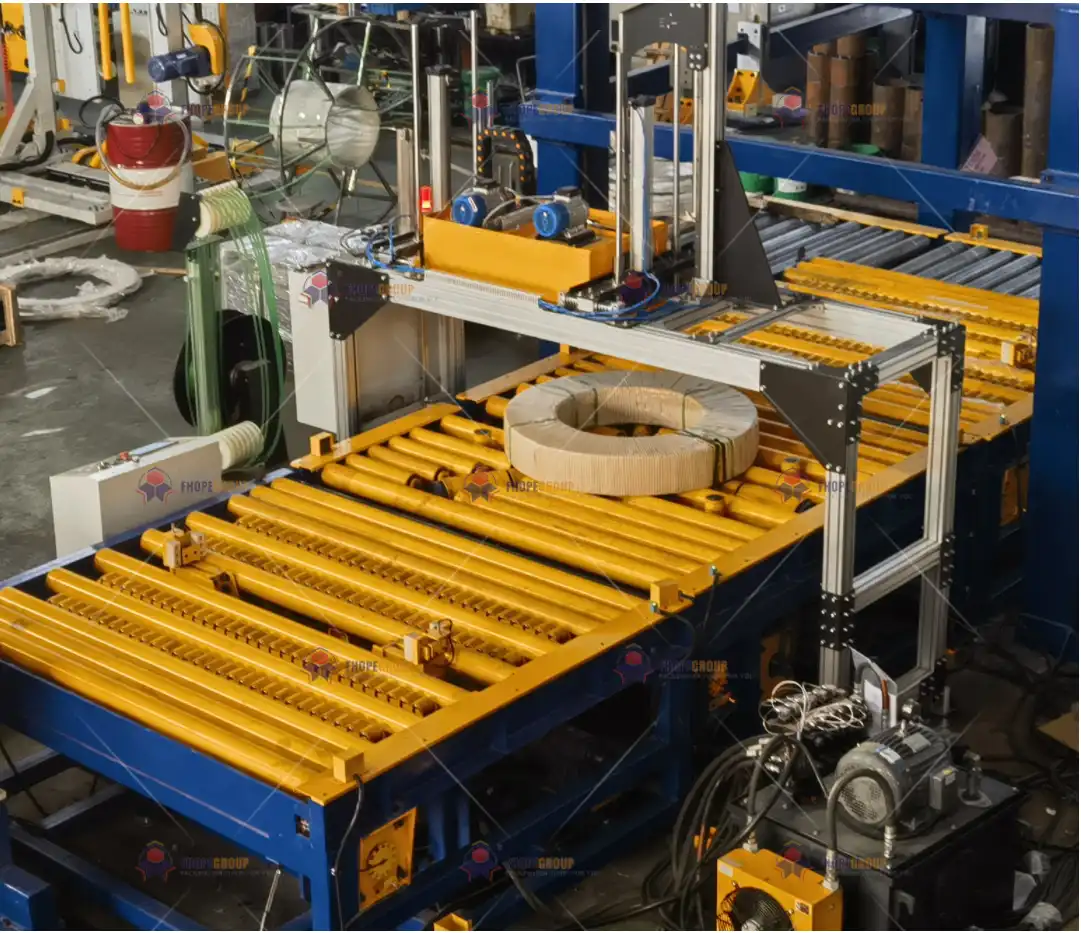
But how do you achieve “great packaging” that truly meets various objectives? Let’s dissect the key components and strategies that contribute to superior coil packaging.
-
Surface Protection Strategies: Protecting coil surfaces is paramount to prevent scratches, corrosion, and other damages. Strategies include:
- VCI (Vapor Corrosion Inhibitor) Films and Papers: These materials release chemicals that prevent rust formation, crucial for long-term storage and humid environments.
- PE (Polyethylene) and Stretch Films: Provide a barrier against moisture, dust, and physical abrasion. Multiple layers can be applied for enhanced protection.
- Edge Protectors (Cardboard, Steel, Plastic): Shield coil edges, which are most vulnerable to damage during handling and strapping.
- Underlayers and Cushioning Materials: Used between coil layers or between the coil and pallet to prevent surface marking and damage from pressure points.
-
Strapping and Securing Techniques: Proper strapping is essential for coil stability during transit and handling. Techniques include:
- Radial and Circumferential Strapping: Radial straps secure the coil layers together, while circumferential straps bind the outer diameter, providing overall stability.
- Steel and PET (Polyester) Strapping: Steel strapping offers high tensile strength for heavy coils, while PET strapping is a cost-effective and recyclable alternative for lighter coils.
- Automated Strapping Machines: Ensure consistent strap tension and placement, crucial for secure packaging and minimizing material waste.
-
Palletizing and Handling Considerations: Palletizing not only facilitates easy handling but also adds another layer of protection. Considerations include:
- Pallet Material and Design: Choosing the right pallet material (wood, plastic, steel) and design based on coil weight and handling methods is critical for stability and safety.
- Automated Palletizing Systems: Ensure precise and efficient pallet loading, reducing manual handling and the risk of damage.
- Stacking and Securing to Pallets: Proper stacking patterns and additional strapping or wrapping to secure coils to pallets prevent shifting during transportation.
-
Customization for Packaging Objectives: Great packaging is not one-size-fits-all. Customization is key to meeting varied objectives:
- Heavy-Duty Packaging: For long-distance shipping, harsh environments, or heavy coils, robust materials like thicker films, steel strapping, and reinforced pallets are necessary.
- Cost-Effective Packaging: For shorter distances or less demanding conditions, lighter materials and optimized strapping patterns can reduce packaging costs without compromising basic protection.
- Customer-Specific Packaging: Meeting specific customer requirements, such as branded packaging, specific material types, or unique palletizing configurations, can enhance customer satisfaction and loyalty.
Optimize Your Coil Management: Experience Seamless Efficiency
Is coil management a source of headaches in your operations? Imagine a streamlined process where every coil is tracked, packaged, and moved with perfect precision. Optimizing coil management is about achieving seamless efficiency from slitting to shipping.
Optimizing coil management for seamless efficiency involves integrating data communication between slitting and coil packing lines to streamline the entire process. This includes real-time tracking of coil status, automated data transfer for packaging instructions, and synchronized material flow. By implementing these strategies, businesses can achieve significant improvements in throughput, reduce errors, and enhance overall operational efficiency.
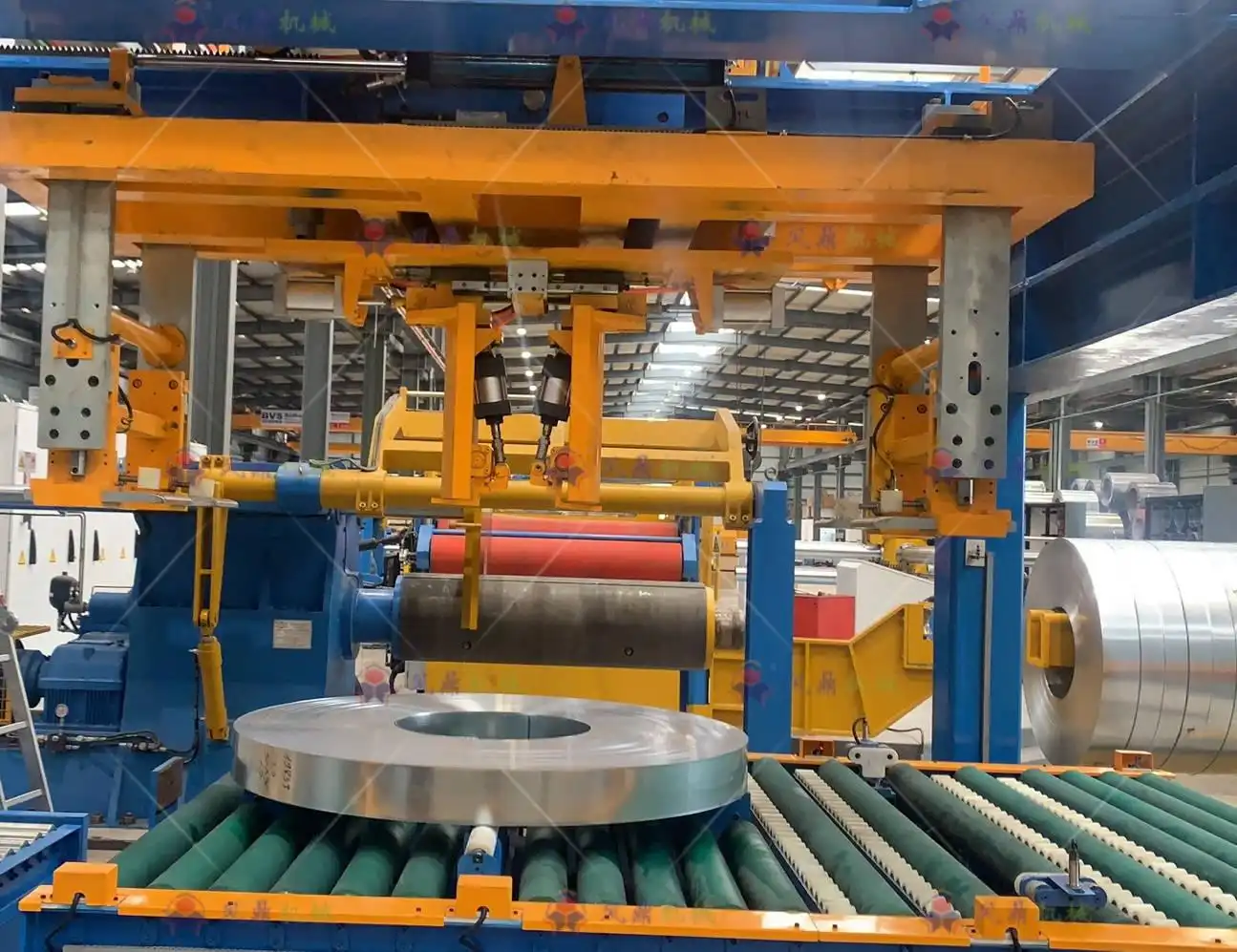
Seamless efficiency in coil management is a multifaceted goal. It requires a holistic approach that considers data flow, material handling, and process optimization across the slitting and packing stages. Here’s how integrated data communication plays a pivotal role in achieving this:
-
Real-Time Coil Tracking and Status Monitoring: Integrating data systems enables real-time tracking of each coil from the slitting line to the packing line and beyond. RFID tags or barcode systems, combined with data communication, allow operators to know the exact location and status of every coil at any moment. This real-time visibility is crucial for efficient inventory management, order fulfillment, and proactive problem-solving.
-
Automated Data Transfer for Packaging Instructions: Manual data entry for packaging instructions is time-consuming and error-prone. Integrated systems automate this process by transferring coil specifications, customer requirements, and packaging parameters directly from the slitting line’s database to the coil packing line’s control system. This eliminates manual errors, speeds up the packaging process, and ensures that each coil is packaged according to the correct specifications.
-
Synchronized Material Flow and Reduced Bottlenecks: Data communication enables synchronized material flow between the slitting and packing lines. The packing line can anticipate incoming coils based on the slitting line’s production schedule. This proactive approach minimizes waiting times, reduces bottlenecks, and optimizes the overall throughput of the combined lines. Buffer zones and automated transfer systems, guided by real-time data, further enhance material flow efficiency.
-
Data-Driven Process Optimization and Reporting: The wealth of data generated by integrated systems provides valuable insights for process optimization. Analyzing data on throughput, packing times, material consumption, and error rates allows manufacturers to identify areas for improvement. Real-time dashboards and reports provide operators and managers with the information they need to make data-driven decisions, continuously refine processes, and achieve peak efficiency in coil management.
Conclusion
In conclusion, achieving seamless data receiving and sharing between slitting and coil packing lines is paramount for modern metal processing facilities. By implementing integrated control systems and focusing on automation connection, great packaging, and optimized coil management, manufacturers can significantly enhance their operational efficiency and product quality. Investing in a robust coil packing line with advanced data communication capabilities is not just an upgrade; it’s a strategic move towards future-proofing your operations in a competitive industry.








