
How to Choose the Right Wrapping Material for Steel Coils
Steel coils, valuable commodities, face a constant threat: corrosion. Rust can render them unusable, leading to massive financial losses and damaged reputations. Protecting these heavy-duty assets during storage and transit is paramount. The right wrapping material isn’t just packaging; it’s a critical safeguard against costly degradation.
Choosing the right wrapping material for steel coils is vital for preventing rust and maintaining integrity. Key considerations include the type of metal, storage duration, environmental conditions, and the required level of physical protection. Options range from VCI films and papers that prevent corrosion at a molecular level to reinforced laminated papers offering robust waterproof barriers.
Making the wrong choice can be a costly mistake. Understanding the unique challenges steel coils present and the available packaging solutions is essential to ensure your products arrive at their destination in pristine condition, ready for immediate use. Let’s delve into the world of steel coil packaging.
The Silent Killer: Why Steel Coils Need Superior Protection
Steel coils are heavy, dense, and seem impervious, but they are highly susceptible to a silent, destructive force: corrosion. This natural enemy can attack unexpectedly, whether coils are sitting in storage or journeying across continents.
Steel coils are vulnerable to corrosion primarily due to environmental factors like high humidity, temperature fluctuations, and exposure to pollutants during manufacturing, storage, and transportation. Improper handling and inadequate packaging methods allow moisture, oxygen, and contaminants to initiate the electrochemical process of rust formation on exposed metal surfaces.
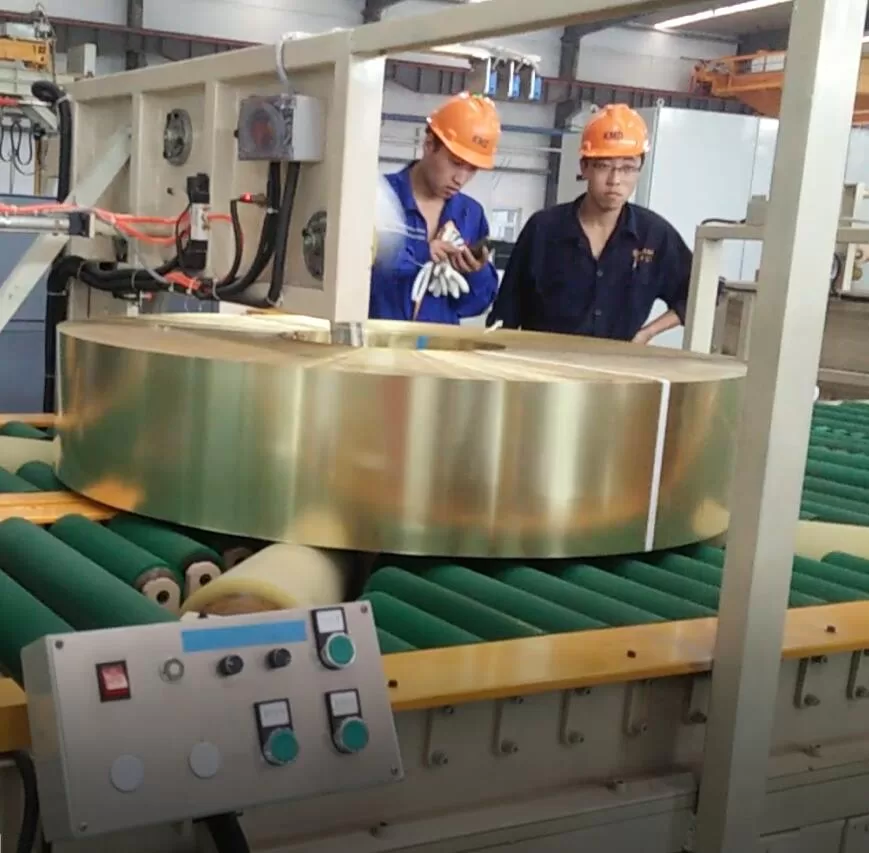
Protecting metal coil suppliers’ and manufacturers’ integrity and brand reputation hinges on consistently delivering corrosion-free coils. Corrosion is a common issue, exacerbated by factors like high humidity at manufacturing facilities, improper handling or packaging, and harsh conditions encountered during storage and transportation. Without a proper corrosion-inhibiting method, metal coils can quickly become compromised, leading to costly rework, scrap, and dissatisfied customers. Understanding the root causes of corrosion and the science behind it is the first step in implementing effective protective measures.
Understanding Corrosion: The Science and the Solutions
At its core, corrosion is an electrochemical process where refined metal reverts to a more stable form, typically an oxide. For iron and steel, this stable form is rust (iron oxide). This process requires three things: an anode (the metal losing electrons), a cathode (an area gaining electrons), and an electrolyte (a medium, usually water containing dissolved salts or contaminants, that allows ion flow). Remove any one of these, and corrosion stops. Traditional methods, like applying rust-preventative oils, create a physical barrier to block the electrolyte (moisture and oxygen). While effective if coverage is 100% and the barrier remains intact, this method is messy, labor-intensive, and requires cleaning before use. Modern solutions often target the electrochemical reaction itself or create micro-environments where corrosion cannot occur.
The Electrochemical Dance: Anodes, Cathodes, and Electrolytes
Corrosion begins when moisture lands on a metal surface. This water, often containing dissolved substances from the air or the metal surface itself, acts as the electrolyte. Within the metal, microscopic differences create anodic and cathodic areas. Electrons flow from the anode through the metal to the cathode, while positive metal ions from the anode dissolve into the electrolyte. At the cathode, oxygen and water accept electrons, forming hydroxide ions. These hydroxide ions react with the dissolved metal ions to form metal oxides – rust. This process continues as long as the metal is exposed to oxygen and electrolyte. Factors like surface contaminants (like “swarf” or even fingerprints), stresses in the metal, and contact with dissimilar materials (like wood or cardboard) can accelerate this process by creating stronger anodic/cathodic sites or providing additional electrolytes.
Traditional vs. Modern Protection Strategies
Historically, coatings like paint, grease, or oil were the primary defense. Their effectiveness relies entirely on maintaining a perfect, unbroken barrier. Any scratch or gap exposes the metal, allowing corrosion to begin.
| Protection Method | Primary Mechanism | Pros | Cons | Application Method |
|---|---|---|---|---|
| Rust-Preventative Oils | Physical Barrier | Effective if barrier is perfect | Messy, labor-intensive, requires cleaning, environmental concerns | Spraying, Dipping, Brushing |
| Paints/Coatings | Physical Barrier | Long-term protection (if intact) | Requires surface prep, difficult on complex shapes, requires removal/reapplication | Painting, Dipping, Powder Coating |
| Desiccants | Moisture Removal | Reduces electrolyte | Finite capacity, requires sealing, doesn’t address existing contaminants | Placed inside packaging |
| Vapor Corrosion Inhibitors (VCI) | Molecular Layer/Atmosphere Modification | Clean, dry, reaches all surfaces, no cleaning required, environmentally friendly | Requires enclosure, effectiveness depends on concentration/environment | Packaging films, papers, emitters, liquids |
| Waterproof Barriers | Moisture Blocking | Prevents external water ingress | Does not prevent internal moisture or contaminants, needs VCI for full protection | Wrapping, Lining |
While traditional methods like rust-preventative oils (such as ZERUST® Axxanol™ 33 for specific in-line rolling mill applications) still have niche uses, the focus for comprehensive steel coil protection has shifted towards cleaner, more efficient methods like VCI technology, often combined with robust waterproof barriers.
VCI: The Game-Changing Solution for Steel Coil Protection
Traditional rust prevention methods for steel coils, often relying on messy oils and greases, are increasingly being replaced by cleaner, more efficient technologies. Vapor Corrosion Inhibitor (VCI) packaging represents a significant advancement, offering protection that is both effective and user-friendly.
VCI works by releasing invisible, odorless molecules into the packaging environment. These molecules settle on the metal coil surfaces, forming a thin protective layer. This layer inhibits the electrochemical reactions required for rust, preventing corrosion even in hard-to-reach areas, offering a clean, dry alternative to traditional rust-preventative methods.

Metal coil suppliers and manufacturers have found that using heavy-duty, high-strength VCI packaging products can effectively replace or complement rust-preventative oils. ZERUST® VCI packaging products protect the coil’s metal surface by providing rip and tear resistance while emitting ZERUST’s powerful vapor corrosion inhibitors (VCI). This allows the metals to be ready for use directly out of VCI Packaging, eliminating the need for messy cleaning steps. ZERUST®, as the inventor of poly Vapor Corrosion Inhibitor Technology (VCI), has proven its performance and safety for over 50 years globally.
Types of VCI Packaging for Steel Coils and Their Advantages
VCI technology is integrated into various packaging materials tailored for the metal coil industry. These include films, papers, and specialized covers designed to create a VCI-rich environment around the coil. The goal is to ensure the VCI molecules can reach all metal surfaces, forming that crucial protective layer.
VCI Films: Robust Barriers with Active Protection
VCI films, such as ZERUST® ICT®510-SM VCI Stretch Film and custom-sized ZERUST® ICT® VCI Coil Covers, are commonly used for wrapping entire coils. These films provide not only a physical barrier against dirt, dust, and moisture but also actively emit VCI molecules. VCI stretch film allows for a tight, conforming wrap that secures the coil while filling the enclosed space with corrosion inhibitors. VCI Coil Covers, often made with materials like ICT®510-CLHD High-Density VCI Film, fit over the top and bottom of coils and are used in conjunction with stretch film to ensure comprehensive enclosure. The transparency of many VCI films allows for easy visibility, facilitating quick identification and inspection without compromising protection. These films are engineered for durability, offering rip and tear resistance essential for handling heavy steel coils. They can be formulated for ferrous, non-ferrous, or multimetal protection, adapting to specific coil types.
VCI Papers: Versatile Interleaving and Wrapping Solutions
VCI papers, like ZERUST® ICT®430-35SR, ICT®432-35P, and ICT®420-35P, offer another flexible option. These are heavy-duty, high-strength papers often coated for superior tear resistance. They can be used to wrap coil rolls, interleaved between layers of coiled material, or used as crate liners. VCI paper is effective because the VCI chemistry is coated or impregnated into the paper fibers, allowing it to diffuse into the enclosed space. Some VCI papers include poly coatings or scrim reinforcement for added moisture resistance and strength, making them suitable for demanding applications and harsh environments. Using VCI paper, especially those coated on both sides, simplifies packaging as there’s no confusion about which side needs to face the metal. They are often chosen for their ease of handling and their ability to conform to irregular shapes.
VCI Scrims: Enhanced Strength for Demanding Applications
For applications requiring exceptional strength and tear resistance, particularly for interleaving or wrapping large, heavy objects like metal coils, VCI scrims are valuable. ZERUST® ICT®520-SRA VCI Plastic Scrim is an example of a durable polyethylene fabric containing woven strands. This reinforcement provides robust protection against mechanical damage while the material emits VCI to prevent corrosion. Scrims are ideal when the packaging needs to withstand significant stress during handling and transit.
The combination of VCI Coil Covers and VCI stretch film, as described by ZERUST®, offers a comprehensive custom coil wrapping solution that creates a VCI-rich environment effectively protecting metal coils from corrosion during shipment and storage. This multi-layer approach leverages the strengths of different materials to provide optimal protection.
Choosing the Right VCI Material: Beyond the Basics
Selecting any VCI product is a step up from unprotected storage, but choosing the specifically right material is critical for maximum effectiveness and cost efficiency. The array of options can be overwhelming, and a mismatch can still leave valuable steel coils vulnerable.
Choosing the right VCI wrapping material depends on the specific metal alloy, the duration and conditions of storage or transit, the required level of physical protection (tear/puncture resistance), and the application method (manual wrapping, machine stretch, covers). Consulting a VCI expert is recommended to match the VCI formulation and material type to the unique needs of the application.

It’s not enough to just grab “VCI film” or “VCI paper.” The effectiveness of the protection hinges on selecting a product engineered for the specific metal type, the environmental conditions it will face, and how it will be handled and stored. Getting this choice right prevents the frustrations and costs associated with unexpected rust.
Critical Factors and Common Pitfalls in VCI Selection
Several factors influence which VCI material is best suited for a steel coil application. These include the specific composition of the steel or metal alloy (ferrous, non-ferrous, multi-metal), the expected duration of protection (short-term in-process, long-term storage), and the severity of the environment (high humidity, corrosive atmosphere, overseas shipment). Furthermore, the physical demands on the packaging – whether it needs to withstand significant tearing or punctures, provide a moisture barrier, or be transparent for inspection – dictate the type of film, paper, or laminate required.
Matching VCI Chemistry to Metal Type
Different metals corrode differently, and VCI formulations are often optimized for specific metal types. Using a VCI designed for ferrous metals on aluminum coils might not provide adequate protection, and vice versa. Multi-metal formulations are available for packaging diverse products or assemblies containing different metals. Reputable VCI suppliers perform testing to ensure their formulations are compatible and effective for your specific alloy.
Environmental Considerations and Packaging Methods
High humidity, temperature fluctuations, and the presence of airborne pollutants or corrosive gases (like those from manufacturing processes, forklift exhaust, or even nearby wood packaging) can accelerate corrosion. The packaging method must create an enclosed space around the coil to contain the VCI vapors. A simple drape might suffice for short-term indoor storage in a controlled environment, but overseas shipments or long-term outdoor storage require robust, sealed, and often reinforced waterproof packaging in conjunction with VCI. Machine stretch wrapping with VCI film, combined with VCI coil covers, provides a good enclosure. For additional moisture protection, reinforced laminated papers (like poly weave, scrim, or asphalt laminated papers) can be used as outer wraps.
Common Mistakes to Avoid
Drawing lessons from “The Dirty Dozen” mistakes often made with metal parts, several apply directly to steel coils:
| Mistake # | Common Pitfall for Coils | Consequence | Solution with Right Material/Practice |
|---|---|---|---|
| 2 | Direct contact with wood pallets/crates or standard corrugated | Contact corrosion at support points | Use VCI paper or VCI poly sheeting as a barrier between coil and wood/corrugated. |
| 3/4 | Leaving coils uncovered in production/storage areas | Exposure to corrosive plant atmosphere | Cover in-process or stored coils immediately with VCI paper or VCI poly sheeting/covers. |
| 5/9 | Packaging wet coils or in high humidity/fluctuating temps | Trapped moisture accelerates corrosion | Ensure coils are dry before wrapping; use VCI packaging with good moisture barrier properties; consider climate control if possible. |
| 11 | Using the wrong VCI product for the metal type | Ineffective corrosion protection | Consult a VCI expert to match VCI formulation to the specific metal alloy. Test compatibility. |
| 12 | Not using enough VCI material | Insufficient VCI vapor concentration | Follow recommended VCI surface area to void space ratio (e.g., 1 sq ft VCI for 1-3 sq ft metal surface or 1 cubic ft void space). |
| New | Using non-breathable outer wraps without VCI | Traps moisture that forms inside the wrap | Combine waterproof outer wraps with VCI inside the package to protect against trapped moisture. |
Selecting the right VCI material involves considering these factors and avoiding these common pitfalls. A knowledgeable supplier can help conduct site assessments, recommend appropriate VCI formulations and material types, and even perform compatibility testing to ensure optimal performance for your specific steel coils.
Optimizing Steel Coil Packaging: Methods and Accessories
Selecting the correct VCI material is a crucial first step, but effective steel coil protection also depends heavily on how these materials are applied and whether complementary products are used. Packaging methods can range from simple manual wraps to sophisticated automatic lines, each influencing the efficiency and effectiveness of the protective barrier.
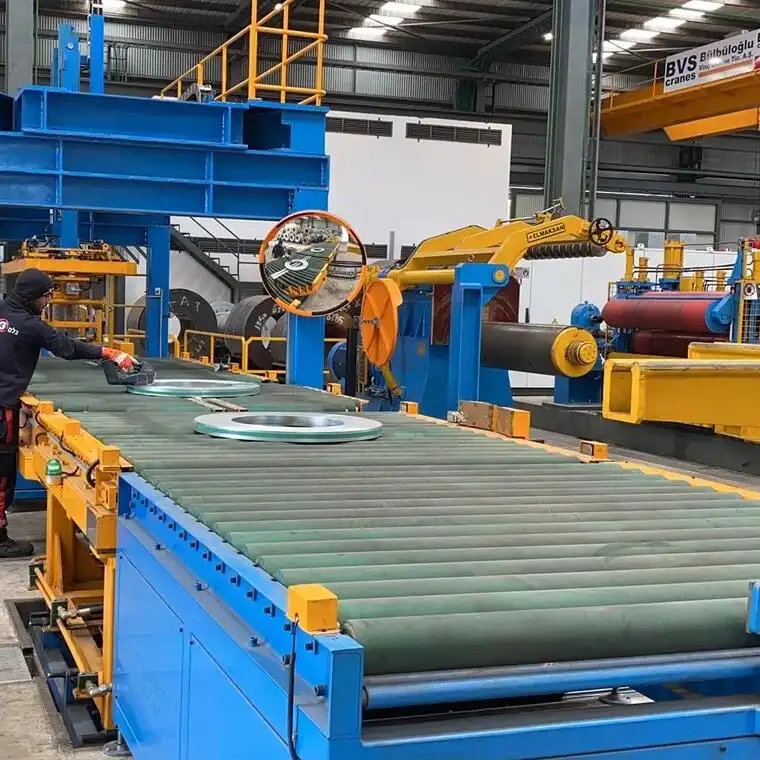
Effective steel coil wrapping involves selecting VCI films or papers appropriate for the metal type and environment, applying them to create a secure, enclosed space around the coil, and using sufficient material to ensure adequate VCI concentration. Complementary products like VCI coil covers, reinforced outer wraps for moisture protection, or rust preventative oils for specific applications enhance the overall protective system, ensuring coils remain corrosion-free during storage and transit. Zerust offers comprehensive solutions combining VCI coil covers with VCI stretch film for a custom wrapping solution.
Machine stretch film applications, using products like ZERUST® ICT®510-SM Stretch VCI Film, allow for rapid and consistent wrapping, creating a tight barrier around the coil. This is especially beneficial for high-volume operations. For added protection, VCI coil covers designed with elastic bands fit snugly over the coil ends, ensuring the entire surface is enclosed and exposed to VCI vapors when used with stretch film. The transparent nature of VCI films facilitates easy visibility of the coil for identification and inspection without needing to unwrap.
Beyond VCI films, VCI papers and scrims play vital roles. VCI paper can be used for interleaving, ensuring VCI protection between layers of slit coil or stacked sheets, or as a wrap for smaller coils. Poly-coated or reinforced VCI papers offer increased durability and moisture resistance, making them suitable for lining crates or wrapping coils destined for harsh environments. VCI scrim provides robust tear resistance, excellent for interleaving heavy material or wrapping large, irregularly shaped coils.
For situations where traditional rust preventative oils are required, such as specific in-line rolling mill applications or for cold-rolled sheets and coils, products like ZERUST® Axxanol™ 33 are available. These oil-based coatings form a protective film but typically require removal before further processing. The advantage of VCI is the clean, dry surface it leaves upon removal from the packaging.
Combining different VCI products and packaging methods often provides the most effective solution. For example, using VCI paper or scrim as an interleaving layer, wrapping the coil with VCI stretch film, applying VCI coil covers, and then using a durable, waterproof laminated paper as an outer layer offers multiple levels of protection against both corrosion and environmental damage. The choice of method and material depends on factors like coil size, weight, destination, duration of protection needed, and the available packaging equipment (manual vs. automatic).
Conclusion
Protecting steel coils from corrosion is a critical aspect of maintaining product value and supply chain reliability. The cost of corrosion far outweighs the investment in proper packaging. By understanding the science of rust and leveraging modern solutions like VCI technology, manufacturers and suppliers can ensure their coils remain in pristine condition. Choosing the right steel coil wrapping material, whether VCI film, paper, covers, or a combination, tailored to the specific metal and environmental conditions, is key. Investing in expert consultation and implementing best practices in handling and packaging pays dividends by eliminating costly rust-related issues. The right packaging isn’t just protection; it’s a guarantee of quality from your facility to your customer’s dock, supported by reliable coil packing line solutions.








