
1. How to Choose the Right Tools for Steel Wire Packing?
In the steel wire manufacturing industry, efficient and secure packing is paramount to ensure product integrity during transportation and storage. Selecting the right tools for steel wire packing directly impacts operational efficiency, reduces material waste, and enhances workplace safety. This decision is crucial for optimizing the entire production line and maintaining product quality.
Choosing the correct tools for steel wire packing involves evaluating factors such as wire gauge, coil size, production volume, and environmental conditions. Essential tools include wire coil wrapping machines for protection, strapping tools for secure bundling, and handling equipment for safe movement. Proper tool selection minimizes damage, ensures efficient packing, and reduces operational costs.
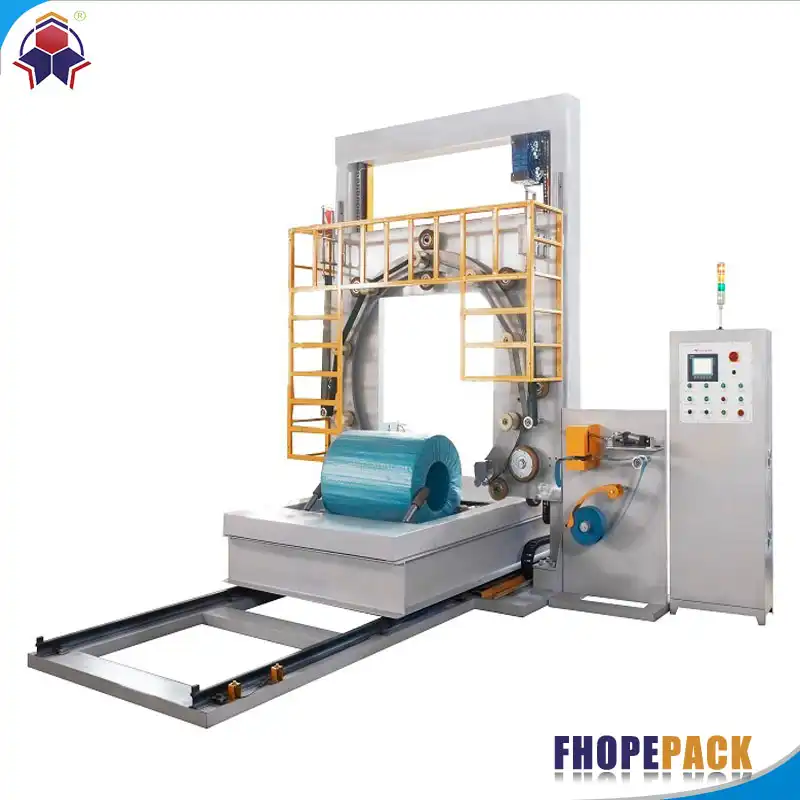 Investing in the appropriate packing tools is not merely an expense; it’s a strategic decision that yields significant returns in terms of productivity, safety, and product preservation. Let’s delve into the essential aspects of choosing the right tools for steel wire packing to optimize your operations.
2. Understanding Your Steel Wire Packing Needs
Before diving into tool selection, a comprehensive assessment of your specific steel wire packing needs is essential. This involves analyzing various factors related to your wire products and operational environment to determine the most suitable tools for efficient and effective packing. A clear understanding of these needs will guide you in making informed decisions and selecting tools that align perfectly with your requirements.
To choose the right steel wire packing tools, start by evaluating your wire specifications – gauge, material, and coating – as these dictate handling requirements. Consider coil dimensions and weight to match tool capacity. Analyze production volume to decide between semi-automatic or automatic equipment. Assess storage and transport conditions to ensure chosen packing provides adequate protection against environmental factors and physical damage.
Sub-heading 1: Key Factors in Assessing Your Packing Requirements
To thoroughly assess your steel wire packing requirements, consider these critical factors:
2.1.1 Wire Specifications: Gauge, Material, and Coating
The gauge, material, and coating of your steel wire are fundamental considerations. Thinner gauges may require gentler handling to prevent bending or damage, while heavier gauges demand robust tools capable of managing significant weight. Different materials and coatings might have varying sensitivities to pressure and abrasion, influencing the choice of wrapping and strapping materials.
2.1.2 Coil Dimensions and Weight
Coil dimensions and weight directly dictate the size and capacity of the packing tools required. Larger and heavier coils necessitate machines with higher load capacities and wider wrapping ranges. Ensure that the tools you select can comfortably accommodate the maximum coil dimensions and weight you handle to avoid operational bottlenecks and safety hazards.
2.1.3 Production Volume and Automation Needs
Production volume is a key determinant in choosing between semi-automatic and fully automatic packing solutions. For lower volumes, semi-automatic tools offer a cost-effective solution with manual operation for certain steps. However, for high-volume production, automated wire packing machine are essential to maintain speed and efficiency, reducing labor costs and increasing throughput.
2.1.4 Storage and Transportation Conditions
The conditions under which your packed steel wire will be stored and transported are crucial for determining the level of protection required. Consider factors such as:
| Condition | Impact on Packing Tool Selection |
|---|---|
| Outdoor Storage | Weather-resistant wrapping materials and robust strapping are essential. |
| Long-Distance Transport | Durable packing to withstand vibrations and handling during transit. |
| Humid Environments | Moisture-barrier wrapping films to prevent rust and corrosion. |
| Rough Handling | Heavy-duty strapping and edge protection for coil stability. |
By meticulously evaluating these factors, you can establish a clear understanding of your steel wire packing needs. This detailed assessment will serve as a roadmap for selecting the right tools, ensuring efficient, safe, and cost-effective packing operations tailored to your specific requirements.
3. Essential Tools for Steel Wire Packing
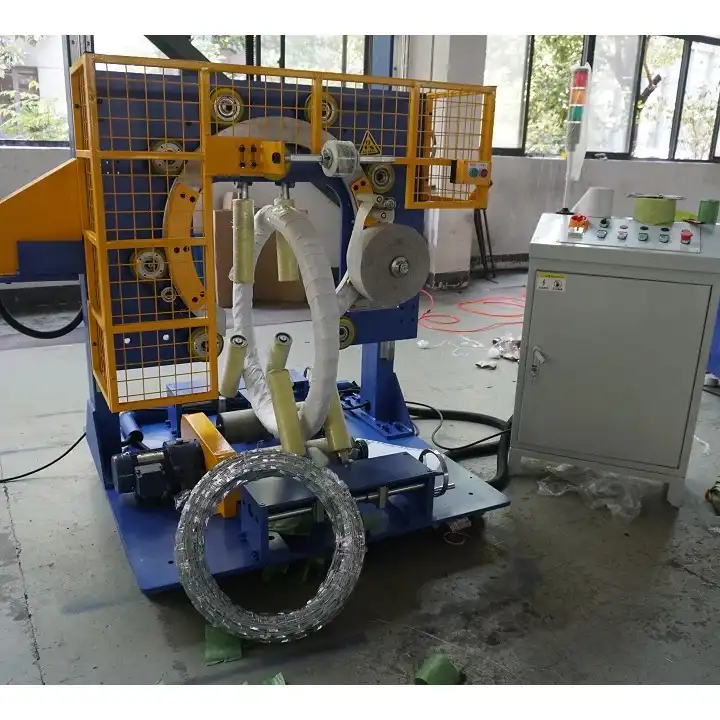 Selecting the right tools for steel wire packing is crucial for operational efficiency and product protection. Several types of equipment are essential in a comprehensive steel wire packing process, each serving a specific purpose to ensure secure and efficient handling. Understanding the function and benefits of each tool type is vital for making informed investment decisions.
Key tools for steel wire packing include coil wrapping machines for protective covering, strapping tools for secure bundling, and material handling equipment for safe coil movement. Coil wrapping machines use stretch film to shield wire from moisture and damage. Strapping tools, using steel or plastic straps, tightly bind coils for stability. Handling equipment like forklifts and cranes ensures safe and efficient transport, minimizing manual labor and potential injuries.
Sub-heading 2: Exploring Different Types of Packing Tools
Let’s delve into the specifics of each essential tool category for steel wire packing:
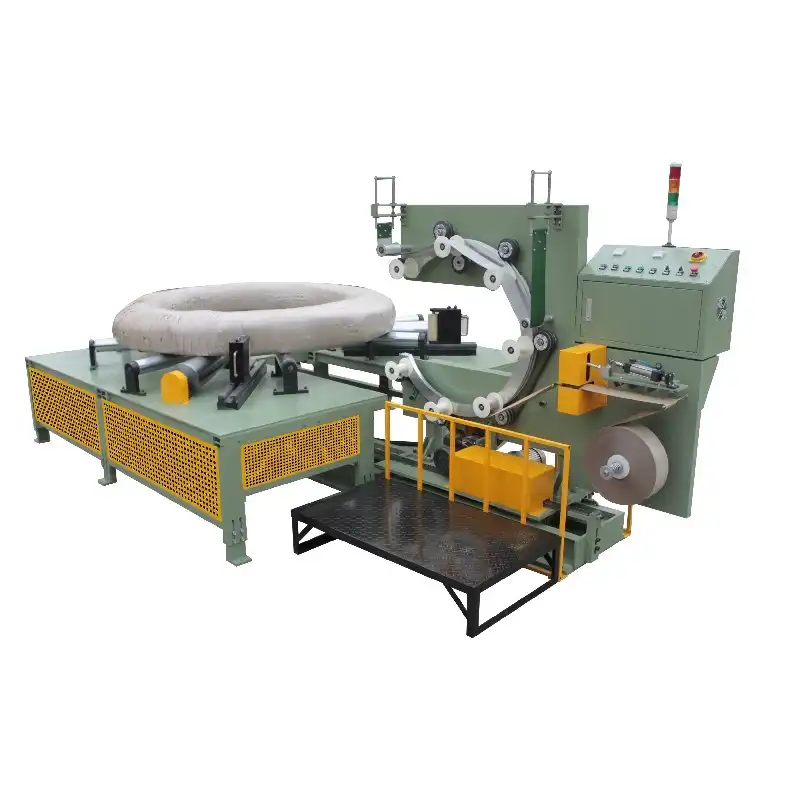
3.1 Coil Wrapping Machines: Protecting Steel Wire from the Elements
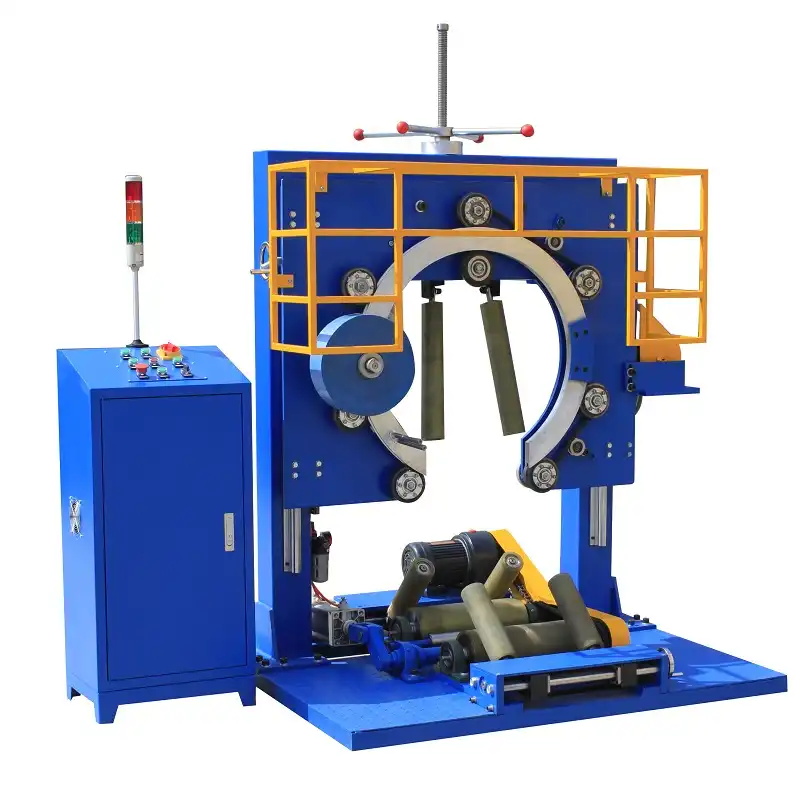
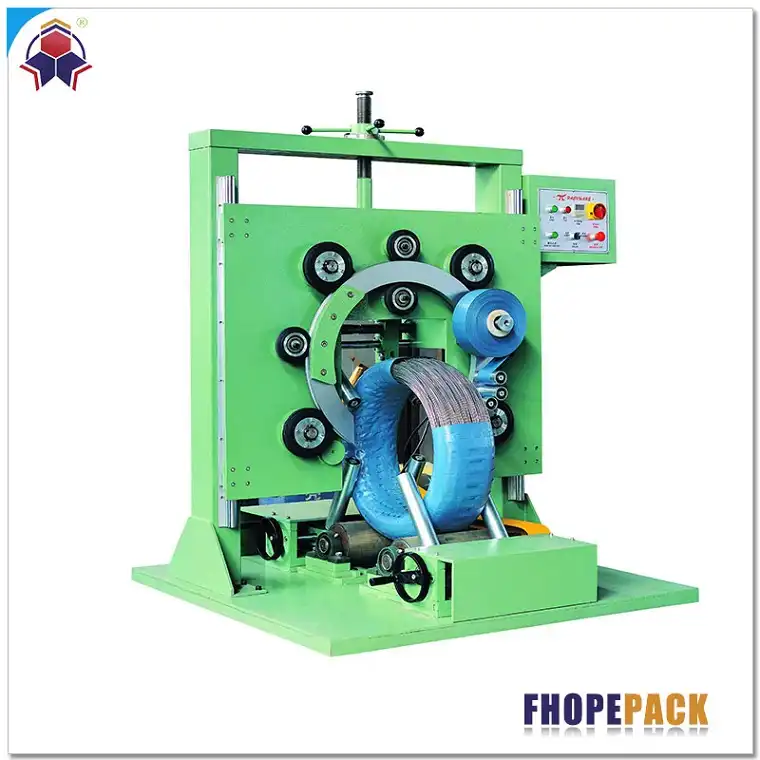
Coil wrapping machines are designed to apply protective wrapping around steel wire coils, shielding them from environmental elements and physical damage. These machines significantly enhance product preservation during storage and transportation.
3.1.1 Types of Coil Wrapping Machines
- Horizontal Coil Wrapping Machines: Ideal for wrapping horizontally stacked coils. They offer efficient wrapping for high-volume production and are often integrated into automated lines.
- Vertical Coil Wrapping Machines: Suited for vertically stacked coils, these machines are beneficial for space-saving layouts and can handle various coil sizes.
- Orbital Coil Wrapping Machines: These machines wrap coils in a ring-like motion, providing consistent and tight wrapping, particularly useful for irregularly shaped coils.
3.1.2 Benefits of Coil Wrapping Machines
- Environmental Protection: Shields steel wire from moisture, dust, UV rays, and temperature variations, preventing corrosion and degradation.
- Damage Prevention: Protects against scratches, dents, and abrasions during handling and transit, maintaining surface quality.
- Enhanced Aesthetics: Provides a clean and professional appearance to packed coils, improving marketability.
- Material Efficiency: Optimizes stretch film usage, reducing material costs compared to manual wrapping.
3.2 Strapping Tools: Securing Bundles for Stability
Strapping tools are used to apply straps around steel wire coils, tightly bundling them to ensure stability and prevent unwinding during handling and transportation. Secure strapping is crucial for maintaining coil integrity and safety.
3.2.1 Types of Strapping Tools
- Manual Strapping Tools: Hand-operated tools for low-volume applications. They are cost-effective but require more manual effort and time.
- Semi-Automatic Strapping Tools: Powered tools that automate strap tensioning and sealing, increasing speed and reducing operator fatigue.
- Automatic Strapping Machines: Fully automated systems that integrate into production lines, providing high-speed strapping for large-scale operations.
3.2.2 Strapping Material Options
- Steel Strapping: Offers high tensile strength and durability for heavy coils and demanding applications. Provides excellent security but can be more expensive and harder to handle.
- Plastic Strapping (Polyester or Polypropylene): More flexible and easier to handle than steel, suitable for medium to light coils. Cost-effective and resistant to rust, but less strong than steel.
3.3 Material Handling Equipment: Ensuring Safe Coil Movement
Material handling equipment is essential for safely and efficiently moving steel wire coils throughout the packing process and beyond. This equipment minimizes manual handling, reduces the risk of worker injury, and speeds up operations.
3.3.1 Types of Material Handling Equipment
- Forklifts: Versatile and widely used for lifting and transporting coils, available in various sizes and capacities to suit different coil weights and facility layouts.
- Cranes: Overhead cranes and jib cranes are ideal for lifting and moving heavy coils, especially in areas where forklifts are not suitable.
- Conveyors: Automated conveyor systems streamline coil movement within the packing line, reducing manual handling and increasing throughput.
3.3.2 Benefits of Material Handling Equipment
- Enhanced Safety: Reduces manual lifting and handling, minimizing the risk of back injuries and other musculoskeletal disorders.
- Increased Efficiency: Speeds up coil movement and reduces bottlenecks in the packing process.
- Reduced Labor Costs: Automation reduces the need for manual labor, lowering operational expenses.
- Improved Space Utilization: Efficient handling equipment can optimize space usage in storage and production areas.
By carefully considering these essential tools – coil wrapping machines, strapping tools, and material handling equipment – and selecting the types that best match your specific needs, you can establish a robust and efficient steel wire packing system.
4. Integrating Equipment Maintenance for Long-Term Efficiency
Maintaining steel wire packing equipment is as critical as selecting the right tools. Regular and proactive equipment maintenance ensures operational efficiency, extends machinery lifespan, and minimizes costly downtime. A well-structured maintenance program is an investment that pays off in consistent performance and reduced long-term expenses.
Equipment maintenance is crucial for steel wire packing tools to ensure consistent performance and longevity. Regular checks include inspecting moving parts for wear, lubricating components to reduce friction, and calibrating sensors for accuracy. Preventive maintenance schedules, operator training, and timely replacement of worn parts are essential. Investing in maintenance minimizes downtime, optimizes operational efficiency, and secures long-term cost savings.
Sub-heading 3: Building a Robust Maintenance Program
To maximize the lifespan and efficiency of your steel wire packing equipment, implement these key maintenance strategies:
4.1 Preventive Maintenance Schedules: The Cornerstone of Equipment Care
Establishing and adhering to a preventive maintenance schedule is fundamental. This involves routine inspections, lubrication, cleaning, and component checks at predetermined intervals – daily, weekly, monthly, and annually.
4.1.1 Sample Preventive Maintenance Checklist
| Task | Frequency | Description |
|---|---|---|
| Visual Inspection | Daily | Check for loose parts, leaks, damage, and abnormal wear. |
| Lubrication | Weekly | Apply lubricant to moving parts as per manufacturer’s guidelines. |
| Sensor Calibration | Monthly | Calibrate sensors and control systems for accurate operation. |
| Belt and Chain Inspection | Monthly | Inspect belts and chains for tension, wear, and alignment. |
| Electrical Checks | Quarterly | Examine wiring, connections, and electrical components for integrity. |
| Professional Inspection | Annually | Schedule a comprehensive inspection by a certified technician. |
4.2 Operator Training: Empowering Frontline Maintenance
Training machine operators in basic maintenance tasks and daily checks is invaluable. Operators who are familiar with their equipment can identify potential issues early, perform routine maintenance, and ensure correct operation, reducing wear and tear.
4.2.1 Key Areas for Operator Training
- Daily Inspection Procedures: Training on visual checks, listening for unusual noises, and identifying signs of wear.
- Basic Lubrication: Instruction on proper lubrication points and recommended lubricants.
- Emergency Stop Procedures: Ensuring operators are proficient in using emergency stops and safety features.
- Cleaning Protocols: Training on proper cleaning methods to prevent debris buildup and contamination.
4.3 Timely Replacement of Worn Parts: Preventing Major Failures
Regularly inspect components for wear and tear and replace worn parts promptly. Delaying replacements can lead to more significant damage and costly repairs. Keep an inventory of high-wear parts readily available to minimize downtime during replacements.
4.3.1 Identifying High-Wear Parts
- Belts and Chains: Subject to constant friction and tension, these require frequent inspection and timely replacement.
- Bearings and Rollers: Critical for smooth movement, worn bearings and rollers can cause malfunctions and increased friction.
- Seals and Gaskets: Deterioration can lead to leaks and contamination, necessitating regular checks and replacements.
- Cutting Blades (in wrapping machines): Dull blades reduce efficiency and can cause film tearing, requiring periodic replacement.
By implementing a comprehensive equipment maintenance program that includes preventive schedules, operator training, and timely parts replacement, you can significantly enhance the operational efficiency and longevity of your steel wire packing tools. This proactive approach minimizes downtime, reduces repair costs, and ensures consistent, reliable performance.
5. Enhancing Operational Efficiency in Steel Wire Packing
Optimizing operational efficiency in steel wire packing is crucial for maximizing productivity, reducing costs, and maintaining a competitive edge. By strategically selecting and utilizing the right tools, coupled with efficient processes, businesses can significantly improve their packing operations.
To enhance operational efficiency in steel wire packing, focus on automation to increase speed and reduce labor. Implement ergonomic designs to minimize operator fatigue and improve workflow. Optimize material usage to reduce waste and costs. Regularly train staff to ensure efficient machine operation and maintenance. Streamlining processes and adopting best practices can significantly boost productivity and reduce operational expenses.
Sub-heading 4: Strategies for Efficiency Optimization
Here are key strategies to enhance operational efficiency in steel wire packing:
5.1 Automation for Increased Speed and Reduced Labor
Integrating automated packing tools, such as automatic coil wrapping machines and strapping machines, can dramatically increase packing speed and reduce the need for manual labor. Automation streamlines processes, minimizes human error, and ensures consistent packing quality, leading to higher throughput and lower labor costs.
5.2 Ergonomic Design and Workflow Optimization
Ergonomically designed workstations and equipment can significantly reduce operator fatigue and improve workflow efficiency. Consider the layout of your packing area to minimize unnecessary movements and ensure tools and materials are easily accessible. Ergonomic tools and workstations enhance operator comfort, reduce the risk of injuries, and improve overall productivity.
5.3 Material Optimization and Waste Reduction
Optimizing material usage is essential for cost savings and environmental responsibility. Use stretch film and strapping materials efficiently by adjusting machine settings to minimize waste without compromising packing integrity. Explore thinner but durable wrapping films and strapping options that provide adequate protection while reducing material consumption. Implement inventory management practices to minimize material waste and ensure timely restocking.
5.4 Staff Training and Best Practices
Well-trained staff are crucial for efficient operation and maintenance of steel wire packing tools. Provide comprehensive training on machine operation, safety procedures, and basic maintenance tasks. Encourage operators to adopt best practices for packing, handling, and material usage. Continuous training and skill development ensure that your team operates at peak efficiency and contributes to overall process improvement.
By implementing these strategies – automation, ergonomics, material optimization, and staff training – you can significantly enhance the operational efficiency of your steel wire packing processes. These improvements translate to increased productivity, reduced costs, and a more streamlined and effective operation.
6. Conclusion
Choosing the right tools for steel wire packing is a multifaceted decision that significantly impacts operational success. By carefully assessing your specific needs, selecting appropriate coil wrapping, strapping, and handling equipment, and prioritizing equipment maintenance and efficiency optimization, you can create a robust and productive packing operation. Investing wisely in the right tools and practices not only ensures product protection and workplace safety but also drives long-term cost savings and enhanced competitiveness in the steel wire industry. By focusing on these critical aspects, businesses can achieve optimal performance and sustainable growth in their steel wire packing processes.








