
How to Choose the Best Pallet Inverter for Your Warehouse or Production Line?
As a packing machine engineer, I have seen many businesses struggle with inefficient and unsafe pallet handling. The constant movement of goods, often involving different pallet types for various markets, can become a real bottleneck. If you manage a warehouse or production line, you know the daily pressure of keeping things moving smoothly while keeping costs down and safety high. Ignoring these challenges can lead to costly mistakes, delays, and even injuries. This is why choosing the right equipment is so important.
The best pallet inverter for your operation is one that perfectly matches your specific needs for efficiency, safety, and reliability, considering your pallet types, volume, and available space. It should reduce manual labor, minimize risks, and seamlessly integrate into your existing workflow, ultimately enhancing your overall productivity and profitability.

I started in a packing machine factory and later built my own successful business, FHOPEPACK, becoming a MASTER PACKING MACHINE solutions provider. This journey taught me one thing: the right machine can transform your operations. If you are facing challenges like diverse pallet standards, labor shortages, or safety concerns, a well-chosen pallet inverter can be the answer. Let me guide you through the key considerations for selecting the best system for your facility. We will look at different types, essential features, and how to find a supplier who truly understands your needs.
Why Do You Even Need a Pallet Inverter in Your Operations?
Are your current pallet handling methods slowing you down or causing problems? Many businesses, especially those in food processing or international logistics, face a daily struggle with changing pallets. Manual processes are often inefficient, unsafe, and just not sustainable. You might be seeing delays, damaged goods, or even workplace injuries. This directly impacts your shipping schedules and overall customer satisfaction.
You need a pallet inverter to automate the tedious and risky process of transferring goods from one pallet type to another, or for simply rotating products. This machine significantly improves operational efficiency, enhances worker safety, and reduces labor costs, making it a critical asset for modern warehouses handling diverse pallet specifications or fragile loads.
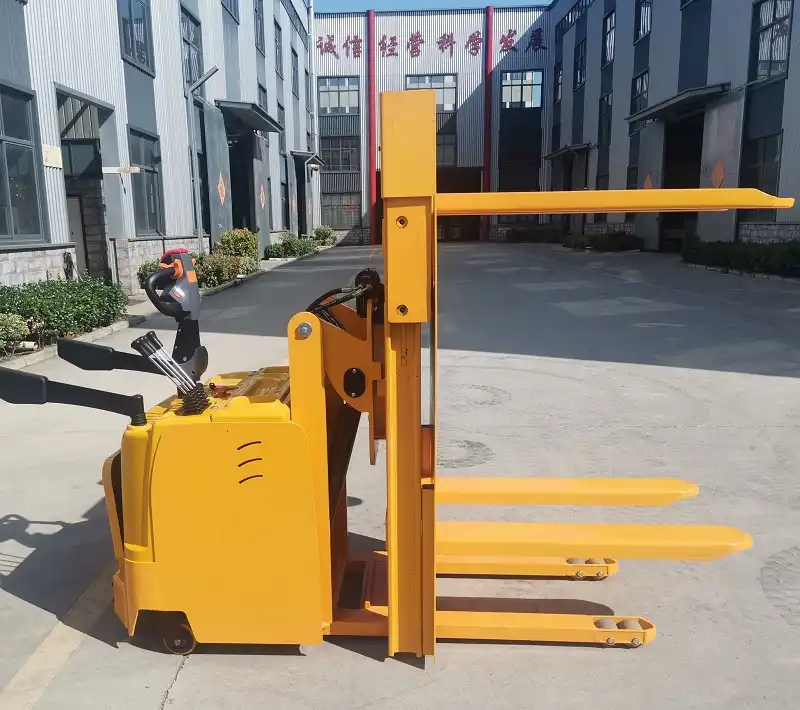
From my experience, I have seen how manual pallet handling can drain resources. Imagine the time lost when workers manually transfer thousands of items from Euro pallets to US pallets for export, or vice versa, every single day. This is not just about moving goods; it is about compliance with international shipping standards and avoiding costly fines. A pallet inverter tackles these issues head-on. It streamlines the transfer process, making it faster and much more reliable. This means fewer errors, quicker turnaround times, and a safer environment for everyone in the warehouse. For me, seeing clients improve their workflow and bottom line is always the biggest reward. (operational challenges, efficiency gains)
-
Addressing Pallet Diversity for Global Trade:
- 🌍 International Standards: Different countries use different pallet sizes. Euro pallets (1200x800mm) and US pallets (48×40 inches) are common examples. For businesses exporting or importing, this means frequent pallet changes. An inverter makes this switch seamless. It helps you meet compliance for varying regional pallet specifications.
- 📦 Product Integrity: Sometimes you need to transfer goods from wooden to plastic pallets. Wooden pallets can carry risks of splinters or contamination, which are not ideal for food or pharmaceutical products. Plastic pallets are cleaner and more hygienic. A pallet inverter ensures a smooth transfer without damaging the product. This protects your goods and your reputation.
- 🔄 Optimizing Storage: You might need to move products from damaged pallets onto new ones. Or you might want to switch to a different pallet size to optimize storage density in your warehouse. The inverter allows for quick and secure pallet replacement without disturbing the stacked product. This improves warehouse flow. (pallet changeover, cross-docking, hygienic pallets)
-
Improving Safety and Reducing Labor Strain:
- 🚑 Eliminating Manual Lifting: Manually flipping or changing pallets is dangerous. It can lead to severe back injuries, crushed limbs, or goods falling. I have heard too many stories of accidents that could have been prevented. Pallet inverters remove the need for manual lifting and tilting. This drastically reduces the risk of workplace injuries.
- 💪 Combating Labor Shortages: Finding people willing to do heavy, repetitive lifting is getting harder. Labor costs are also rising. Automation is a smart solution. A pallet inverter performs the heavy lifting, freeing your team for more skilled tasks. This helps you manage labor shortages effectively.
- 🛡️ Protecting Goods and Equipment: Accidents do not just hurt people; they damage products and warehouse equipment. A controlled mechanical transfer reduces the chance of goods being dropped or forklifts being damaged during manual handling. This saves money on repairs and replacements. (workplace safety, ergonomic solutions, labor optimization)
-
Boosting Operational Efficiency and Cost Savings:
- ⏱️ Faster Throughput: Manual pallet changing takes a long time. An inverter can complete a transfer in minutes, sometimes even seconds. This speed increases your overall warehouse throughput. You can process more orders faster.
- 💰 Reduced Operational Costs: Less reliance on manual labor means lower labor costs. Fewer accidents mean lower insurance premiums and compensation costs. Faster processing means less overtime. Over time, these savings add up.
- 📈 Increased Productivity: With faster pallet changes and safer operations, your entire team becomes more productive. Your forklifts spend less time waiting. Your shipping deadlines are met more easily. This translates to a more efficient and profitable operation. (warehouse automation, supply chain efficiency, return on investment)
What Types of Pallet Inverters Are There, and Which Suits Your Needs?
Choosing the right pallet inverter depends on your specific operational setup. There is no one-size-fits-all solution. Each type has its own advantages, designed for different volumes, pallet types, and levels of automation. If you pick the wrong one, you might not get the efficiency boost you hoped for. Understanding the differences is key to making a smart investment for your warehouse or production line.
There are primarily three types of pallet inverters: 90-degree pallet inverters, 180-degree pallet inverters (or tippers), and inline pallet transfer systems. The best choice depends on whether you need to simply change a pallet, rotate goods, or integrate the process into a fully automated line, considering factors like space, speed, and product type.
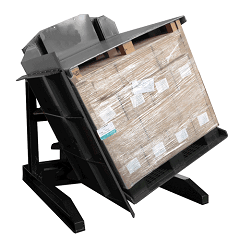
When I first started building machines, I quickly learned that customization and flexibility were critical. A client, much like Carlos, might need to switch between plastic and wooden pallets daily. Another might need to invert a stack of delicate products. My experience taught me that providing a range of options is essential to meet diverse needs. FHOPEPACK offers various pallet inverter solutions, from simple stand-alone units to fully integrated systems. We focus on designing machines that not only perform reliably but also fit seamlessly into your existing workflow, ensuring you get the most out of your investment. (custom packaging solutions, material handling equipment)
-
90-Degree Pallet Inverters (Pallet Transfer Units):
- 🧐 What they do: These machines typically tilt a load by 90 degrees. They are great for transferring goods from one pallet to another when the product needs to stay upright. Think of it as a controlled side-shift rather than a full flip. The machine holds the load securely while the bottom pallet is removed and a new one is introduced.
- ⚙️ Best for: Operations where you need to change pallets without disturbing the product orientation. This is ideal for unstable loads, certain food products, or goods that must remain upright. They are also good for freeing up damaged pallets.
- 📏 Considerations: They usually require less headroom than 180-degree models. They are often used as standalone units but can also be integrated into a semi-automated line. They prioritize product stability during the transfer. (pallet transfer, load retention, product orientation)
-
180-Degree Pallet Inverters (Pallet Tippers/Flippers):
- 🔄 What they do: These machines can fully invert or “tip” a pallet load by 180 degrees. This allows access to the bottom of the load, often for changing the pallet, removing slip sheets, or even rotating product for specific manufacturing processes or ripening.
- 🥫 Best for: Industries needing to replace a damaged pallet at the bottom of a stack, or those that need to switch between hygienic pallets (e.g., plastic) and transport pallets (e.g., wooden). They are also useful for inverting heavy or awkward loads. For example, some food products benefit from being inverted during storage.
- 🏋️ Considerations: They come in various capacities, from handling single pallets to heavy-duty industrial loads. They often require more vertical space. Both static and mobile versions exist. Static models are usually more robust for high-volume work. (pallet rotation, heavy load handling, damage repair)
-
Inline Pallet Transfer Systems (Fully Automated):
- 🚄 What they do: These are advanced systems designed for high-volume operations where pallet changes are integrated directly into a production or packing line. They automatically receive a loaded pallet, transfer the goods to a new pallet, and then discharge the new pallet, all with minimal human intervention.
- 🏭 Best for: Large distribution centers, high-speed production lines, or facilities like Carlos’s food and beverage group, where thousands of pallets move daily. They are essential for achieving maximum efficiency and throughput in a continuous operation.
- 🤖 Considerations: These systems offer the highest level of automation and speed. They require careful planning for integration into existing conveyor systems. While the initial investment is higher, the long-term savings in labor and increased efficiency are significant. They are built for continuous, reliable performance. (automated warehousing, high-volume operations, system integration)
What Key Features Should You Look For in a Pallet Inverter?
Once you know the type of inverter you need, the next step is to examine its features. This is where reliability, safety, and adaptability come into play. A machine might look good on paper, but if it does not perform consistently or poses safety risks, it becomes a liability, not an asset. As an engineer, I always focus on the practical aspects that ensure long-term value and smooth operation.
When choosing a pallet inverter, you should prioritize robust construction for reliability, advanced safety features to protect workers, and adaptability for various pallet sizes and load types. Look for user-friendly controls, low maintenance requirements, and the ability to integrate with your existing material handling systems for optimal performance.
I built FHOPEPACK on the principle that machines should make life easier and safer, not more complicated. I remember one client who bought a cheap inverter only to find it broke down constantly and needed complex repairs. That is a false economy. From my experience with coil packing, handling machines, and pallet changers, I know the value of solid engineering. You need a machine that can withstand the demands of a busy warehouse, day in and day out, just like Carlos needs for his high-intensity food distribution center. Always check for quality components and thoughtful design, not just the lowest price. (industrial machinery, equipment reliability)
-
Robust Construction and Durability:
- 🏗️ Material Quality: The machine should be built from high-grade steel and components. Look for heavy-duty frames and strong clamping mechanisms. This ensures the inverter can handle the constant stress of heavy loads without failing. Cheap materials lead to frequent breakdowns.
- ⏱️ Long Service Life: An industrial pallet inverter is a long-term investment. It needs to operate reliably for many years, even under high-intensity usage. Check for features like hardened steel rollers, durable hydraulic cylinders, and corrosion-resistant finishes. These details make a big difference in the machine’s lifespan.
- 🛠️ Maintenance Access: Easy access to key components for routine maintenance is crucial. A machine that is hard to service will lead to longer downtime and higher maintenance costs. Look for simple, clear access points. (heavy-duty equipment, industrial reliability, low maintenance)
-
Advanced Safety Features:
- 🛑 Emergency Stop Mechanisms: All pallet inverters must have easily accessible emergency stop buttons. These should immediately halt all machine movement. This is non-negotiable for worker safety.
- 🔐 Interlocks and Guarding: Safety interlocks prevent the machine from operating if guards are open or if a worker is too close. Physical guarding around moving parts is also essential to prevent accidental contact. Many inverters now include light curtains or pressure mats.
- 🚨 Audible and Visual Alarms: The machine should provide clear warnings when it is about to operate or during an emergency. Flashing lights and sirens alert workers in the vicinity. This helps prevent accidents.
- 👨🔬 Ergonomic Design: Consider how workers interact with the machine. Are controls at a comfortable height? Is there clear visibility of the load? Good ergonomic design reduces operator fatigue and the chance of errors. (worker protection, hazard prevention, operational safety)
-
Adaptability and Customization:
- 📐 Pallet Size Versatility: Can the inverter handle a range of pallet sizes (Euro, US, custom)? This is vital for businesses with diverse inbound and outbound logistics. Adjustable clamping forces and platform sizes allow for this flexibility.
- 📦 Load Type Compatibility: Can it handle different load types, weights, and heights? Some inverters are designed for delicate items, while others are built for extremely heavy loads. Ensure the clamping pressure and inversion mechanism are suitable for your specific products.
- 🔧 Customization Options: A good supplier, like FHOPEPACK, should offer customization. This might include special paint finishes for food-grade environments, specific control panel layouts, or integration with existing conveyor lines. Tailored solutions perform better. (flexible manufacturing, adaptable machinery, bespoke solutions)
-
Ease of Use and Integration:
- 📱 Intuitive Controls: The control panel should be straightforward and easy for operators to understand. Touchscreens with clear graphics are often preferred. Training should be minimal.
- 🔗 Seamless Integration: If you are looking for an inline system, ensure it can integrate smoothly with your existing conveyors, WMS (Warehouse Management System), and other automation equipment. This prevents bottlenecks and maximizes efficiency.
- 🔌 Power and Utilities: Check the power requirements and ensure they match your facility’s capabilities. Consider any compressed air needs or specific environmental conditions (e.g., cold storage) that might affect machine performance. (user experience, system compatibility, operational flow)
How Can a Pallet Inverter Improve Your Warehouse Operations and Bottom Line?
Investing in new equipment is a big decision. You need to be sure it will provide real benefits. For many warehouse and logistics managers, like Carlos, the core challenge is balancing efficiency, cost, and safety. A pallet inverter is not just a machine; it is a strategic tool that can significantly impact all these areas. It solves pressing issues and helps you achieve important business goals.
A pallet inverter can drastically improve your warehouse operations by automating labor-intensive tasks, thereby boosting throughput and reducing manual handling risks. It enhances safety, lowers operational costs through decreased labor dependency and damage, and ensures compliance with diverse shipping standards, directly contributing to your bottom line and customer satisfaction.
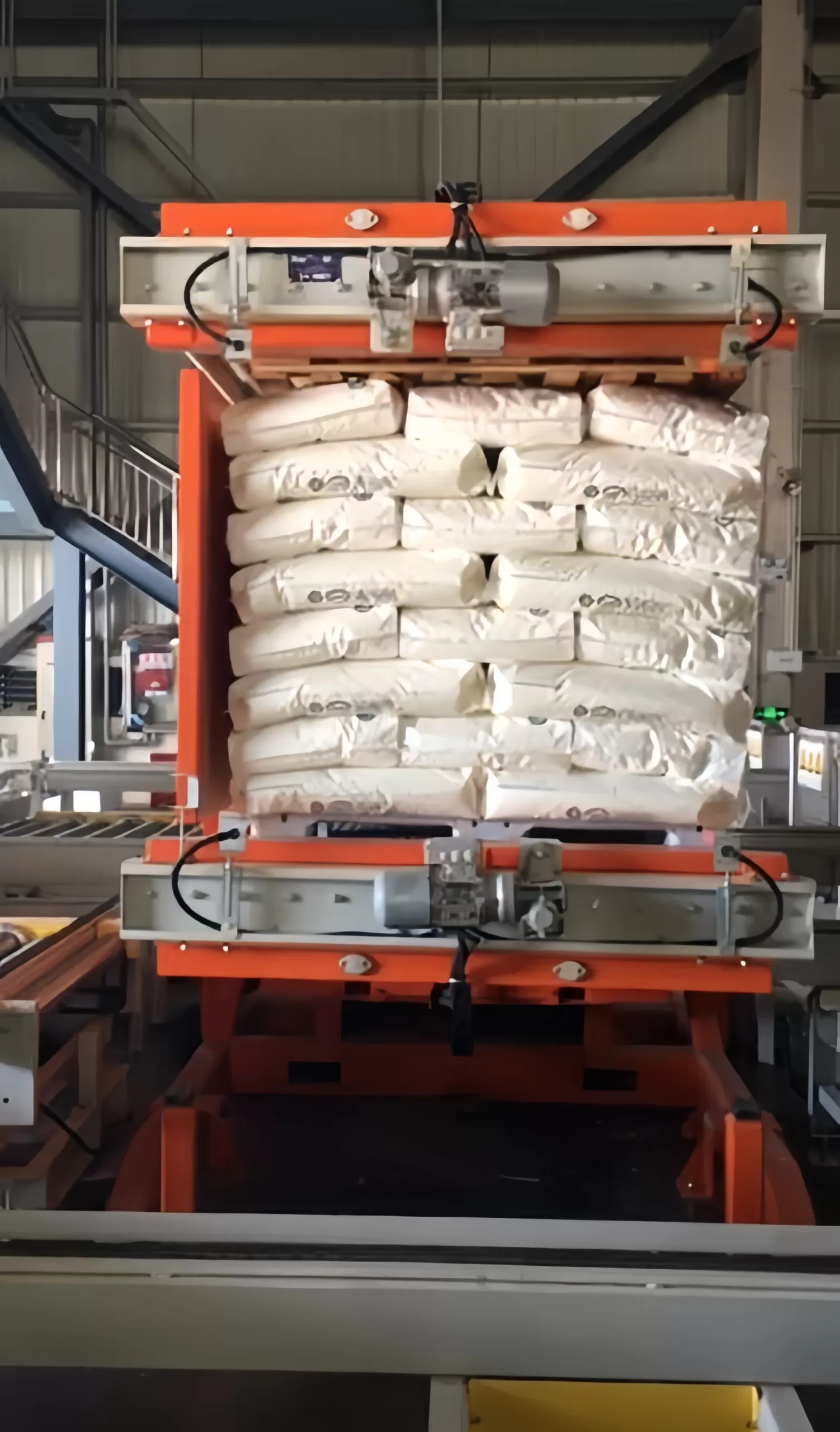
My journey in the packing machine industry has always been about finding ways to help businesses grow. I saw firsthand how even small improvements in material handling could lead to huge gains. For example, a client who adopted our pallet changing solution reported a 30% increase in their shipping speed and a noticeable drop in product damage. These kinds of results are why I am passionate about what FHOPEPACK does. A pallet inverter is more than a purchase; it is an investment in a more efficient, safer, and ultimately more profitable future for your business. (business growth, operational efficiency)
-
Boosting Operational Efficiency and Throughput:
- ⚡ Reduced Cycle Times: Manual pallet changing is slow and prone to errors. A pallet inverter performs these tasks quickly and consistently. This significantly reduces the time it takes to prepare goods for shipping or storage. Faster cycle times mean more pallets processed per hour.
- ⏳ Continuous Flow: In an automated setup, pallet inverters integrate with conveyors to create a continuous material flow. This eliminates bottlenecks that often occur during manual transfers. Your production or distribution line keeps moving without interruption.
- 📈 Increased Productivity: By automating a repetitive task, you free up your valuable workforce. They can then focus on more complex, value-added activities. This optimizes your overall labor utilization and productivity. You get more done with the same resources. (production flow, inventory turnover, logistics optimization)
-
Enhancing Safety and Reducing Risks:
- 🚫 Eliminating Manual Handling Hazards: This is one of the biggest benefits. Manual pallet changes involve heavy lifting, awkward movements, and the risk of loads tipping. A pallet inverter takes workers out of harm’s way. It prevents back injuries, crushed feet, and other common warehouse accidents.
- 📉 Lower Accident Rates: Fewer manual tasks directly translate to fewer accidents. This is good for your employees’ well-being and also reduces your insurance premiums and potential compensation claims. A safer workplace also improves morale.
- 🛡️ Product Protection: In addition to protecting people, a controlled mechanical transfer minimizes the risk of product damage. This means fewer returns, less waste, and a better reputation with your clients. (workplace safety standards, risk management, incident reduction)
-
Driving Down Costs and Improving the Bottom Line:
- 💵 Reduced Labor Costs: Automation means you need fewer workers for pallet changing tasks. This helps in managing rising labor costs and shortages. The machine becomes a tireless worker, without overtime pay or benefits.
- 💰 Savings on Damage and Returns: Fewer accidents mean less damaged inventory. Less damage means fewer returns from customers. This directly impacts your profitability by cutting losses and improving customer satisfaction.
- ♻️ Optimized Pallet Usage: With efficient pallet transfer, you can better manage your pallet inventory. You can quickly switch out damaged pallets, or consolidate loads, extending the life of your reusable pallets and reducing the need to buy new ones.
- ✅ Compliance and Fines Avoidance: For international logistics, meeting specific pallet standards is crucial. An inverter ensures rapid and compliant pallet changes, helping you avoid costly shipping delays, penalties, and customs issues. (cost efficiency, profit margin, operational savings)
What Makes a Pallet Inverter Supplier a True Partner?
Choosing a pallet inverter is not just about the machine; it is about the relationship with the supplier. Many companies simply sell you a product and then disappear. But for a critical piece of equipment like a pallet inverter, you need more than just a vendor. You need a partner who understands your business, offers ongoing support, and stands by their products. This is what I have always strived for at FHOPEPACK.
A true pallet inverter supplier partner offers more than just machines; they provide deep industry knowledge, customized solutions, reliable after-sales support, and a commitment to understanding and solving your specific operational challenges. They act as a consultant, ensuring the inverter chosen genuinely enhances your business goals, rather than just selling equipment.
From my early days as an employee to building FHOPEPACK, I have seen the difference a good partnership makes. When I helped clients grow their businesses, it was never just about delivering a machine. It was about listening to their pain points, like needing a robust solution for diverse pallet types or cutting down on manual labor accidents. It was about providing support long after the sale. That is why FHOPEPACK focuses on being a comprehensive solutions provider, not just a seller. We want to be your trusted advisor, ensuring your investment pays off for years to come. (client relationship, technical expertise, after-sales service)
-
Deep Industry Knowledge and Consultation:
- 🧠 Understanding Your Needs: A good partner takes the time to understand your specific industry (e.g., food and beverage, logistics), your unique operational flow, and your pain points. They ask questions about your pallet types, load weights, throughput requirements, and safety concerns.
- 🤝 Expert Advice: They should not just push their most expensive product. Instead, they offer expert advice on which pallet inverter type and features best suit your budget and operational goals. They can even suggest workflow improvements.
- 📏 Customization Capability: If your needs are unique, a partner can offer customized solutions. This might involve modifying an existing machine or designing a bespoke system that fits perfectly into your space and processes. FHOPEPACK prides itself on this flexibility. (consultative approach, specialized knowledge, solution-oriented)
-
Reliable After-Sales Support and Maintenance:
- ⚙️ Installation and Training: The supplier should provide professional installation services and thorough training for your operators and maintenance staff. This ensures your team can use and maintain the machine safely and efficiently from day one.
- 🛠️ Technical Support: What happens if the machine breaks down? A true partner offers prompt technical support, whether it is remote troubleshooting or on-site visits. Quick resolution of issues minimizes downtime.
- 📦 Spare Parts Availability: Access to genuine spare parts is crucial. A reliable supplier maintains a stock of common parts to ensure quick replacements, preventing long delays in your operations. They understand that every hour of downtime costs you money.
- 🔧 Preventative Maintenance Plans: Many reputable suppliers offer preventative maintenance contracts. These plans help extend the life of your machine, prevent unexpected breakdowns, and ensure optimal performance. (customer service, machine longevity, technical assistance)
-
Quality, Reliability, and Proven Track Record:
- 🏅 Product Quality: The machines should be built to high standards, using quality components for durability and reliability. Look for certifications and adherence to international safety standards.
- 📈 Case Studies and References: A trustworthy supplier can provide examples of successful installations and client testimonials. Seeing how they have helped other businesses, especially those similar to yours, gives you confidence.
- 🏭 Manufacturing Capabilities: Knowing the supplier designs and manufactures their own equipment, like FHOPEPACK does, can be a big advantage. It means they have full control over quality and can offer better customization and support. (industry reputation, product excellence, performance history)
Conclusion
Choosing the right pallet inverter is a strategic decision for any warehouse or production line. By focusing on your specific needs for efficiency, safety, and reliability, and partnering with a knowledgeable supplier like FHOPEPACK, you can significantly enhance your operations. This investment will improve throughput, reduce costs, and create a safer, more productive work environment, ultimately boosting your bottom line and ensuring long-term success.








