
How to Choose Between Steel and Plastic Strapping for Coil Packaging
Are you grappling with damaged coils arriving at their destination, or struggling with inefficient packaging processes for your coil products? Choosing the right strapping for coil packaging is crucial, but with options like steel and plastic, the decision can be complex. Incorrect strapping can lead to product damage, unsafe handling, and increased costs.
Choosing between steel and plastic strapping for coil packaging depends on several factors including coil weight, material, transportation method, and budget. Steel strapping is ideal for heavy, dense coils requiring maximum strength and minimal stretch, while plastic strapping (polyester or polypropylene) offers cost-effectiveness, flexibility, and ease of handling for lighter to medium-weight coils. This guide will delve into the specifics of each material to help you make the optimal choice for secure and efficient coil packaging.
This article breaks down the key differences between steel and plastic strapping, exploring their strengths, weaknesses, and ideal applications in coil packaging. By understanding these nuances, you can ensure your coils are securely packaged, minimizing damage and optimizing your operational efficiency. Let’s dive in.
Steel Strapping for Coil Packaging: Unmatched Strength and Security
When it comes to securing heavy and unyielding coils, steel strapping stands as the veteran choice, renowned for its unparalleled strength and minimal elongation. Imagine massive steel coils, each weighing tons, being transported across vast distances – steel strapping is often the unsung hero ensuring these behemoths arrive safely and intact. But is it always the right choice for coil packaging?
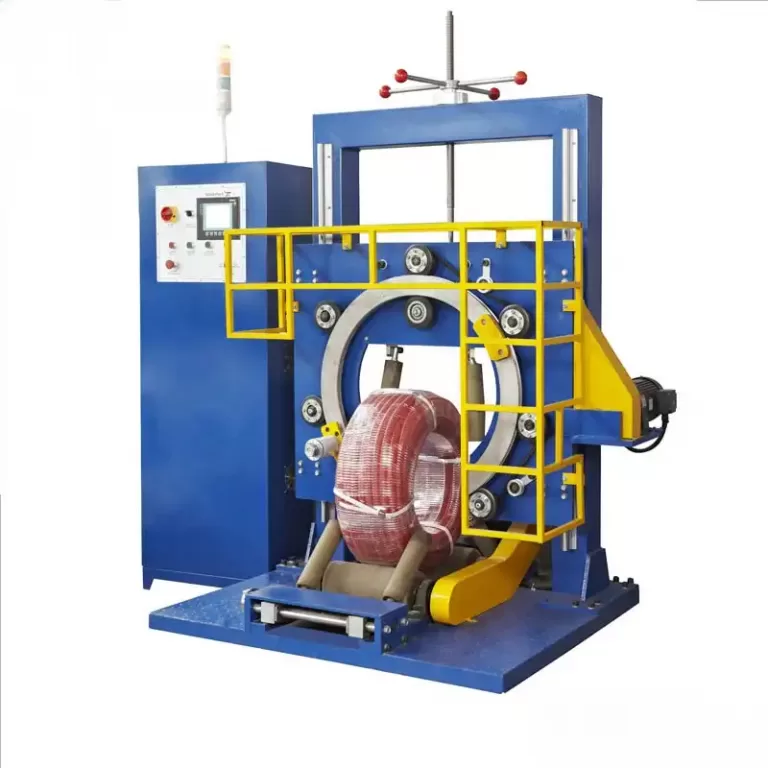
Steel strapping is the strongest strapping material available, offering the highest tensile strength and break strength. It is ideal for extremely heavy coils, coils with sharp edges, and applications requiring minimal stretch and maximum security. Steel’s rigidity ensures load stability and is resistant to extreme temperatures and UV radiation, making it suitable for harsh environments and long-term storage. However, its weight, sharpness, and potential for rust should also be considered.
Decoding Steel Strapping: Types, Gauges, and Applications for Coils
Steel strapping isn’t a one-size-fits-all solution. Understanding its various types and gauges is crucial for selecting the optimal steel strapping for your specific coil packaging needs. Factors like coil weight, material, and handling conditions will dictate the best type of steel strapping to employ.
Types of Steel Strapping
-
Regular Duty Steel Strapping: This is the most economical type of steel strapping, suitable for light to medium-heavy coils where high strength is needed but extreme break strength isn’t paramount.
-
High Tensile Steel Strapping: Designed for heavy-duty applications, high tensile steel strapping offers significantly higher break strength and is ideal for securing the heaviest and most demanding coils.
-
Zinc Coated Steel Strapping: Features a zinc coating for enhanced corrosion resistance, making it suitable for coils stored or transported in humid or outdoor environments.
Gauges and Dimensions
Steel strapping thickness and width are critical factors influencing its strength and performance. Thicker and wider straps offer greater tensile strength and are necessary for heavier coils. Common gauges range from .015″ to .035″ and widths from 1/2″ to 1 1/4″. The table below illustrates typical applications based on coil weight and strapping dimensions:
| Coil Weight Category | Recommended Steel Strapping Thickness (inches) | Recommended Steel Strapping Width (inches) | Typical Coil Applications |
|---|---|---|---|
| Light to Medium | 0.015 – 0.020 | 1/2 – 5/8 | Small steel coils, wire coils, lightweight metal products |
| Medium to Heavy | 0.020 – 0.025 | 5/8 – 3/4 | Standard steel coils, pipes, tubing |
| Heavy | 0.025 – 0.035 | 3/4 – 1 1/4 | Large, heavy steel coils, machinery parts, dense loads |
Ideal Coil Applications for Steel Strapping
Steel strapping excels in packaging:
- Heavy Steel Coils: For large, mill-sized steel coils where maximum strength and security are non-negotiable.
- Sharp-Edged Coils: When coils have sharp edges that could cut into or damage plastic strapping, steel provides superior abrasion resistance.
- High-Temperature Coils: Steel strapping can withstand high temperatures better than plastic, making it suitable for coils that are still warm after processing.
- Long-Distance or Harsh Shipping Conditions: For coils undergoing rigorous transportation, steel’s durability ensures consistent security throughout the journey.
Plastic Strapping for Coil Packaging: Versatility and Cost-Effectiveness
Plastic strapping, encompassing polyester and polypropylene, presents a versatile and economical alternative to steel for coil packaging. Imagine securing bundles of lighter gauge coils or wire products – plastic strapping offers a gentler approach while still maintaining adequate holding force. But can it truly compete with steel in demanding coil packaging scenarios?
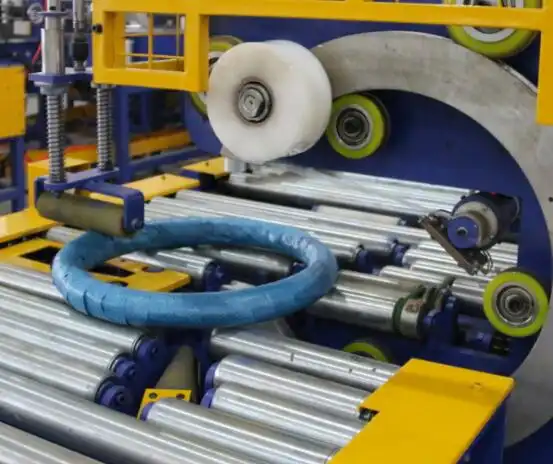
Plastic strapping, particularly polyester (PET) and polypropylene (PP), offers a cost-effective and user-friendly alternative to steel for coil packaging. Polyester strapping is stronger and more rigid than polypropylene, providing good tensile strength and retained tension for medium to heavy coils. Polypropylene is more economical and flexible, suitable for lighter coils and bundling applications. Plastic strapping is safer to handle than steel, resists rust and corrosion, and is recyclable. However, it has lower tensile strength than steel and is more susceptible to elongation and UV degradation.
Plastic Strapping Deep Dive: Types, Properties, and Coil Suitability
Plastic strapping isn’t just one type of material; it encompasses distinct categories each with unique properties that cater to different coil packaging requirements. Choosing between polyester and polypropylene strapping hinges on understanding these key differences and matching them to your coil specifications.
Types of Plastic Strapping for Coils
-
Polyester (PET) Strapping: Often considered a “steel replacement,” polyester strapping boasts high tensile strength, excellent retained tension, and good elongation recovery. It’s ideal for medium to heavy coils requiring robust security over extended periods.
-
Polypropylene (PP) Strapping: The most economical plastic strapping option, polypropylene is best suited for light to medium-duty coil bundling and palletizing. While less strong than polyester, it offers good flexibility and is sufficient for many in-plant and short-haul applications.
Key Properties Comparison: Polyester vs. Polypropylene
| Property | Polyester (PET) Strapping | Polypropylene (PP) Strapping |
|---|---|---|
| Tensile Strength | High | Medium |
| Elongation | Low | Medium to High |
| Retained Tension | Excellent | Fair to Good |
| Elongation Recovery | Good | Fair |
| Cost | Moderate | Low |
| UV Resistance | Fair to Good | Poor to Fair |
| Temperature Resistance | Good | Fair |
| Recyclability | Generally Recyclable | Generally Recyclable |
| Safety | Safer than steel, less sharp edges | Safer than steel, less sharp edges |
| Coil Suitability | Medium to Heavy Coils, demanding applications | Light to Medium Coils, bundling, unitizing |
Best Coil Packaging Applications for Plastic Strapping
Plastic strapping is particularly well-suited for:
- Lighter Gauge Coils: For smaller, lighter coils where excessive strength is not required but secure bundling is important.
- Coils Prone to Settling or Shifting: Plastic strapping’s elongation and recovery properties accommodate settling or shifting during transit, maintaining tension.
- Cost-Sensitive Applications: When budget is a primary concern and coil weight is within plastic strapping’s capabilities.
- Indoor or Protected Environments: For coils stored or transported in environments with minimal exposure to harsh weather or UV radiation.
- User Safety Prioritized: In operations where minimizing worker injury risk from sharp strapping is a key objective.
Application Tools and Techniques: Steel vs. Plastic Strapping for Coils
The effectiveness of both steel and plastic strapping heavily relies on proper application techniques and the use of appropriate tools. Imagine trying to secure a heavy coil with just your bare hands – impossible and unsafe! Understanding the tooling and methods for each strapping type is crucial for achieving secure and efficient coil packaging.
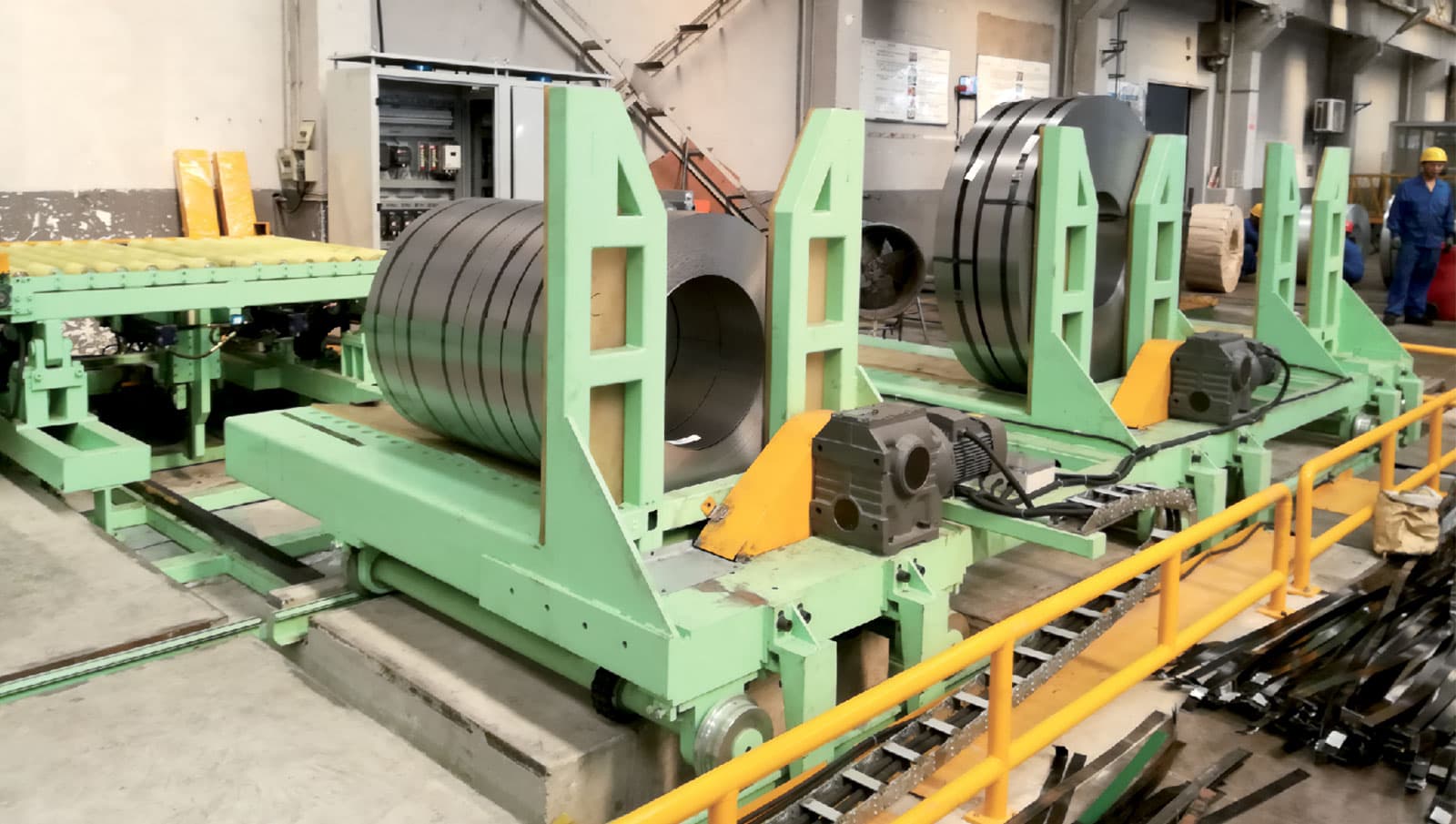
Applying steel strapping typically requires manual or pneumatic tools for tensioning and sealing, while plastic strapping can be applied with manual, pneumatic, or battery-powered tools. Steel strapping often uses metal seals or clips for securement, whereas plastic strapping can be sealed with heat, friction welding, buckles, or clips. The choice of tools and techniques impacts application speed, consistency, and operator fatigue. Proper training and tool maintenance are essential for safe and effective strapping application.
Mastering Strapping Application: Tools and Best Practices
Effective coil strapping application is a skill that combines the right tools with proper technique. Whether you’re working with steel or plastic, understanding the nuances of tensioning, sealing, and cutting is paramount for secure and safe coil packaging.
Steel Strapping Tools and Techniques
- Tensioners: Manual feed wheel tensioners, windlass tensioners, and pneumatic tensioners are used to apply high tension to steel strapping. Pneumatic tensioners offer faster and more consistent tensioning, reducing operator fatigue for high-volume applications.
- Sealers: Steel strapping is typically sealed using metal seals or clips. Manual crimpers, pneumatic sealers, and sealless tools are available. Sealless tools create a friction weld, eliminating the need for separate seals.
- Cutters: Heavy-duty cutters are essential for safely and cleanly cutting steel strapping after tensioning and sealing.
- Application Technique: Steel strapping application often involves a two-handed operation – one hand to tension, the other to seal. Overlapping straps and using edge protectors can enhance security and prevent coil damage.
Plastic Strapping Tools and Techniques
- Manual Tensioners: Hand buckle tensioners, windlass tensioners, and push-type tensioners are used for manual plastic strapping application, suitable for lower volume or mobile applications.
- Pneumatic and Battery-Powered Tools: These tools combine tensioning, sealing (heat seal or friction weld), and cutting into one automated process, significantly increasing speed and efficiency for plastic strapping. Battery-powered tools offer cordless mobility.
- Sealing Methods: Plastic strapping can be sealed using heat sealing (thermal fusion), friction welding (vibration), plastic or metal buckles, or clips. Heat and friction welding provide the strongest and most efficient seals for high-volume applications. Buckles and clips offer re-tensionability.
- Application Technique: Plastic strapping is generally easier to apply than steel. Overlap is still recommended, and edge protectors are beneficial, especially for heavier coils. Tool selection should align with application volume and desired automation level.
Best Practices for Safe and Effective Strapping Application
Regardless of strapping type, these best practices are crucial:
- Training: Proper training for operators on tool operation, tensioning techniques, and safety procedures is essential.
- PPE: Always use appropriate Personal Protective Equipment (PPE) including gloves and safety glasses when applying and removing strapping.
- Tool Maintenance: Regular maintenance of strapping tools ensures optimal performance, extends tool life, and enhances safety.
- Tension Control: Apply the correct tension for the coil weight and strapping type. Over-tensioning can damage coils or straps; under-tensioning compromises security.
- Seal Integrity: Ensure seals are properly formed and secure. A weak seal is the most common point of failure in strapped packages.
Cost Analysis: Steel vs. Plastic Strapping for Coil Packaging
Ultimately, the choice between steel and plastic strapping often boils down to a cost-benefit analysis. While steel strapping might offer superior strength, its higher material cost and more complex application can impact overall packaging expenses. Conversely, plastic strapping’s lower material cost might be offset by potential trade-offs in strength for certain heavy coil applications.
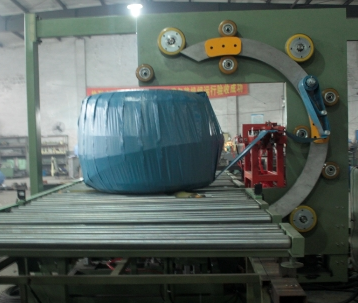
Steel strapping generally has a higher material cost per foot than plastic strapping. However, steel may be more cost-effective for very heavy or high-value coils where security and damage prevention are paramount, minimizing potential loss from product damage. Plastic strapping offers lower material costs and potentially lower labor costs with automated tools, making it economical for medium to light-duty coil packaging and high-volume applications. A comprehensive cost analysis should consider material costs, tooling investment, labor costs, and potential product damage rates for each strapping type.
To conduct a thorough cost comparison, consider these factors:
-
Material Costs: Compare the per-foot cost of steel strapping versus your chosen plastic strapping (polyester or polypropylene) based on required dimensions and quantities. Steel prices fluctuate more than plastic prices, so consider market volatility.
-
Tooling Investment: Factor in the initial investment and maintenance costs for strapping tools. Steel strapping tools are generally more expensive and may require more maintenance than basic plastic strapping tools. Automated plastic strapping tools can have higher upfront costs but offer long-term labor savings.
-
Labor Costs: Assess labor time per coil packaged for each strapping type. Automated plastic strapping systems can significantly reduce labor time compared to manual steel strapping.
-
Damage Rates and Product Loss: Estimate potential product damage and loss rates associated with each strapping type. While plastic is cheaper, if it leads to higher damage rates for heavy coils, the overall cost could be higher than using steel.
-
Disposal and Recycling Costs/Revenue: Consider disposal costs for steel and plastic strapping. Steel is readily recyclable and may have scrap value. Polyester and polypropylene are also recyclable, potentially reducing waste disposal fees, and aligning with sustainability goals.
-
Shipping Costs: Steel strapping’s heavier weight can slightly increase shipping costs compared to lighter plastic strapping, especially for high-volume shipments.
By quantifying these cost components for your specific coil packaging operation, you can make an informed decision about whether steel or plastic strapping offers the most cost-effective solution without compromising on required security and product protection.
Conclusion
Choosing between steel and plastic strapping for coil packaging is a critical decision impacting product safety, operational efficiency, and overall costs. Steel strapping remains the champion for heavy, demanding coil applications where maximum strength and minimal stretch are paramount. However, plastic strapping, particularly polyester, provides a compelling alternative for medium to heavy coils, offering a balance of strength, cost-effectiveness, and user-friendliness. For lighter coils and bundling needs, polypropylene strapping presents the most economical option. Ultimately, the optimal choice hinges on a detailed assessment of your coil weight, material, transportation conditions, budget constraints, and operational priorities. For further exploration into coil strapping solutions and to determine the best fit for your specific needs, consult with packaging experts who can provide tailored guidance.








