
How Spain Exporters Use Coil Wrapping Machines to Cut Product Damage in Transit?
You know the feeling. You work hard to produce top-quality steel coils or wire. Then, you ship them, hoping for the best. But when they arrive at the customer’s dock, there is damage. This problem creates big headaches. It leads to customer complaints, wasted time, and lost money. Many exporters, including those in Spain, face this issue every day. It truly hurts their business and reputation.
Spanish exporters, much like businesses worldwide, cut product damage in transit by adopting advanced coil wrapping machines. These automated systems create a consistent, protective barrier around coils and wire. This barrier shields products from impacts, moisture, and abrasion during long journeys. This move ensures products arrive in perfect condition, reducing losses and boosting customer trust.
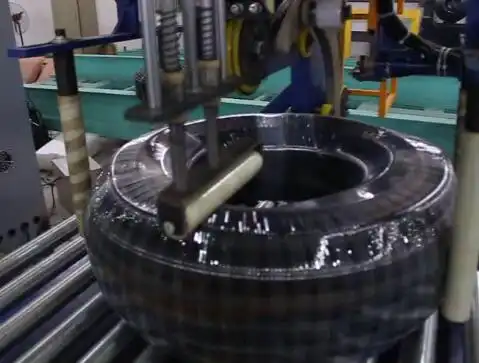
I have seen this challenge many times during my journey in the packing machine industry. From my early days as an employee to founding FHOPEPACK, helping clients solve these problems is what I do. Let me share how modern packing solutions, specifically coil wrapping machines, offer a clear path to protect your products and your profits. We will look at why old methods fail and how new technology makes a real difference.
1. Why Manual Coil Packing Leaves Your Products Vulnerable to Damage?
Are you still relying on manual packing methods for your valuable steel coils and wire? This approach often seems like a cost-saver at first. However, it quickly turns into a hidden drain on your profits. Think about the potential for inconsistent wrapping, loose materials, and worker fatigue. These issues create weak points in your packaging. They leave your products exposed to many risks during shipping.
Manual coil packing leaves products vulnerable to damage because it lacks consistency and precision. Human error means wrapping might be uneven or too loose. This leaves coils exposed to moisture, dust, and physical impact. Such unprotected products are highly prone to damage during handling, storage, and transit, leading to costly rejections and customer dissatisfaction.
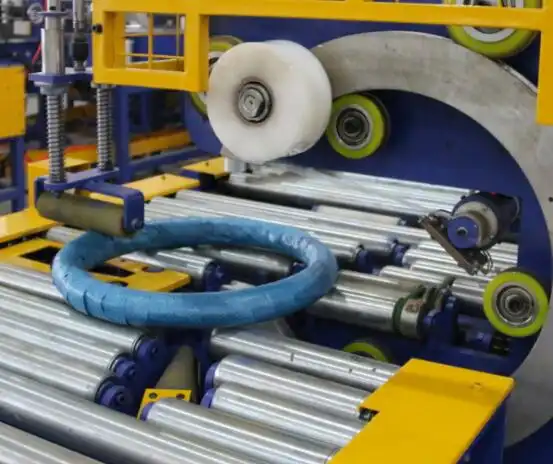
When I started my factory, I saw firsthand how manual processes could slow things down and cause trouble. We aimed to serve clients who needed their products to reach far-off markets, just like Spanish exporters shipping across continents. They needed more than just a wrap; they needed real protection. Manual methods simply could not deliver that consistent quality.
Inconsistencies Lead to Weak Points
Manual packing depends on human skill and effort. This means the quality of each packed coil can change a lot.
- Varying Tension: Workers might pull the wrapping material too tight or too loose. This makes some parts of the coil exposed or poorly protected.
- Uneven Overlap: The overlap of wrapping layers can be inconsistent. This creates gaps where dirt, moisture, or impacts can easily reach the product.
- Fatigue and Rushing: Long shifts and pressure to meet targets can make workers cut corners. This lowers packing quality even more.
Lack of Comprehensive Protection
Manual methods often miss critical areas or do not use the right materials effectively.
- Edge Damage: Steel coil edges are very vulnerable. Manual wrapping might not give them enough padding or secure covering. This leads to dents or scratches.
- Moisture Ingress: Without a tight, sealed wrap, moisture can seep in. This causes rust and degradation, especially in humid climates or during sea transit.
- Dust and Dirt: Openings in the wrapping allow dust and debris to enter. This contaminates the product surface.
Safety Concerns and High Costs
Beyond product damage, manual handling of heavy coils presents safety risks.
- Worker Injuries: Lifting and manipulating heavy wrapping materials around large coils can cause back injuries, strains, and other accidents. This increases insurance costs and decreases morale.
- Slow Production: Manual processes are much slower than automated ones. This creates bottlenecks in the production line. It delays shipments and can lead to missed deadlines.
- High Labor Costs: A large team is needed for manual packing. This adds up to significant labor costs over time. The costs often outweigh any perceived savings from not investing in machines.
My experience taught me that true efficiency and product protection come from systems, not just individual effort. Michael Chen, a factory manager in Mexico, faces similar issues. His current manual packing is “慢且效率低下” (slow and inefficient) and causes “工伤风险极高” (high injury risk). This is exactly what I mean. If Spanish exporters want to protect their goods and workers, they need to look beyond manual methods. They must consider better solutions.
2. How Coil Wrapping Machines Precisely Protect Steel Coils and Wire?
Are you tired of seeing your profits erode because of damaged goods? The answer lies in precision and automation. Coil wrapping machines offer a powerful solution. They change the game for businesses that ship heavy, delicate products. These machines wrap coils with unmatched consistency and security. They build a strong defense against the many dangers of transit.
Coil wrapping machines precisely protect steel coils and wire by applying wrapping material with consistent tension and overlap. They create a secure, multi-layered barrier. This barrier defends products from physical impacts, moisture, dust, and corrosion. This automated process ensures every coil receives uniform protection, drastically cutting damage risks during handling and shipping.
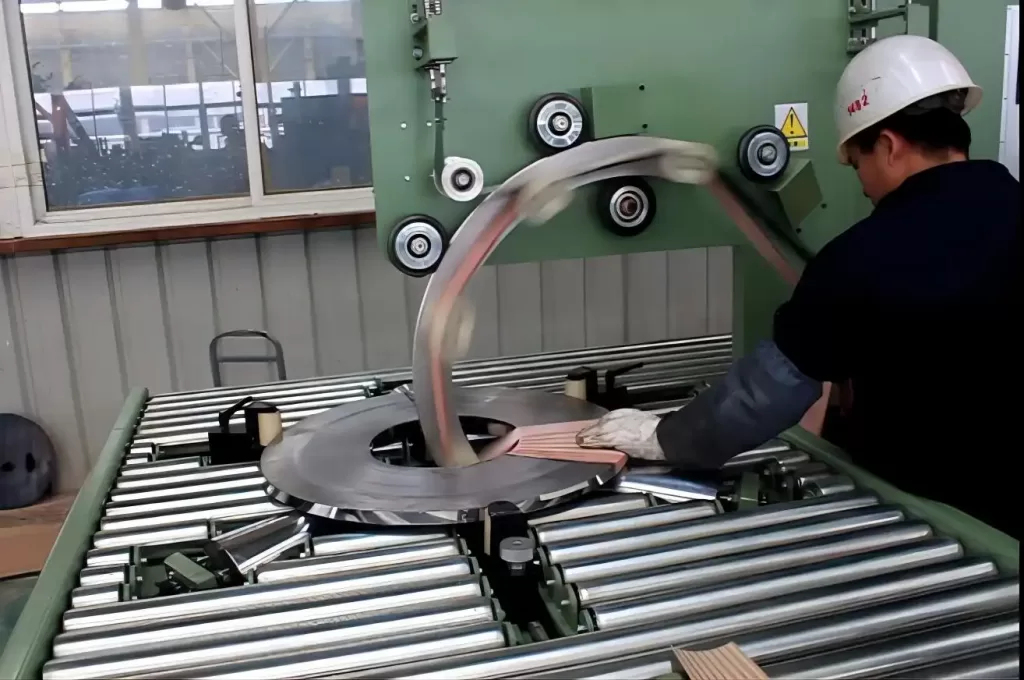
When I was building my packing machine factory, I knew we had to focus on solving the root causes of damage. It was not enough to just cover a coil. We needed to truly protect it. This meant engineering machines that could perform complex tasks with simple, reliable actions. This is how we designed coil wrapping machines to tackle the toughest challenges.
Automated Precision for Unmatched Protection
Coil wrapping machines remove human variability from the packing process.
- Consistent Tension Control: Machines apply wrapping material at a constant, preset tension. This ensures a tight, secure wrap every time. It eliminates loose spots or over-stressed areas.
- Uniform Overlap: The wrapping head moves around the coil at a steady speed. It guarantees a consistent overlap of material. This creates a solid, gap-free barrier against external elements.
- Customizable Wraps: Modern machines allow for different wrapping patterns and material layers. You can adjust them for specific product needs or transit conditions. This includes adding extra protection for vulnerable edges or using specialized anti-corrosion films.
Robust Barrier Against Environmental Threats
The quality of the wrap creates a strong shield for your products.
- Moisture Resistance: The tight, sealed layers of wrapping material act as an effective barrier against water and humidity. This is very important for steel products that can rust easily. Many machines can also integrate desiccant dispensers or VCI (Volatile Corrosion Inhibitor) film for added rust prevention.
- Dust and Dirt Protection: A complete wrap keeps out dust, dirt, and other contaminants. This maintains the product’s cleanliness and quality.
- Abrasion and Impact Protection: The multi-layered wrap absorbs shocks and prevents surface scratches. This is crucial during loading, unloading, and vibrations in transit.
Example: Ring Wrapper for Steel Coils
Consider a large steel coil, weighing several tons. Manually wrapping it is difficult and dangerous.
- Process: A coil wrapping machine, often a ring wrapper, positions the coil. The wrapping head then passes through the eye of the coil and around its circumference. It applies layers of stretch film, woven fabric, or VCI paper.
- Benefits: This concentric wrapping ensures all surfaces are covered evenly. It creates a compact, stable package. This package is less likely to shift or unravel during shipment.
-
Comparison: Feature Manual Packing Coil Wrapping Machine Consistency Low, depends on worker skill High, machine-controlled Protection Variable, prone to gaps Uniform, sealed, multi-layered Speed Slow, labor-intensive Fast, highly efficient Safety High risk of worker injury Low risk, automated process Material Use Often inefficient, waste Optimized, minimal waste Damage Rate High Significantly low
From my perspective, seeing these machines in action is like watching a master craftsman at work, but faster and with perfect consistency. They are essential for exporters in Spain and beyond who need their products to withstand the rigors of global logistics. This type of investment gives factory managers like Michael Chen the peace of mind that their products are truly protected.
3. What Business Advantages Do Spanish Exporters Gain Beyond Just Damage Reduction?
Are you looking for ways to make your export business stronger? Reducing product damage is a big step. But the benefits of using coil wrapping machines go much further. These machines offer a range of advantages that impact your entire operation. They can boost your efficiency, cut your costs, and make your business more competitive.
Spanish exporters gain several key business advantages beyond just damage reduction. Automated coil wrapping machines significantly increase packing speed and efficiency. They cut labor costs, reduce material waste, and improve worker safety. These benefits lead to a strong return on investment. They also enhance customer satisfaction and strengthen a company’s reputation in the global market.
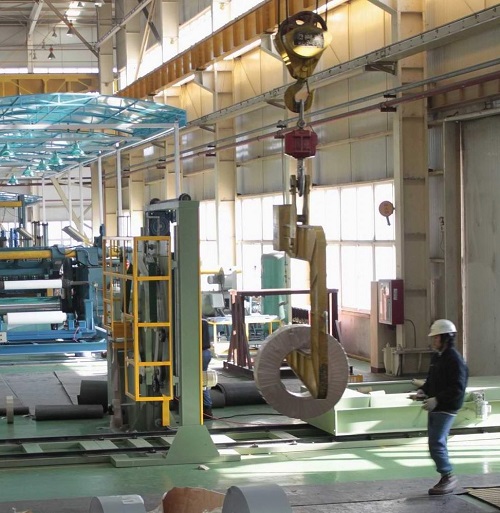
During my time establishing and growing FHOPEPACK, I learned that a smart investment in machinery is not just about one problem. It is about improving the whole business. Many of my clients, like Michael Chen in Mexico, want to achieve “降本增效” (cost reduction and efficiency improvement). Coil wrapping machines help them do exactly that. They solve more than just damage problems.
Increased Operational Efficiency and Throughput
Automated wrapping speeds up your entire packing process.
- Faster Packing Cycles: Machines can wrap coils much quicker than manual labor. This reduces bottlenecks at the end of the production line. It allows you to process more orders faster.
- Consistent Flow: Automated systems work tirelessly. They maintain a steady pace of packing. This ensures a predictable output for shipping schedules.
- Reduced Labor Dependency: With fewer hands needed for packing, your workforce can be reassigned to other critical tasks. This optimizes your overall labor utilization.
Significant Cost Savings
The investment in a coil wrapping machine quickly pays for itself through various savings.
- Lower Labor Costs: Fewer workers are needed for packing. This directly reduces your payroll expenses.
- Reduced Product Loss: Less damage means fewer returns, fewer reworks, and fewer customer claims. This directly impacts your bottom line.
- Optimized Material Usage: Machines use wrapping materials more efficiently. They minimize waste compared to manual methods. This saves money on consumables.
- Lower Insurance Premiums: A safer work environment and fewer product damage incidents can lead to lower insurance costs.
Enhanced Safety and Worker Welfare
Automation removes workers from dangerous tasks.
- Elimination of Heavy Lifting: Workers no longer need to manually lift or manipulate heavy coils or large rolls of wrapping material. This drastically cuts the risk of back injuries, strains, and other accidents.
- Fewer Repetitive Strain Injuries: Repetitive motions associated with manual wrapping are replaced by automated processes. This protects workers from long-term injuries.
- Improved Workplace Environment: A safer factory environment leads to higher worker morale and lower employee turnover. This creates a more stable and productive team.
Stronger Customer Relationships and Brand Reputation
Delivering undamaged products builds trust.
- Higher Customer Satisfaction: Customers receive their goods in perfect condition. This boosts their satisfaction and loyalty. They are more likely to place repeat orders.
- Better Brand Image: A company known for delivering quality products consistently builds a strong reputation. This helps attract new clients and stand out in competitive markets.
- Competitive Edge: Companies using advanced packing technology can offer more reliable service. This gives them an advantage over competitors still struggling with manual methods and damage issues.
For Spanish exporters, these benefits translate into tangible growth. They can expand their reach, handle more orders, and build lasting relationships with international clients. This is the kind of forward-thinking investment that Michael Chen, a factory manager, truly values. It is about making the business stronger, not just fixing a small problem.
4. How Can You Choose the Right Coil Wrapping Partner for Long-Term Export Success?
Are you considering investing in a coil wrapping machine but feel unsure about where to start? Choosing the right supplier is as important as choosing the right machine. It is not just about buying a piece of equipment. It is about forming a partnership that supports your long-term success. Many companies have bought machines only to find poor after-sales service or a lack of real understanding from their supplier.
You can choose the right coil wrapping partner for long-term export success by looking for a supplier with deep industry expertise and a proven track record. Focus on partners who offer strong after-sales support, customizable solutions, and transparent communication. A true partner understands your unique challenges and goals, providing expert guidance that extends beyond the initial sale.

My personal journey from a packing machine factory employee to building FHOPEPACK taught me a lot about trust and reliability. I have seen what works and what does not. I know the frustrations of dealing with suppliers who only care about the sale. This is why I am dedicated to being a true partner. I want to help businesses like those of Spanish exporters and Michael Chen succeed.
What to Look for in a Partner
Choosing the right partner means finding someone who can help you solve problems and grow.
- Deep Industry Knowledge:
- Question: Does the supplier truly understand your industry (e.g., steel, wire, heavy manufacturing)?
- Insight: Look for a partner with years of hands-on experience. They should understand your production processes, typical challenges, and specific product needs. For example, I have spent my whole career in packing machines, specifically coil and steel wire packing. This background helps me see things from your side.
- Proven Track Record:
- Question: Can they show successful installations and happy clients?
- Insight: Ask for case studies or references. A good partner will have a history of delivering effective solutions and supporting clients over time.
- Customization and Flexibility:
- Question: Do they offer standard machines, or can they tailor solutions to your specific factory layout and coil sizes?
- Insight: Every factory is different. A flexible partner can modify machine features, integrate with existing lines, or design unique systems to fit your needs perfectly.
- Strong After-Sales Support:
- Question: What kind of technical support, spare parts availability, and maintenance services do they offer after the purchase?
- Insight: This is critical. A machine is only as good as its support. Make sure they have a responsive team and clear service agreements. This protects your investment. 🔧
- Transparent Communication:
- Question: Are they open and honest about machine capabilities, timelines, and pricing?
- Insight: A trustworthy partner communicates clearly. They manage expectations and keep you informed. Avoid partners who make grand promises without solid details.








