
How Pallet Inverter Supports GMP Compliance in Pharmaceutical Factories?
The pharmaceutical industry works under incredibly strict rules. Every step, from raw materials to finished products, must follow Good Manufacturing Practices, or GMP. Any mistake can have huge consequences, affecting product safety, patient health, and a company’s reputation. This level of rigor can make even simple tasks, like moving materials, complex. Many factory managers, like my friend Carlos in logistics, constantly look for ways to meet these high standards without slowing down operations. They need solutions that are reliable, safe, and efficient.
A pallet inverter helps pharmaceutical factories maintain GMP compliance by preventing cross-contamination, ensuring product integrity, enhancing worker safety, and improving operational efficiency and traceability for sensitive materials. Pallet inverters allow for the transfer of products from potentially contaminated incoming pallets to clean, internal pallets without direct human handling or product exposure. This mechanical process drastically reduces risks associated with manual methods, making it a key tool in maintaining the sterile and controlled environments GMP demands.
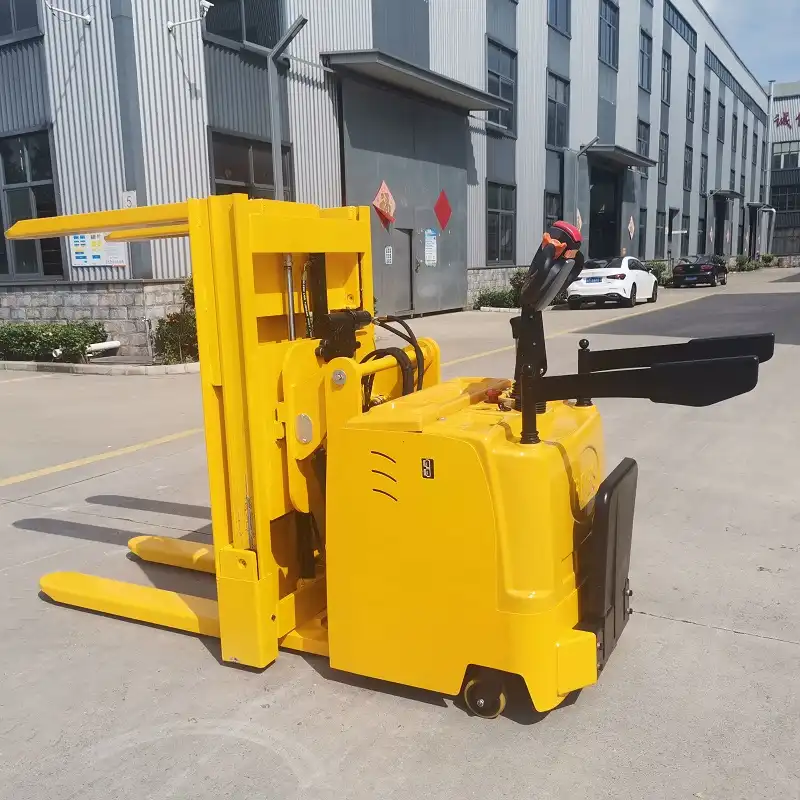
Understanding how a machine can uphold such critical standards is vital. I have seen firsthand how the right equipment can transform a challenging process into a controlled, compliant operation. Let’s explore the specific ways pallet inverters become indispensable partners in the demanding world of pharmaceutical manufacturing and logistics.
How Do Pallet Inverters Protect Pharmaceutical Products from Contamination?
Contamination is a major enemy in pharmaceutical production. Even tiny particles can ruin an entire batch. Manual handling of pallets, especially when switching between different types, brings a high risk of introducing unwanted elements. This is a constant worry for those managing strict environments. My experience tells me that preventing contamination starts with controlling every point of contact.
Pallet inverters protect pharmaceutical products from contamination by providing a sterile, automated method to transfer goods from external, potentially dirty pallets to clean, internal ones without human touch or product exposure. They create a controlled buffer zone, isolating the product from common external contaminants like dust, debris, and microorganisms found on incoming transport pallets. This systematic separation is essential for upholding the rigorous hygiene standards required by GMP.
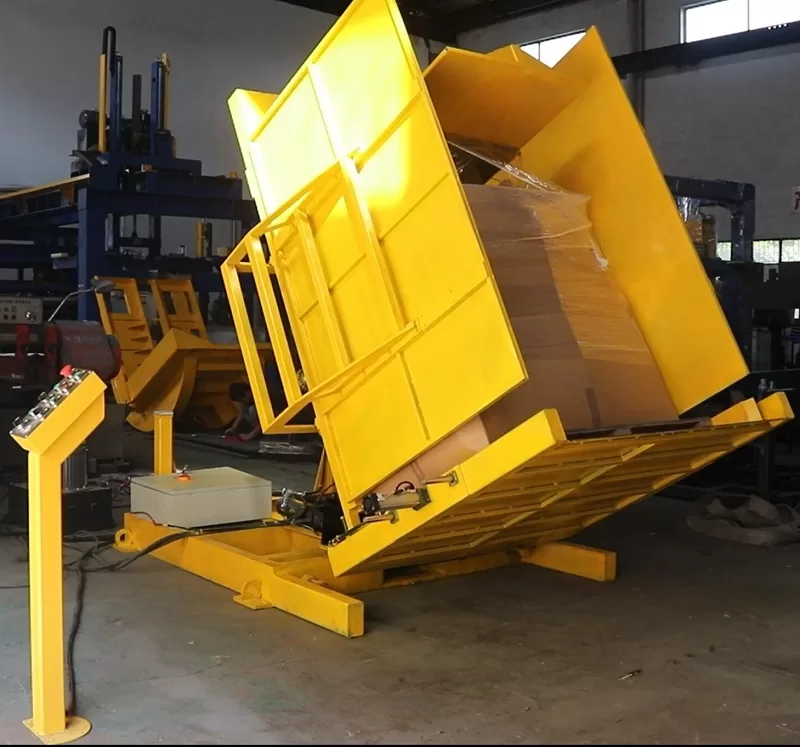
In pharmaceutical settings, every piece of equipment must support a clean environment. Manual pallet transfer processes, where workers might touch the product packaging or use tools that come into contact with both dirty and clean surfaces, create numerous opportunities for cross-contamination. Imagine a situation where raw materials arrive on wooden pallets that have traveled long distances. These pallets often carry dirt, splinters, and even pests from their journey. GMP mandates that these external contaminants must not enter the controlled cleanroom or processing areas. A pallet inverter acts as a critical barrier at this interface. It securely grips the product load, inverts it, and then allows the original dirty pallet to be removed and replaced with a sanitized, internal-use pallet. This happens all while the product load remains untouched and fully contained. The process limits human interaction with the product load during transfer. This drastically reduces the risk of pathogens, dust, fibers, or chemical residues from hands or clothing transferring to the product. Furthermore, many advanced pallet inverters are made from stainless steel, which is easy to clean and sanitize. This makes them suitable for use in environments where frequent wash-downs are common. They do not harbor bacteria or shed particles, unlike some other materials. This design choice directly supports the hygiene protocols necessary for GMP. The controlled mechanical movement of the inverter also prevents product packaging from rubbing against dirty surfaces or falling to the floor. This maintains the integrity of the primary and secondary packaging, which is the first line of defense against contamination.
Contamination Risks: Manual vs. Automated Transfer
| Aspect | Manual Pallet Transfer | Pallet Inverter Transfer |
|---|---|---|
| Human Contact | High; direct handling of packaging, tools, and pallets | Minimal; product load is contained and handled mechanically |
| Source of Dirt | External pallets, worker hands, clothing, shared tools | Primarily external pallets; machine is kept clean |
| Cross-Contamination | High risk; dirty and clean areas can mix easily | Low risk; clear separation of dirty and clean pallets |
| Particle Generation | Higher; friction from manual movement, pallet wear | Lower; controlled mechanical movement |
| Cleaning | Difficult to standardize and verify for manual processes | Machine can be designed for easy cleaning (e.g., stainless steel) |
| Compliance Proof | Harder to document and prove sterile process | Easier to validate and document a controlled, hygienic process |
Why Do Pallet Inverters Ensure Product Integrity in Pharma Manufacturing?
Pharmaceutical products are often delicate, expensive, or both. Any damage to packaging or the product itself means a loss. This can be due to mishandling, drops, or even improper stacking. Ensuring that products remain in perfect condition throughout the supply chain is a top priority. My years in the packing machine industry taught me that gentle handling is not just a preference; it is a necessity for high-value goods.
Pallet inverters ensure product integrity in pharma manufacturing by providing a controlled, stable, and gentle method of transferring loads, preventing drops, crushing, or shifting that can damage delicate products or their packaging. They hold the entire load securely during the inversion process, eliminating the shocks and impacts often associated with manual methods or less sophisticated equipment. This precision handling is critical for maintaining the quality and efficacy of pharmaceutical goods, which often have specific storage and handling requirements.
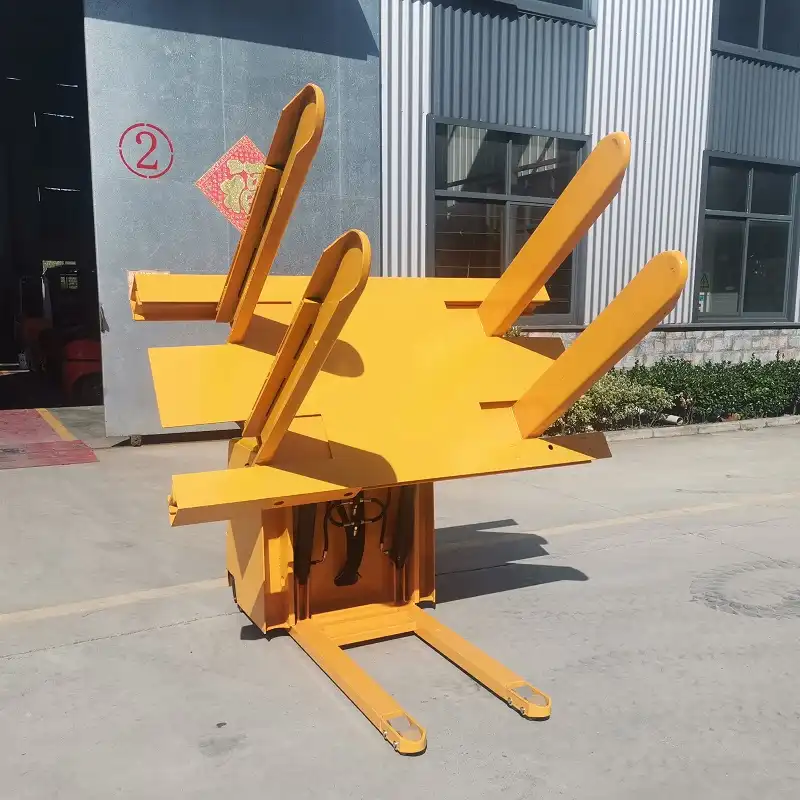
Pharmaceutical products, whether they are vials, blister packs, or bottled medications, are vulnerable to damage from physical stress. A drop from even a small height can compromise the integrity of the primary packaging, leading to leaks, breakage, or loss of sterility. Manual pallet handling, especially during pallet changes, carries inherent risks. Workers might struggle with heavy loads, leading to accidental drops or unbalanced stacking. They might use excessive force, causing product cartons to crush or shift. These incidents not only result in product loss but also create potential for safety hazards and require time-consuming quality checks or re-packaging. A pallet inverter, on the other hand, operates with precision. It uses hydraulic or electric clamps to firmly grip the entire palletized load, ensuring that individual items or cartons do not move during the inversion process. The rotation is smooth and controlled, reducing any sudden jerks or impacts. This careful handling is vital for products sensitive to shock or vibration. For example, some biological products or diagnostic reagents require very stable conditions. The inverter ensures that these products experience minimal disturbance. Furthermore, the ability to transfer products without restacking them manually means that the original, often carefully designed, secondary packaging remains intact. This helps maintain the product’s protective barrier and aesthetic appeal, which are also important under GMP. Our machines are built with this gentle handling in mind. We understand that product integrity is non-negotiable for our clients.
Protecting Against Common Product Damage Points
| Damage Type | Manual Handling Risk | Pallet Inverter Benefit |
|---|---|---|
| Drops/Impacts | High risk from slipping, imbalance, or fatigue | Eliminated; load is secured and inverted mechanically |
| Crushing/Compression | Risk from uneven stacking, excessive force, or heavy items | Minimized; even pressure distribution, controlled handling |
| Shifting/Sliding | Frequent during manual transfers or re-stacking | Prevented; firm clamping keeps the load stable |
| Packaging Tears | Common from sharp edges of old pallets or rough handling | Reduced; smooth transfer, no direct human interaction with packaging |
| Product Compromise | Potential for internal damage not visible externally | Minimized; maintains structural integrity of products |
Can Pallet Inverters Significantly Improve Safety and Ergonomics in Pharma Warehouses?
Warehouse work can be physically demanding. Lifting heavy objects, bending, and repetitive movements often lead to injuries. In pharmaceutical factories, the constant need for sterile environments and careful handling adds another layer of complexity. Workers are expected to move products carefully, but this can put a strain on their bodies. My journey started on the factory floor. I know firsthand the physical toll and risks involved in manual labor. Improving safety is not just good practice; it is part of a responsible operation, and it directly relates to GMP principles.
Pallet inverters significantly improve safety and ergonomics in pharma warehouses by eliminating the need for manual lifting, twisting, or re-stacking of heavy palletized loads, thereby drastically reducing the risk of sprains, strains, drops, and other workplace injuries. By automating the pallet transfer process, these machines create a safer working environment, decrease physical stress on employees, and ensure compliance with occupational health and safety standards, which are integral to GMP.

The manual transfer of goods from one pallet to another is often a labor-intensive and dangerous task. Workers have to lift, carry, and maneuver heavy boxes, sometimes up to hundreds of kilograms per pallet. This often involves bending, twisting, and reaching, which are prime causes of musculoskeletal injuries. These include back pain, shoulder strains, and wrist injuries. In a fast-paced pharmaceutical warehouse, where thousands of pallets might be handled daily, the cumulative risk of such injuries is substantial. When an employee is injured, it leads to lost work time, medical costs, and potential legal claims. It also disrupts operations and affects morale. Pallet inverters remove this physical burden entirely. They allow a single operator to perform the pallet transfer with the push of a button, keeping them safely away from heavy lifting and moving parts. The machine does all the heavy work. This automation reduces physical fatigue, which also decreases the likelihood of human error that could lead to product damage or further accidents. Moreover, GMP guidelines extend beyond product quality to include the safety and well-being of the workforce. A safe environment where workers can perform their duties without undue risk contributes to overall operational integrity. My experience has shown that investing in equipment that improves safety also improves productivity. Happier, healthier workers are more efficient and less prone to mistakes. This approach not only protects employees but also contributes to a stable and compliant manufacturing process.
Safety and Ergonomic Benefits of Pallet Inverters
| Aspect | Manual Pallet Handling Risks | Pallet Inverter Benefits |
|---|---|---|
| Physical Strain | High risk of back injuries, sprains, and muscle fatigue from lifting and twisting | Eliminated; machine performs all heavy lifting and rotation |
| Accidents (Drops/Crushing) | High risk of loads falling, crushing limbs, or pinning workers | Reduced; loads are secured mechanically, operator is safe |
| Repetitive Motion Injuries | Common from repeated lifting, bending, and reaching | Minimized; operator only interacts with controls |
| Worker Fatigue | Leads to decreased alertness, increased error rates | Reduced; allows workers to focus on supervision, not physical labor |
| Workplace Morale | Can be low due to hazardous conditions and physical demands | Improved; safer environment, less strenuous work |
| Compliance with Safety Laws | Challenging to consistently meet ergonomic standards | Easier to comply with health and safety regulations, supports GMP |
How Do Pallet Inverters Boost Efficiency and Traceability for GMP Compliance?
In a pharmaceutical factory, time is money, and accuracy is everything. Every minute saved in material handling can speed up production and delivery. More importantly, every movement of goods must be traceable. Knowing exactly where a product has been and what has happened to it is a core part of GMP. Manual processes, while sometimes necessary, often introduce delays and increase the chance of human error in record-keeping. My background taught me that automation is key to unlocking both speed and precision in logistics.
Pallet inverters boost efficiency by rapidly switching pallets in minutes compared to hours for manual methods, reducing bottlenecks and speeding up material flow in busy pharma warehouses. They improve traceability by allowing for seamless integration into inventory systems, minimizing human error in batch separation and record-keeping, and ensuring that all product transfers are consistent and auditable—all essential elements for robust GMP compliance.

Manual pallet changing is a slow process. It involves multiple steps: unloading the product from the old pallet, often by hand, moving the old pallet away, bringing in a new pallet, and then reloading the product. Each step takes time and requires labor. This can create significant bottlenecks, especially during peak receiving or shipping times. When faced with diverse pallet types, like Euro pallets for internal use and specific export pallets, these delays multiply. A pallet inverter completes this entire cycle in a matter of minutes. This rapid turnover means products move through the warehouse faster, reducing dwell times and optimizing storage space utilization. For a busy distribution center, handling thousands of pallets daily, this efficiency gain is substantial. Beyond speed, traceability is paramount for GMP. Pharmaceutical products require meticulous batch control. Any mix-up or mislabeling can have severe consequences, from product recalls to regulatory fines. When products are handled manually, there is always a risk of human error: a box placed on the wrong pallet, a label overlooked, or a record not updated. Pallet inverters minimize these risks. The product load stays together as a single unit during the transfer, ensuring that batch integrity is maintained. Many modern pallet inverters can also be integrated with warehouse management systems (WMS). This allows for automated scanning of barcodes and immediate updates to inventory records as pallets are exchanged. This digital trail provides an indisputable record of the pallet change, including time, date, and product batch, which is invaluable during a GMP audit. This level of automation and data accuracy is hard to achieve with purely manual methods.
Efficiency and Traceability in Pharma Logistics
| Aspect | Manual Pallet Change Process | Pallet Inverter Process |
|---|---|---|
| Time per Pallet | Long (e.g., 30+ minutes); involves multiple manual steps | Short (e.g., 1-3 minutes); automated, single-step operation |
| Labor Requirement | High; multiple workers needed for unloading and reloading | Low; typically one operator for supervision |
| Bottlenecks | Frequent; slow process creates queues at loading/unloading docks | Reduced; rapid processing keeps material flow consistent |
| Human Error (Traceability) | High risk of misplacement, mislabeling, incorrect record-keeping | Low; product unit remains intact, digital integration possible |
| Data Capture | Manual logging, prone to delays and errors | Automated through WMS integration, real-time updates |
| Audit Preparedness | Requires extensive manual documentation and verification | Provides clear, consistent, and easily accessible digital records for GMP audits |
Conclusion
Pallet inverters are essential tools for pharmaceutical factories aiming for high GMP compliance. They provide robust solutions for contamination control, product integrity, worker safety, and operational efficiency. Investing in a reliable pallet inverter helps ensure products are handled with the care and precision required in this critical industry.








