
How Pallet Inverter Speeds Up Pallet Switching in Busy E-commerce Warehouses?
Have you ever watched your team manually wrestling with pallets, trying to switch them from one type to another? It is slow, dangerous, and a huge drain on your warehouse’s precious time and money. In today’s fast-moving world, especially with e-commerce demanding lightning-fast delivery, these manual bottlenecks are no longer acceptable. The pressure to move goods quickly and without errors is immense.
A pallet inverter significantly speeds up pallet switching by automating what was once a labor-intensive, time-consuming, and risky manual process. It allows for quick, safe, and efficient transfer of goods from one pallet type to another, crucial for handling diverse international shipping requirements and maintaining high throughput in busy e-commerce and logistics operations.
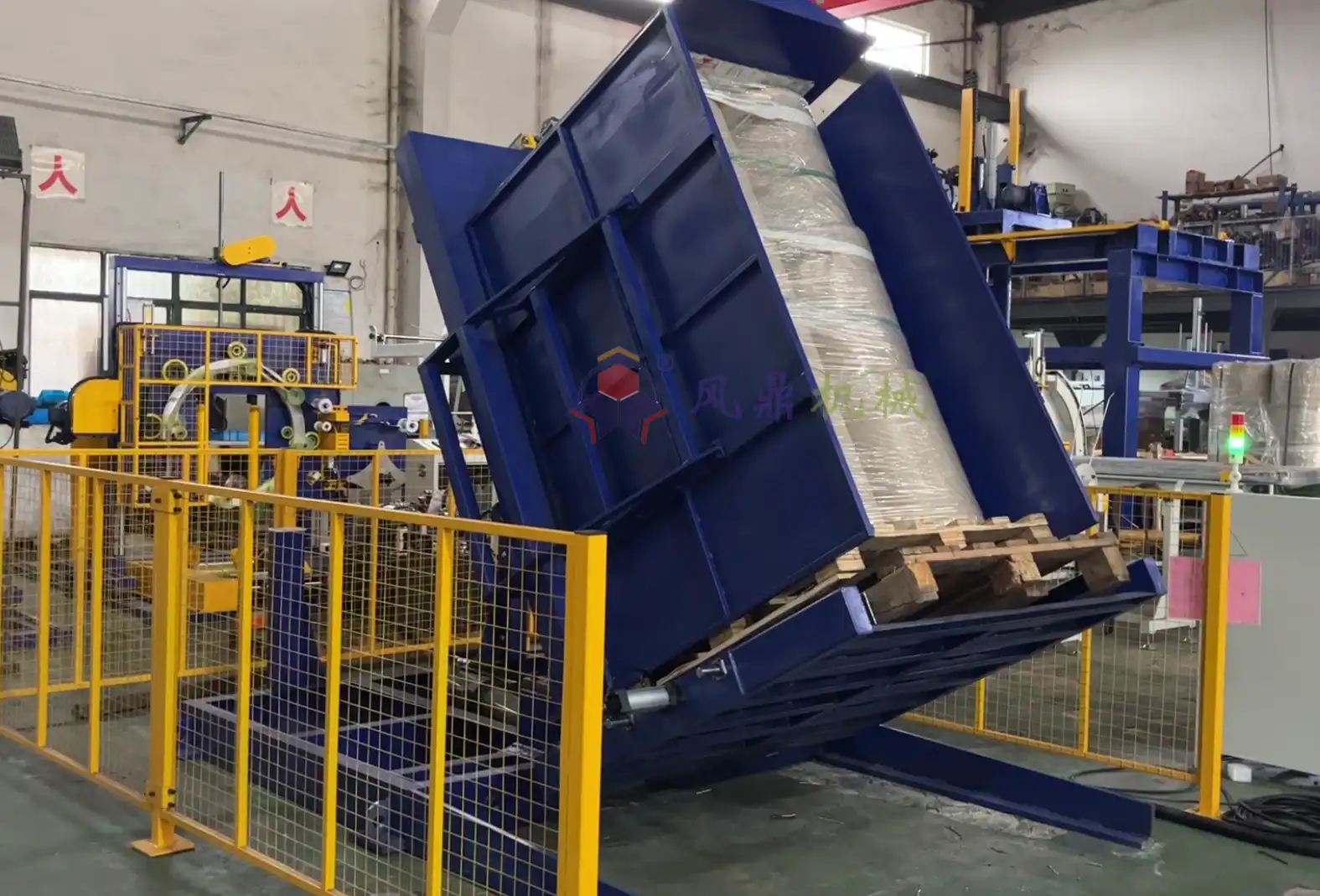
I have seen many operations struggle with this exact problem. But there is a better way. If you are serious about optimizing your warehouse efficiency and ensuring your goods move without a hitch, then understanding the power of a pallet inverter is your next step. Let us dive deeper into how this technology can transform your logistics.
Why is Manual Pallet Switching a Bottleneck in Today’s Fast-Paced Warehouses?
Do you ever feel like your warehouse is stuck in a time warp when it comes to pallet handling? The world moves at the speed of e-commerce, but many operations still rely on slow, manual methods for switching pallets. This creates major chokepoints, especially when different countries demand different pallet sizes for exports.
Manual pallet switching creates a significant bottleneck because it is labor-intensive, carries high safety risks, leads to frequent errors, and drastically slows down throughput. In a busy e-commerce environment, where every second counts, these delays directly impact delivery times and customer satisfaction.
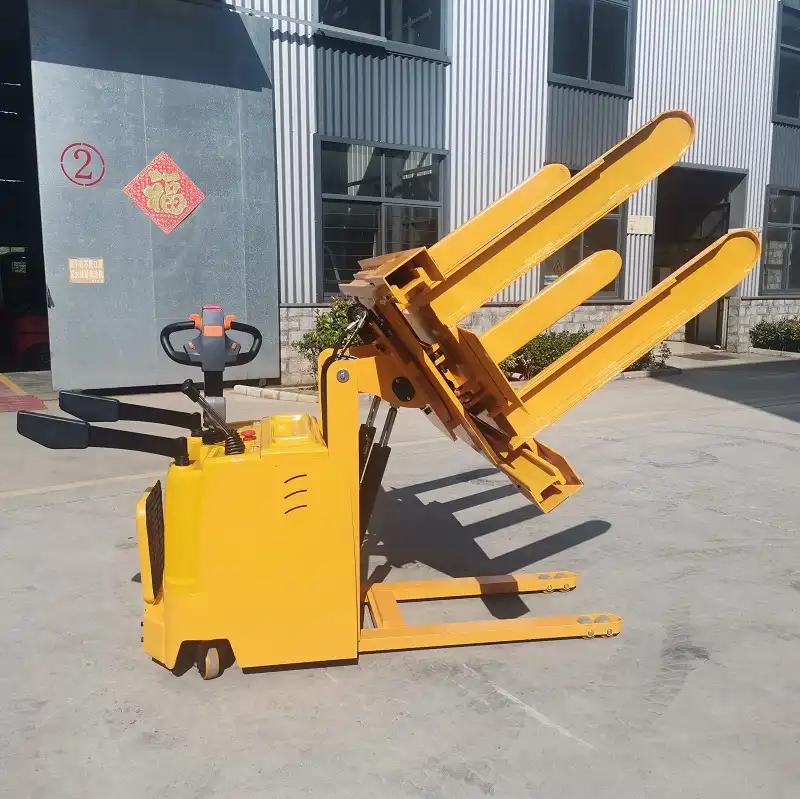
From my early days in the packing machine industry, I have witnessed first-hand the inefficiencies that plague warehouses. Manual pallet operations are a prime example. They are not just slow; they are a source of constant stress for managers and workers alike.
Dive deeper into the consequences of manual pallet switching:
Manual pallet switching, while seemingly simple, brings many hidden costs and risks, especially in high-volume settings like e-commerce distribution centers. When I started FHOPEPACK, I knew solving these kinds of practical problems was key. This is what I have seen:
-
📉 Reduced Operational Efficiency and Throughput:
- Manual pallet changes take a lot of time. Workers must physically unload goods from one pallet and reload them onto another. This stops the flow of goods.
- Each manual transfer adds minutes or even hours to the processing time for large orders. This directly impacts how many orders a warehouse can handle in a day.
- Busy e-commerce warehouses need to move thousands of pallets daily. Manual methods simply cannot keep up with this demand. This leads to backlogs and shipping delays.
- My experience: I once worked with a client whose export line was constantly backed up. They shipped food products to various European countries and the US. They had to switch between Euro pallets and US pallets all day long. Their team spent more time on manual transfers than on actual packing.
-
👨🏭 Increased Labor Costs and Shortages:
- Manual pallet changing requires many workers. These jobs are physically demanding. They involve heavy lifting and repetitive movements.
- Labor costs are always rising. Finding people willing to do this kind of hard work is getting harder. Younger workers often prefer less strenuous jobs.
- When you rely on manual labor for this, your operating costs go up. This cuts into your profit margins.
- Consider this: If one person can switch 20 pallets manually in a day, a machine might do 60 or more in the same time with minimal human help. This frees up staff for other tasks.
-
⚠️ Significant Safety Risks and Product Damage:
- Moving heavy goods and pallets by hand is dangerous. Workers can get injured from lifting, dropping items, or falling. Common injuries include back strain, crushed fingers, and leg injuries.
- Accidents lead to medical bills, lost workdays, and higher insurance premiums for the company.
- Manual handling also increases the risk of damaging products during the transfer. A dropped box means wasted product and unhappy customers.
- A real concern: I remember a warehouse where an employee was seriously injured when a stack of goods shifted during a manual transfer. It was a costly and heartbreaking incident that highlighted the need for safer methods.
-
📝 Compliance Issues and Customer Dissatisfaction:
- International trade means different countries have different rules for pallets. For example, Euro pallets are 1200x800mm, while US pallets are 48×40 inches (approx. 1219x1016mm). You cannot just send the wrong one.
- Manual errors in switching pallets can lead to shipments being rejected at customs or by the client. This means costly returns and fines.
- E-commerce customers expect fast and correct orders. Delays or wrong pallets cause frustration and can lead to lost business.
- Think about it: If a large food distributor in Spain sends goods to a US client, they must switch from Euro to US pallets. Any mistake or delay harms their reputation and bottom line.
These challenges are not just theoretical problems. They are real issues that affect daily operations and the overall success of businesses trying to keep up with modern demands.
How Do Pallet Inverters Streamline and Accelerate Your Pallet Changing Process?
Are you still looking for ways to cut down on pallet switching time? Many warehouse managers think they have tried everything. But if you are not using a pallet inverter, you are missing out on a fundamental shift in efficiency. This technology is designed to tackle the very problems that slow you down.
Pallet inverters streamline and accelerate pallet changing by automating the transfer of goods between pallets. They use hydraulic or electric power to clamp, tilt, or rotate loads, quickly and safely moving products from one pallet type to another without manual handling. This eliminates bottlenecks, reduces human effort, and significantly speeds up the entire process.

During my years designing packing machines, I learned that the best solutions are simple in concept but powerful in execution. A pallet inverter does one job exceptionally well: it makes pallet changes fast and easy.
Dive deeper into the mechanisms of speed and efficiency:
Pallet inverters are not just machines; they are strategic tools that bring a new level of speed and control to your warehouse operations. They change the game for businesses dealing with high volumes and diverse pallet needs. Here is how they work and what makes them so effective:
-
⚙️ Automated and Controlled Transfer:
- Pallet inverters take the human element out of the physical transfer. This means the process is consistent and fast every time.
- The machine clamps the load securely. Then it rotates or inverts it. This allows easy removal of the old pallet and placement of a new one.
- This automated control reduces the risk of human error. It also ensures the load stays stable during the switch.
- For example: Some models use a 90-degree tilt, while others fully invert the load (180 degrees). The right model depends on your specific product and pallet types.
-
⏱️ Drastic Reduction in Time Per Pallet Switch:
- What takes minutes or even half an hour manually can take less than a minute with a pallet inverter. This is the biggest benefit for speed.
- Imagine switching hundreds of pallets in a shift. The time savings add up very quickly.
- This rapid changeover means goods move through the warehouse faster. It directly supports the tight delivery schedules of e-commerce.
- My observation: I have seen warehouses cut their pallet switching time by 80% or more after installing a proper pallet inverter system. This makes a huge difference in daily output.
-
🔄 Versatility for Diverse Pallet Types:
- Modern pallet inverters can handle many different pallet sizes and materials. This includes wood, plastic, Euro, US, and custom sizes.
- This flexibility is key for international operations. A business can seamlessly switch goods destined for different markets without buying multiple specialized machines.
- The inverter often has adjustable clamps or platforms. This lets it adapt to various load dimensions.
- Carlos’s challenge: For a company like Carlos’s, which deals with Euro and US pallets for international food exports, a versatile inverter is essential. It allows them to quickly meet different regional standards.
-
🦾 Integration with Existing Logistics Flow:
- Many pallet inverters are designed to fit into existing conveyor systems or forklift operations. This makes them easy to integrate into your current workflow.
- Some are fixed units. Others are mobile, giving you flexibility to move them where needed in the warehouse.
- This seamless integration means less disruption to your overall logistics. It helps maintain a continuous flow of goods.
- From an engineering view: We design these machines to be robust and reliable. They must handle constant use in demanding environments without breaking down. This ensures they contribute to continuous operation, not hinder it.
By taking advantage of these features, businesses can transform a slow, problematic process into a fast, reliable, and smooth part of their supply chain.
Beyond Speed: How Do Pallet Inverters Tackle Key Warehouse Challenges?
Do you think a pallet inverter is just about making things faster? While speed is crucial, that is only part of the story. In my years working with warehouse solutions, I have learned that the best equipment solves multiple problems at once. Pallet inverters do exactly that, addressing some of the most pressing challenges faced by today’s warehouse managers.
Beyond merely increasing speed, pallet inverters significantly enhance warehouse safety by eliminating manual handling risks, reduce operating costs by cutting labor needs and product damage, ensure compliance with international pallet standards, and improve overall operational efficiency. They offer a holistic solution to complex logistics challenges.

My journey from a factory employee to leading FHOPEPACK taught me that a true solution delivers value across the entire operation. It is not just about moving faster, but moving smarter, safer, and more economically.
Dive deeper into the multi-faceted benefits:
When you invest in a pallet inverter, you are not just buying a piece of machinery. You are buying a solution that helps solve many issues in your warehouse. These issues range from worker safety to financial savings and customer satisfaction.
-
👷♀️ Enhanced Safety for Workers and Products:
- One of the biggest wins with a pallet inverter is the reduction in accidents. Manual pallet changing is a top cause of workplace injuries.
- The machine does the heavy lifting and turning. This removes workers from dangerous situations. They no longer need to manually flip heavy loads or risk items falling.
- This also protects your products. Controlled mechanical operation means less chance of goods being dropped, crushed, or damaged during transfer.
- Example: Carlos, who manages a food and beverage warehouse, mentioned several accidents. A pallet inverter directly addresses this by reducing the need for human interaction with unstable or heavy loads. This lowers insurance costs and improves employee morale.
-
💰 Significant Reduction in Operating Costs:
- Less reliance on manual labor means lower wage bills for repetitive, physically demanding tasks. You can reallocate staff to more skilled or less strenuous jobs.
- Fewer workplace injuries translate to lower medical costs and fewer insurance claims. This saves a lot of money over time.
- Reduced product damage means less waste and fewer losses. This improves your inventory accuracy and profitability.
- My insight: When a client saves on labor, injury claims, and damaged goods, the pallet inverter often pays for itself very quickly. It is a clear return on investment.
-
✅ Ensuring Compliance and Customer Satisfaction:
- For international shipping, meeting specific pallet requirements is not optional. It is a must. A pallet inverter ensures you can easily switch to the correct pallet for each destination.
- This prevents customs delays, rejections, and fines. It keeps your supply chain smooth and compliant.
- Fast and accurate pallet changes mean quicker order fulfillment. This leads to happier customers, especially in the demanding e-commerce sector.
- Consider Carlos’s situation: His multinational group ships across Europe. Quickly adapting to Euro or US pallets without error is vital for avoiding delays and maintaining client trust.
-
📈 Improved Standardization and Overall Operational Efficiency:
- Automating pallet changes brings standardization to your process. Every transfer is done the same way, every time. This reduces errors and improves predictability.
- By removing bottlenecks, the entire flow of goods through the warehouse becomes smoother and more predictable. This allows for better planning and resource allocation.
- This also helps in managing inventory more effectively. You know goods will be processed and moved within a consistent timeframe.
- As an engineer: I always aim for solutions that simplify complex processes. A pallet inverter standardizes one of the most variable and risky tasks in a warehouse. This makes the whole system more robust.
These benefits demonstrate that a pallet inverter is far more than a simple machine; it is a strategic investment for a healthier, more efficient, and more profitable warehouse operation.
Choosing the Right Pallet Inverter: What Matters for Long-Term Success?
Are you ready to invest in a pallet inverter but feel overwhelmed by the choices? It is easy to just look at the price tag. But in my experience, the initial cost is only one small part of the equation. Choosing the right partner and the right machine for your specific needs is what truly guarantees long-term success.
Selecting the right pallet inverter involves considering its reliability, adaptability to diverse pallet and load sizes, safety features, and the quality of after-sales support. For long-term success, it is vital to choose a supplier who understands your unique warehouse challenges and offers a robust solution designed for high-intensity, continuous operation, rather than just selling a machine.
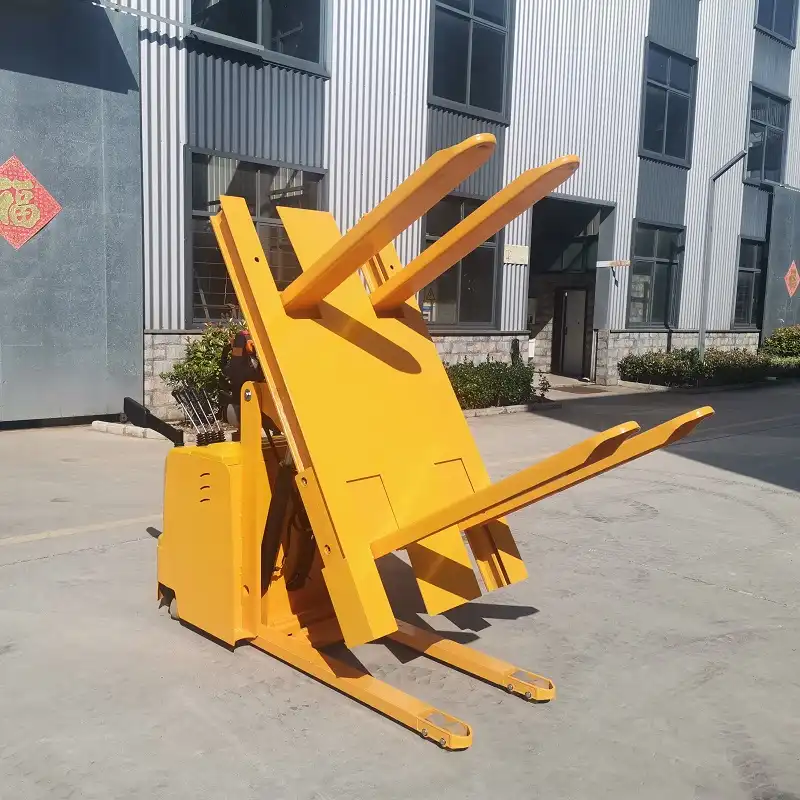
At FHOPEPACK, our mission is about sharing knowledge and building lasting relationships. I built my own factory from the ground up, so I understand the importance of reliable equipment and strong support. Do not just buy a machine; invest in a partnership.
Dive deeper into critical selection factors:
Making the correct choice for a pallet inverter can impact your warehouse for years. It is about matching the technology to your exact operational needs and finding a provider who truly acts as a partner. Here are the key things to look for:
-
🛠️ Uncompromising Reliability and Durability:
- In a busy e-commerce warehouse, equipment downtime is expensive. You need a pallet inverter that can run continuously, day in and day out, without frequent breakdowns.
- Look for machines made with high-quality components. These include robust hydraulic systems, strong motors, and durable steel construction.
- Check for certifications and compliance with international safety standards. This ensures the machine is built to last and operate safely.
- My principle: When I started my own packing machine factory, I knew every machine had to be built like a tank. Reliability means less maintenance, fewer production stops, and peace of mind.
-
🔄 Adaptability to Your Specific Pallet and Load Requirements:
- Your warehouse handles different types of pallets, like Euro, US, and plastic. The inverter must adapt to all of them easily.
- Consider the weight and dimensions of your typical loads. Does the machine have enough capacity? Can it handle varying load heights?
- Some inverters are very versatile, offering adjustable clamps and control settings for different situations. This flexibility saves you from needing multiple machines.
- Carlos’s pain point: He needs a system that can switch thousands of pallets of varying specifications. A machine that struggles with one type of pallet is not a solution.
-
🛡️ Advanced Safety Features and User-Friendly Design:
- Safety should be a top priority. Look for features like emergency stop buttons, safety guarding, and sensors that prevent operation if something is wrong.
- The machine should be easy for your team to operate after proper training. Intuitive controls reduce the chance of errors and speed up adoption.
- Consider how easy it is to load and unload the machine. Good ergonomics mean less strain on operators.
- As a packing machine engineer: Safety is not an add-on; it is built into the design. A safe machine protects your people and your business.
-
🤝 Comprehensive After-Sales Support and Partnership:
- A machine is only as good as the support behind it. What happens if something goes wrong?
- Look for a supplier that offers excellent installation services, thorough training for your staff, and responsive technical support.
- A long-term partner will also provide spare parts and maintenance advice. They will understand your operational needs and help you grow.
- My promise with FHOPEPACK: I want to be a partner, not just a vendor. We aim to understand your specific challenges and offer solutions that fit your business, not just sell you a box. This is about building trust and ensuring your investment truly pays off.
By focusing on these points, you can make an informed decision that brings lasting efficiency and value to your warehouse.
Conclusion
Pallet inverters are vital for modern, busy warehouses, especially in e-commerce. They dramatically increase speed, boost safety, cut costs, and ensure compliance. This makes them a smart investment. Choosing the right pallet inverter means looking for reliability and a true partner who understands your needs.








