
How Pallet Inverter Solutions Differ in Preventing Pallet Jams in Cold Warehouses?
Imagine your cold storage facility. The air bites, condensation drips, and every minute counts. Suddenly, a pallet jams on the conveyor, or a frozen load shifts, threatening to topple. This is a common nightmare for warehouse managers. These issues slow down your operations, cost money, and even put your team at risk. You know that efficiency in a cold environment is critical, and any disruption feels like a huge blow.
Pallet inverter solutions prevent jams in cold warehouses by offering specialized mechanical support, robust construction, and controlled load manipulation. Unlike standard models, these inverters feature cold-resistant components, specialized lubricants, and sealed electrical systems. This design ensures smooth operation and prevents issues like frozen goods sticking or pallet deformation, which often lead to jams in sub-zero temperatures.
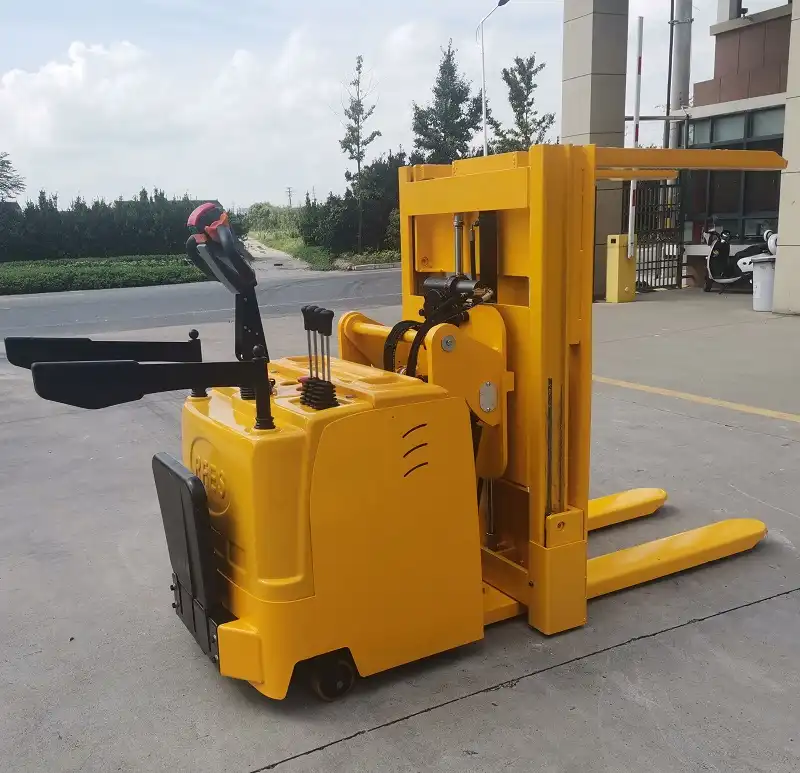
I have spent many years in the packing machine industry. I have seen firsthand how specific conditions, especially cold ones, challenge even the best equipment. It is not just about having a machine; it is about having the right machine. As we go through this, you will see how understanding these differences can make a huge impact on your warehouse’s bottom line and operational safety.
Why Do Pallet Jams Become a Bigger Headache in Cold Warehouses?
Have you ever tried to move something heavy when your hands are numb from the cold? It is tough. The same is true for equipment and pallets in a cold warehouse. The cold does not just make things uncomfortable; it actively creates new problems. These problems often lead to pallet jams, causing big delays and frustration.
Pallet jams are a bigger headache in cold warehouses because low temperatures directly affect material integrity, equipment performance, and human handling. Factors like ice buildup, condensation, and brittle pallet materials combine to increase the risk of loads sticking, pallets breaking, or machinery failing, all of which lead to costly operational stoppages.
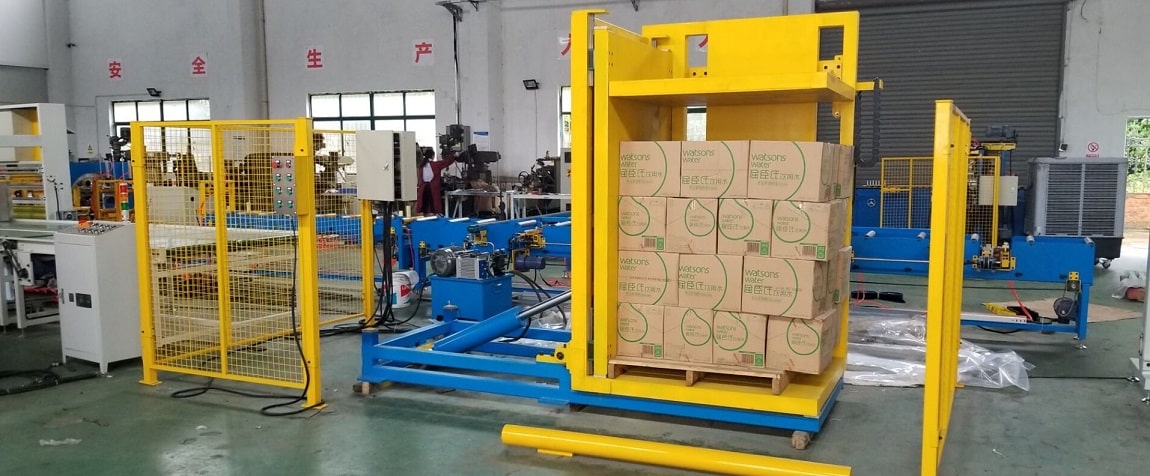
When I started my journey in this industry, I thought a pallet was just a piece of wood or plastic. But after years of working with factories, I learned that a pallet is a critical link in the supply chain. In cold environments, this link becomes very fragile. The unique challenges of cold storage demand a closer look at how pallets behave and how our machines must adapt. We need to understand the enemy to defeat it.
Understanding Cold Warehouse Challenges and Their Impact on Pallets
Working in sub-zero temperatures introduces several specific problems that affect pallets and equipment. These issues are often overlooked in warmer environments but become critical in cold storage. They are the root causes of many pallet jams.
-
❄️ Material Brittleness and Warping:
- Problem: Wood and plastic pallets become brittle in freezing temperatures. They are more prone to cracking or breaking under load. Ice can form inside or on the surface of pallets.
- Impact: A broken or warped pallet does not fit correctly into racking or conveyors. This causes obstructions and jams. Ice buildup can also change the dimensions of a pallet, making it stick.
- Example: Imagine a wooden pallet splintering when a forklift driver tries to pick up a heavy, frozen load. Those splinters can then catch on the next piece of equipment.
-
💧 Condensation and Ice Buildup:
- Problem: When warm air enters a cold warehouse, it creates condensation. This moisture quickly freezes on surfaces, including pallets, goods, and machinery parts.
- Impact: Frozen goods can stick to the pallet. Pallets themselves can freeze to each other or to the floor. Ice on conveyor belts reduces friction and causes slipping, or it adds bulk, making pallets too large for the system.
- Example: I once saw a freezer where goods were literally frozen to the top deck of the pallet. When they tried to move it, the whole load was unstable and almost slid off.
-
⚙️ Equipment Performance Degradation:
- Problem: Standard machinery components are not always designed for extreme cold. Hydraulic fluids can thicken, and seals can become rigid. Electrical components are more prone to failure when not properly protected.
- Impact: Pallet inverters might operate slower or with less precision. Clamping mechanisms may not hold loads securely. Moving parts can seize up. This leads to misalignments or dropped loads, which turn into jams.
- Example: A hydraulic hose might crack under pressure in extreme cold, leaking fluid and stopping the machine. This is a common failure point I have seen many times.
-
👤 Human Error in Cold Conditions:
- Problem: Cold temperatures affect human dexterity and judgment. Workers wearing thick gloves might have trouble with fine motor tasks. Reduced visibility due to fogging glasses or cold stress can also play a role.
- Impact: Manual pallet handling, often required for swapping, becomes riskier and less precise. Workers might accidentally misalign pallets or damage goods due to the cold, increasing the chance of jams.
- Example: Carlos, a warehouse manager, understands this well. He knows his team struggles with manual pallet changes in the cold, increasing both safety risks and mistakes.
What Pallet Inverter Solutions Are Available, and How Do They Generally Tackle Pallet Jams?
There is not just one type of pallet inverter out there. Just like there are different cars for different roads, there are different pallet inverters for different jobs. Each one works in its own way to handle pallets. Understanding these basic types is the first step. It helps us see how they can all generally prevent jams by making pallet handling smoother and safer.
Pallet inverter solutions generally tackle pallet jams by mechanically manipulating loads to replace damaged pallets, switch between different pallet types, or reorient goods for safer storage. Available types include fixed 90-degree tippers, 180-degree changers, and mobile units. Each design uses clamping, rotating, or lifting actions to achieve a secure pallet swap without manual intervention, significantly reducing jam potential.
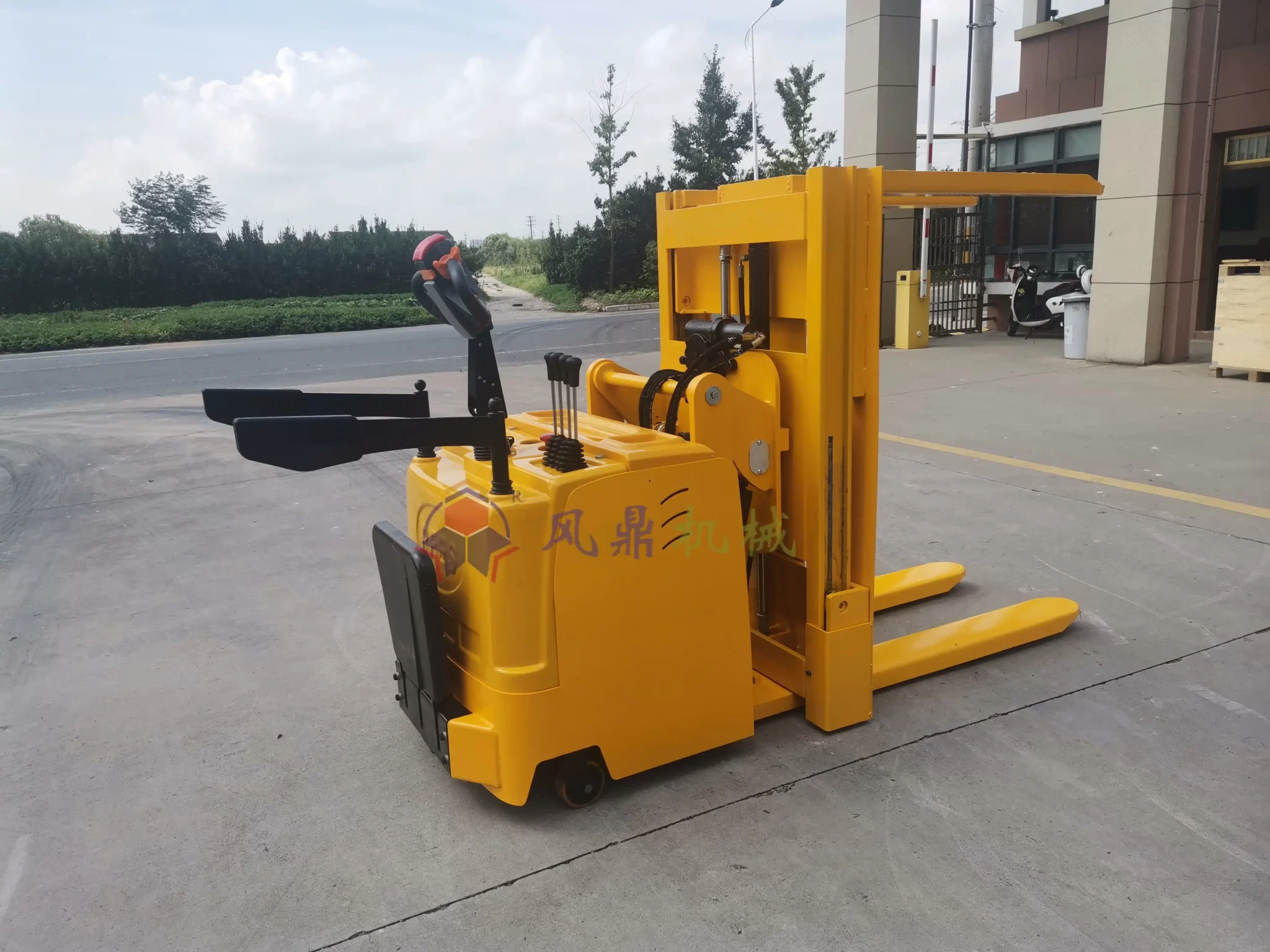
My experience taught me that the right tool for the job makes all the difference. When I started my own factory, I focused on building machines that truly solved problems for our clients. It is not about selling a machine; it is about providing a solution. Let us look at the common types of pallet inverters and how they help keep things moving, especially in tough environments.
Common Pallet Inverter Types and Their Jam-Prevention Mechanisms
Pallet inverters are machines designed to change or transfer goods from one pallet to another. They come in various forms, each with unique features that contribute to preventing pallet jams.
-
🔄 Fixed 90-Degree Pallet Tippers/Inverters:
- Function: These machines tilt a load by 90 degrees. This allows access to the top or bottom of the pallet or to transfer goods.
- Jam Prevention: They are good for changing a single damaged pallet for a new one without fully inverting the load. This is useful when the load itself is stable but the pallet needs replacing. They prevent jams by ensuring only sound pallets enter the system.
- Operation: The load is placed inside the machine. It is then securely clamped, and the entire unit tilts sideways.
- Use Case: Often used for food products, chemicals, or bagged goods that need to be transferred to new, clean pallets for hygiene reasons, or to replace a broken one.
-
↩️ Fixed 180-Degree Pallet Changers/Inverters:
- Function: These machines fully invert the load (180 degrees). This allows a complete pallet swap or transfer. They are ideal for replacing a worn pallet with a new one.
- Jam Prevention: They directly address jams caused by incompatible or damaged pallets. They allow you to switch from one pallet type (e.g., a broken wooden pallet) to another (e.g., a plastic hygiene pallet) quickly and safely. This ensures all outbound pallets meet specifications.
- Operation: The load is placed inside the machine. Strong clamps hold the load from top and bottom. The entire load then rotates 180 degrees.
- Use Case: Perfect for applications like pharmaceutical goods or food products where goods must move from a production pallet to a shipping pallet or hygiene pallet.
-
🚶 Mobile Pallet Changers/Inverters:
- Function: These are not fixed to one spot. They can move around the warehouse. This makes them very flexible.
- Jam Prevention: Their mobility means they can address jam-causing pallets wherever they occur in the warehouse. They remove the need to transport problematic pallets to a fixed station, reducing handling and risk. They also handle varied pallet sizes, which helps manage diverse loads. Carlos needs flexibility for different pallet types like Euro and US pallets.
- Operation: Often operated by a forklift, they clamp a load and then perform a pallet change or inversion, sometimes directly at the loading dock or in an aisle.
- Use Case: Highly beneficial in large warehouses with many different loading points or where pallet issues arise unpredictably. This fits well for facilities with diverse pallet standards.
-
⬆️ Pallet Load Transfer Systems (Top/Bottom Loaders):
- Function: These machines often do not invert the load. Instead, they lift the product off the pallet from the top or bottom. Then, a new pallet slides underneath.
- Jam Prevention: They are excellent for very fragile or unstable loads that cannot be inverted. They prevent jams by ensuring a stable, new pallet is used without stressing the product. This protects the load from shifting or damage.
- Operation: A clamping system secures the load. The load is gently lifted a few inches. The old pallet is removed, and a new one is put in its place.
- Use Case: Ideal for delicate items, unstable stacked goods, or products that cannot be tilted, such as some types of food packaging or glass containers.
How Do Advanced Pallet Inverter Designs Specifically Prevent Jams in Freezing Conditions?
We know cold is a problem. We know different inverters exist. Now, the real question: how do pallet inverters truly differ to solve the jam problem in freezing conditions? It is not enough for a machine to just work; it must work reliably in the cold. This means special engineering choices. These choices make all the difference between smooth operations and costly breakdowns.
Advanced pallet inverter designs prevent jams in freezing conditions by integrating specialized materials, cold-resistant hydraulic and electrical systems, and robust structural components. These features ensure consistent performance despite ice, condensation, and temperature extremes. They maintain precision, prevent component failure, and securely handle loads, directly combating the unique challenges that cause jams in cold storage.
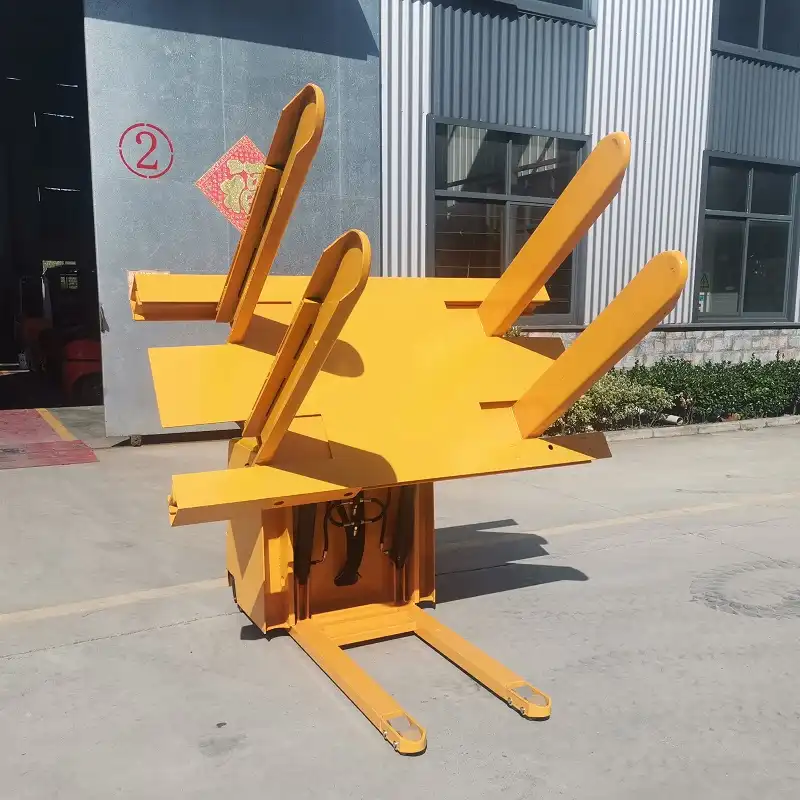
I have always believed in building things right, especially when conditions are tough. In my factory, we learned that designing for cold is not an add-on; it is a fundamental part of the process. You need to consider every nut and bolt. You need to think about how that machine will act when it is -20°C. This meticulous approach is what separates a good solution from a great one. It is what allows our clients, like Carlos, to trust their operations will run smoothly.
Key Design Differences for Cold Storage Pallet Inverters and Their Impact on Jam Prevention
Designing a pallet inverter for a cold warehouse requires specific modifications to ensure its effectiveness and longevity. These differences are crucial for preventing pallet jams in harsh environments.
-
🛠️ Specialized Materials and Coatings:
- Challenge: Standard steel can become brittle in extreme cold, leading to cracks or structural failure. Condensation causes rust.
- Solution: Cold-storage inverters use specific grades of stainless steel or treated steel alloys. These materials maintain their strength and flexibility at low temperatures. They also have special anti-corrosion coatings.
- Impact on Jam Prevention: The robust structure prevents the machine itself from deforming or failing. This ensures components remain aligned and function smoothly. This avoids misalignments that cause jams. It also means the machine can handle heavy, sometimes frozen, loads without structural damage. This directly prevents machine-induced jams.
-
💧 Cold-Resistant Hydraulics and Pneumatics:
- Challenge: Standard hydraulic oils thicken in the cold, making pumps work harder and moving parts sluggish. Seals can shrink or become rigid, leading to leaks.
- Solution: Inverters for cold storage use special low-viscosity hydraulic fluids designed for extreme cold. They also have high-quality, cold-tolerant seals made from materials like specific types of synthetic rubber or PTFE. Heaters might be integrated for hydraulic lines.
- Impact on Jam Prevention: This ensures consistent, powerful, and precise operation of the clamping and rotation mechanisms. When movements are fluid and strong, loads are held securely. The machine avoids jerky motions or loss of clamping pressure that could cause loads to shift or drop. This is vital to prevent product damage or pallet instability, which are common causes of jams.
-
⚡ Sealed and Insulated Electrical Systems:
- Challenge: Moisture from condensation can enter electrical components, causing short circuits or corrosion. Standard wiring insulation can become brittle and crack.
- Solution: Electrical cabinets are hermetically sealed (IP65 or higher rating) to keep moisture out. Wiring uses cold-flexible insulation. Heaters might be placed inside control panels to prevent freezing.
- Impact on Jam Prevention: Reliable electrical systems mean consistent control and communication. Sensors work accurately, and motors respond instantly. This precision is key. It ensures the inverter positions pallets correctly and clamps loads with the right force, every time. This reduces human error and prevents equipment malfunctions that lead to jams.
-
🔧 Reinforced and Lubricated Moving Parts:
- Challenge: Bearings and moving joints can seize up if lubricants freeze or become too thick. Ice buildup can also obstruct movement.
- Solution: Use of food-grade, cold-tolerant greases and lubricants. Bearings are often sealed units, and sometimes heated. Components are designed with larger tolerances to account for thermal contraction.
- Impact on Jam Prevention: Smoothly operating moving parts mean the inverter performs its function without hitching or sticking. This prevents partial inversions or insecure clamps that could damage goods or create an unstable load. When parts move freely, the cycle time is consistent. This contributes to overall warehouse flow and prevents slowdowns that create bottlenecks.
-
🛡️ Enhanced Safety Features for Slippery Conditions:
- Challenge: Ice and moisture create slippery surfaces, increasing the risk of accidents for operators. Visibility can be poor.
- Solution: Anti-slip floor plates, emergency stop buttons that are easily accessible even with thick gloves, and clear visual and audio alarms. Pressure-sensitive mats may be used.
- Impact on Jam Prevention: A safer working environment leads to more careful and accurate operation. Less risk of human error means fewer accidents. This directly reduces the chances of misloading or improper machine use, which might otherwise cause jams. It also reduces downtime from safety incidents.
How Do These Specialized Inverters Deliver Real-World Value and Prevent Costly Downtime?
It is one thing to talk about technology; it is another to see how it truly helps a business. For someone like Carlos, who manages a huge distribution center, the value of a machine is in its ability to solve real problems. Specialized pallet inverters for cold warehouses do more than just prevent jams. They deliver concrete benefits that impact the entire operation. They help avoid huge costs and keep customers happy.
Specialized pallet inverters deliver real-world value by significantly reducing operational costs, enhancing safety, improving throughput, and ensuring compliance with varied pallet standards. By actively preventing jams and facilitating smooth pallet exchanges in cold environments, they minimize labor dependency, eliminate costly product damage, and avoid penalties from delayed shipments, directly contributing to a stronger bottom line.
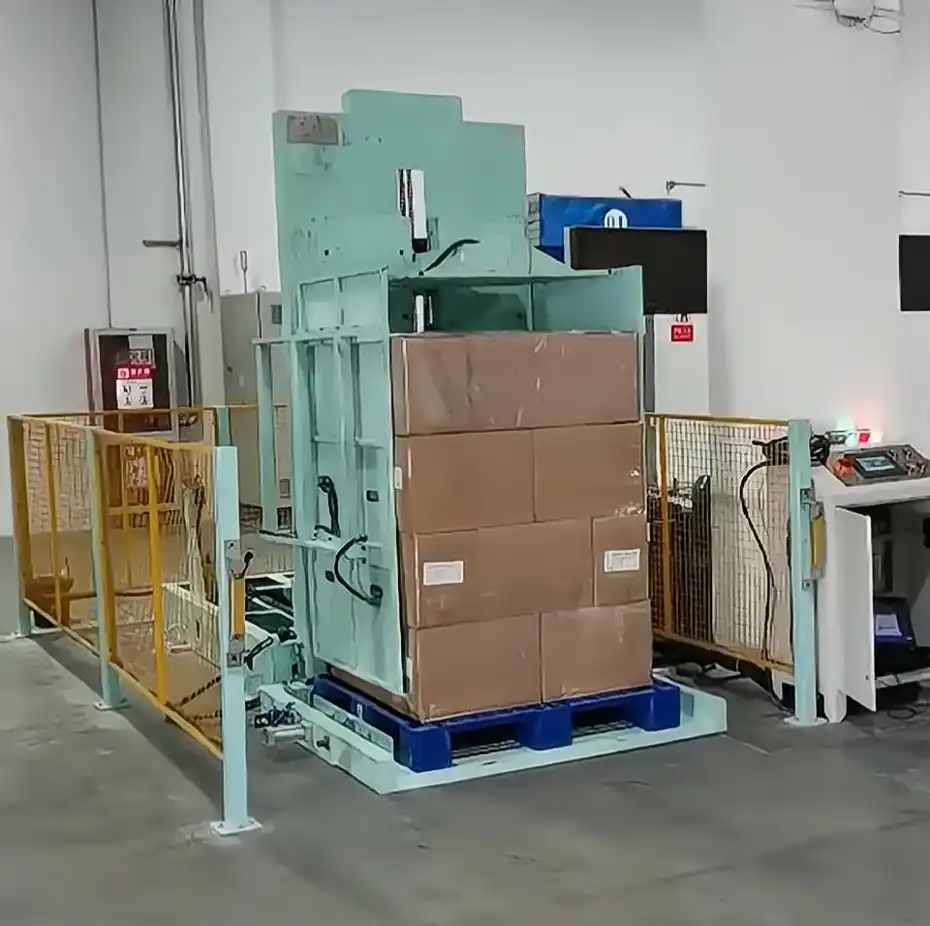
When I built FHOPEPACK, my goal was not just to make machines. It was to build solutions that helped businesses grow. I saw my clients achieve financial independence and expand because they had reliable equipment. This is the kind of partnership I believe in. It is about understanding your challenges and offering tools that truly make a difference, especially when conditions are tough.
Tangible Benefits of Cold-Storage Pallet Inverters in Action
Implementing the right cold-storage pallet inverter goes beyond preventing individual jams. It provides a ripple effect of benefits across the entire warehousing and logistics operation.
-
💰 Significant Reduction in Operational Costs:
- How it helps: By automating pallet changes, these machines drastically reduce the need for manual labor. This directly addresses the challenge of rising labor costs and shortages. They also minimize product damage that often occurs during manual handling, saving on replacement costs. Fewer jams mean less downtime, which means less money lost from idle staff and equipment.
- For Carlos: This speaks directly to his goal of lowering operational costs and reducing labor dependency, freeing up his team for other tasks.
-
✅ Enhanced Safety and Reduced Risk:
- How it helps: Mechanical pallet changing replaces dangerous manual tasks like tilting heavy loads or hand-swapping pallets in slippery, cold conditions. This eliminates the risk of goods toppling and severe injuries to workers. It also lowers insurance and compensation costs associated with workplace accidents.
- For Carlos: This directly tackles his concern about safety risks and the unfortunate accidents his warehouse has already experienced. Improved safety creates a better work environment.
-
🚀 Improved Throughput and Operational Efficiency:
- How it helps: With automated, reliable pallet changes, warehouses can process thousands of pallets per day without interruption. This significantly speeds up the flow of goods. It ensures goods move quickly from receiving to dispatch, meeting tight delivery schedules. The ability to switch between diverse pallet types (Euro, US, plastic) without manual intervention keeps the lines moving.
- For Carlos: This directly addresses his challenges with diverse pallet specifications and the pressure from customers for shorter delivery cycles. Faster throughput means happier clients.
-
📋 Guaranteed Compliance and Customer Satisfaction:
- How it helps: Pallet inverters ensure that outbound shipments always use the correct pallet type for the destination country or customer. This avoids non-compliance fines and prevents rejected shipments. By maintaining a smooth, jam-free operation, products reach customers on time and in perfect condition. This builds trust and strengthens client relationships.
- For Carlos: His goal of ensuring compliance and avoiding customer complaints is met. His international logistics operations depend on seamless pallet transitions to meet global standards.
-
🤝 Building a Long-Term, Trustworthy Partnership:
- How it helps: Choosing a supplier like FHOPEPACK, which focuses on providing robust, specialized solutions and shares expertise, means getting more than just a machine. It means gaining a partner who understands your challenges and offers ongoing support and knowledge. This collaborative approach leads to better-tailored solutions and continuous improvement.
- For Carlos: This matches his desire for a long-term partner who truly understands warehouse automation and provides support beyond the initial sale, rather than just a machine vendor. This partnership is key to sustained success.
Conclusion
Preventing pallet jams in cold warehouses demands specific, purpose-built pallet inverter solutions. These machines use specialized designs, materials, and components to work reliably in freezing conditions. They effectively reduce costs, boost safety, and improve efficiency. Choosing the right pallet inverter is a smart investment, ensuring smooth operations and long-term success.








