
How Does a Pallet Inverter Reduce Manual Risks in Handling Solar Panels for Export?
Handling large, delicate items like solar panels for international export can be a constant source of stress. You are always balancing speed, safety, and the ever-present risk of damage or injury. The thought of a high-value solar panel being dropped or a worker getting hurt during a manual pallet change is enough to keep any logistics manager awake at night. This challenge intensifies when different countries demand different pallet specifications, turning a simple task into a complex, risk-laden operation.
A pallet inverter significantly reduces manual risks in handling solar panels for export by eliminating the need for hazardous manual lifting, flipping, or transferring. It securely clamps and rotates entire palletized loads, allowing quick and safe exchange of pallets to meet international standards (like switching from factory to export-compliant pallets) without human intervention in dangerous tasks. This minimizes the risk of product damage, prevents worker injuries from heavy lifting or unstable loads, and streamlines the export process for fragile, high-value goods.
If you are nodding along, recognizing these pain points in your own operations, then you are in the right place. From my experience building and running a packing machine factory, I have seen these problems firsthand. I know how critical it is to find solutions that protect your products and your people. Let us dive deeper into how modern automation can transform your export process.
What Manual Risks Do Solar Panels Pose During Export Handling?
Imagine the scene: a busy warehouse, a forklift bringing in a stack of solar panels, each one a valuable piece of technology. Now, imagine having to manually switch that stack from a robust in-house pallet to a lighter, export-compliant one. This is where real danger begins. The sheer size and fragility of solar panels make them particularly vulnerable to manual handling mistakes. They are not just heavy; they are also prone to cracking or bending if mishandled.
Manual handling of solar panels for export introduces significant risks due to their weight, size, and delicate nature. Workers face dangers from lifting heavy, awkward loads, which can cause back injuries or muscle strains. The risk of dropping or damaging the panels increases during manual transfers, leading to costly product loss. Additionally, unstable stacks create falling hazards for personnel and surrounding equipment, making manual pallet changing a high-risk operation.
From my days working on the factory floor, I saw countless times how seemingly simple tasks could become dangerous. I recall one incident early in my career where a stack of products shifted during a manual pallet transfer. Luckily, no one was seriously hurt, but the product was damaged, and the cleanup was extensive. This memory sticks with me, showing why eliminating such risks is not just good practice but essential.
The Hidden Dangers of Manual Pallet Switching for Fragile Goods:
Let us break down the specific manual risks you face when dealing with delicate items like solar panels for export. Understanding these risks is the first step toward finding a robust solution.
-
Ergonomic Injuries:
- Heavy Lifting: Solar panels are heavy. Manually lifting or repositioning even a few panels can strain backs, shoulders, and knees. Over time, this leads to chronic injuries, absenteeism, and higher healthcare costs. Workers often have to contort their bodies into awkward positions, further increasing risk.
- Repetitive Motions: The act of adjusting, tilting, or sliding panels multiple times for each pallet change can cause repetitive strain injuries (RSIs). These are cumulative and can sideline experienced workers.
- Awkward Postures: Reaching over or bending around large, rigid panels puts stress on the spine. This is not how the human body is designed to move heavy, unwieldy objects, making it incredibly inefficient and dangerous.
-
Product Damage and Loss:
- Accidental Drops: The most obvious risk. A slip of the hand, an unstable grip, or a misstep can send a valuable solar panel crashing. This is not just a monetary loss but also a delay in your supply chain.
- Impact Damage: Even if not dropped, panels can be bumped, scratched, or cracked against other items or the pallet itself during manual maneuvers. Micro-cracks might not be visible immediately but can cause failures later.
- Uneven Weight Distribution: When manually restacking, it is easy to create an uneven load. This can destabilize the entire pallet, making it dangerous for transport and prone to shifting.
-
Workplace Accidents:
- Falling Objects: If a stack of panels is unstable during manual handling, individual panels or even the entire stack can fall. This poses a severe threat to anyone nearby.
- Crushing Hazards: Workers can get fingers or limbs caught between panels or between a panel and a hard surface. These crushing injuries can be severe and life-altering.
- Forklift Interaction Risks: When workers are manually intervening with pallet loads, they are often in close proximity to moving forklifts or other heavy machinery. This increases the chance of collision or being struck by equipment.
These risks are not theoretical. They are daily realities in many warehouses. I know managers like Carlos in Spain face these precise challenges, trying to maintain efficiency while battling rising labor costs and a reluctance among younger workers to take on such physically demanding roles. It is a balancing act that often puts safety at risk. My own journey, from employee to factory owner, showed me the power of machines to solve these human challenges safely.
How Does a Pallet Inverter Directly Eliminate These Hazards?
When I started FHOPEPACK, my goal was always to bring practical solutions to complex problems. The pallet inverter is a prime example of this philosophy. It addresses the manual risks of handling solar panels head-on, transforming a dangerous, slow process into a safe, efficient one. It is not just about flipping a pallet; it is about completely removing the human element from the riskiest parts of the operation.
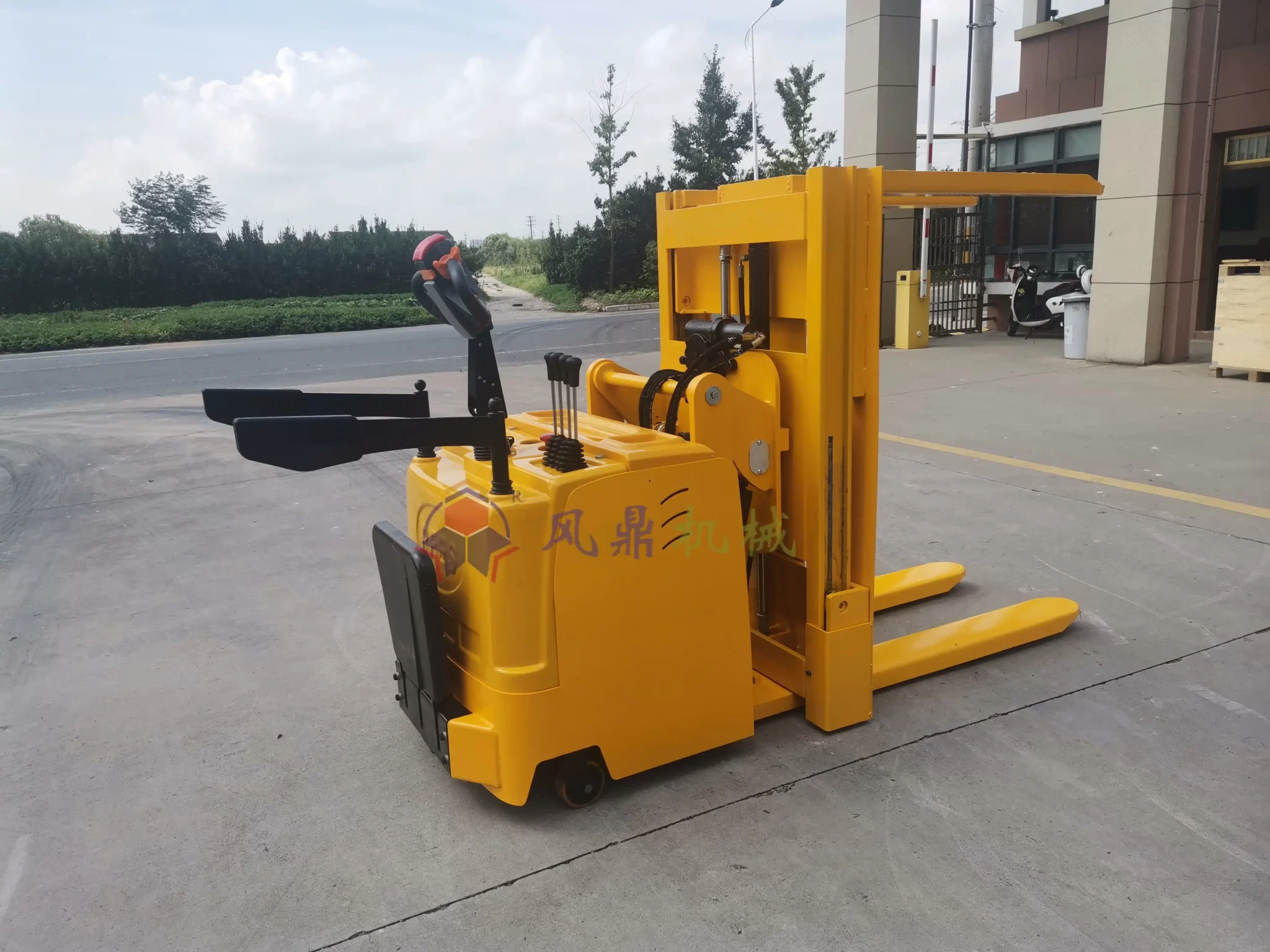
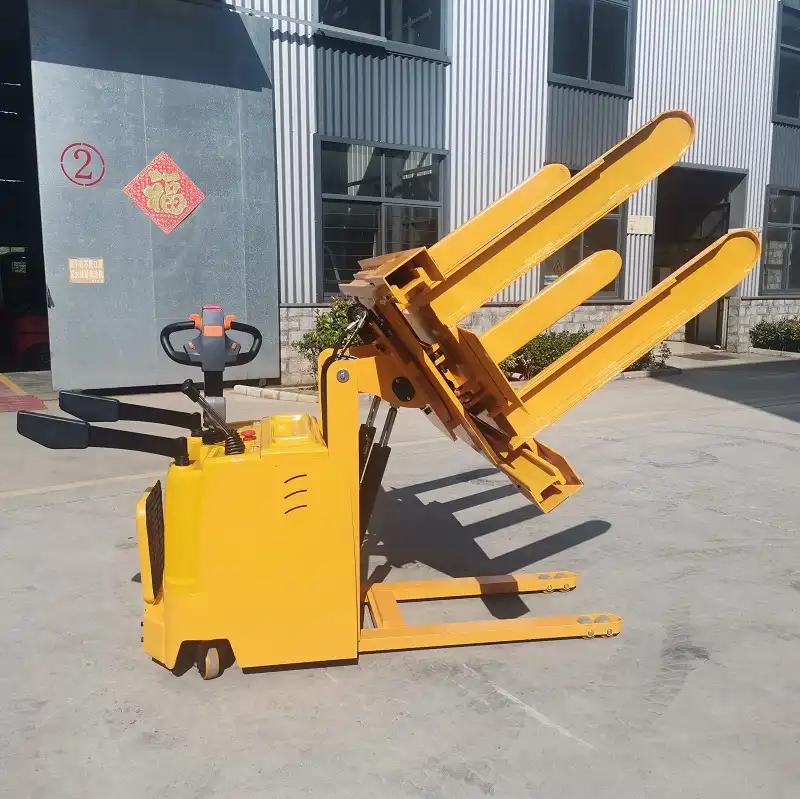
A pallet inverter directly eliminates manual hazards by providing a fully mechanized solution for changing pallets. It securely clamps the entire load of solar panels, holding them firm while the pallet underneath is replaced or inverted. This process requires minimal human interaction, removing the need for workers to physically lift, slide, or re-stack heavy and fragile items. It eliminates risks of ergonomic injury, accidental drops, and crushing hazards, ensuring the safety of both personnel and valuable cargo.

I recall a client who specialized in delicate electronic components. They faced similar issues to solar panel handlers when trying to switch pallets for export. They were losing product to damage, and their workers were complaining of back pain. When they integrated one of our pallet inverters, the change was dramatic. Not only did product damage drop almost to zero, but worker morale also improved. This confirmed my belief: the right machine can protect both profit and people.
The Pallet Inverter: A Shield Against Workplace Dangers:
Let us explore the specific ways a pallet inverter acts as a safety shield in your operations.
-
Zero Manual Lifting:
- Ergonomic Relief: The core benefit is that no worker has to manually lift or manipulate heavy solar panels. The machine does all the heavy work. This eliminates the primary cause of back injuries, strains, and fatigue, leading to a healthier workforce.
- Consistent Operation: Unlike human workers who can tire or make mistakes, a machine performs the task with consistent force and precision every time. This consistency ensures the load remains stable throughout the pallet exchange.
- Reduced Labor Strain: With automated assistance, fewer workers are needed for the physically demanding aspects of pallet exchange. This helps manage labor shortages and allocates human resources to less strenuous, more supervisory roles.
-
Enhanced Load Stability and Security:
- Firm Clamping: Pallet inverters are designed to securely clamp the entire load. This means the solar panels are held firmly in place, preventing them from shifting, falling, or getting damaged during the inversion or transfer process.
- Controlled Movement: The inversion process is smooth and controlled. There are no sudden jolts or uncontrolled movements that could destabilize the load. This careful handling is crucial for fragile goods.
- Damage Prevention: By eliminating manual contact and ensuring load stability, the risk of scratches, cracks, or other impact damage to the solar panels is almost entirely removed. This preserves the quality and value of your product.
-
Minimized Human-Machine Interaction:
- Dedicated Work Zones: Pallet inverters typically operate within a defined safety zone. This keeps workers at a safe distance from moving parts and heavy loads during operation.
- Reduced Forklift Traffic: If the inverter can be loaded and unloaded efficiently, it reduces the need for constant forklift maneuvers around human workers who might otherwise be performing manual tasks.
- Compliance with Safety Standards: Modern pallet inverters often come with integrated safety features like light curtains, safety gates, and emergency stops. These features are designed to meet strict industrial safety regulations, offering peace of mind and reducing liability risks.
In essence, a pallet inverter transforms a high-risk manual operation into a low-risk automated one. It is a critical investment for any business handling high-value, delicate products like solar panels, especially when preparing them for the rigors of international shipping. This shift not only protects your team but also safeguards your bottom line by preventing costly damage.
Can Pallet Inverters Really Speed Up Export Logistics for Sensitive Goods?
Speed and efficiency are the lifeblood of modern logistics. For products like solar panels destined for export, every minute counts. Delays not only lead to frustrated clients but can also incur penalties or even loss of future business. The challenge is achieving this speed while maintaining the highest levels of care for sensitive and valuable cargo. Traditional manual pallet changes are notorious bottlenecks, especially when dealing with varied international pallet standards.
Pallet inverters significantly speed up export logistics for sensitive goods by automating the critical process of changing pallets to meet diverse international shipping requirements. They drastically reduce the time needed for pallet exchange compared to manual methods, allowing for faster loading and dispatch. By ensuring consistent, damage-free handling of sensitive items like solar panels, they prevent costly reworks and delays, thereby accelerating the entire supply chain and improving overall operational flow.

When I founded FHOPEPACK, it was with the understanding that efficiency is paramount. I have always pushed for solutions that not only solve a problem but also add tangible value to a client’s operation. I saw how a simple coil packing machine could transform a small factory’s output. The same principle applies here. A pallet inverter for solar panels is not just about safety; it is about accelerating your path to market.
Boosting Throughput and Compliance with Pallet Automation:
Let us look at how pallet inverters directly contribute to faster, more compliant export operations for sensitive goods.
-
Rapid Pallet Exchange:
- Cycle Time Reduction: Manual pallet changes for sensitive goods can take 10-20 minutes or more per pallet, depending on the load. An automated pallet inverter can complete the entire process in just 1-3 minutes. This dramatically reduces the time spent at this critical bottleneck.
- Continuous Flow: With faster pallet changes, goods can move more smoothly from the production line or storage directly to the loading dock for export. This minimizes accumulation points and keeps the entire logistics chain flowing without interruption.
- Meeting Tight Deadlines: For industries with demanding delivery schedules, such as those supplying solar projects, fast turnaround times are essential. Pallet inverters help meet these tight deadlines consistently.
-
Seamless Compliance with International Standards:
- Versatile Pallet Handling: Export often requires switching from domestic or specialized factory pallets (e.g., plastic or custom sizes) to standard wooden Euro pallets (EPAL) or ISPM 15 heat-treated pallets for international shipping. Pallet inverters are designed to handle this transition effortlessly.
- Reduced Errors: Manual sorting and restacking for different pallet types can lead to errors, such as using the wrong pallet for a specific destination. Automation minimizes these human errors, ensuring every shipment complies with destination country regulations.
- Avoidance of Fines and Delays: Non-compliant pallets can lead to shipments being held at customs, incurring hefty fines, storage fees, and significant delays. An automated system ensures the correct pallet is used every time, preventing these costly problems.
-
Optimized Load Preparation:
- Consistent Stacking: The inverter ensures that the load of solar panels remains perfectly aligned and stable throughout the transfer. This consistent stacking is vital for secure transport and prevents shifts that could lead to damage during transit.
- Space Optimization: By using the correct pallet size and ensuring stable, well-formed loads, you can optimize space within shipping containers or trucks. This can reduce shipping costs and make the most of every square foot.
- Improved Traceability: Integrated systems can even record which pallet types are used for which loads, adding a layer of data for traceability and quality control, especially important for high-value items like solar panels.
The ability of a pallet inverter to handle sensitive loads like solar panels with speed, precision, and compliance makes it an indispensable tool for export-oriented businesses. It transforms a potential headache into a streamlined, reliable operation, directly contributing to customer satisfaction and operational excellence. For managers like Carlos, who oversee complex international distribution, this efficiency is key to maintaining a competitive edge.
What Long-Term Benefits Does Investing in Pallet Automation Bring?
Investing in significant machinery like a pallet inverter is not just about solving today’s problems. It is about future-proofing your operations. When I started FHOPEPACK, I knew that building a successful business meant looking beyond immediate needs. It meant offering solutions that would provide lasting value. For a logistics manager like Carlos, the decision to automate pallet handling for solar panels needs to show a clear return, not just on safety and speed, but also on long-term operational sustainability and growth.
Investing in pallet automation, such as a pallet inverter, brings substantial long-term benefits by significantly reducing operating costs, improving workforce retention through enhanced safety, increasing overall productivity, and strengthening a company’s competitive position. It minimizes product damage claims, lowers insurance premiums, and reduces reliance on scarce manual labor, leading to a more resilient, efficient, and profitable export logistics operation over time.

My journey in the packing machine industry taught me that true partnership means understanding a client’s long-term vision. I saw clients grow their businesses because they invested wisely in automation. They realized that spending a little more upfront on the right equipment saved them far more in the long run through reduced costs, fewer errors, and happier customers. This is the FHOPEPACK promise: to be a partner in your growth, not just a seller of machines.
The Lasting Impact of Smart Automation:
Let us break down the enduring advantages that a pallet inverter brings to your business over the long haul.
-
Significant Cost Reduction:
- Lower Labor Costs: By reducing the need for manual intervention in strenuous tasks, you can reallocate labor to more value-added roles or operate with a leaner team. This directly addresses rising labor costs and shortages.
- Reduced Damage Costs: Preventing damage to high-value items like solar panels translates into fewer returns, fewer reworks, and significantly lower waste. This protects your profit margins.
- Decreased Insurance Premiums: A safer workplace with fewer accidents can lead to lower workers’ compensation claims and potentially reduced insurance premiums over time.
- Operational Efficiency: Faster processing times and fewer delays mean more throughput per shift, maximizing the use of your facility and equipment.
-
Enhanced Workforce Management:
- Improved Safety Culture: A clear commitment to worker safety, demonstrated by investing in automation, boosts morale and shows employees their well-being is valued.
- Attracting and Retaining Talent: In an era of labor scarcity, particularly for physically demanding jobs, a modern, automated workplace is more attractive to potential employees and helps retain existing ones.
- Reduced Absenteeism: Fewer injuries mean fewer sick days and less time lost to recovery, ensuring your team is consistently available and productive.
-
Strengthened Competitive Advantage:
- Reliable Deliveries: With faster, more efficient, and compliant export processes, you can offer more reliable delivery times to your customers. This builds trust and strengthens client relationships.
- Increased Capacity: Automation allows you to handle higher volumes of product without scaling up your labor force proportionally. This positions your business for growth and expansion into new markets.
- Brand Reputation: A company known for its efficient, safe, and reliable logistics operations gains a significant edge in a competitive marketplace. This positive reputation attracts more business and fosters loyalty.
-
Sustainability and Adaptability:
- Standardization: Automation drives standardization of processes, making operations more predictable and easier to manage. This is crucial for large-scale operations and ensures consistent quality.
- Future-Proofing: As global trade demands evolve, investing in flexible automation solutions prepares your business for future challenges, whether they are new pallet standards or increased shipping volumes.
- Data-Driven Decisions: Modern pallet inverters can be integrated into broader warehouse management systems, providing valuable data on throughput, efficiency, and potential bottlenecks. This data supports continuous improvement.
For any business, especially one involved in the export of sensitive, valuable products like solar panels, the long-term benefits of a pallet inverter extend far beyond initial cost. They represent an investment in efficiency, safety, and a resilient future. Choosing the right partner who understands these long-term implications, a partner like FHOPEPACK, is vital.
Conclusion
The challenges of handling solar panels for export are significant, from manual safety risks to complex compliance requirements. By integrating a pallet inverter, businesses can dramatically reduce these hazards, boost operational efficiency, ensure compliance, and secure a strong, competitive future. It is a strategic investment that safeguards both your valuable products and your dedicated team.








