
How Pallet Inverters Reduce Contamination Risks in Meat and Poultry Handling?
Handling meat and poultry products demands extreme care. Any misstep can lead to serious contamination. This risk threatens consumer health. It also damages your brand reputation. Traditional pallet handling often introduces hidden dangers. These dangers can compromise your entire food safety system. You might be struggling with these very issues right now.
Pallet inverters reduce contamination risks by allowing businesses to switch products from dirty external pallets to clean, hygienic internal pallets. They do this without direct human contact or product transfer. This crucial step prevents cross-contamination from external sources like wooden pallets. It keeps your meat and poultry products safe and compliant.
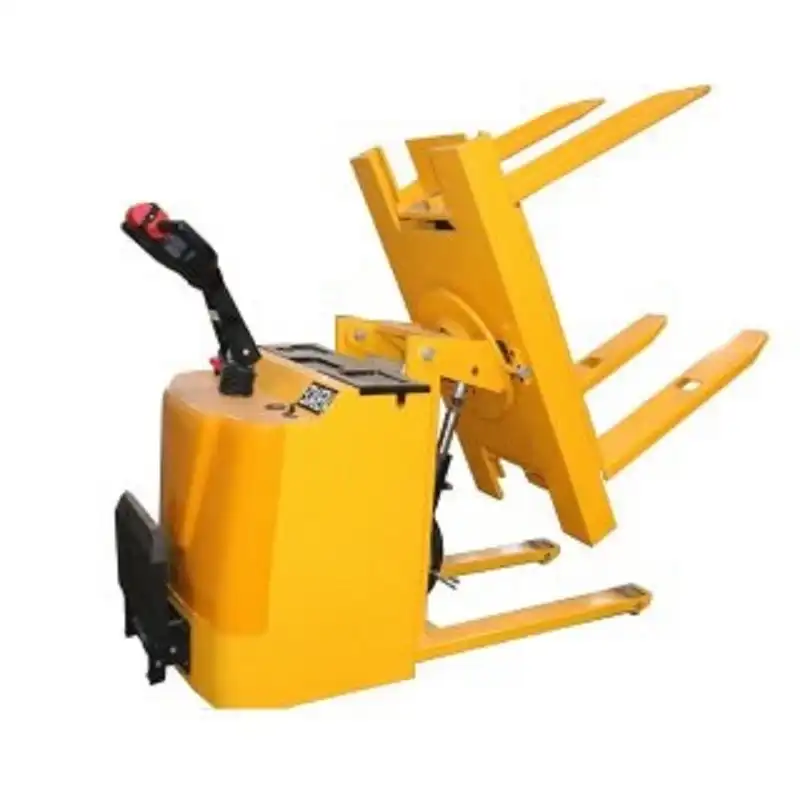
Understanding how these machines work can transform your operation. It is not just about moving products. It is about protecting them. Let us look deeper into the specific ways pallet inverters create a safer environment for meat and poultry.
Why is manual pallet handling risky for food safety?
Manual pallet handling might seem straightforward. However, it brings many hidden dangers. These dangers are especially high in the sensitive meat and poultry industry. You could be unknowingly exposing your products to serious risks every single day. This is a problem that costs time, money, and customer trust.
Manual pallet handling is risky for food safety because it increases direct human contact with products or their immediate packaging. It also introduces potential contaminants from dirty external pallets into clean zones. This method often causes product damage and creates an environment prone to cross-contamination.
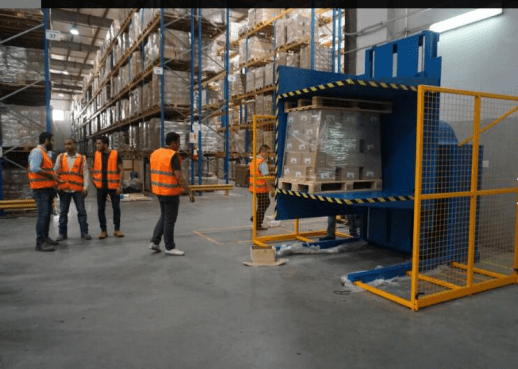
I have seen many operations rely on manual processes. They believe this saves money. But it often leads to bigger costs later. Let me explain some key risks involved with manual handling:
1. Direct Human Contact and Cross-Contamination
When workers manually move products or swap pallets, they touch various surfaces. This direct contact introduces risks.
- Bacteria Transfer: Hands can carry bacteria from one area to another. This includes bacteria from outside, from different products, or even from the workers themselves.
- Dirty Clothing: Workers’ clothing might pick up contaminants. These can then transfer to clean products or pallets.
- Improper Hygiene: Even with strict hygiene rules, human error happens. This can include inadequate handwashing or touching unclean surfaces by mistake. Such actions create pathways for harmful microorganisms. These organisms can then reach your sensitive meat and poultry products.
2. Contamination from External Pallets
Most goods arrive on wooden pallets. These pallets have traveled long distances. They might come from different environments.
- Pests and Debris: External pallets can harbor insects, rodents, or their droppings. They can also carry dirt, dust, and wood splinters.
- Pathogen Accumulation: Wood is porous. It absorbs liquids and can trap bacteria like Salmonella or E. coli. These pathogens can stay active on the pallet surface for a long time.
- Chemical Residues: Pallets might have been exposed to various chemicals during transit. These chemicals can include cleaning agents, fuels, or pesticides. Bringing these external, potentially contaminated pallets into a clean processing area is a major risk. It can compromise your entire hygienic zone.
3. Product Damage and Exposure
Manual handling can be rough. It increases the chance of product damage.
- Crushing and Tearing: Heavy lifting or clumsy movements can damage product packaging. This exposes the food to the environment.
- Spills and Leaks: If packaging breaks, product can spill. This creates a mess. It also provides a breeding ground for bacteria.
- Compromised Seals: Even small damage to seals can allow air and contaminants to enter packages. Damaged products are not only a loss. They are also a contamination hazard. They can spread bacteria to other products or surfaces.
4. Inefficiency and Worker Fatigue
Manual work is tiring. Tired workers make more mistakes.
- Reduced Focus: Long shifts of heavy lifting can make workers lose focus. This leads to errors in handling.
- Slow Speed: Manual pallet changes are slow. This can cause bottlenecks in the workflow. It also increases the time products spend in transit, raising exposure time.
- Ergonomic Risks: Lifting heavy loads causes injuries. This reduces staff availability. It also adds to operational costs. These factors combine to create a less safe and less efficient workplace. They also make it harder to maintain high food safety standards consistently.
What contamination challenges do meat and poultry operations truly face?
The meat and poultry industry faces some of the strictest hygiene regulations. This is for a good reason. The products are highly perishable. They are also very susceptible to various types of contamination. Ignoring these specific challenges can lead to serious public health issues. It can also cause severe financial losses for your business.
Meat and poultry operations truly face significant contamination challenges from biological agents like bacteria and viruses, chemical residues from cleaning agents or other sources, and physical foreign objects such as plastic fragments or wood splinters. These threats demand robust control measures at every step of handling and processing.
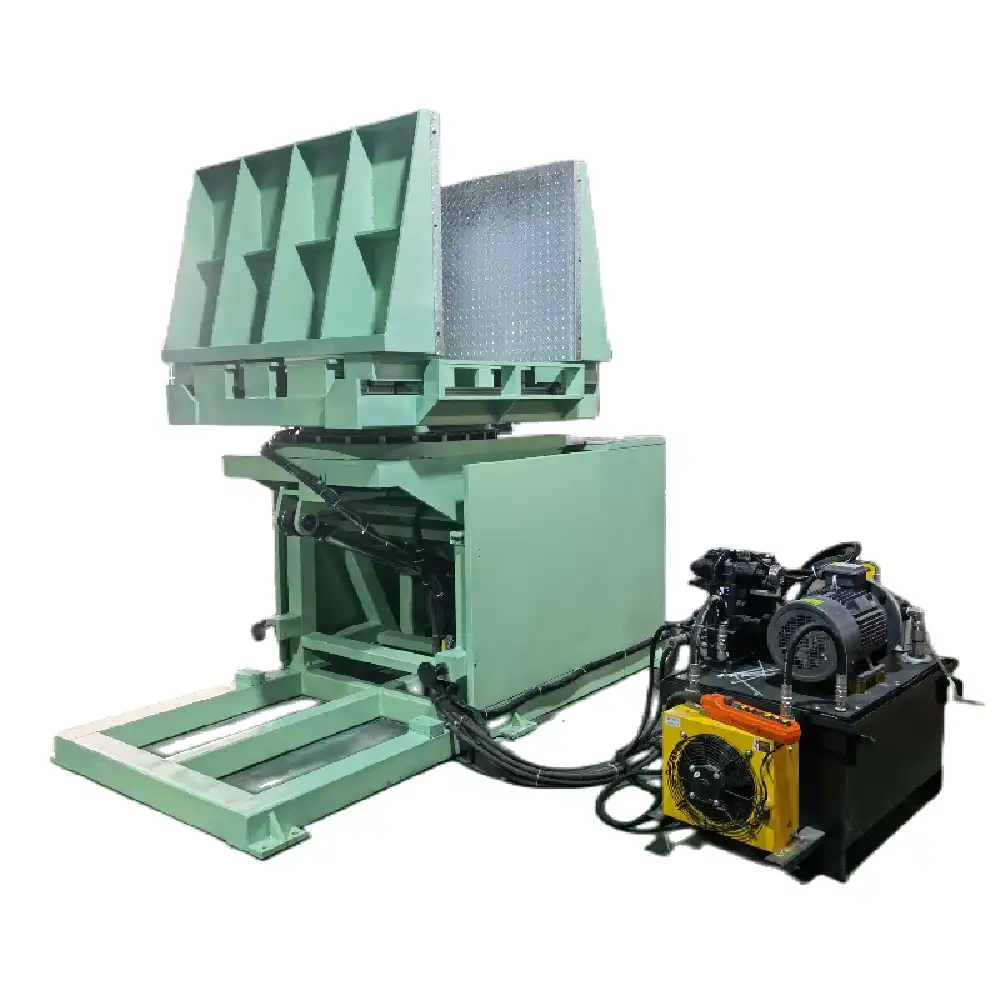
When I visit meat and poultry factories, I always see how carefully they manage their environment. But the challenges are constant. Here are the main types of contamination they fight against:
1. Biological Contamination: The Biggest Threat
This is the most critical area for meat and poultry. These products are ideal for bacterial growth.
- Bacteria:
- 🦠 Salmonella: Commonly found in poultry and eggs. It causes severe food poisoning.
- 🦠 E. coli: Often linked to raw or undercooked meat. Some strains are highly dangerous.
- 🦠 Listeria Monocytogenes: Found in soil, water, and animals. It can grow even in refrigerated conditions. It is a serious concern for ready-to-eat meats.
- Viruses:
- 🦠 Norovirus and Hepatitis A: These can spread through contaminated food, often via human handlers. These pathogens can come from the animals themselves. They can also come from the processing environment, water, or equipment. Cross-contamination between raw and cooked products is a huge risk. This requires strict separation and sanitation protocols.








